Skin cancer
Types, warning signs and prevention
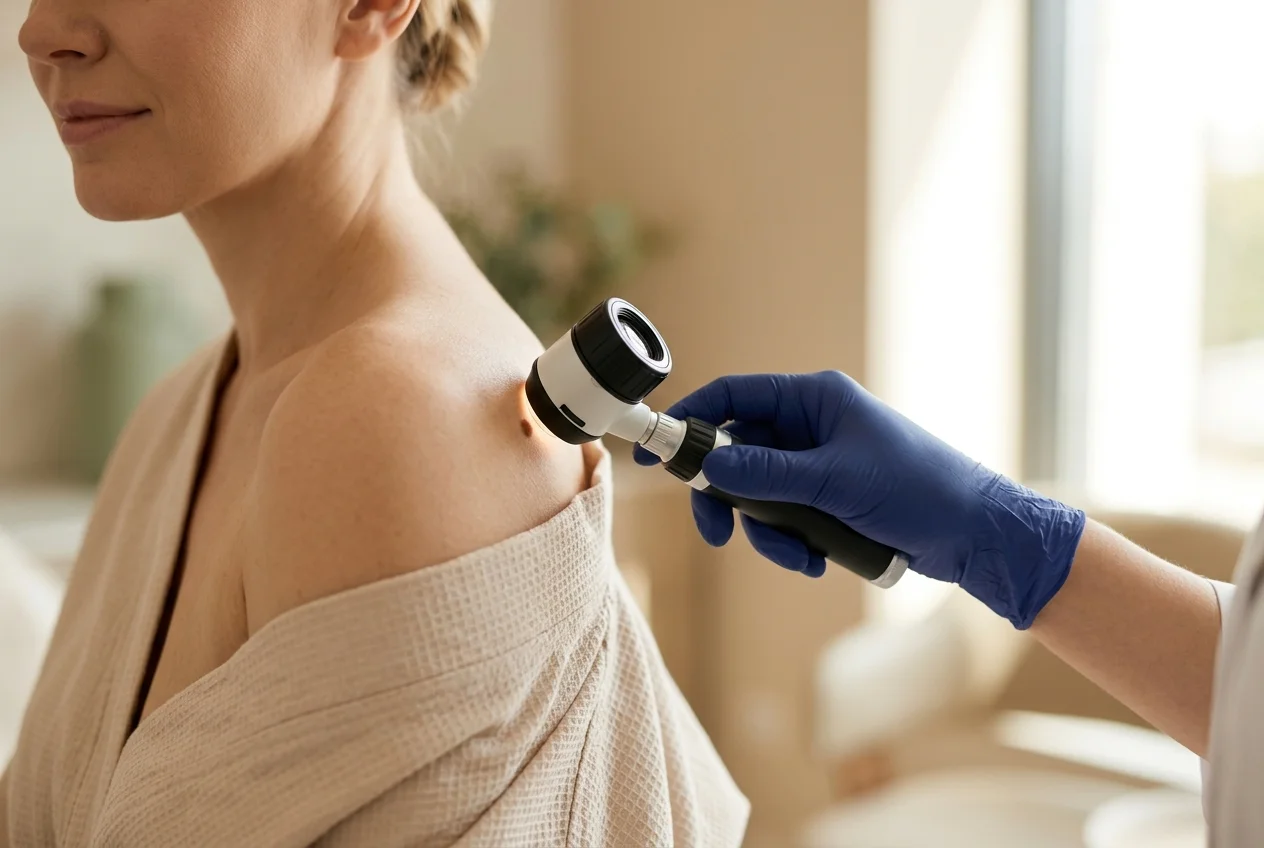
Skin cancer is the most frequent tumour and, when detected early, usually has an excellent prognosis. Discover its main types, risk factors, warning symptoms and the best strategies to prevent and treat it.
What is skin cancer?
Skin cancer is the abnormal and uncontrolled growth of skin cells. It is the most common type of cancer in the world, but also one of those with the best chances of cure when diagnosed early.
There are several types of skin cancer, the most important being:
- Basal cell carcinoma, the most frequent and generally the least aggressive.
- Squamous cell carcinoma, with a greater capacity to invade tissues and, in some cases, to produce metastases.
- Melanoma, the least frequent but the most aggressive if not detected in time.
The good news is that most skin cancers can be treated successfully when diagnosed in their initial stages.
Why does it appear?
The main cause is the damage accumulated by ultraviolet (UV) radiation from the sun and from tanning beds. Ultraviolet radiation produces alterations in the DNA of skin cells. Over the years, these alterations can favour the development of a cancer.
Who is at greater risk? The risk is higher in people who have one or more of these factors: fair skin; light eyes or blond or red hair; a history of sunburns (especially in childhood); intense or accumulated sun exposure over many years; use of tanning beds; a large number of moles; personal or family history of skin cancer; a weakened immune system.
Why does it appear even though I have always protected myself? No sunscreen offers 100% protection. In addition, sun damage accumulates throughout life and many people received intense sun exposure before acquiring adequate photoprotection habits.
Can it appear in areas that do not receive sun? Yes. Although most skin cancers appear on photo-exposed areas, some melanomas can develop on little-exposed areas or even on the soles of the feet, the palms of the hands or under the nails.
What are the symptoms?
Skin cancer can present in very different ways. Some warning signs include:
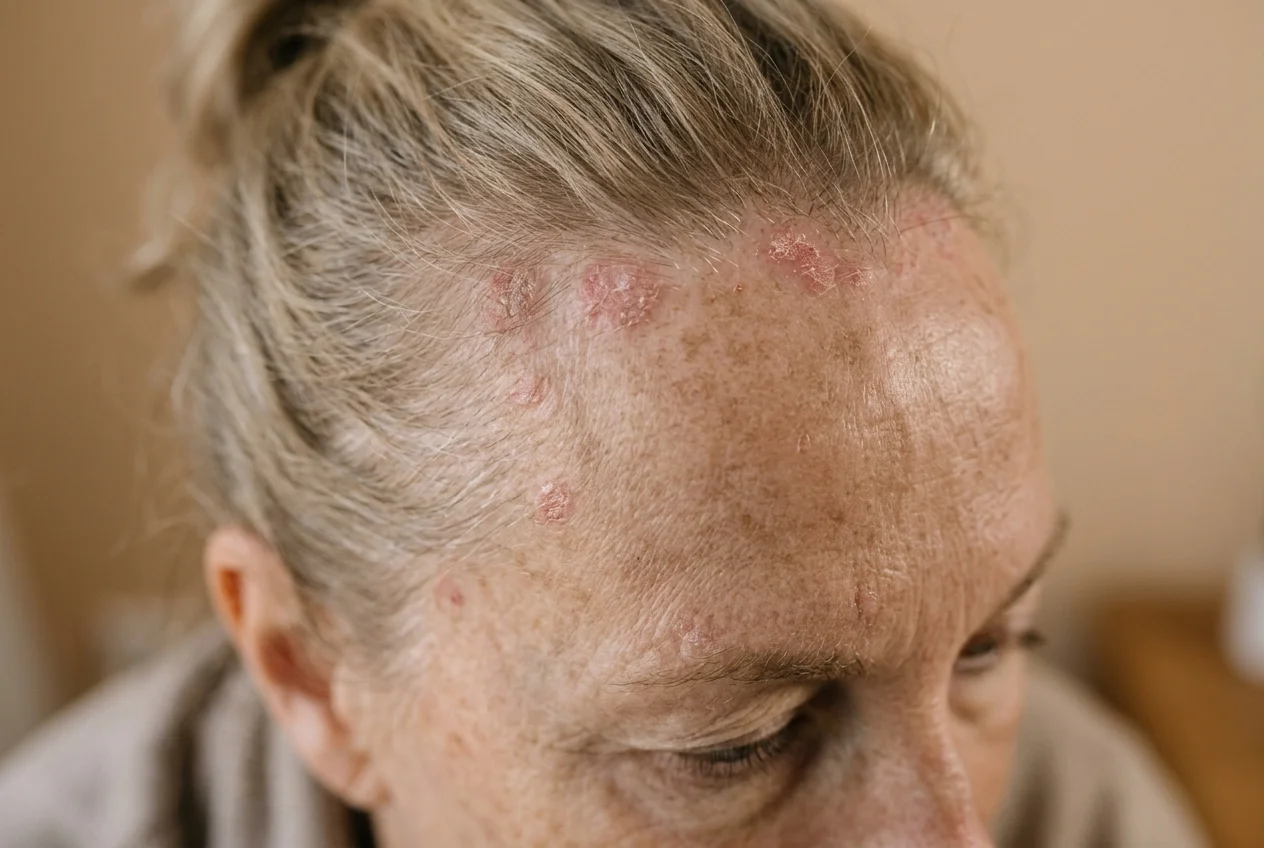
- A wound that does not heal.
- A lesion that bleeds easily.
- A persistent crust.
- A lump that grows progressively.
- A spot that changes appearance.
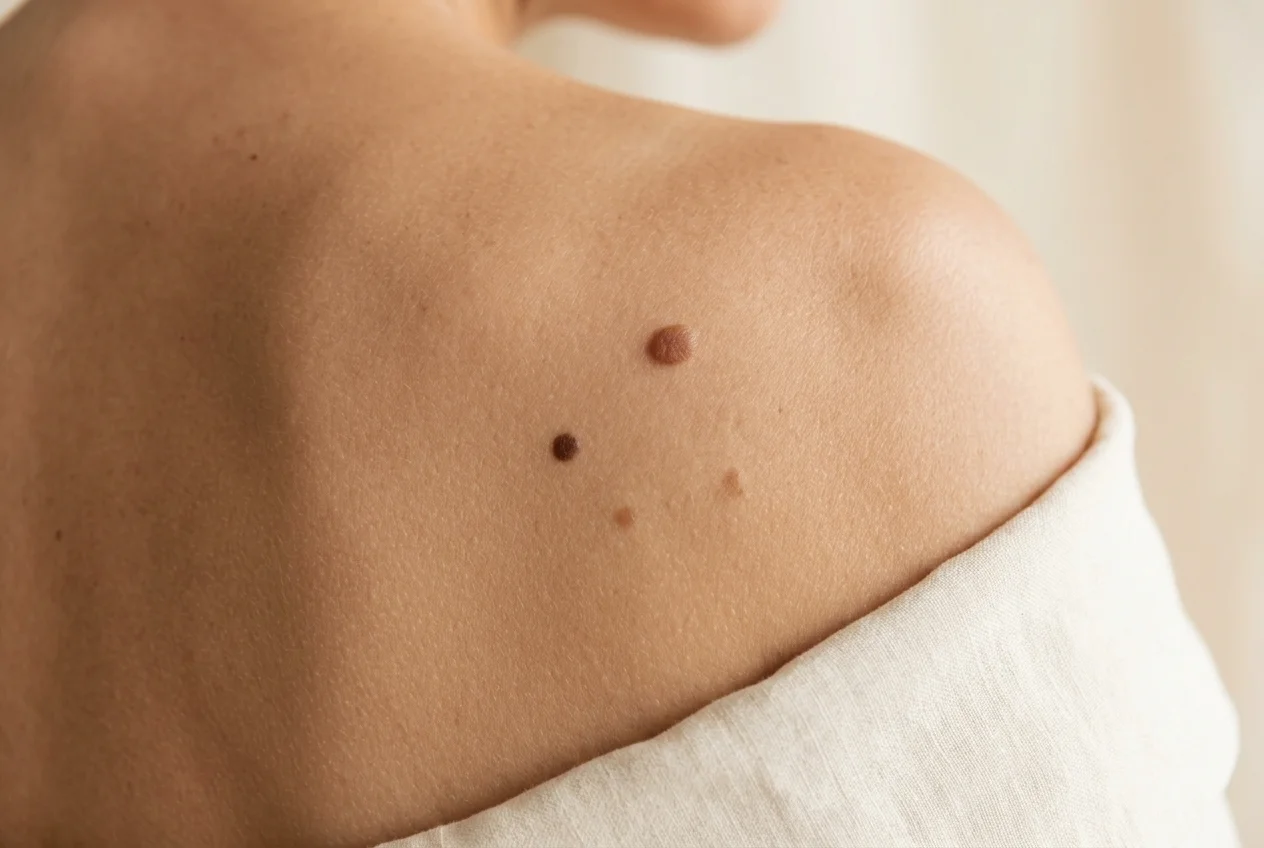
- A mole that begins to change.
- A lesion that causes itching, pain or bleeding for no apparent reason.
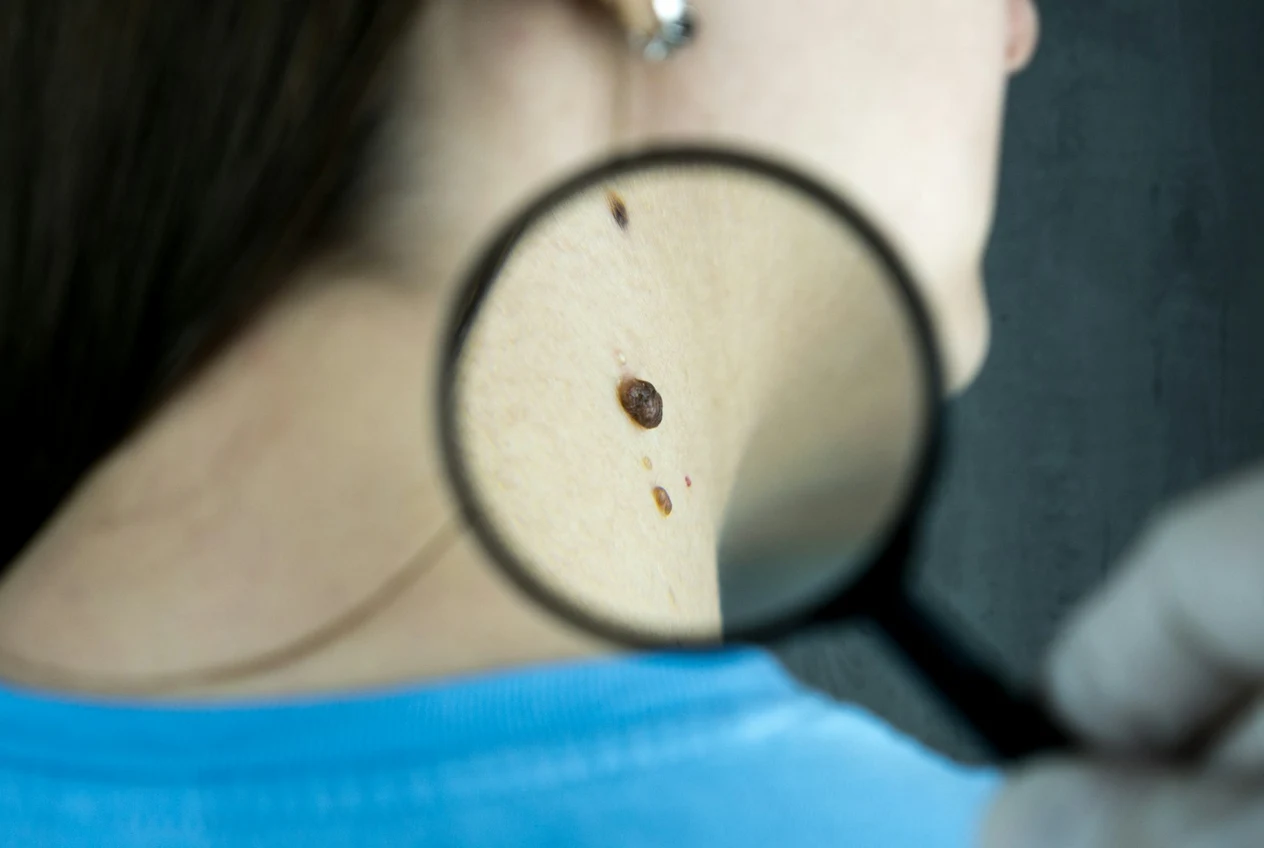
In the case of melanoma, it is especially useful to remember the ABCDE rule: A) Asymmetry; B) Irregular borders; C) Uneven colour or several colours; D) Diameter greater than 6 mm (although some melanomas are smaller); E) Evolution or any recent change.
Another very important sign is the so-called «ugly duckling», that is, a lesion that has an appearance clearly different from the rest of a person's moles.
How is it diagnosed?
Diagnosis begins with a complete examination of the skin. The doctor will use a dermatoscope, a tool that allows lesions to be analysed with great precision.
If there is a suspicion of skin cancer, it will usually be necessary to perform a biopsy or a complete removal of the lesion, which will then be analysed by a specialist in Pathology.
In some cases additional tests may be requested when the tumour presents higher-risk characteristics.
What treatments are available?
One of the most frequent questions is: «Can skin cancer be cured?» In many cases, yes. When diagnosed early, most skin cancers can be completely cured. Treatment will depend on the type of tumour, its size, its location and its depth.
Surgery
It is the most usual treatment and the one that offers the greatest chances of cure.
Mohs micrographic surgery
It is used in certain high-risk tumours or those located in delicate areas such as the face, allowing the maximum possible amount of healthy skin to be preserved.
Topical treatments
Some very superficial cancers or precancerous lesions can be treated with specific creams under medical indication.
Cryotherapy
In certain cases liquid nitrogen may be used for very superficial lesions.
Photodynamic therapy
It can be used for some superficial lesions and certain actinic keratoses.
Radiotherapy
It is reserved for specific situations in which surgery is not the best option or as a complementary treatment.
Immunotherapy and targeted therapies
In some advanced melanomas and other selected tumours, these treatments have very significantly improved the prognosis.
Why is it so important to diagnose it early? Because the smaller and more superficial the tumour, the simpler the treatment and the greater the chances of cure.
What can you do day to day?
The best strategy against skin cancer is prevention. It is recommended to:
- Use sunscreen SPF 50+ when there is sun exposure.
- Avoid sunburns.
- Seek shade during the central hours of the day.
- Use a hat, sunglasses and protective clothing.
- Avoid tanning beds.
- Examine your skin once a month.
- See a doctor periodically if you have risk factors.
Early detection saves lives.
When should you seek prompt medical advice?
Request a medical assessment as soon as possible if you notice:
- A wound that does not heal in four to six weeks.
- A lesion that bleeds repeatedly.
- A mole that changes in size, shape or colour.
- A new spot with an appearance different from the rest.
- A lesion that grows rapidly.
- A persistent crust that continually reappears.
Do not wait for pain to appear. Many early skin cancers are completely painless.
Myths and facts
- Myth: Only older people develop skin cancer. Fact: It can appear at any age, although the risk increases with the years and with accumulated sun exposure.
- Myth: If a lesion does not hurt, it cannot be a cancer. Fact: Many skin cancers cause no pain in their initial stages.
- Myth: Sunscreen prevents all skin cancers. Fact: It reduces the risk, but does not offer absolute protection. It must be combined with other photoprotection measures.
- Myth: Only people who get a lot of sun have skin cancer. Fact: Genetic predisposition, skin type and other factors also play a role.
- Myth: Melanoma always appears on a mole. Fact: Many melanomas appear on previously healthy skin.
The key points to remember
- Skin cancer is the most frequent cancer, but also one of the most curable if diagnosed early.
- Accumulated sun exposure is the main risk factor.
- There are three main types: basal cell carcinoma, squamous cell carcinoma and melanoma.
- A wound that does not heal or a mole that changes appearance should always be evaluated.
- Dermatoscopy and biopsy make it possible to make an accurate diagnosis.
- Surgery is the most usual treatment and offers excellent results.
- Prevention, photoprotection and early detection are the best tools to reduce the impact of this disease.
Frequently asked questions
Is skin cancer always serious?
No. Many skin tumours heal completely when detected in time.
What is the most frequent type?
Basal cell carcinoma.
What is the most dangerous?
Melanoma, due to its capacity to produce metastases if not treated early.
Can I prevent skin cancer?
Yes. Adequate photoprotection and early detection significantly reduce the risk and improve the prognosis.
How often should I check my skin?
It is recommended to perform a monthly self-examination and to attend periodic check-ups if you have risk factors.
Does the dermatoscope detect cancer?
It helps to identify suspicious lesions, but the definitive diagnosis requires a histopathological study.
What happens if the biopsy confirms a cancer?
The doctor will explain the type of tumour, the most appropriate treatment and the necessary follow-up.
Can I have another skin cancer again?
Yes. Having had a skin cancer increases the risk of developing others in the future, so follow-up is very important.
Can children develop skin cancer?
It is very rare, but sun protection from childhood is essential to reduce the risk in adulthood.
Can I lead a normal life after treatment?
In most cases, yes. It will be important to maintain periodic check-ups and adequate photoprotection.
Need personalised guidance?
This guide is for information only and does not replace a medical consultation. For an assessment tailored to your case, you may request a consultation.
Request a consultationTopics