Skin cancer prevention
Photoprotection, self-examination and early detection
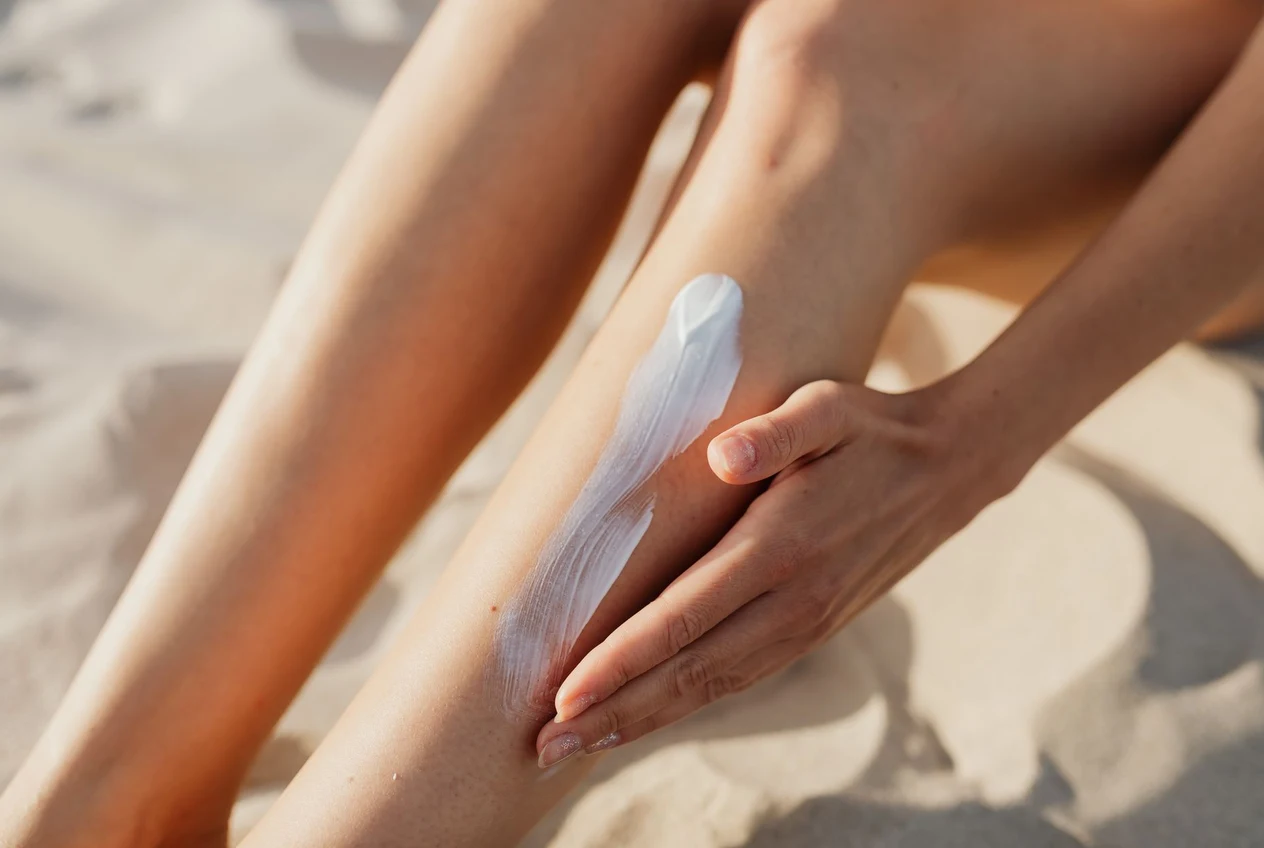
Skin cancer prevention is based on reducing exposure to ultraviolet radiation, using daily photoprotection, avoiding tanning beds and carrying out regular skin checks. Early diagnosis decisively improves the prognosis of melanoma and other skin cancers.
Can skin cancer be prevented?
To a large extent, yes.
Skin cancer is the most frequent tumour in human beings, but it is also one of the most preventable.
Most cases are related to the accumulated exposure to ultraviolet (UV) radiation, so adopting adequate habits can significantly reduce the risk of developing it.
In addition, when it is detected early, the chances of cure are very high.
What types of skin cancer exist?
The main ones are:
- Basal cell carcinoma: the most frequent and the least aggressive.
- Squamous cell carcinoma: with a greater capacity for invasion if not treated.
- Melanoma: the least frequent, but the most dangerous due to its capacity to produce metastases.
All of them can benefit from an early diagnosis.
Which people have a higher risk?
The following present a higher risk:
- People with fair skin (phototypes I and II).
- People with numerous moles.
- Personal or family history of melanoma.
- Repeated sunburns, especially in childhood.
- Intense or accumulated sun exposure over the years.
- Use of tanning beds.
- Immunosuppressed people.
- Patients with precancerous lesions, such as actinic keratoses.
Ultraviolet radiation: the main enemy
Ultraviolet radiation damages the DNA of the skin cells.
Although the organism has repair mechanisms, repeated exposure favours the accumulation of mutations that, over time, can give rise to a skin cancer.
This damage is cumulative.
Photoprotection is the most important measure
The best prevention consists of reducing unnecessary exposure to the sun.
It is recommended to:
- Use a broad-spectrum sunscreen (UVA and UVB).
- Choose an SPF 50 when the exposure is going to be prolonged.
- Apply it in sufficient quantity.
- Renew it every two hours during exposure.
- Reapply it after bathing or intense sweating.
Sunscreen should not be used to prolong the time of exposure to the sun.
Avoid the hours of maximum radiation
Whenever possible:
- Seek the shade.
- Avoid direct exposure during the central hours of the day.
- Plan outdoor activities at times of lower solar intensity.
Clothing also protects
Physical protection remains one of the most effective measures.
It is recommended to wear:
- A wide-brimmed hat.
- Approved sunglasses.
- Long-sleeved clothing when the exposure is prolonged.
- Garments with ultraviolet protection in high-risk people.
Never use tanning beds
UVA-ray beds clearly increase the risk of melanoma and of other skin cancers.
There is no safe artificial tan.
Learn to check your skin
It is advisable to carry out a self-examination once a month.
You should pay attention to:
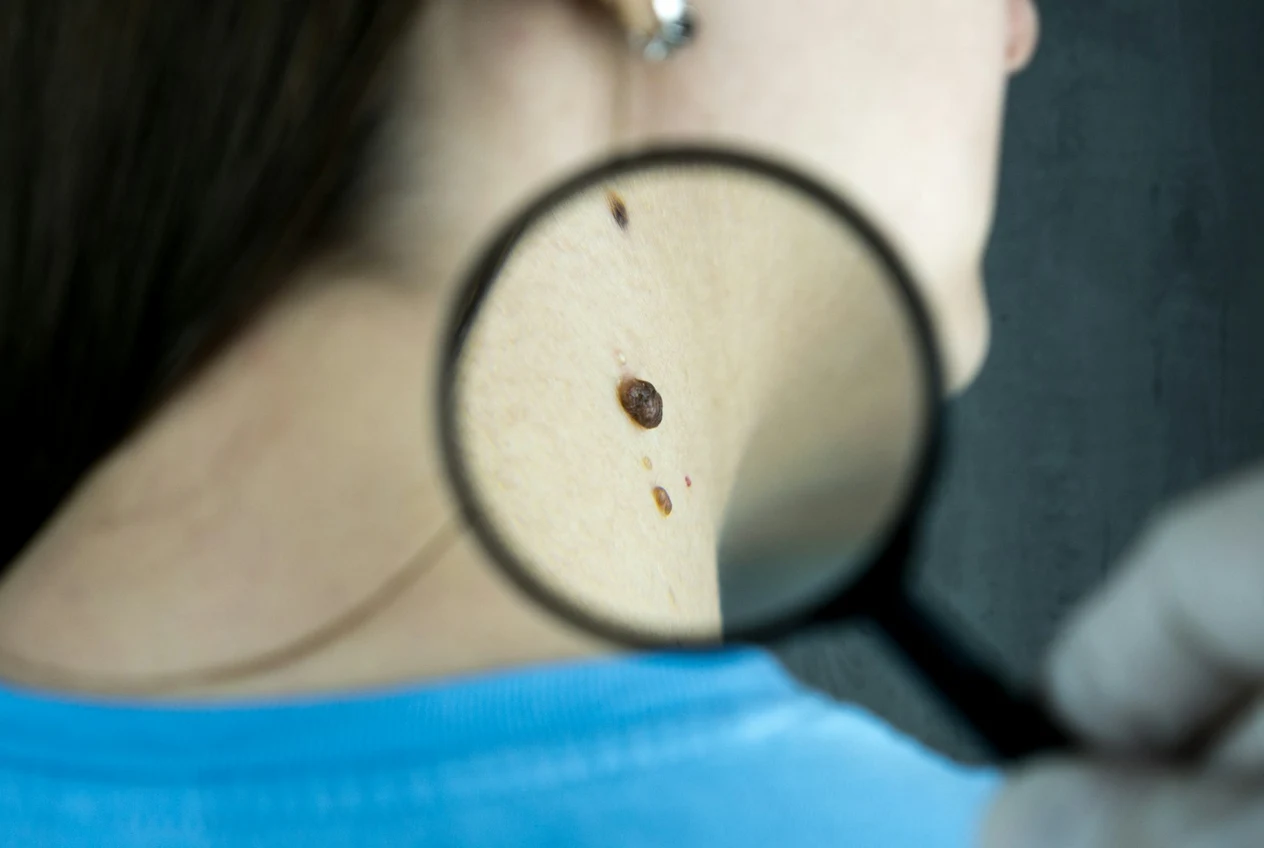
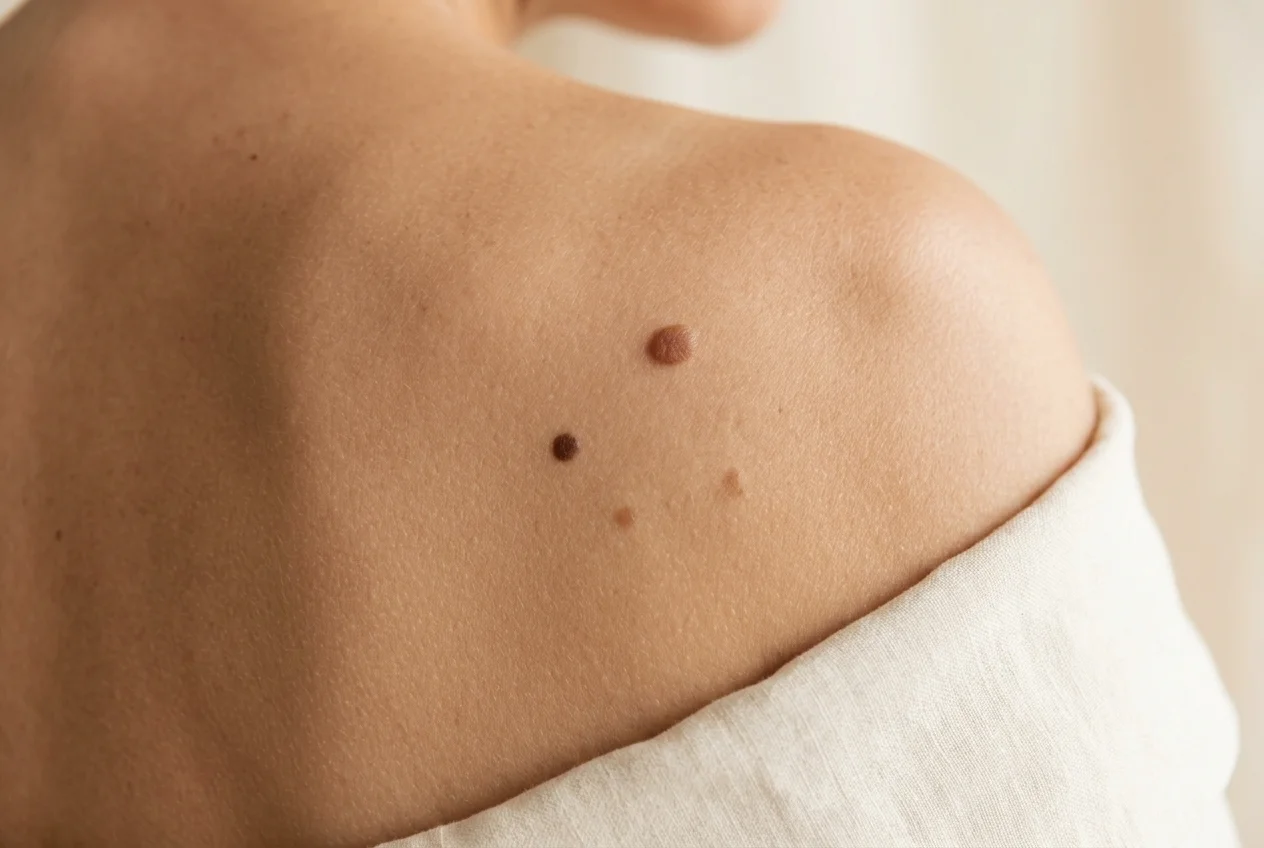
- New moles.
- Changes in size.
- Changes in colour.
- Irregular edges.
- Bleeding.
- Persistent crusts.
- Wounds that do not heal.
The ABCDE rule of melanoma
When faced with a suspicious mole, remember the ABCDE rule:
- A: Asymmetry.
- B: Irregular borders.
- C: Uneven colour.
- D: Diameter greater than 6 mm (although some melanomas are smaller).
- E: Evolution or recent changes.
Any lesion that changes deserves medical assessment.
How often should I visit the skin health specialist?
It depends on the individual risk.
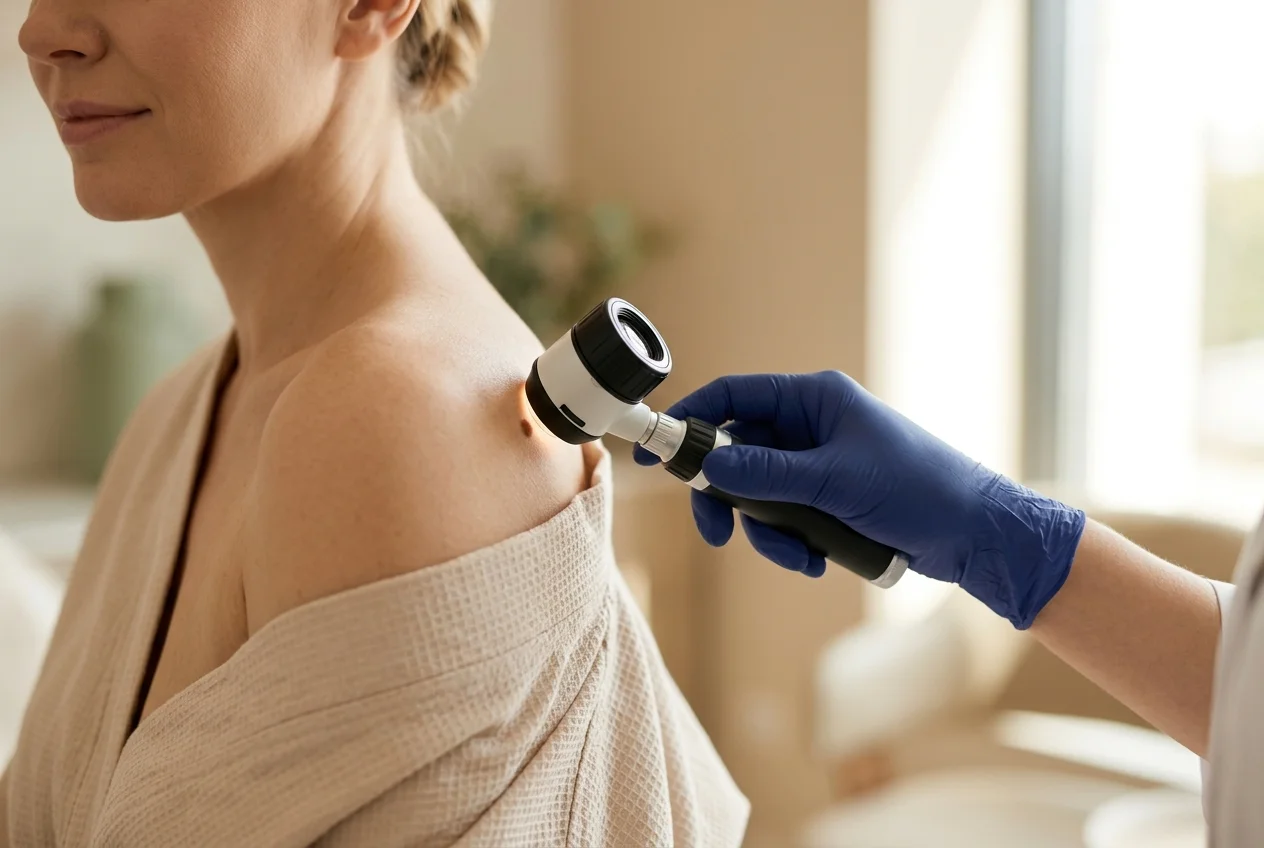
In people with important risk factors, periodic check-ups by digital dermatoscopy may be necessary.
The specialist will establish the most appropriate frequency.
Do children need photoprotection?
Yes.
Sunburns during childhood increase the risk of melanoma in adulthood.
Sun protection should begin from the first years of life.
Prevention is also part of longevity
Protected skin not only ages better.
It also reduces the risk of developing precancerous lesions and skin cancer.
Protecting the skin today means taking care of the health of the future.
Myths and facts
- Myth: If I am tanned I no longer need sunscreen. Fact: The tan offers very limited protection and does not prevent DNA damage.
- Myth: I only have to protect myself in summer. Fact: Ultraviolet radiation is present throughout the year.
- Myth: UVA-ray beds are safe. Fact: They increase the risk of melanoma and of other skin cancers.
- Myth: Melanoma always appears on a mole. Fact: Many melanomas appear on previously healthy skin.
- Myth: If a lesion does not hurt, it is not dangerous. Fact: Most early skin cancers do not produce pain.
The essential points to remember
- Skin cancer is, to a large extent, preventable.
- Ultraviolet radiation constitutes the main modifiable risk factor.
- Daily photoprotection and avoiding tanning beds are fundamental measures.
- Check your skin regularly and consult for any lesion that changes.
- Early diagnosis very importantly increases the chances of cure.
- Taking care of the skin today means protecting your health throughout life.
Frequently asked questions
What is the main risk factor for skin cancer?
The accumulated exposure to ultraviolet radiation.
Does sunscreen prevent all skin cancers?
It reduces the risk, but it must be combined with other photoprotection measures.
Should I check my moles?
Yes. It is advisable to carry out a monthly self-examination and to consult for any change.
Should children use sunscreen?
Yes, together with adequate clothing, a cap and shade.
What does the ABCDE rule mean?
It is a simple tool to identify moles suspicious of melanoma.
Is there ultraviolet radiation on cloudy days too?
Yes. An important part of the radiation passes through the clouds.
Can people with dark skin develop skin cancer?
Yes. Although the risk is lower, skin cancer can also appear.
Are tanning beds a safe alternative?
No. They clearly increase the risk of skin cancer.
How often should I visit the doctor specialised in skin health?
It depends on your individual risk and your history.
What is the best prevention?
The combination of daily photoprotection, self-examination and medical check-ups when indicated.
Need personalised guidance?
This guide is for information only and does not replace a medical consultation. For an assessment tailored to your case, you may request a consultation.
Request a consultation