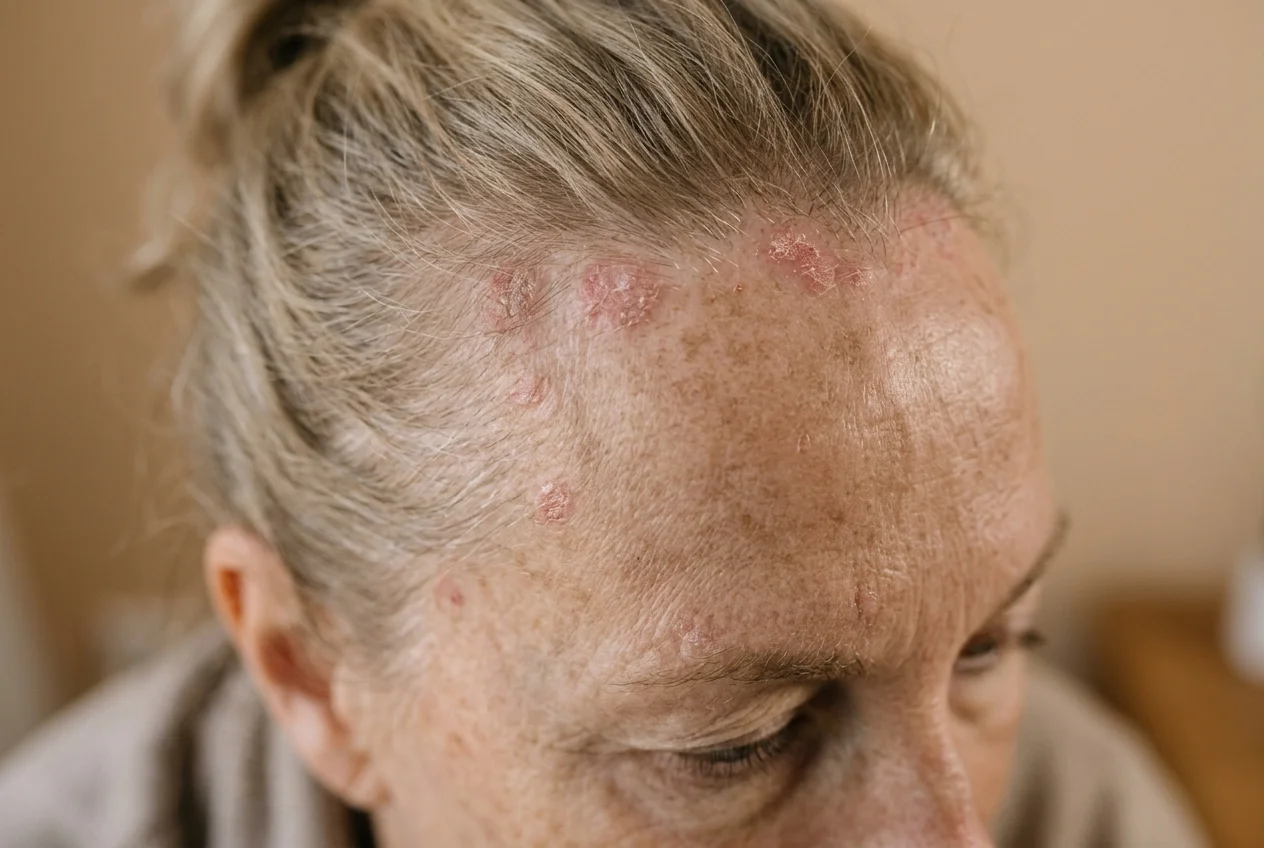
Daily routine and facial care: a medical guide to taking care of the skin correctly
Medical guide for healthy skin
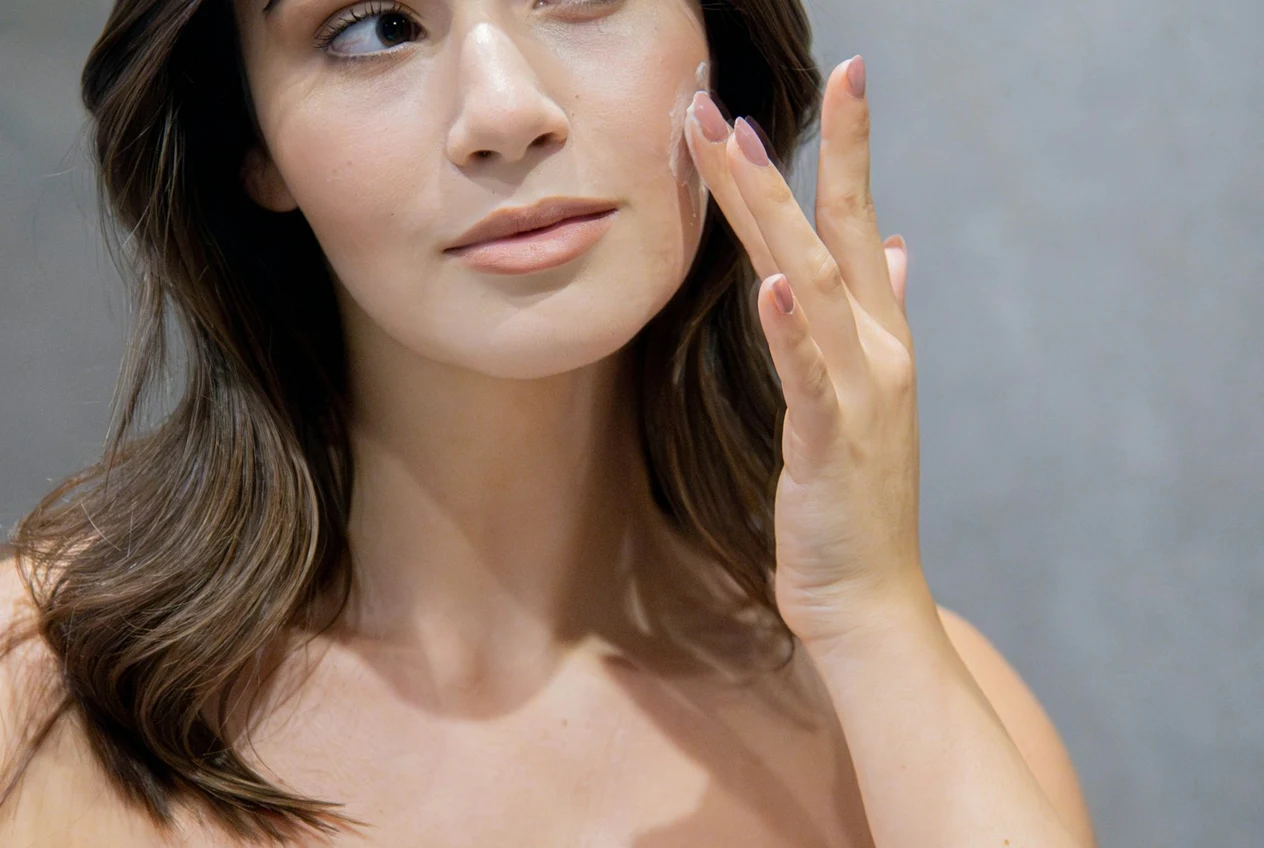
An effective facial routine does not need many products. Gentle cleansing, hydration, daily photoprotection and the use of specific active ingredients when they are indicated constitute the basis of facial care recommended by scientific evidence to maintain healthy skin and to prevent premature ageing.
The best routine is not the longest one, but the most appropriate one
Every day new products, ingredients and trends appear on social media.
However, from a medical point of view, a good facial routine does not consist of using ten or fifteen different cosmetics.
It consists of using the appropriate products, in the correct order and adapted to the skin type.
A simple, consistent and evidence-based routine usually offers better results than a complex routine that cannot be maintained over time.
Why is a daily routine important?
The skin is continuously exposed to:
- Ultraviolet radiation.
- Environmental pollution.
- Temperature changes.
- Stress.
- Friction.
- Cosmetics.
- Microorganisms.
An appropriate routine helps to:
- Maintain the barrier function.
- Reduce water loss.
- Protect against ageing.
- Improve the tolerance of the skin.
- Enhance medical skin treatments when they are necessary.
The four pillars of a good facial routine
Most people do not need dozens of products.
The four pillars are:
- Cleansing.
- Hydration.
- Photoprotection.
- Specific treatments when they are indicated.
Everything else is complementary.
Step 1. Cleansing
Cleansing removes:
- Sweat.
- Sebum.
- Residues of sunscreen.
- Pollution.
- Cosmetics.
- Impurities accumulated during the day.
It should be done with a gentle cleanser that respects the skin barrier.
Excessive cleansing can be as harmful as insufficient cleansing.
How many times a day should we wash our face?
In most people:
- In the morning: a gentle cleansing to remove the excess of oil and sweat accumulated during the night.
- At night: a more complete cleansing to remove sunscreen, make-up and pollution.
Washing the face repeatedly during the day usually does not provide benefits and can irritate the skin.
Step 2. Hydration
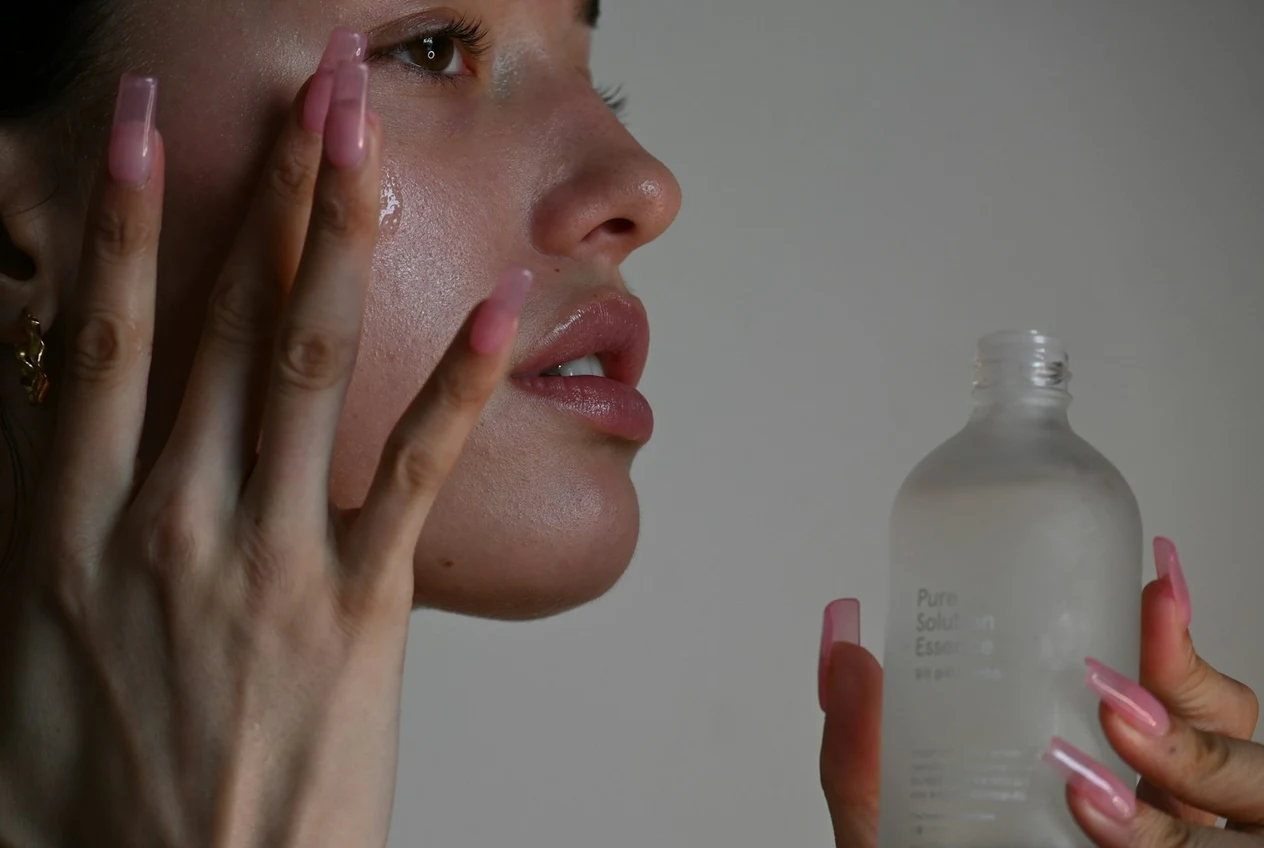
Hydration does not consist only of providing water.
Its objective is to maintain the barrier function and to reduce water loss through the skin.
A good moisturiser helps to:
- Decrease sensitivity.
- Improve elasticity.
- Favour repair.
- Reduce the sensation of tightness.
All skin types need hydration, even oily ones.
Step 3. Sunscreen
If we had to choose a single anti-ageing product with the greatest scientific support, it would be sunscreen.
Its daily use helps to prevent:
It should be applied every morning, even when it is cloudy or when spending a large part of the day indoors with exposure to natural light.
Step 4. Specific treatments
Not all people need the same active ingredients. The treatment must be adapted to the predominant problem. For example:
Acne: retinoids, azelaic acid, benzoyl peroxide, niacinamide.
Rosacea: azelaic acid, soothing ingredients, hydration, photoprotection.
Spots: vitamin C, tranexamic acid, azelaic acid, retinoids when they are indicated.
Ageing: retinoids, antioxidants, peptides, hydrating factors.
The choice must be individualised.
Is it necessary to use a serum?
Not necessarily.
A serum can be useful when it provides a specific ingredient that the skin needs.
It is not a compulsory step.
Is it necessary to use a toner?
In most cases, no.
Traditional toners made sense when cleansers were very aggressive.
Currently, many patients can do without them without any problem.
And the eye contour?
It is not always essential.
Many moisturisers can also be applied in this area if they are well tolerated.
Specific eye contours can be useful in certain situations, but they are not essential for everyone.
Which active ingredients have the greatest scientific support?
Among the ingredients with the most evidence the following stand out:
- Retinoids.
- Vitamin C.
- Niacinamide.
- Azelaic acid.
- Salicylic acid.
- Glycolic acid.
- Ceramides.
- Hyaluronic acid as a moisturiser.
- Peptides (with variable evidence depending on the type).
Not all of them are necessary at the same time.
Does more products mean better results?
No.
An excessively complex routine can produce:
- Irritation.
- Sensitivity.
- Contact dermatitis.
- Alteration of the barrier function.
In the field of skin health a simple rule usually applies: consistency is more important than the quantity of products.
How does the routine change according to age?
Adolescence. The main objective is usually to control oil and to prevent acne.
Young adults. Preventive strategies against photoageing are incorporated.
From the age of 40-50. Greater attention is paid to hydration, barrier repair, collagen stimulation and the prevention of spots.
Chronological age is less important than the real needs of the skin.
Which mistakes are made most frequently?
- Sleeping with make-up.
- Not using sunscreen.
- Constantly changing cosmetics.
- Introducing many actives at once.
- Over-exfoliating the skin.
- Copying routines seen on social media without professional advice.
- Thinking that an expensive product is always better.
When should we consult?
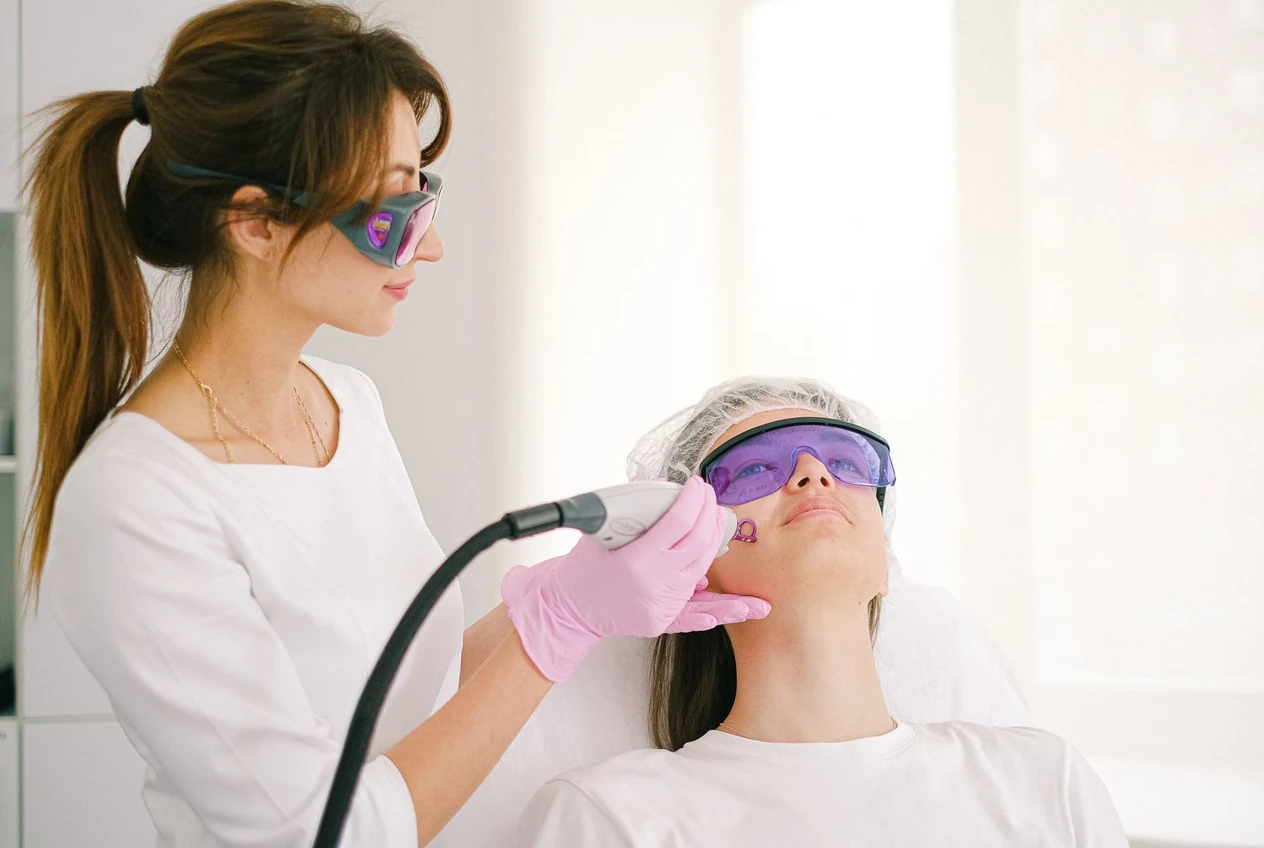
It is advisable to consult a doctor specialised in skin health when:
- The acne does not improve.
- New spots appear.
- There is a persistent rosacea.
- There is continuous irritation.
- One wishes to start personalised anti-ageing treatments.
- Suspicious pigmented lesions are observed.
A home routine never replaces a medical assessment when a disease exists.
Recommended basic routine
In the morning:
- Gentle cleansing.
- Antioxidant (if indicated).
- Moisturiser.
- Sunscreen.
At night:
- Cleansing.
- Specific treatment (if indicated).
- Moisturiser.
In most people, this routine is sufficient to maintain healthy skin.
Myths and facts
- Myth: The more products I use, the better results I will get. Fact: A simple and consistent routine is usually much more effective.
- Myth: Oily skin does not need hydration. Fact: All skin types need to maintain a healthy barrier function.
- Myth: Sunscreen is only used in summer. Fact: It should be part of the daily routine throughout the year when there is exposure to ultraviolet radiation.
- Myth: Expensive products always work better. Fact: Efficacy depends on the ingredients, the formulation and the indication, not only on the price.
- Myth: Social media replaces medical advice. Fact: Many viral routines lack scientific evidence and can cause irritation or worsen skin diseases.
The essential points to remember
- A good facial routine must be simple, consistent and personalised.
- The four pillars are: cleansing, hydration, photoprotection and specific treatments when they are necessary.
- Sunscreen is the product with the greatest scientific support to prevent skin ageing.
- Not all skin types need the same ingredients or the same number of products.
- An excessively complex routine can irritate the skin and alter its barrier function.
- The best cosmetic remains the daily use of sunscreen accompanied by healthy lifestyle habits.
Frequently asked questions
How many products do I need?
In most cases, between three and four are enough.
Should I cleanse the skin twice a day?
Yes, usually in the morning and at night.
Is the serum essential?
No.
What is the most important cosmetic?
Sunscreen is the product with the most evidence to prevent photoageing.
Can I use retinoids all year round?
Yes, as long as they are well indicated and accompanied by adequate photoprotection.
Do oily skin types need moisturiser?
Yes.
How often should I exfoliate the skin?
It depends on the skin type and the product used. In general, excessive exfoliation is harmful.
When should I start an anti-ageing routine?
Prevention begins long before the first wrinkles appear. Daily photoprotection is the best preventive strategy.
Is a complicated routine better?
No. What matters is that it is effective, consistent and adapted to each person.
What is the best facial routine?
The one that responds to the needs of your skin and can be maintained for years.
Need personalised guidance?
This guide is for information only and does not replace a medical consultation. For an assessment tailored to your case, you may request a consultation.
Request a consultationTopics