Environmental pollution and skin ageing: the invisible enemy of the skin
How pollution affects the skin
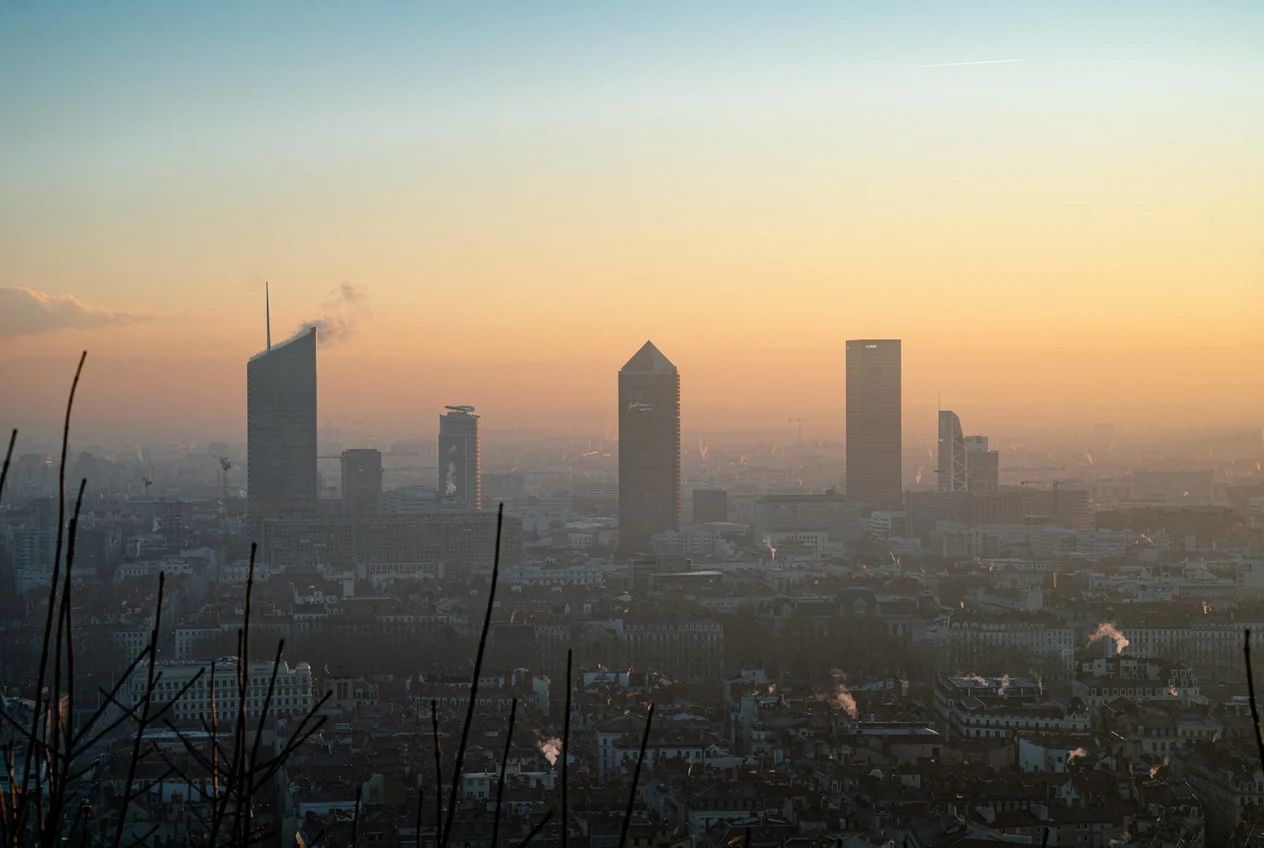
Environmental pollution favours skin ageing through oxidative stress, inflammation and alteration of collagen. Although the sun remains the main environmental factor of ageing, protecting the skin against pollution through adequate cleansing, photoprotection and healthy habits contributes to keeping healthy skin for longer.
Pollution also ages the skin
When we talk about skin ageing, we usually think of the sun, tobacco or the passage of time.
However, there is another factor that is receiving more and more attention from scientific research: environmental pollution.
Although we cannot see it, the continued exposure to pollution can accelerate skin ageing, favour the appearance of spots and contribute to skin inflammation.
Today we know that protecting the skin does not consist only of using sunscreen, but also of reducing, as far as possible, the impact of the environment in which we live.
What do we understand by environmental pollution?
Air pollution is formed by a mixture of substances coming mainly from:
- Road traffic.
- Industry.
- The combustion of fossil fuels.
- Forest fires.
- Heating systems.
- Some agricultural activities.
Among the most studied pollutants are:
- Fine particles (PM2.5 and PM10).
- Tropospheric ozone.
- Nitrogen dioxide.
- Polycyclic aromatic hydrocarbons.
- Heavy metals.
- Volatile organic compounds.
How does pollution affect the skin?
The skin constitutes the first barrier against the environment.
Every day it is exposed to millions of microscopic particles that can be deposited on its surface.
Prolonged exposure favours:
- Oxidative stress.
- Chronic low-grade inflammation.
- Alteration of the barrier function.
- Damage to cellular DNA.
- Alteration of collagen and elastin.
- Premature ageing.
These mechanisms have been widely described in the scientific literature.
Pollution and free radicals
One of the main mechanisms of damage is the formation of free radicals.
These unstable molecules injure different cellular structures and favour:
- The degradation of collagen.
- The loss of elasticity.
- Cellular ageing.
- Inflammation.
Our organism has antioxidant systems to defend itself, but a continuous exposure can exceed that protection capacity.
Can it produce spots?
Yes.
Various studies have observed that people exposed for years to higher levels of pollution present more frequently:
- Solar lentigines.
- Hyperpigmentation.
- Alterations of the skin tone.
Ultraviolet radiation continues to be the main cause of these lesions, but pollution can enhance their appearance.
Does it favour wrinkles?
Yes.
Pollution contributes to skin ageing through several mechanisms:
- Oxidative stress.
- Persistent inflammation.
- Degradation of collagen.
- Alteration of the barrier function.
Although its effect is usually less than that of the sun or tobacco, daily exposure over years can have a cumulative impact.
Diseases that can worsen
In some people, pollution can favour flare-ups or worsen diseases such as:
- Atopic dermatitis.
- Rosacea.
- Acne.
- Contact eczema.
- Sensitive skin.
It is not usually the sole cause, but a factor that can contribute to inflammation.
Pollution and acne
Polluting particles can favour:
- Greater oxidative stress.
- Inflammation of the pilosebaceous follicle.
- Alteration of the balance of the skin microbiota.
In some people this can favour a worsening of acne.
Urban skin
In the field of skin health, the so-called urban skin is frequently spoken of.
It is characterised by presenting more frequently:
- A dull appearance.
- An irregular tone.
- Loss of luminosity.
- Dryness.
- Increased sensitivity.
- Signs of premature ageing.
These changes do not depend only on pollution, but also on stress, ultraviolet radiation, insufficient sleep and other factors typical of life in large cities.
How can we protect the skin?
Although we cannot always avoid pollution, we can diminish part of its effects.
The most advisable measures include:
- Cleansing the skin gently at the end of the day.
- Using sunscreen daily.
- Maintaining good skin hydration.
- Following a diet rich in fruits and vegetables.
- Avoiding tobacco.
- Sleeping adequately.
- Practising physical exercise regularly.
Healthy skin resists the aggressions of the environment better.
Do antioxidants help?
Antioxidants are part of the natural defence mechanisms of the organism.
A diet rich in plant foods provides numerous antioxidant compounds.
Some cosmetics also incorporate topical antioxidants.
They can be part of a global protection strategy, but they do not replace photoprotection nor do they completely eliminate the effect of pollution.
Should we become obsessed?
No.
Pollution is one more factor within skin ageing.
The factors with the greatest impact continue to be:
- Ultraviolet radiation.
- Tobacco.
- Lack of sleep.
- Poor diet.
- Chronic stress.
The best strategy consists of controlling what does depend on us.
Myths and facts
- Myth: Pollution only affects the lungs. Fact: It can also affect the skin through inflammation and oxidative stress.
- Myth: If I live in a city, my skin is doomed. Fact: No. A healthy lifestyle reduces much of the environmental impact.
- Myth: Washing the face many times eliminates pollution. Fact: A gentle cleansing is enough. Excessive cleansing can damage the barrier function.
- Myth: Antioxidant cosmetics replace sunscreen. Fact: No. They are complementary strategies.
- Myth: Pollution ages more than the sun. Fact: Ultraviolet radiation continues to be the main environmental factor of skin ageing.
The essential points to remember
- Environmental pollution is a recognised factor of skin ageing.
- It acts mainly through oxidative stress and inflammation.
- It can favour spots, loss of luminosity and deterioration of collagen.
- Some diseases such as rosacea, atopic dermatitis or acne can worsen with environmental exposure.
- Gentle cleansing, photoprotection, hydration and a diet rich in antioxidants help to protect the skin.
- The sun remains the main environmental factor responsible for skin ageing, so sun protection continues to be a priority.
Frequently asked questions
Does pollution age the skin?
Yes. The scientific evidence indicates that it favours oxidative stress and accelerates some signs of ageing.
Does it produce spots?
It can contribute to their appearance, especially together with sun exposure.
Can it worsen rosacea?
Yes. In some people it favours inflammation and flare-ups.
Does acne worsen with pollution?
It can happen in certain predisposed people.
Is it important to cleanse the skin at night?
Yes. It helps to remove polluting particles, residues of sunscreen and other impurities accumulated during the day.
Are antioxidants useful?
They can help as a complement within a global protection strategy.
What protects most against ageing?
The combination of photoprotection, not smoking, sleeping well, exercising, maintaining a balanced diet and taking care of the barrier function of the skin.
Should I worry if I live in a city?
You should not worry, but you should adopt healthy habits that help to protect the skin.
Does pollution affect all people equally?
No. Genetics, age, skin type and the presence of skin diseases influence the individual response.
Can it be completely prevented?
No, but it is possible to reduce part of its impact through a healthy lifestyle and adequate care.
Need personalised guidance?
This guide is for information only and does not replace a medical consultation. For an assessment tailored to your case, you may request a consultation.
Request a consultation