
Solar lentigines are benign spots caused by accumulated sun damage. Discover how to distinguish them from other pigmented lesions, how to prevent them and which treatments are most effective to remove them.
What are solar lentigines?
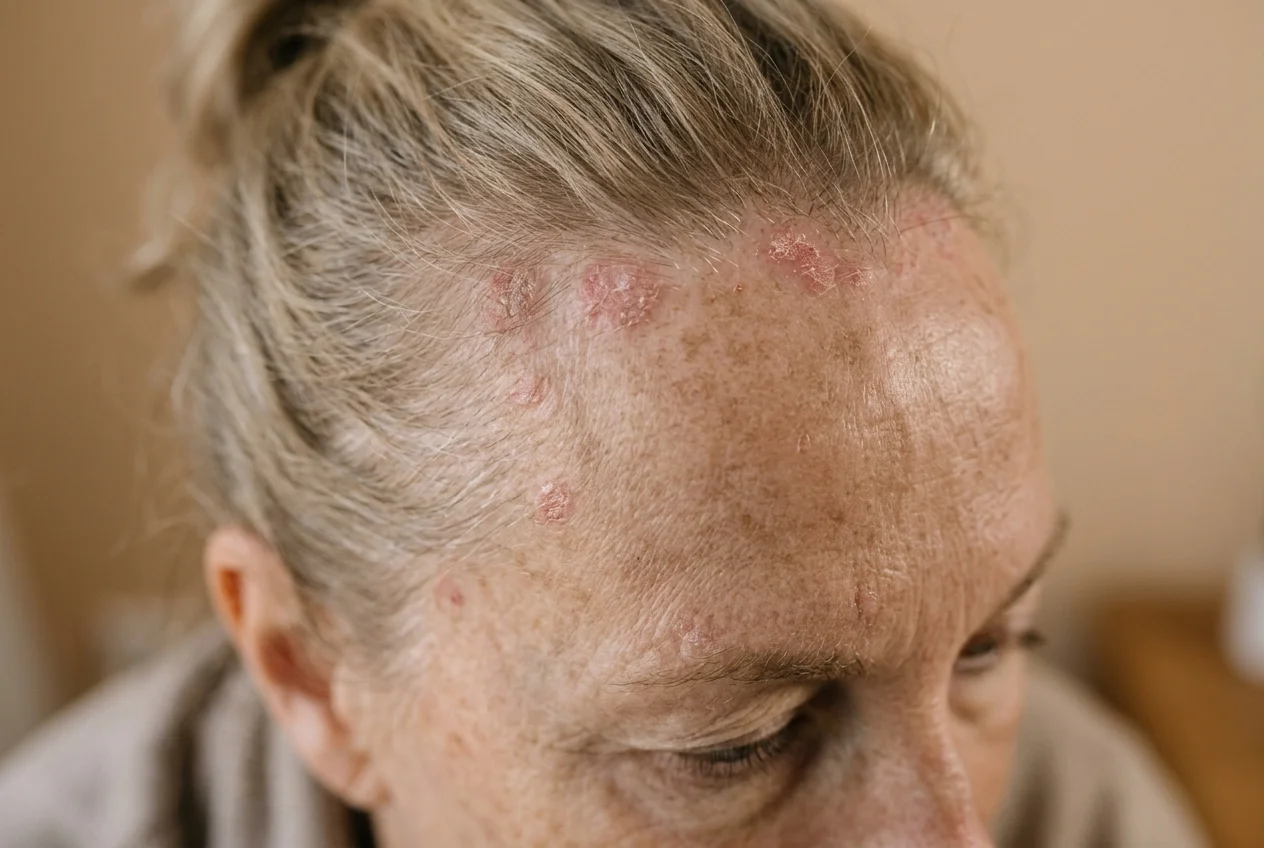
Solar lentigines, also known as sun spots or age spots, are flat spots of light brown, dark brown or black colour that appear on the skin as a consequence of accumulated sun exposure over the years.
They are a completely benign and very common lesion from the age of 40, although they can appear earlier in people with intense sun exposure.
Unlike freckles, solar lentigines do not usually disappear during the winter and remain visible throughout the year.
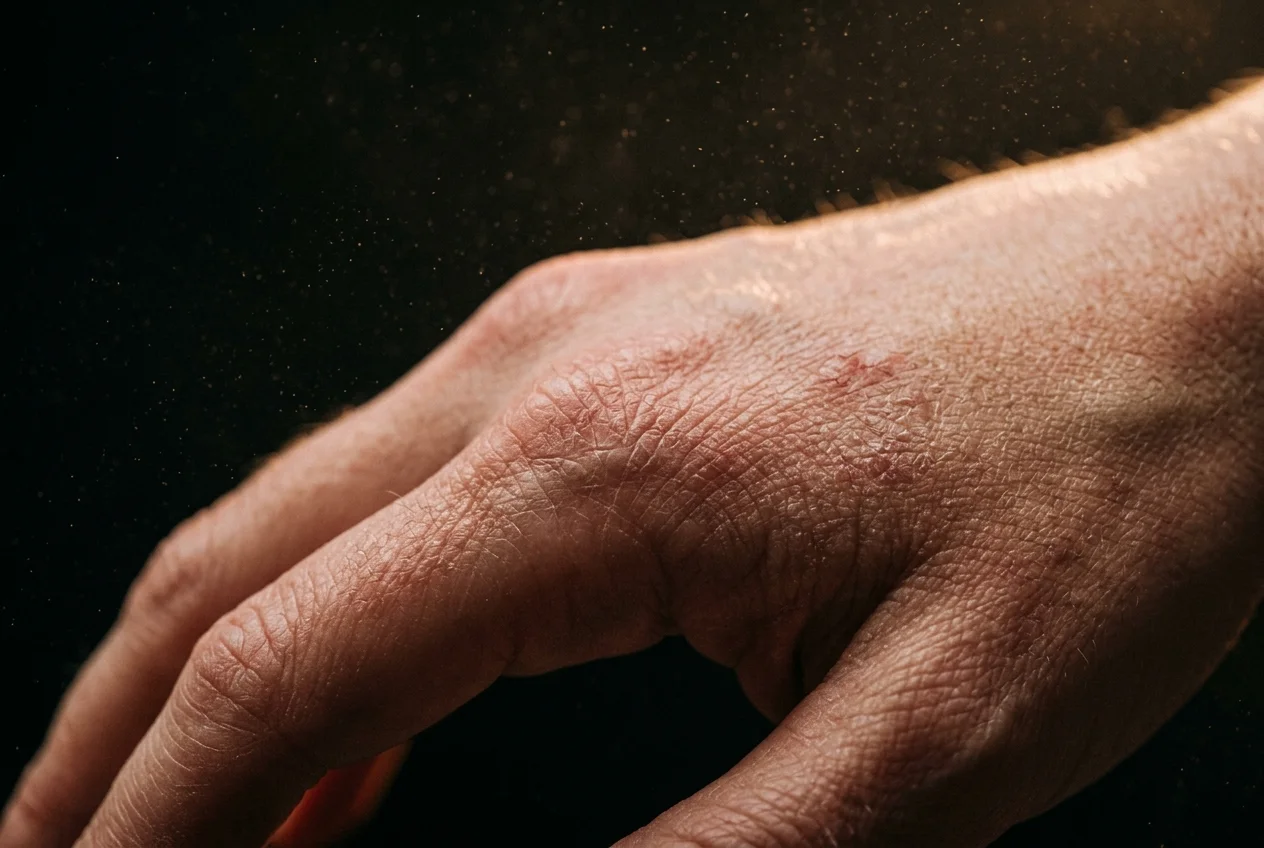
The most common locations are: the face, the back of the hands, the décolletage, the shoulders and the forearms.
Solar lentigines are not skin cancer, but they indicate that the skin has received a significant amount of ultraviolet radiation and that there is a higher risk of developing other lesions related to sun damage.
Why do they appear?
This is one of the most usual questions in consultation. The answer is simple: solar lentigines are the result of damage accumulated from the sun over many years.
Each sun exposure leaves a small «imprint» on the skin. Over time, this damage causes some melanocytes to produce a localised excess of melanin, giving rise to the spots.
Why do they appear with age? Because the effect of ultraviolet radiation is cumulative. It is not age that produces lentigines, but the years of sun exposure.
Why do some people have many and others almost none? Several factors are involved: the amount of sun received throughout life, the skin type, genetic predisposition and photoprotection habits. Fair-skinned people usually develop them more easily.
Why do they keep appearing even after I have removed some? Because treatment removes the existing spots, but does not erase the accumulated sun damage nor prevent new lesions from appearing if sun exposure continues.
What are the symptoms?
Solar lentigines have very typical characteristics:
- Flat spots.
- Uniform light brown, dark brown or black colour.
- Well-defined borders.
- A rounded or oval shape.
- A variable size, from a few millimetres to more than a centimetre.
They do not cause pain, itching, bleeding or scaling.
Their main impact is usually aesthetic.
How is it diagnosed?
In most cases, diagnosis is made through clinical examination. The doctor will usually use a dermatoscope, which allows solar lentigines to be differentiated from other pigmented lesions.
It is important to distinguish them from: freckles (ephelides), moles (nevi), seborrhoeic keratoses, pigmented actinic keratoses and melanoma.
If there is any diagnostic doubt, a biopsy may be necessary.
What treatments are available?
One of the most frequent questions is: «Can they be removed?» Yes. There are very effective treatments when the objective is to improve the aesthetic appearance.
Photoprotection
It is the basis of prevention. Daily use of sunscreen helps prevent the appearance of new spots and limits the darkening of existing ones.
Depigmenting creams
Some active ingredients can partially lighten lentigines: hydroquinone, retinoids, azelaic acid, vitamin C, kojic acid. The results are usually modest compared to physical treatments.
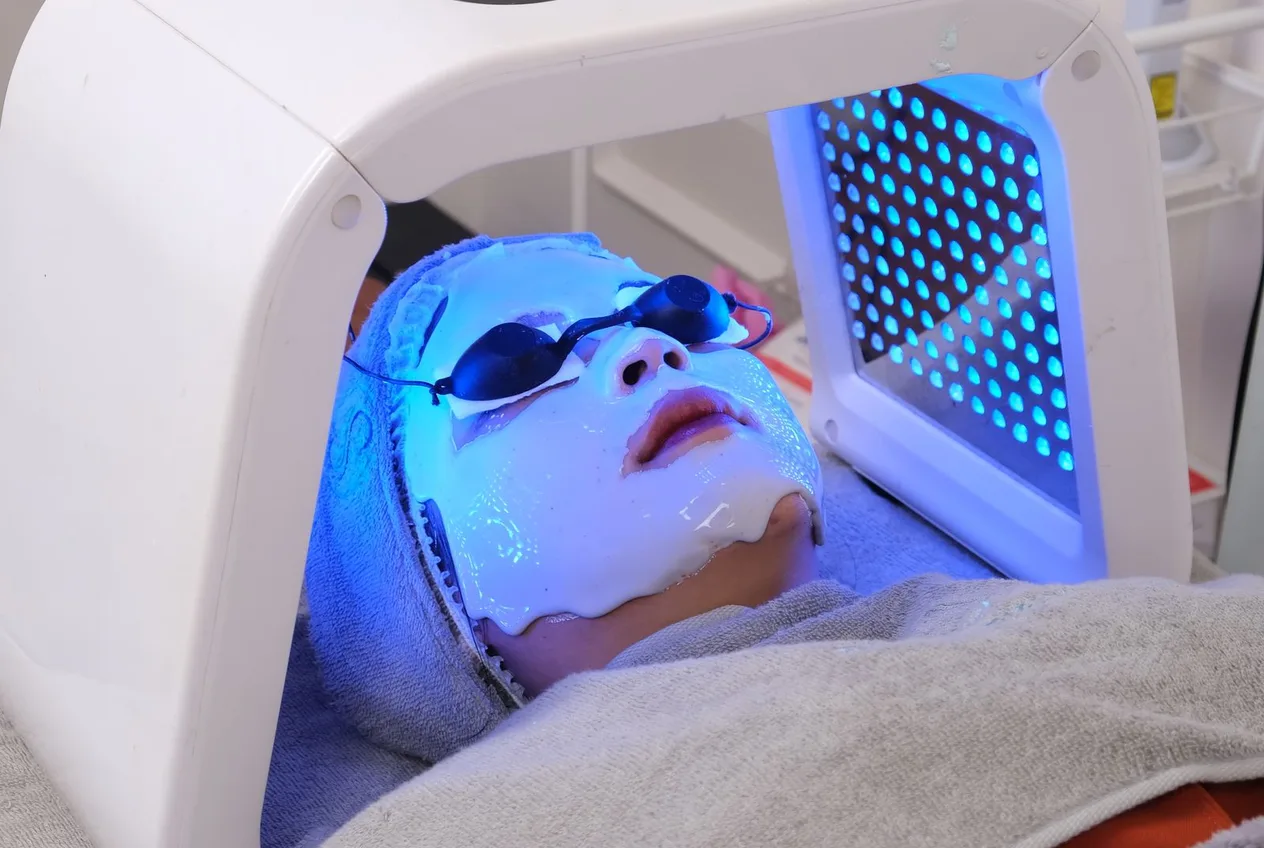
Intense Pulsed Light (IPL)
It is one of the most effective treatments when there are multiple lentigines on the face, décolletage or hands.
Pigment laser
Various types of laser make it possible to remove the spots very precisely, generally with excellent results.
Cryotherapy
In some isolated cases, liquid nitrogen may be used to treat certain lesions.
Why do they reappear? Because treatment removes the visible spots, but the accumulated sun damage remains. Without adequate sun protection, new lentigines can develop over time.
What can you do day to day?
To prevent new spots, it is advisable to:
- Apply sunscreen SPF 50+ every day.
- Wear a hat and sunglasses during prolonged exposure.
- Avoid the sun during the central hours of the day.
- Maintain an adequate skincare routine.
- Consult periodically if you have numerous pigmented lesions.
The best way to treat solar lentigines is to prevent their appearance.
When should you seek prompt medical advice?
Seek medical assessment if a spot:
- Rapidly changes in size.
- Changes colour.
- Has several colours.
- Has irregular borders.
- Bleeds.
- Ulcerates.
- Causes persistent itching.
Although most sun spots are benign, it is important to rule out melanoma or other malignant lesions when changes appear.
Myths and facts
- Myth: Sun spots are simply a normal sign of ageing. Fact: They are a consequence of accumulated sun damage, not of ageing on its own.
- Myth: All brown spots are the same. Fact: There are many types of pigmented lesions and some require medical assessment.
- Myth: If I remove a spot, they will no longer appear. Fact: New lesions can appear if sun exposure continues.
- Myth: They only appear in older people. Fact: They can also develop in young people with intense sun exposure.
- Myth: There is no need to protect against the sun in winter. Fact: Daily photoprotection remains important throughout the year.
The key points to remember
- Solar lentigines are benign spots produced by accumulated sun damage.
- They do not disappear spontaneously during the winter.
- They are not skin cancer, but they reflect significant sun exposure.
- Daily photoprotection is the best way to prevent new lesions.
- There are very effective treatments, such as laser and intense pulsed light (IPL).
- Any spot that changes in appearance should be assessed by a doctor.
Frequently asked questions
Are solar lentigines dangerous?
No. They are benign lesions.
Can they turn into skin cancer?
No. However, they indicate that the skin has suffered significant sun damage, so it is advisable to periodically check the rest of the skin lesions.
How do they differ from freckles?
Freckles appear from an early age and usually lighten in winter. Lentigines appear over the years and remain visible throughout the year.
What is the best treatment?
It depends on each case. Laser and intense pulsed light (IPL) offer excellent results in many patients.
Do creams work?
They can partially lighten some spots, although they are usually less effective than device-based treatments.
Does sunscreen remove the spots?
No, but it prevents them from darkening and reduces the appearance of new lesions.
Should I check these spots?
Yes, especially if their appearance changes or if you have many pigmented lesions.
Can I prevent them?
Yes. Daily photoprotection significantly reduces the risk of developing new lentigines.
Can they appear on the hands?
Yes. It is one of the most common locations.
Can I lead a normal life?
Of course. It is only advisable to maintain adequate sun protection and have medical check-ups when necessary.
Need personalised guidance?
This guide is for information only and does not replace a medical consultation. For an assessment tailored to your case, you may request a consultation.
Request a consultation