Intense Pulsed Light (IPL)
Pulses of light to treat spots, redness and photoageing
Intense Pulsed Light (IPL) is a medical technology that improves sun spots, redness, small vascular lesions and the general quality of the skin through pulses of light adapted to each patient.
What is Intense Pulsed Light (IPL)?
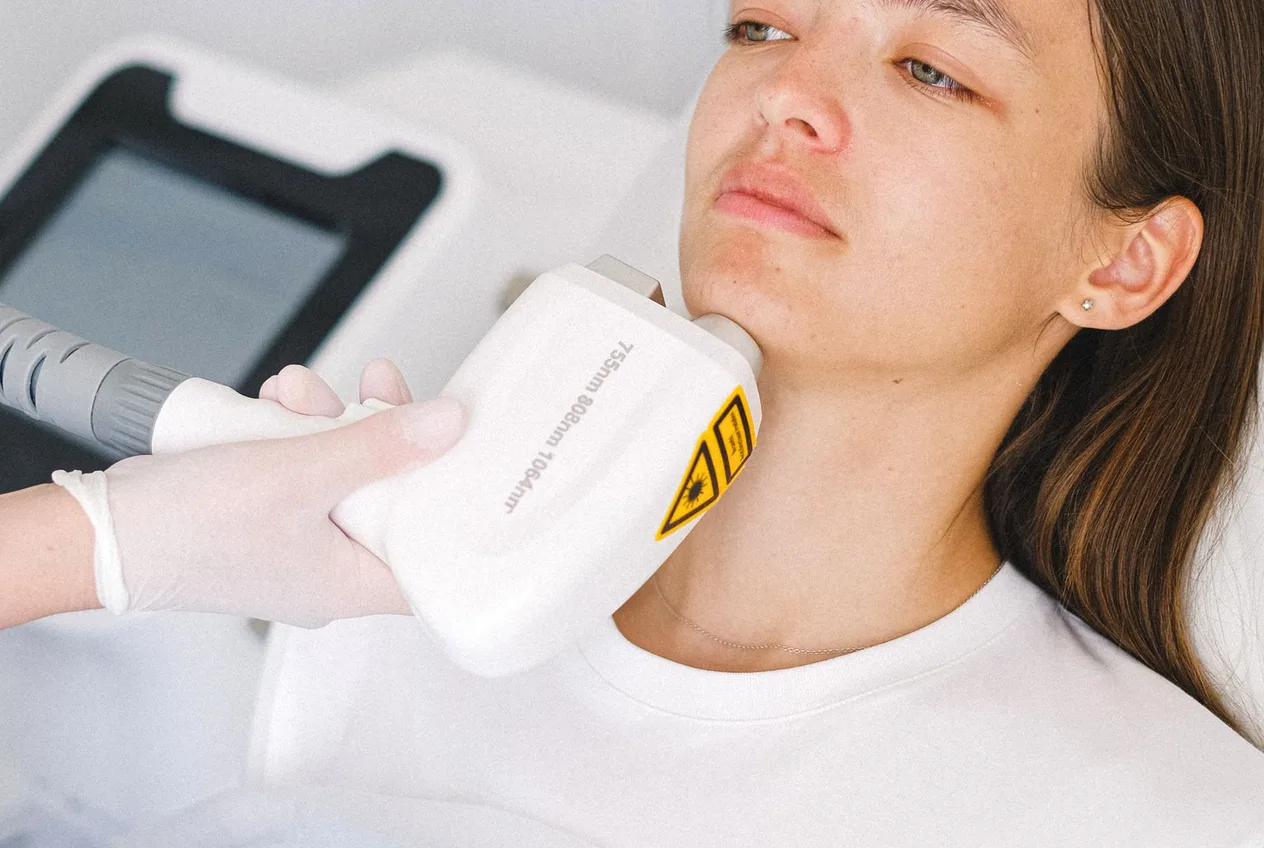
Intense Pulsed Light (IPL) is a medical technology that uses pulses of light of different wavelengths to treat various alterations of the skin.
Unlike a laser, which emits a single wavelength, IPL emits a spectrum of light that can be adapted to different indications by means of specific filters.
It is used to improve photoageing, certain spots, superficial vascular lesions and the general quality of the skin.
How does it act?
The light energy is selectively absorbed by different structures of the skin, mainly:
- Melanin (pigment).
- Haemoglobin (blood vessels).
This phenomenon makes it possible to treat certain lesions while respecting the neighbouring tissues and also stimulating collagen production. As a consequence, the skin may present:
- A more uniform tone.
- Greater luminosity.
- Better texture.
- A decrease of small pigmented and vascular lesions.
What problems can it treat?
IPL may be indicated to improve:
- Photoageing.
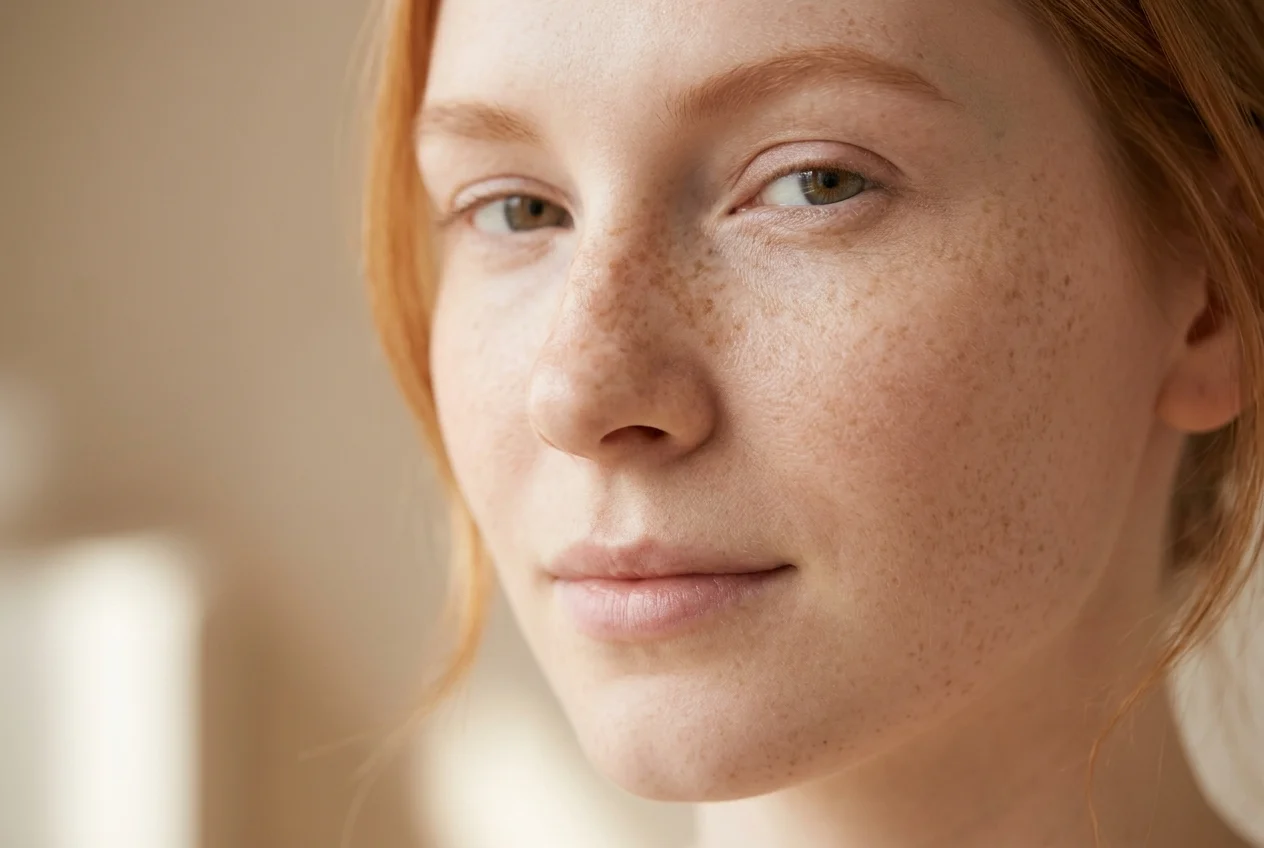
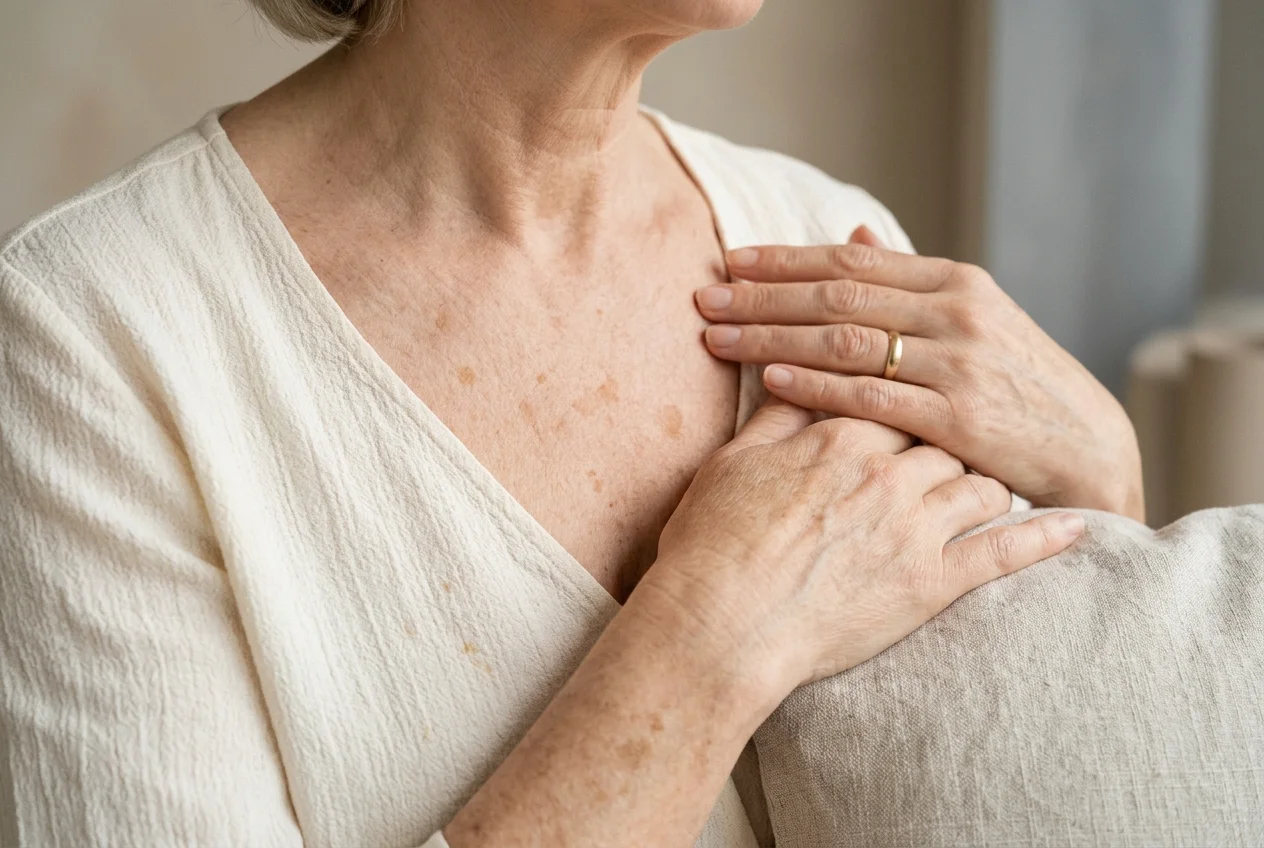
- Sun spots.
- Freckles.
- Facial erythema.
- Selected vascular rosacea.
- Superficial telangiectasias.
- Diffuse redness.
- Mild tone alterations.
- Dull skin.
- Some initial signs of skin ageing.
The indication will depend on the type of skin and the medical diagnosis.
In which areas can it be applied?
IPL can be used in:
- Face.
- Neck.
- Décolletage.
- Back of the hands.
- Some selected body areas.
Each area requires a specific configuration of the equipment.
Who can benefit?
It may be indicated in people who:
- Present accumulated sun damage.
- Wish to improve the tone of the skin.
- Have small pigmented lesions.
- Present facial redness or small vascular lesions.
- Seek a rejuvenation with little recovery time.
Not all phototypes are candidates. The selection of the patient is fundamental to guarantee safety.
How is the treatment performed?
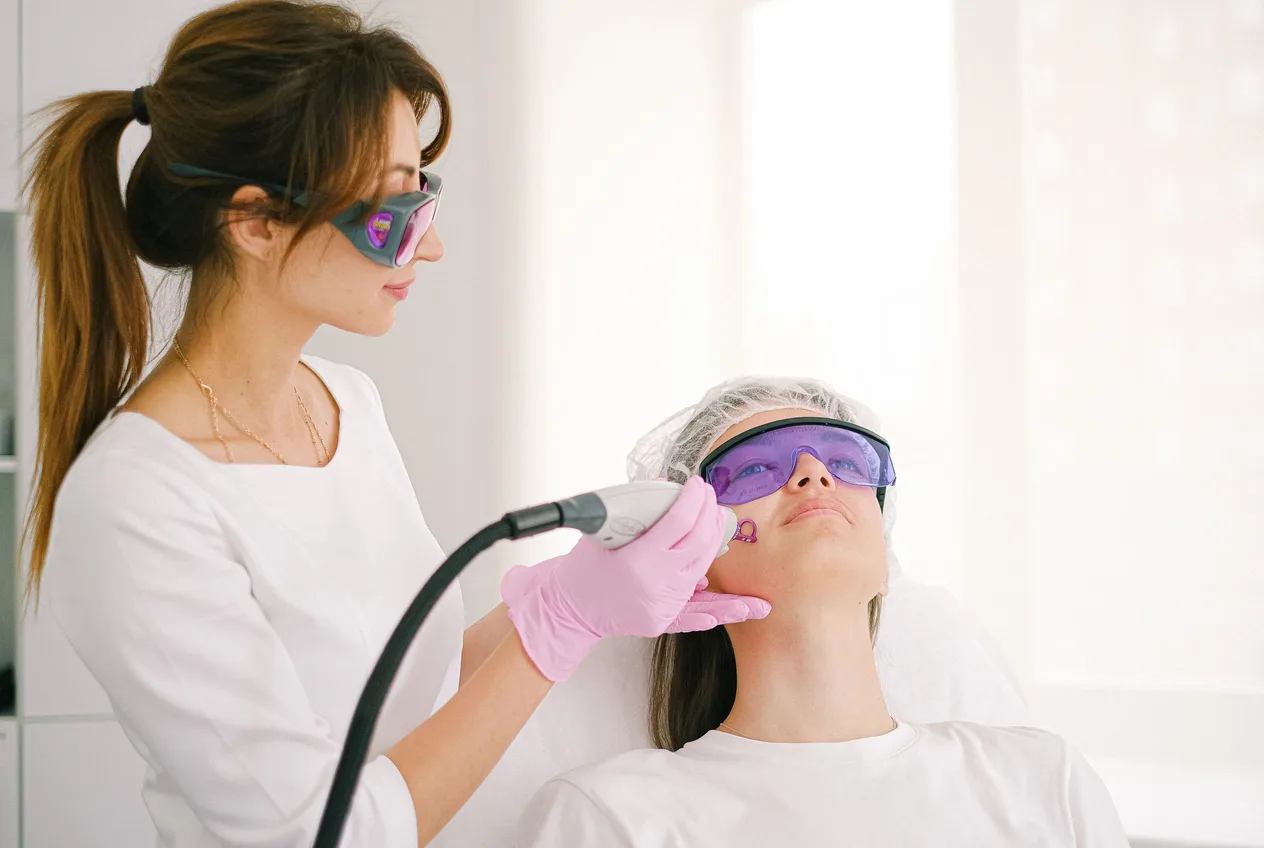
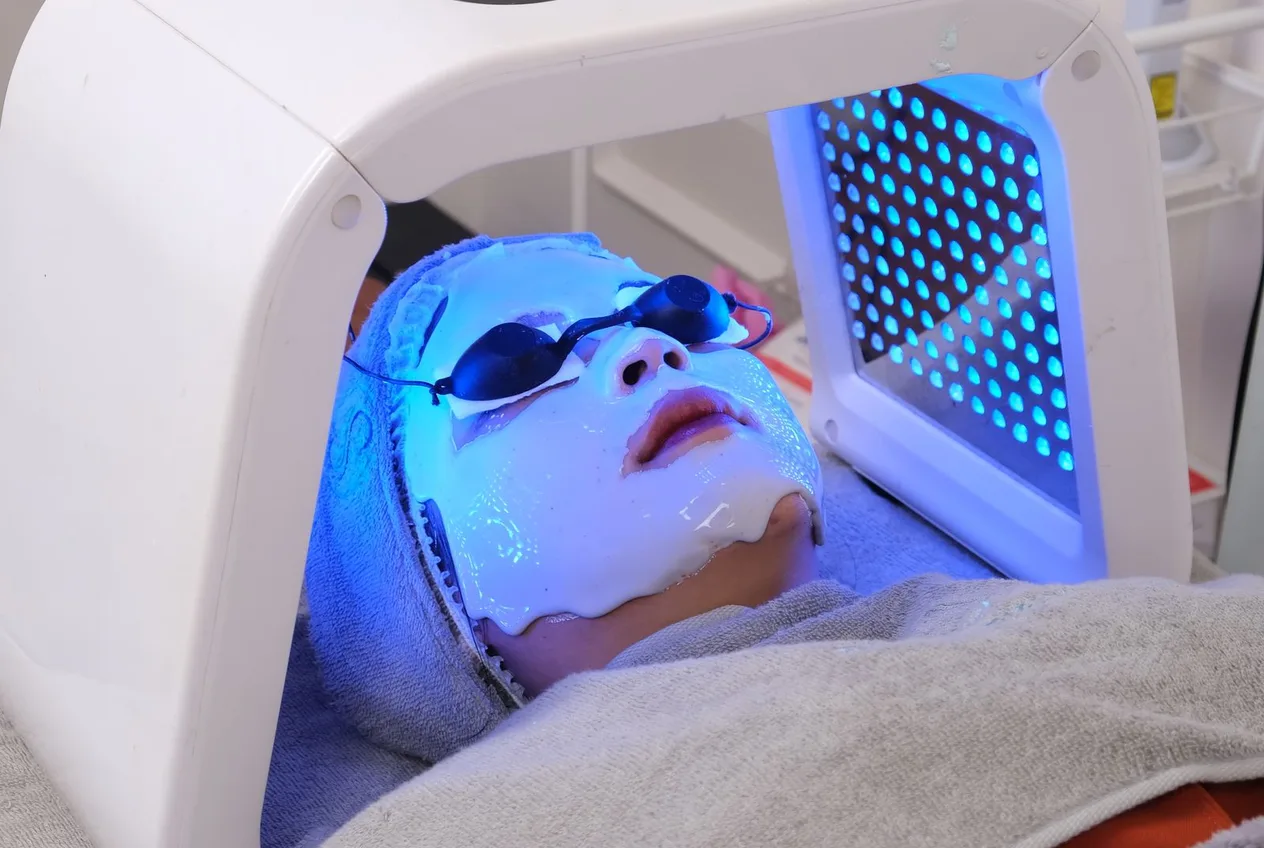
After cleaning the skin and protecting the eyes with specific glasses, the doctor applies a series of light pulses over the area to be treated.
During the procedure, a brief sensation of heat or small elastic snaps on the skin may be perceived.
The session usually lasts between 20 and 40 minutes, depending on the treated extent.
What happens after the treatment?
It is frequent to observe:
- Mild redness.
- Sensation of heat.
- Temporary darkening of some spots.
- Slight inflammation.
The treated spots may darken for a few days before progressively disappearing.
When are the results observed?
The results appear progressively. In the following weeks many patients observe:
- Greater luminosity.
- Better uniformity of the tone.
- Decrease of superficial spots.
- Reduction of redness.
- Better quality of the skin.
Several sessions are frequently recommended to obtain an optimal result.
How long do the results last?
The duration depends on:
- Sun exposure.
- The use of photoprotection.
- Lifestyle habits.
- The degree of photoageing.
- The protocol performed.
Maintenance sessions can help to preserve the results in the long term.
What benefits does it offer?
IPL makes it possible to:
- Improve the tone of the skin.
- Reduce sun spots.
- Decrease small vascular lesions.
- Improve luminosity.
- Favour collagen production.
- Achieve more uniform and healthy-looking skin.
Are there side effects?
Like any medical procedure, there may appear:
- Redness.
- Mild inflammation.
- Transient darkening of the spots.
- Temporary pigmentation changes.
- Mild discomfort during the first hours.
Complications are infrequent when the treatment is correctly indicated and performed by an experienced doctor.
What care should be followed afterwards?
After the treatment it is usually recommended to:
- Use broad-spectrum sunscreen every day.
- Avoid direct sun exposure.
- Maintain a good hydration of the skin.
- Not manipulate the pigmented lesions that are peeling.
- Follow the recommendations indicated by the doctor.
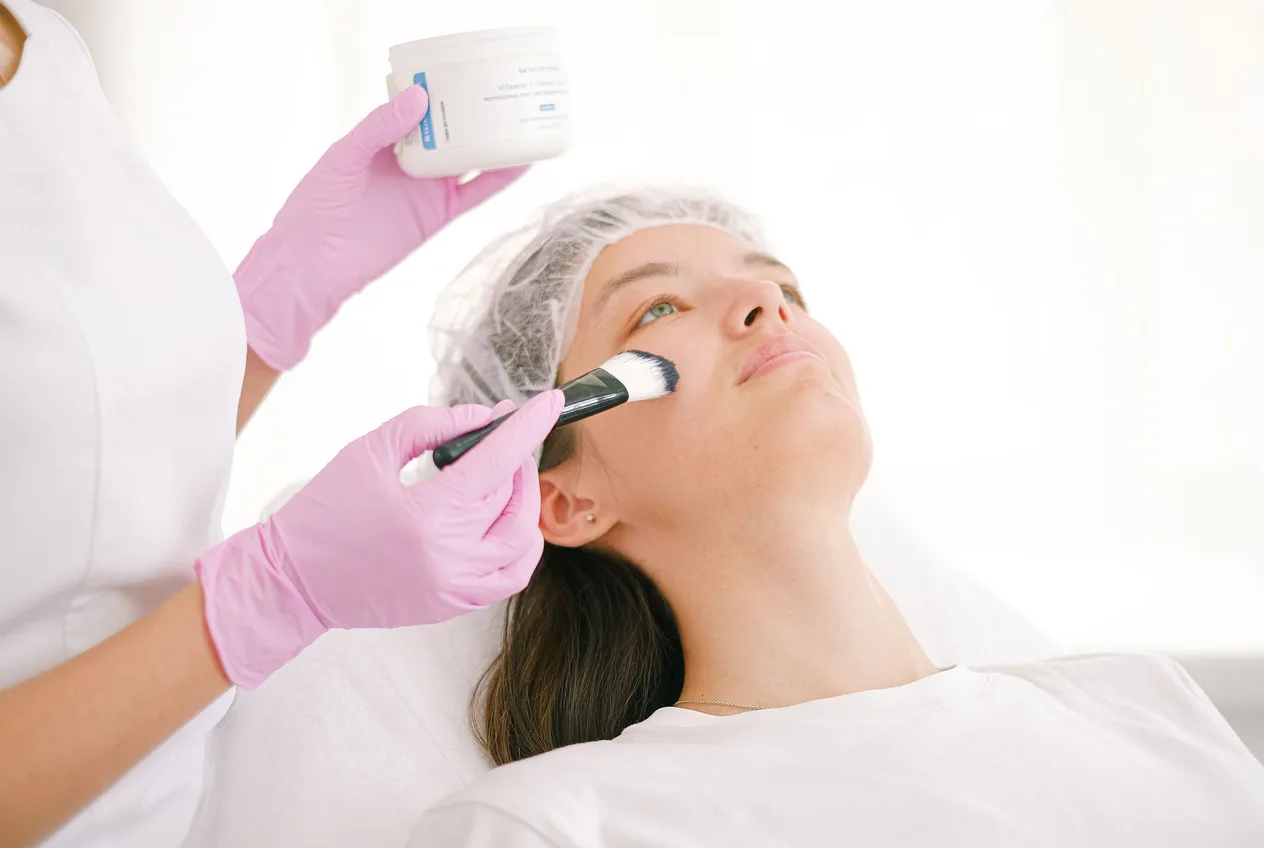
Can it be combined with other treatments?
Yes. IPL can be combined with:
- Chemical peels.
- Skinboosters.
- Polynucleotides.
- Platelet-rich plasma (PRP).
- Collagen biostimulators.
- Other skin rejuvenation procedures.
The protocol is always adapted to the needs of each patient.
When to consult?
It is advisable to request a medical assessment if:
- You present spots produced by the sun.
- You observe persistent facial redness.
- You have small vascular lesions.
- You wish to improve the luminosity and tone of the skin.
- You seek a rejuvenation treatment with a fast recovery.
Myths and facts
- Myth: IPL and laser are exactly the same. Fact: No. They are different technologies, with specific characteristics and indications.
- Myth: IPL eliminates any type of spot. Fact: Not all spots are the same. It is essential to make a prior diagnosis before the treatment.
- Myth: It only serves to eliminate spots. Fact: It can also improve superficial vascular lesions, redness and the general quality of the skin.
- Myth: A single session is always enough. Fact: In many indications a protocol of several sessions is recommended.
- Myth: After the treatment it is no longer necessary to use sunscreen. Fact: Daily photoprotection is essential to maintain the results and prevent new lesions.
The essential points to remember
- IPL uses pulses of light to treat spots, vascular lesions and improve the quality of the skin.
- It is a technology different from the laser and has specific indications.
- The results appear progressively and usually require several sessions.
- Photoprotection is fundamental before and after the treatment.
- It can be combined with other skin rejuvenation procedures.
- The medical assessment makes it possible to select the most appropriate and safe treatment for each patient.
Frequently asked questions
Is the treatment painful?
It generally produces a brief sensation of heat or small snaps, well tolerated by most patients.
How long does the session last?
Usually between 20 and 40 minutes.
Will I need several sessions?
In many cases yes, especially to treat spots or vascular lesions.
Can I return to work the same day?
Yes. Most patients resume their usual activity immediately.
Do the spots disappear the same day?
No. They usually darken first and disappear progressively during the following days.
Can it treat rosacea?
It may be useful in some patients with a predominance of a vascular component, always after medical assessment.
Is it suitable for any type of skin?
No. The type of skin and the degree of tanning must be assessed before the treatment.
Can I sunbathe afterwards?
Sun exposure must be avoided until the doctor authorises it and always using photoprotection.
Can it be combined with other treatments?
Yes. It is frequent to integrate it into personalised rejuvenation protocols.
Who should perform this treatment?
Always a doctor with experience in the handling of light and laser technologies.
Need personalised guidance?
This guide is for information only and does not replace a medical consultation. For an assessment tailored to your case, you may request a consultation.
Request a consultation