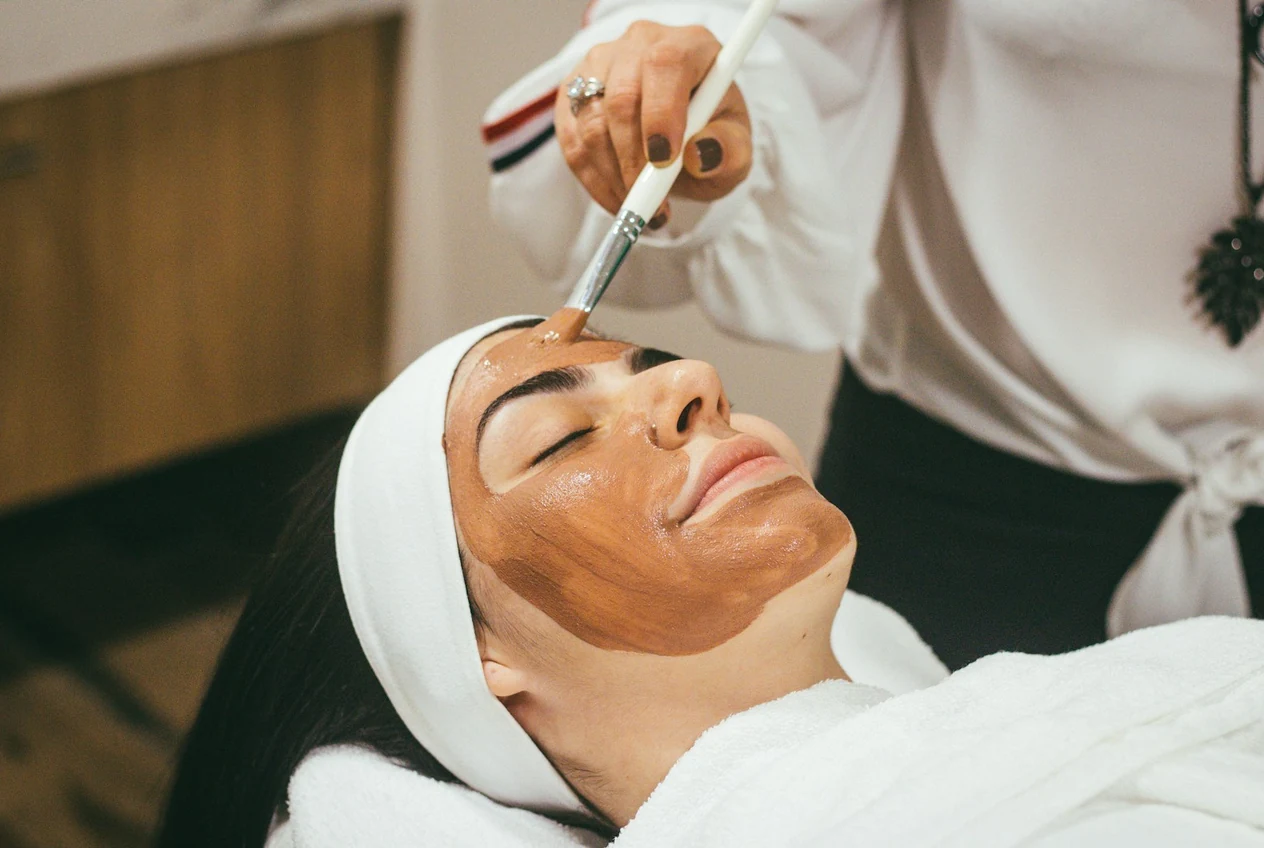
Chemical peels
Controlled skin renewal to treat spots, acne and photoageing
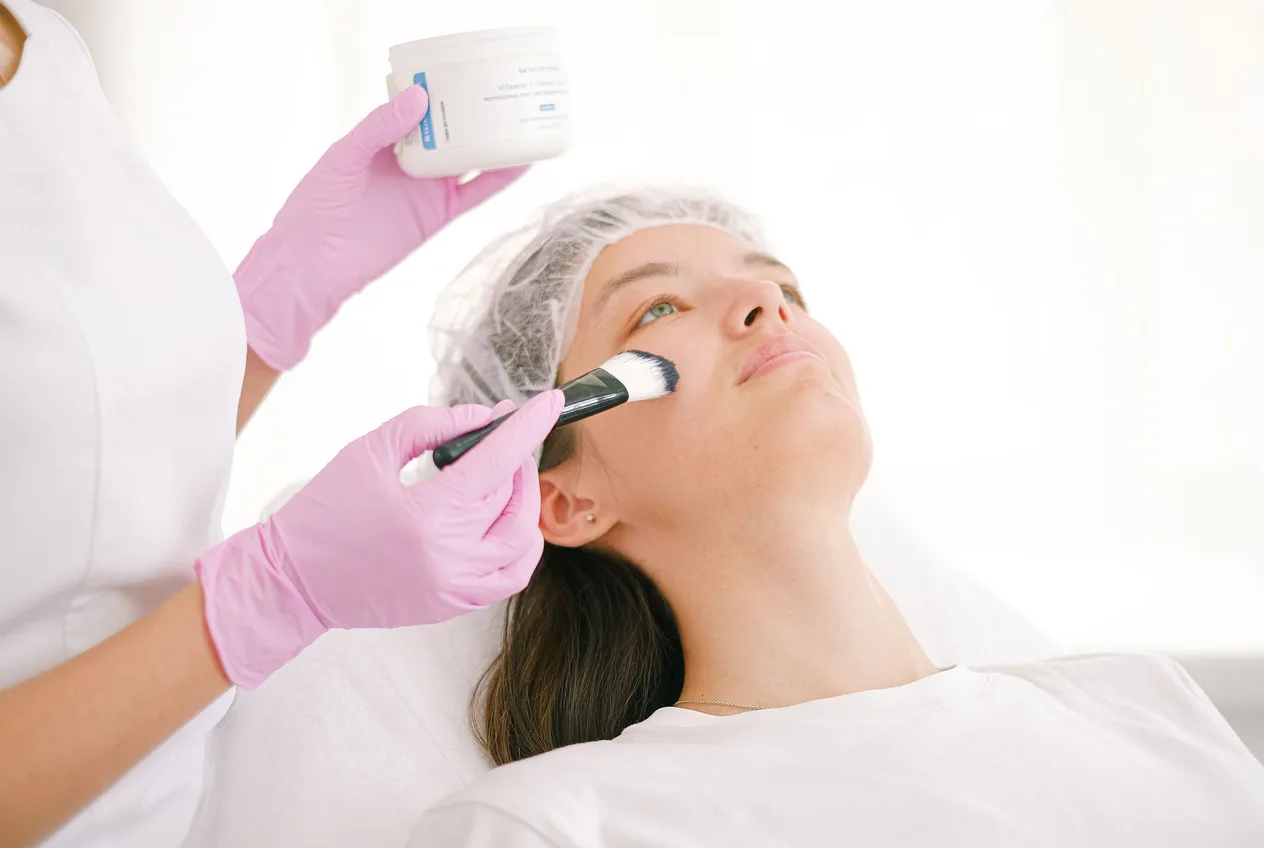
Chemical peels are medical treatments that favour the renewal of the skin and help to improve acne, spots, texture, luminosity and the signs of ageing through personalised protocols.
What are chemical peels?
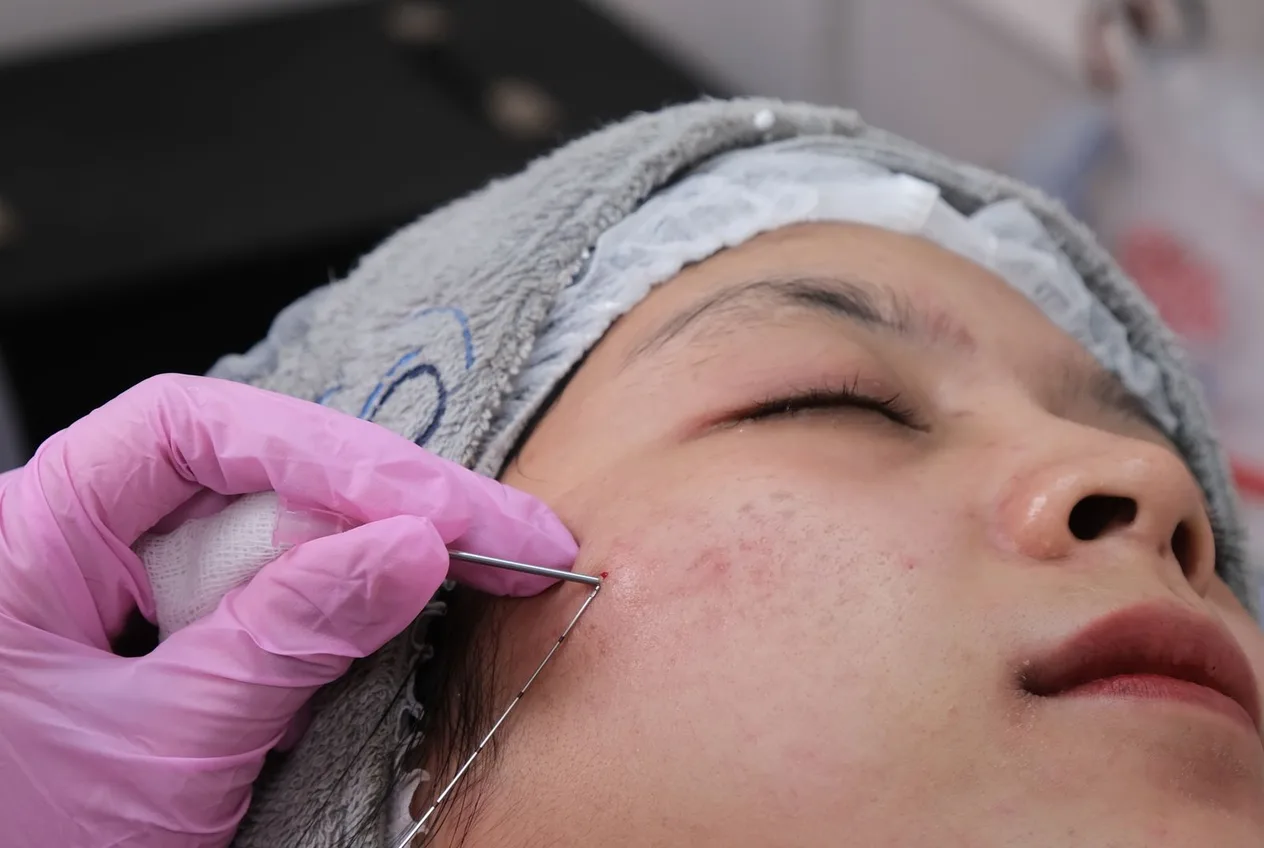
Chemical peels are medical treatments that consist of the controlled application of specific substances onto the skin to produce a progressive renewal of its most superficial layers or, in some cases, of deeper layers.
Their objective is to improve the texture of the skin, unify the tone, treat certain skin lesions and stimulate the natural processes of regeneration, achieving healthier and more luminous-looking skin.
There are different types of peels, and the choice depends on the type of skin, the problem to be treated and the time of year.
How do they act?
Peels produce a controlled exfoliation of the skin. This process favours:
- The elimination of damaged cells.
- Cellular renewal.
- The stimulation of collagen production.
- More uniform skin.
- A finer texture.
- Greater luminosity.
The depth of the treatment will depend on the type of peel used.
What problems can they treat?
Chemical peels can be part of the treatment of:
- Acne.
- Superficial acne marks.
- Melasma.
- Post-inflammatory hyperpigmentation.
- Solar lentigines.
- Photoageing.
- Fine wrinkles.
- Dull skin.
- Dilated pores.
- Excess oil.
- Superficial actinic keratoses, in selected cases.
The indication must always be established after a medical assessment.
What types of peels exist?
In general, they can be classified into:
- Superficial peels, intended to improve luminosity, mild acne or superficial tone alterations.
- Medium peels, used to treat certain signs of photoageing, spots or superficial scars.
- Deep peels, reserved for very specific indications and performed only in carefully selected cases.
The doctor will determine which is the most appropriate in each situation.
Who can benefit?
Candidates may be patients who wish to:
- Improve the quality of the skin.
- Treat spots.
- Reduce excess oil.
- Improve acne.
- Soften small wrinkles.
- Achieve more luminous skin.
- Rejuvenate in a non-surgical way.
Not all patients are candidates for all types of peel.
How is the treatment performed?
After carefully cleaning the skin, the doctor applies the peel for a set time, which varies according to the product and the objective of the treatment.
It is subsequently neutralised when appropriate and soothing products and photoprotection are applied.
The session usually lasts between 20 and 40 minutes.
What happens after the treatment?
The evolution depends on the type of peel performed. It is normal that during the following days there appear:
- Redness.
- A feeling of tightness.
- Dryness.
- Progressive peeling.
These changes are part of the normal process of skin renewal.
When are the results observed?
The improvement is usually appreciated progressively. After the renewal of the skin, many patients observe:
- Greater luminosity.
- Better texture.
- Decrease of spots.
- More uniform skin.
- A healthier appearance.
In certain indications several sessions may be necessary.
What benefits do they offer?
Chemical peels make it possible to:
- Renew the skin.
- Improve the tone.
- Decrease spots.
- Refine the texture.
- Reduce small wrinkles.
- Improve acne.
- Favour collagen production.
- Increase skin luminosity.
Are there side effects?
Like any medical procedure, there may appear:
- Redness.
- Peeling.
- A mild and transient burning sensation.
- Inflammation.
- Temporary pigmentation changes.
When the treatment is correctly indicated and the patient follows the medical recommendations, complications are infrequent.
What care should be followed afterwards?
The subsequent care is fundamental to obtain a good result. It is generally recommended to:
- Apply moisturising cream according to the medical indications.
- Use broad-spectrum photoprotection every day.
- Avoid direct sun exposure.
- Not manually remove the skin during peeling.
- Avoid irritating products until complete recovery.
Compliance with these recommendations is essential to minimise the risk of complications.
Can they be combined with other treatments?
Yes. Chemical peels can be integrated into personalised protocols together with:
- Medical lasers.
- Skinboosters.
- Polynucleotides.
- Collagen biostimulators.
- Microneedling, when indicated.
- Medical treatments for acne or melasma.
The order and combination of the treatments will depend on each patient.
When to consult?
It is advisable to request a medical assessment if:
- You present skin spots.
- You have acne or acne marks.
- You observe signs of photoageing.
- You wish to improve the texture and luminosity of the skin.
- You want to know which type of peel is the most appropriate for you.
Myths and facts
- Myth: Peels permanently thin the skin. Fact: No. Peels favour skin renewal and, in many cases, stimulate collagen production.
- Myth: All peels produce a lot of peeling. Fact: No. There are very gentle peels that barely cause visible peeling.
- Myth: They only serve to eliminate spots. Fact: They can also improve acne, texture, luminosity, excess oil and the signs of ageing.
- Myth: After a peel you cannot leave the house. Fact: It depends on the type of peel. Many treatments allow continuing with usual life while following the medical recommendations.
- Myth: A single peel solves all the problems of the skin. Fact: In many cases a personalised protocol with several sessions or the combination with other treatments is needed.
The essential points to remember
- Chemical peels favour the controlled renewal of the skin.
- There are superficial, medium and deep peels, with different indications.
- They can improve spots, acne, photoageing, texture and luminosity.
- The subsequent care and photoprotection are fundamental for a good result.
- They frequently are part of combined protocols of rejuvenation and medical skin treatment.
- The medical assessment makes it possible to choose the safest and most effective peel for each patient.
Frequently asked questions
Is the treatment painful?
It generally produces a transient and well-tolerated sensation of heat or stinging.
How long does the session last?
Usually between 20 and 40 minutes.
Will I need several treatments?
It depends on the problem treated and the type of peel used.
Can I wear make-up afterwards?
The doctor will indicate the appropriate moment according to the type of peel performed.
Is it essential to use sunscreen?
Yes. Photoprotection is one of the most important cares after a peel.
Can they be performed all year round?
It depends on the type of peel, the phototype and the expected degree of sun exposure. In some cases it is preferable to perform them during the months of lower solar radiation.
Do they serve for acne?
Yes. Some peels are part of the medical treatment of acne.
Do they also improve spots?
Yes. Certain peels are especially useful to treat pigmentation alterations.
When will I see the definitive result?
The improvement is usually observed progressively as the skin completes its renewal process.
Who should perform a chemical peel?
Always a doctor with experience in the diagnosis of the skin and in the selection of the most appropriate peel.
Need personalised guidance?
This guide is for information only and does not replace a medical consultation. For an assessment tailored to your case, you may request a consultation.
Request a consultationTopics