Skin aging
Natural process influenced by age, the sun and lifestyle habits
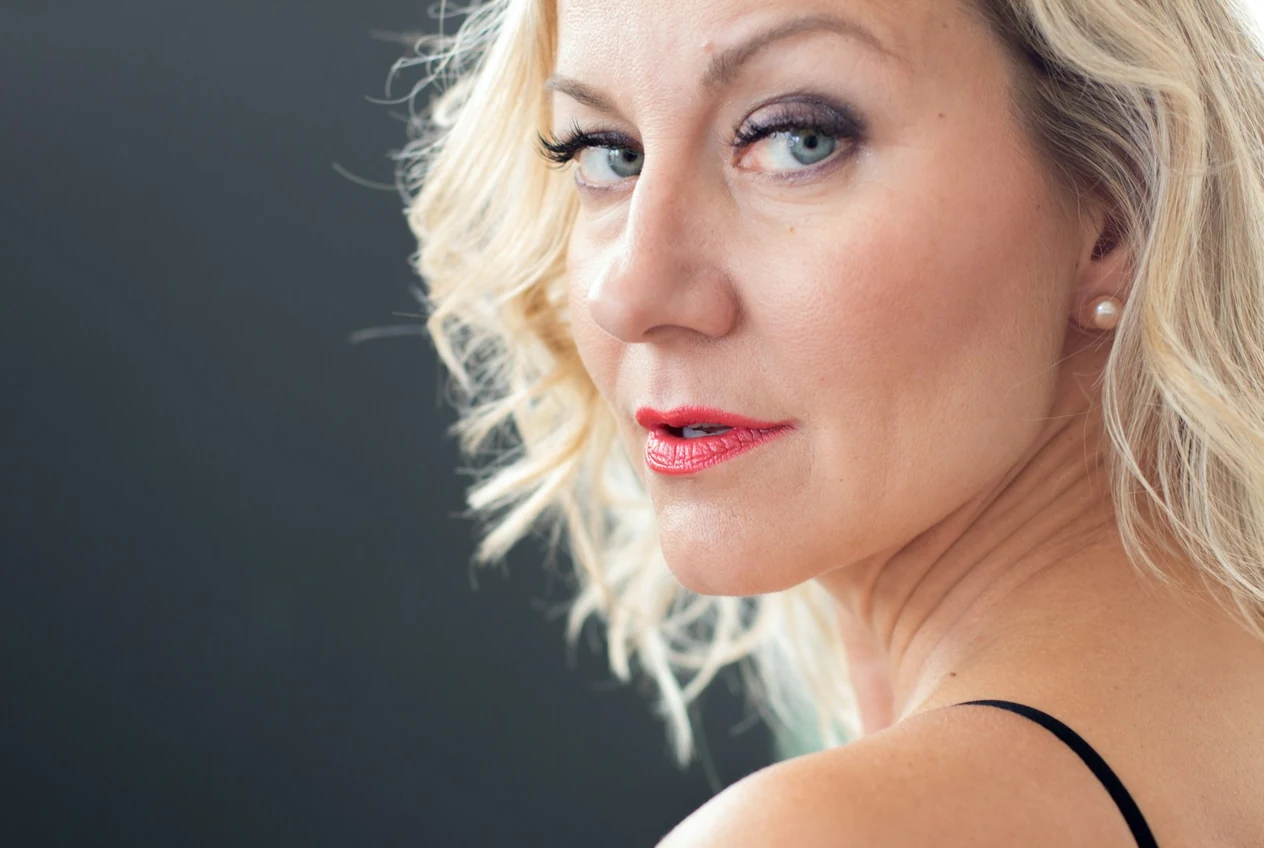
Skin aging is a natural process influenced by age, the sun and lifestyle habits. Learn about its causes, how to prevent photoaging and the medical treatments available to maintain healthy, natural-looking skin.
What is skin aging?
Skin aging is a natural biological process by which the skin progressively loses its capacity to regenerate, to stay hydrated and to preserve its firmness and elasticity.
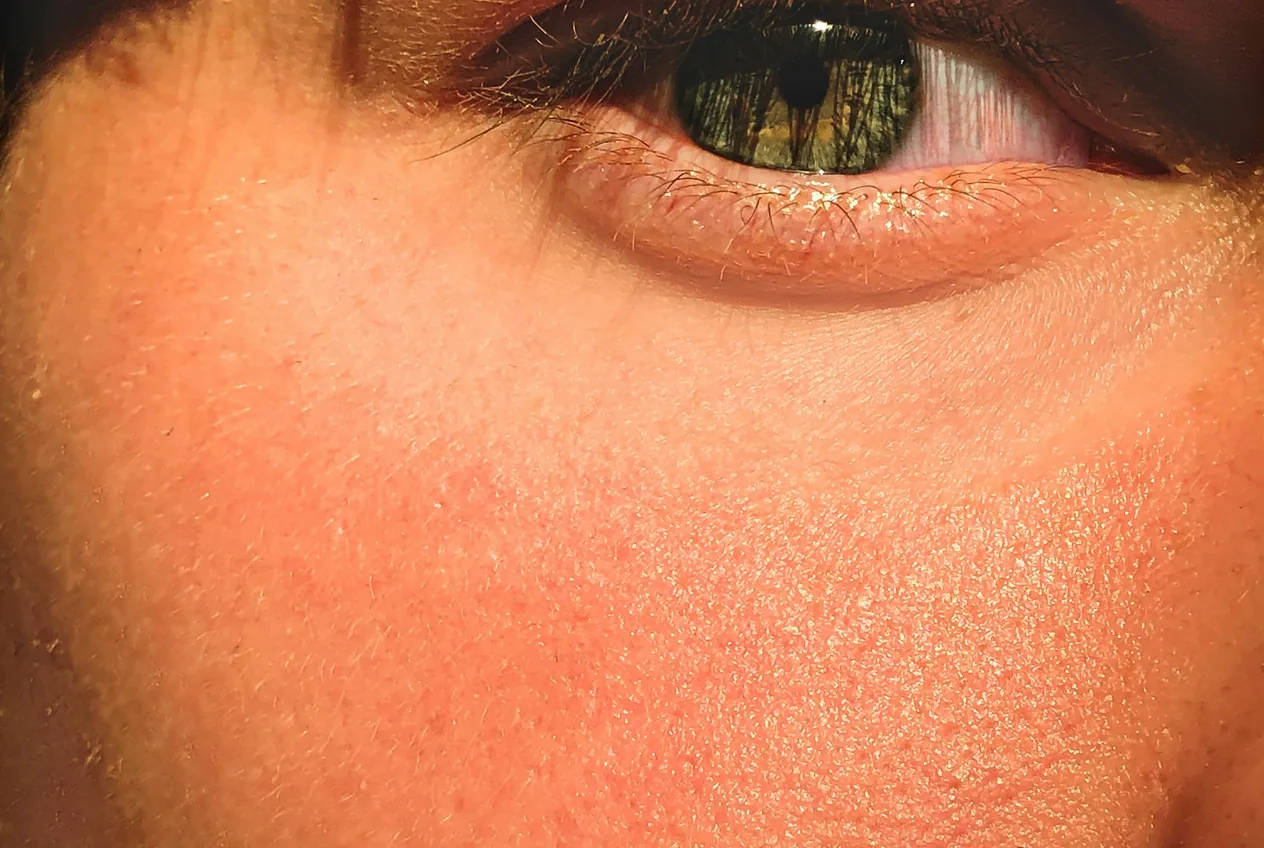
Over the years, visible changes appear such as wrinkles, sagging, loss of luminosity, spots, dryness and thinning of the skin.
Although aging cannot be avoided, we now know that a large part of visible aging can be delayed through healthy habits, photoprotection and appropriate medical treatments.
Why does the skin age?
Aging is the result of the combination of two processes.
Intrinsic aging. It is the natural aging determined by genetics and age. Over the years, the production of collagen, elastin, natural hyaluronic acid, the capacity for cellular repair and the renewal of the epidermis decrease. As a consequence, the skin becomes thinner, drier and less elastic.
Extrinsic aging. It is caused by external factors that accelerate the deterioration of the skin. The main ones are ultraviolet radiation (photoaging), tobacco, pollution, an unhealthy diet, chronic stress, lack of sleep, excessive alcohol consumption and hormonal changes.
The sun is, by far, the factor responsible for most of the visible aging of the skin.
What changes appear with age?
The most frequent signs are fine wrinkles, deep wrinkles, sagging, loss of facial volume, loss of elasticity, thinner skin, dryness, more visible pores, sun spots, irregular tone, visible blood vessels and slower healing.
These changes appear progressively and with different intensity in each person.
At what age does it begin?
Skin aging begins long before the first wrinkles appear. From approximately 25 years of age, the production of collagen progressively decreases.
The first signs usually appear between 30 and 40 years of age, although they depend on factors such as accumulated sun exposure, genetics, tobacco, lifestyle habits, phototype and skin care.
How can it be prevented?
Although we cannot stop the passage of time, we can slow down aging. The most important measures are to use sunscreen daily, to avoid tobacco, to sleep adequately, to maintain a balanced diet, to exercise regularly, to maintain a stable weight, to reduce stress and to take care of the skin's hydration.
Daily photoprotection is the most effective preventive measure.
What medical treatments exist?
The treatment depends on the type of aging and on the needs of each patient.
Medical cosmetics. They can include retinoids, vitamin C, antioxidants, topical hyaluronic acid, peptides, growth factors and photoprotection.
Skinboosters. They provide deep hydration and improve the quality of the skin without modifying the facial volume.
Polynucleotides. They stimulate cellular repair and favour more elastic and luminous skin.
Collagen biostimulators. They favour the natural production of collagen and improve firmness progressively.
Neuromodulators. They allow the softening of dynamic wrinkles caused by the repeated contraction of the facial muscles.
Hyaluronic acid. It can be used to restore certain lost volumes or to improve facial harmony when there is a medical indication.
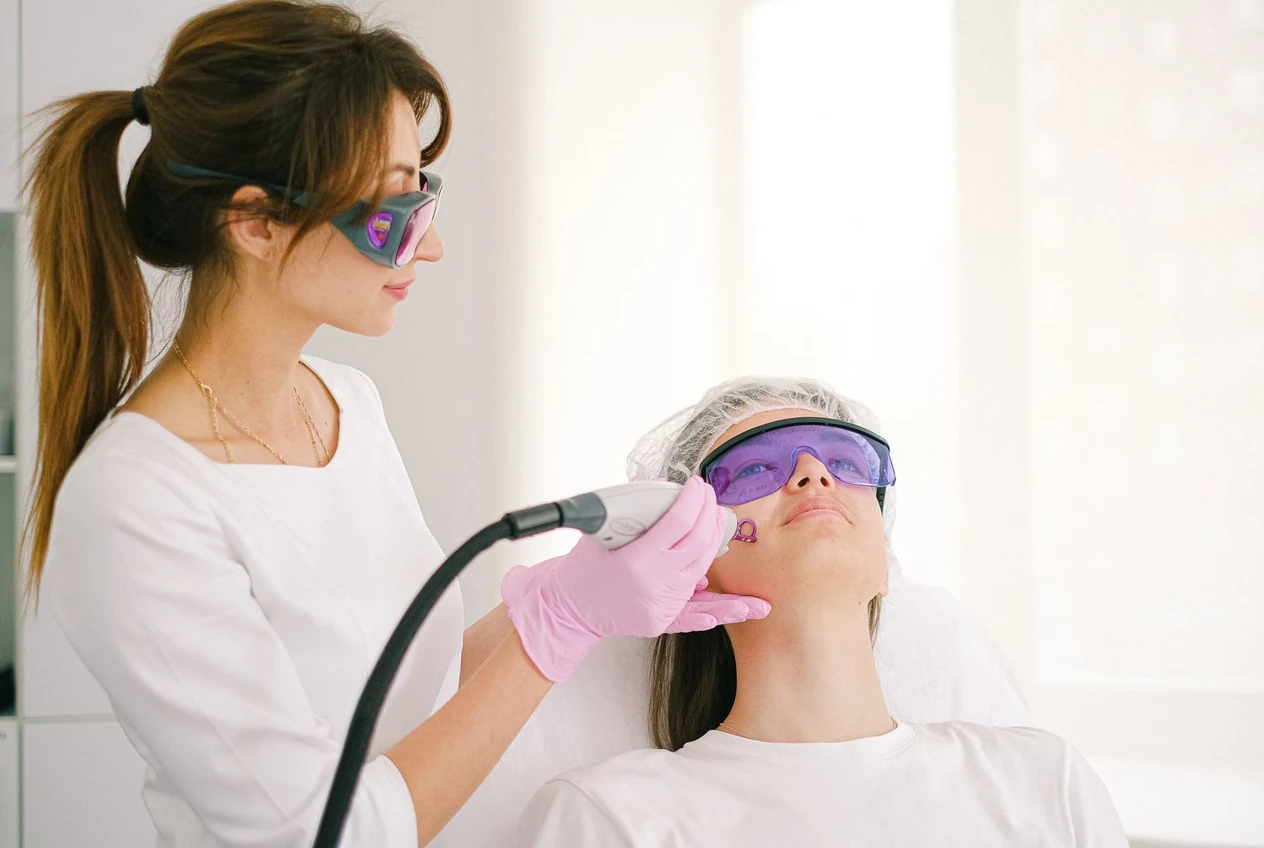
Medical lasers. Technologies such as fractional lasers make it possible to improve wrinkles, spots, scars, texture and dermal quality.
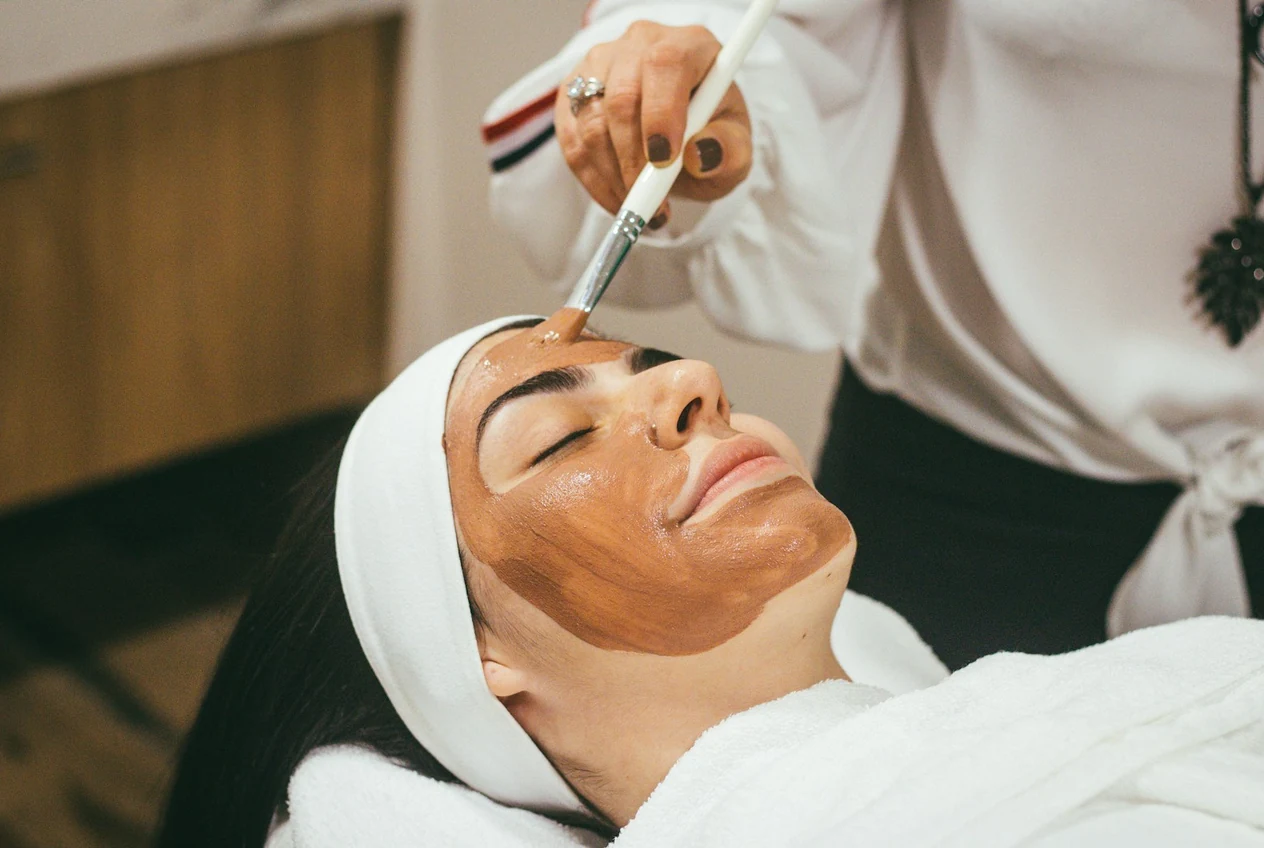
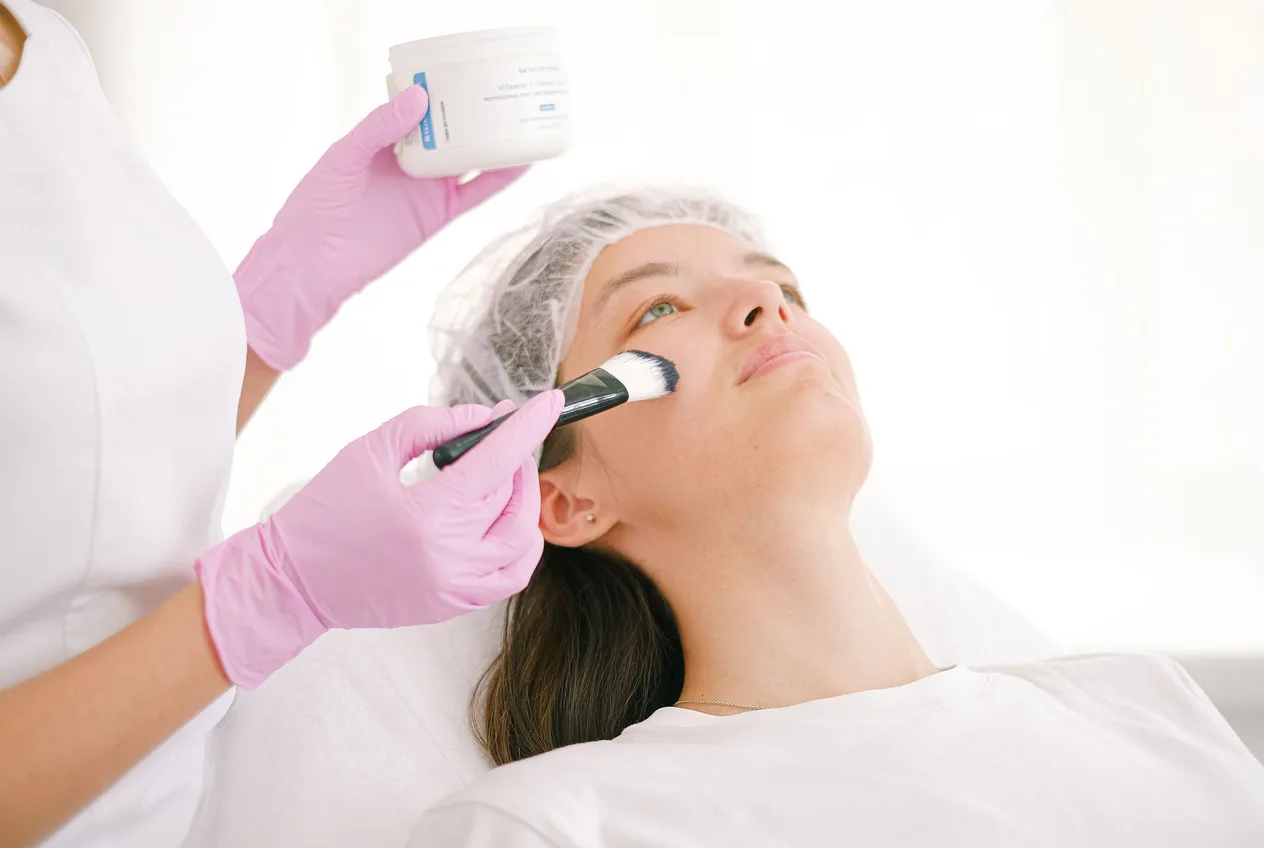
Medical peels. They favour skin renewal and improve tone and luminosity.
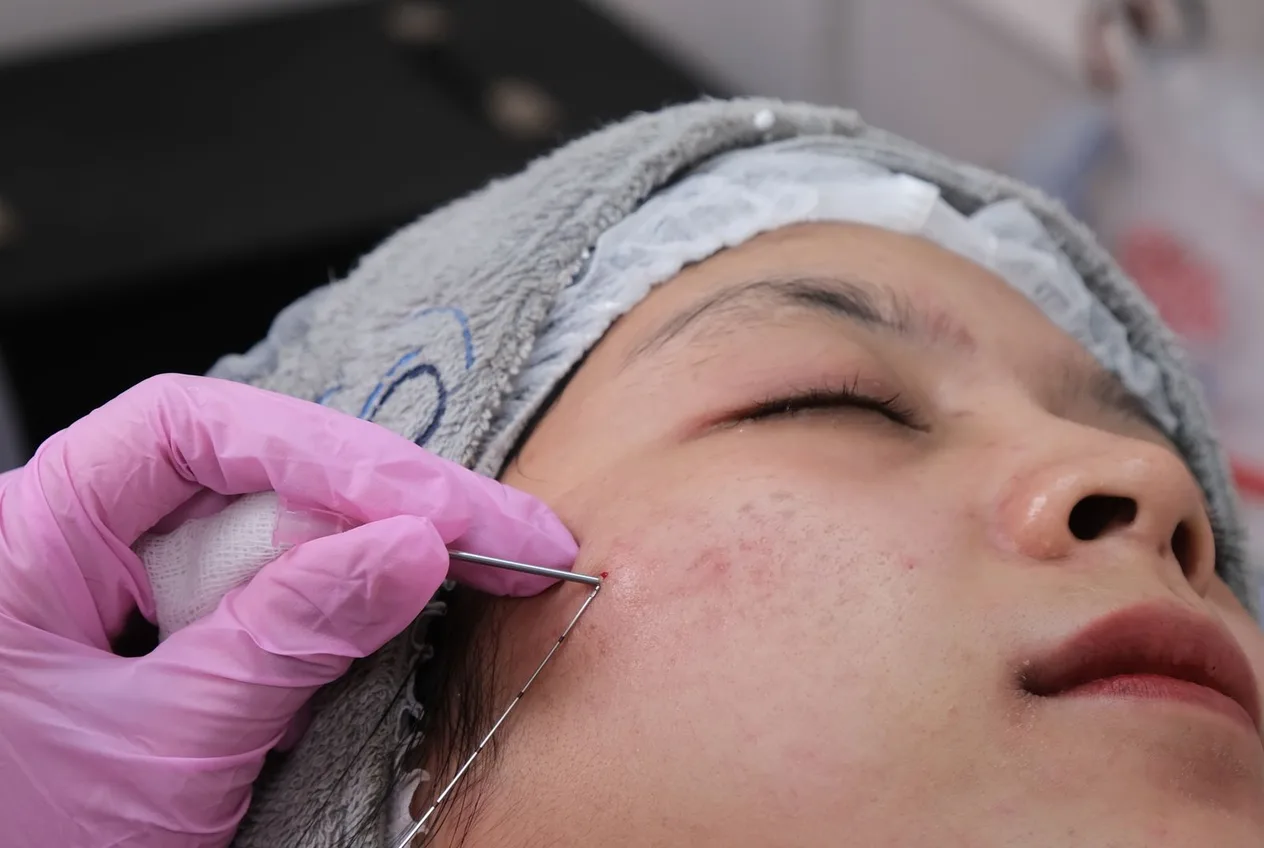
Microneedling. It stimulates the formation of collagen and can be combined with other regenerative treatments.
What results can be expected?
The objective of modern aesthetic medicine is not to change the face, but to achieve healthier skin, greater luminosity, better skin quality, a rested appearance, slower aging and natural results.
Each treatment must be adapted to the individual characteristics of the patient.
What can you do in your daily life?
Use sunscreen every day, clean and moisturise the skin appropriately, do not smoke, limit alcohol consumption, maintain a diet rich in fruits and vegetables, sleep between seven and eight hours, exercise regularly and consult a doctor before starting aesthetic treatments.
When to consult?
It is advisable to consult when the first wrinkles begin to appear, when there are sun spots, when sagging is observed, when the skin loses luminosity, when you want to prevent aging in a personalised way or when you are looking for a medical treatment with natural results.
Myths and facts
- Myth: Wrinkles appear only because of age. Fact: Accumulated sun exposure is one of the main responsibles for visible aging.
- Myth: Creams eliminate deep wrinkles. Fact: Cosmetics improve the quality of the skin, but marked wrinkles usually require medical treatments.
- Myth: Only women's skin ages. Fact: Men and women experience skin aging, although with different characteristics.
- Myth: The earlier treatments are started, the better. Fact: The important thing is to start the appropriate treatment at the right moment and according to the needs of each person.
- Myth: Aesthetic medicine seeks to change the face. Fact: Modern aesthetic medicine aims to preserve facial identity and to favour healthy and natural aging.
The essential points to remember
- Skin aging is a natural process influenced by genetics and lifestyle.
- Solar radiation is the main cause of premature aging.
- Daily photoprotection constitutes the best preventive strategy.
- There are multiple medical treatments that improve the quality of the skin and favour natural aging.
- Early prevention and healthy habits offer the best long-term results.
- The current objective is to age better, preserving the naturalness and health of the skin.
Frequently asked questions
Can aging be stopped?
No. It is a natural process, although it can be slowed down significantly.
What is the best anti-aging treatment?
Daily photoprotection remains the most effective measure to prevent photoaging.
At what age should I start caring for my skin?
From youth. Prevention is more effective than trying to correct the damage once it is established.
Do we all need the same treatments?
No. Each skin ages differently and requires an individualised plan.
Are the results permanent?
No. Aging continues, so maintenance care and treatments are usually recommended.
Can men also benefit?
Yes. The treatments are adapted to male anatomical and aesthetic characteristics.
Does diet have an influence?
Yes. A balanced diet rich in antioxidants contributes to maintaining healthier skin.
Does sleeping little age the skin?
Yes. Lack of sleep alters the natural mechanisms of skin repair.
Does stress accelerate aging?
Yes. Sustained stress favours inflammatory and oxidative processes that accelerate skin aging.
Is it worth starting when wrinkles already exist?
Yes. It is never too late to improve the health of the skin and slow down future aging.
Need personalised guidance?
This guide is for information only and does not replace a medical consultation. For an assessment tailored to your case, you may request a consultation.
Request a consultation