Wrinkles
Causes, types and treatments for a natural rejuvenation
Wrinkles appear due to aging, repeated muscle movement and sun damage. Discover how to prevent them and which medical treatments make it possible to soften them while respecting the naturalness and expression of the face.
What are wrinkles?
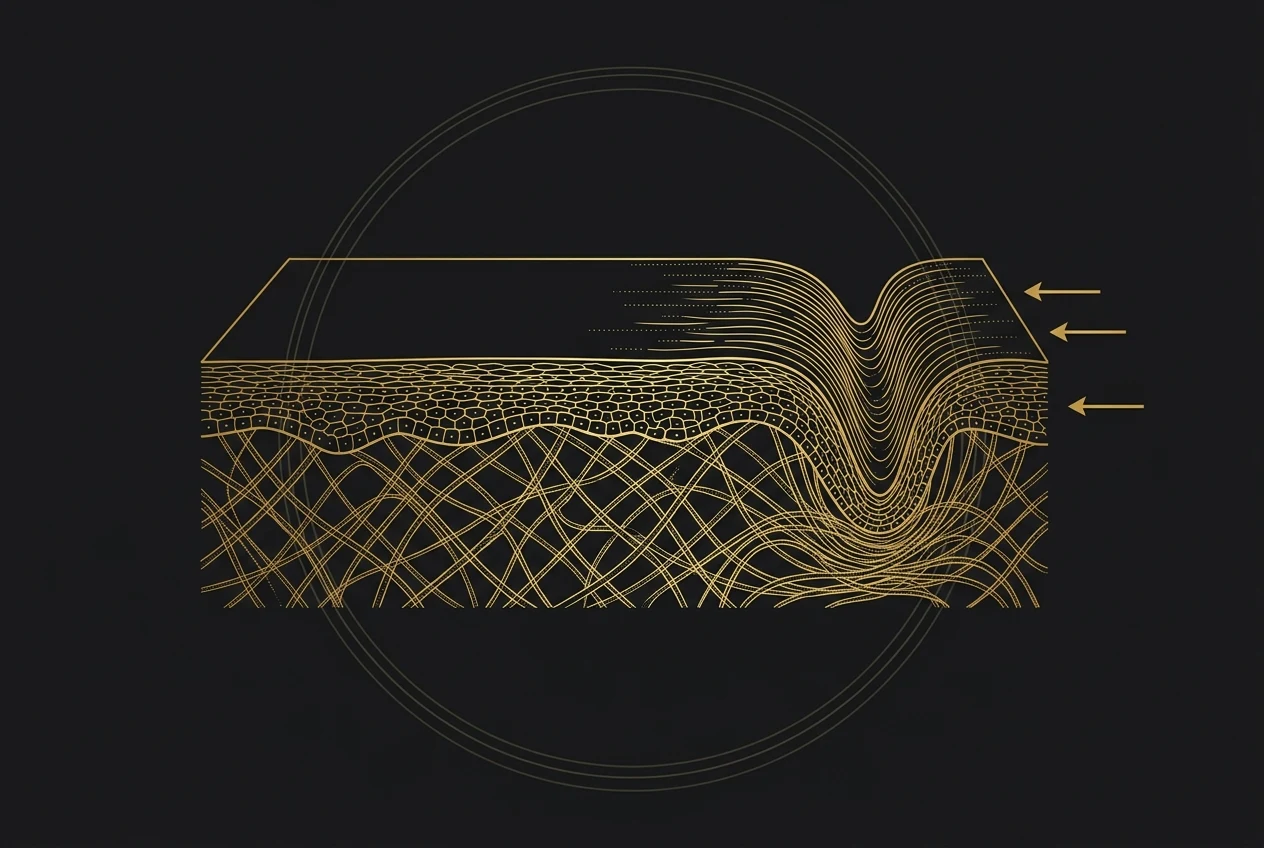
Wrinkles are folds or furrows that appear on the skin as a consequence of aging and of the progressive loss of collagen, elastin and hyaluronic acid.
Although they are part of the natural aging process, their appearance is also influenced by external factors such as sun exposure, tobacco and lifestyle.
Not all wrinkles are the same. Identifying their origin makes it possible to choose the most appropriate treatment.
Why do they appear?
Wrinkles are the result of several mechanisms that act simultaneously.
Natural aging. Over the years, the production of collagen, elastin and hyaluronic acid decreases. The skin loses firmness, elasticity and hydration.
Repeated muscle movement. Every time we smile, frown or raise our eyebrows, the facial muscles fold the skin. Over time these folds stop disappearing completely and become permanent wrinkles.
Photoaging. Ultraviolet radiation is the main factor responsible for premature aging of the skin. Accumulated sun exposure accelerates the degradation of collagen, the loss of elasticity, the appearance of spots and the formation of deep wrinkles.
Other factors. Tobacco, pollution, stress, lack of sleep, hormonal changes, inadequate diet and significant weight loss also contribute.
Types of wrinkles
Dynamic wrinkles. They appear only when we move the muscles of the face. They are frequent on the forehead, the glabella and the crow's feet. In the initial phases they disappear when the face is at rest.
Static wrinkles. They remain visible even when the face is relaxed. They are due to the progressive loss of collagen and to the aging of the skin.
Gravitational wrinkles. They are produced by the sagging and the descent of the tissues over time. They are usually observed on the cheeks, the jawline and the neck.
Volume-loss wrinkles. They develop when the facial fat decreases and the support structure of the face changes.
In which areas do they appear most frequently?
The most usual locations are the forehead, the glabella, the crow's feet, the contour of the lips, the upper lip, the nasolabial folds, the marionette lines, the chin, the neck and the décolletage.
Can they be prevented?
It is not possible to completely avoid wrinkles, but it is possible to delay their appearance. The most effective measures include using sunscreen every day, not smoking, sleeping adequately, maintaining a healthy diet, controlling stress, using adapted cosmetics and maintaining good hydration.
Prevention begins many years before the first wrinkles appear.
What treatments exist?
The treatment will depend on the type of wrinkle and on the characteristics of each patient.
Neuromodulators. They are the treatment of choice for dynamic wrinkles. They allow the temporary relaxation of certain facial muscles and the softening of the wrinkles of the forehead, the glabella and the crow's feet. When applied correctly they maintain a natural expression.
Hyaluronic acid. It can be used to restore certain volumes, improve some static wrinkles and rehydrate certain tissues. It must always respect the anatomy and the facial harmony.
Collagen biostimulators. They favour the progressive production of collagen and improve firmness, dermal quality and initial sagging.
Skinboosters. They increase the deep hydration of the skin and improve fine wrinkles without providing volume.
Polynucleotides. They stimulate the natural mechanisms of repair and regeneration of the skin, improving its quality and elasticity.
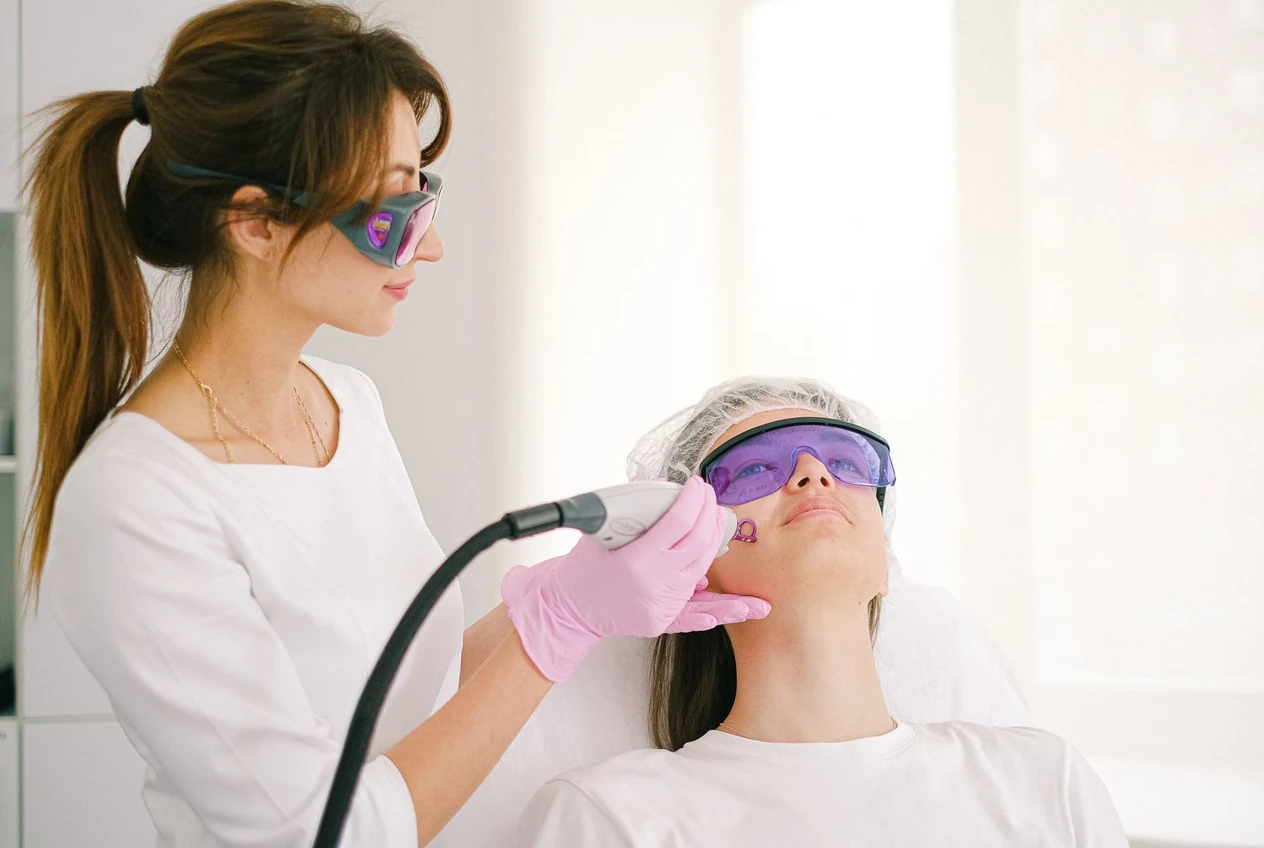
Fractional lasers. They make it possible to treat fine wrinkles, sun damage, texture and scars by stimulating the formation of new collagen.
Microneedling. It stimulates dermal regeneration by means of controlled micro-perforations.
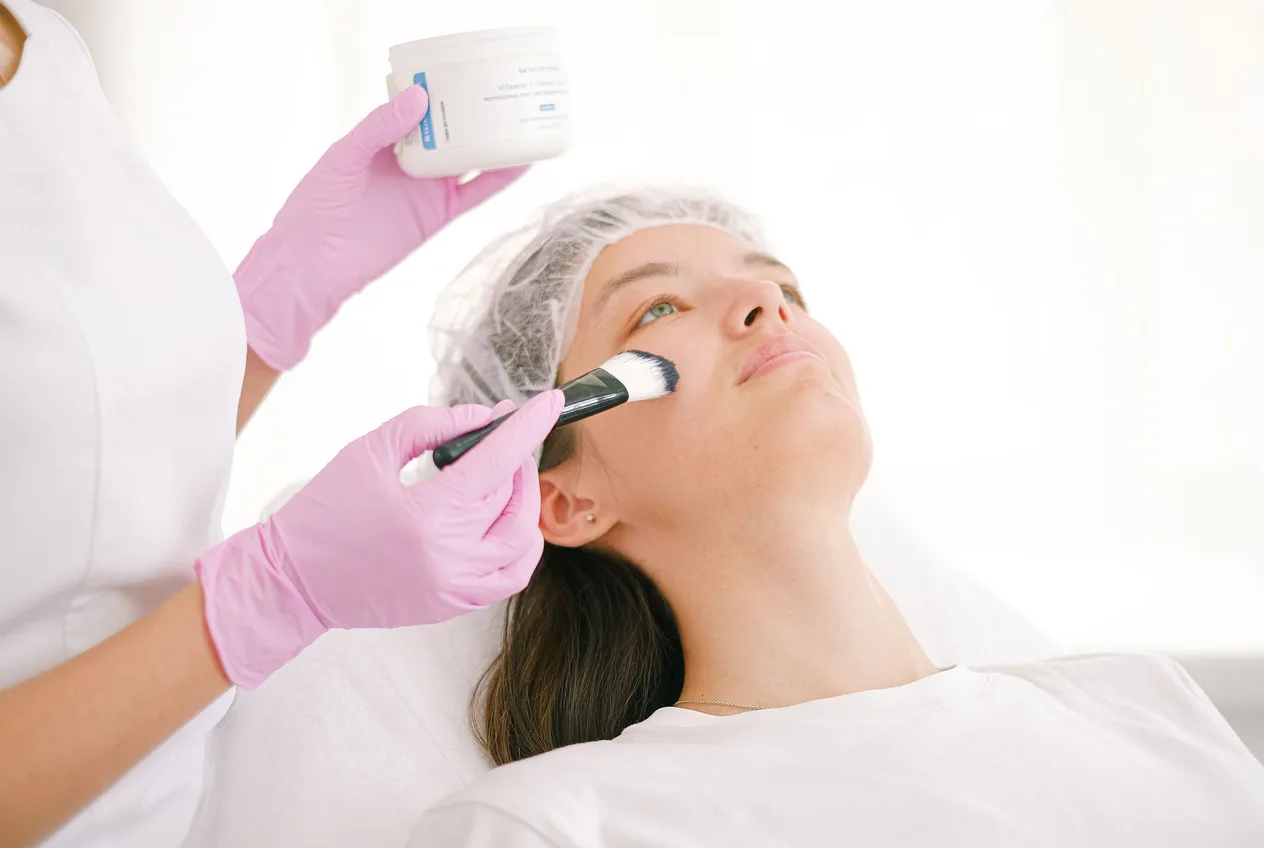
Medical peels. They favour skin renewal and improve superficial lines and luminosity.
What results can be expected?
The current objectives of aesthetic medicine are to soften wrinkles, improve the quality of the skin, maintain natural expression, preserve facial identity and achieve progressive and balanced results.
The aim is not to completely eliminate all wrinkles, but to achieve a more rested and healthy appearance.
What can you do in your daily life?
Use sunscreen throughout the year, maintain an adapted cosmetic routine, avoid tobacco, sleep enough, maintain a diet rich in fruits and vegetables, moisturise the skin appropriately and only consult qualified doctors for aesthetic treatments.
When to consult?
It is advisable to consult when the wrinkles begin to concern you, when you observe a loss of firmness, when you want to prevent aging, when you are looking for natural results or when you want to know which treatment best suits your case.
A personalised medical assessment will make it possible to design the most appropriate plan.
Myths and facts
- Myth: All wrinkles need filler. Fact: No. Many dynamic wrinkles respond better to neuromodulators and others improve by stimulating collagen.
- Myth: Wrinkles can be completely eliminated. Fact: The objective is to soften them and achieve a natural appearance, not to erase all facial expression.
- Myth: Creams eliminate deep wrinkles. Fact: Cosmetics improve the quality of the skin, but marked wrinkles usually require medical treatments.
- Myth: Only older people have wrinkles. Fact: The first expression lines can appear from 25-30 years of age.
- Myth: If I start a treatment I will have to do it forever. Fact: No. The treatment can be maintained if the patient wishes to preserve the results, but stopping it does not worsen natural aging.
The essential points to remember
- Wrinkles are part of natural aging, but they can be partially prevented.
- The sun is the main responsible for premature aging of the skin.
- There are different types of wrinkles and each one requires a specific treatment.
- The combination of treatments usually offers the best results.
- Current aesthetic medicine prioritises naturalness and the preservation of facial expression.
- Prevention through photoprotection and healthy habits remains the most effective strategy.
Frequently asked questions
At what age do the first wrinkles appear?
It depends on genetics and sun exposure, although the first lines are usually observed between 25 and 35 years of age.
What is the best treatment?
It depends on the type of wrinkle, the quality of the skin and the expectations of the patient.
Do neuromodulators leave the face without expression?
No, when they are administered correctly by an experienced doctor.
Is hyaluronic acid suitable for all wrinkles?
No. Its indication depends on the type of wrinkle and on the facial anatomy.
Are the results permanent?
No. Most treatments require periodic maintenance.
Can I prevent wrinkles?
Yes. Photoprotection, healthy habits and an adequate cosmetic routine help to delay their appearance.
Do men also consult about wrinkles?
Yes. More and more men are looking for preventive treatments and discreet results.
Does the laser replace injectables?
No. They are complementary treatments that act on different mechanisms.
Which treatment improves the quality of the skin?
Skinboosters, polynucleotides, biostimulators, microneedling and lasers are some of the available options.
Can a natural result be achieved?
Yes. Modern aesthetic medicine seeks to rejuvenate while always respecting the identity and the expression of the patient.
Need personalised guidance?
This guide is for information only and does not replace a medical consultation. For an assessment tailored to your case, you may request a consultation.
Request a consultationTopics