Microneedling
Collagen induction to regenerate the skin
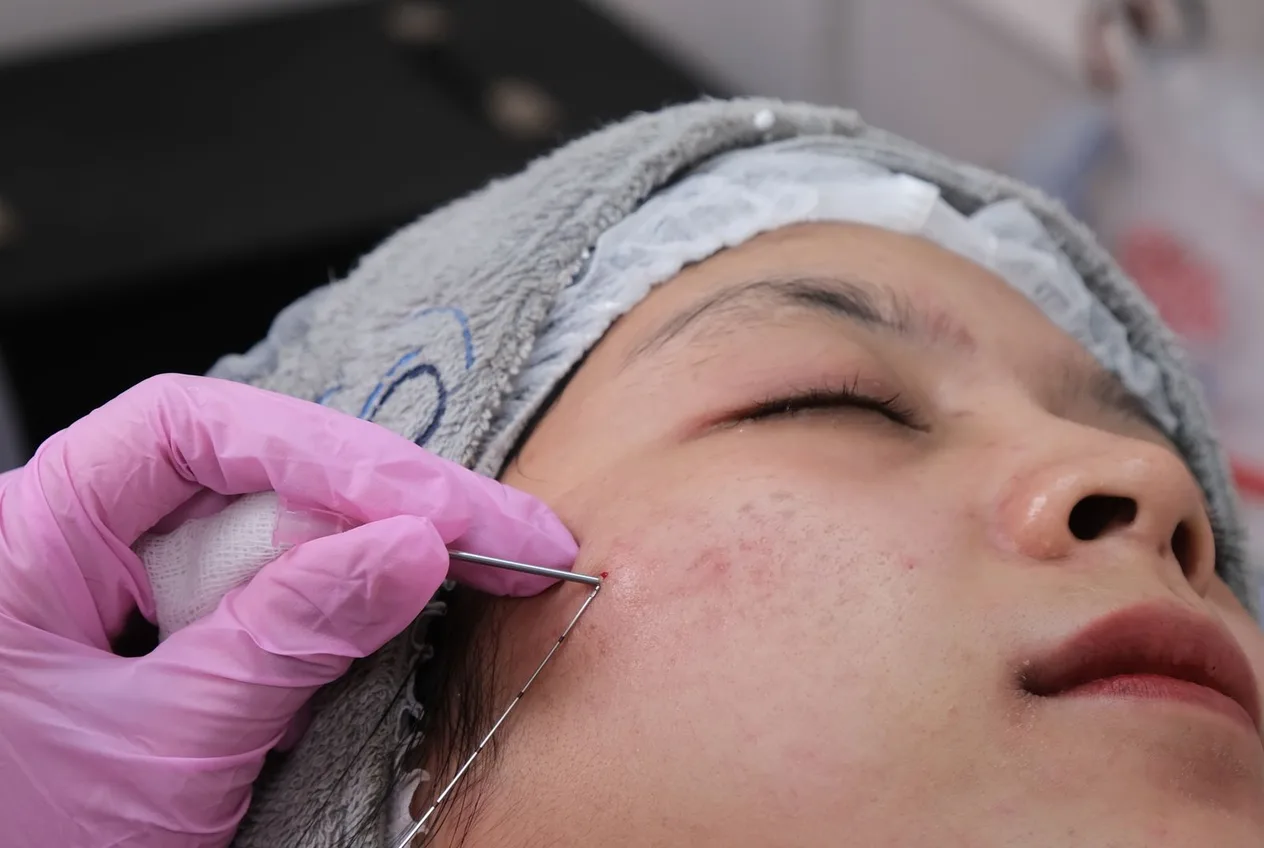
Microneedling is a regenerative medical treatment that stimulates collagen production through microneedles to improve texture, scars, pores, fine wrinkles and the overall quality of the skin.
What is microneedling?
Microneedling is a medical procedure that uses multiple microneedles to create controlled microchannels in the skin.
These microperforations activate the natural repair mechanisms of the body, stimulating the production of collagen and elastin and favouring skin renewal.
The objective is to improve the quality of the skin progressively, achieving firmer, more uniform and more luminous skin.
How does it act?
The microneedles produce a microscopic and controlled injury that starts the natural healing process. As a consequence it favours:
- Collagen production.
- Elastin formation.
- Cellular renewal.
- The improvement of the texture of the skin.
- Greater firmness.
- Better skin quality.
In addition, the microchannels created can facilitate the penetration of certain medical products when they are part of a specific protocol.
What problems can it treat?
Microneedling can be used to improve:
- Skin ageing.
- Fine wrinkles.
- Acne scars.
- Dilated pores.
- Dull skin.
- Photoageing.
- Stretch marks.
- Some selected scars.
- Overall quality of the skin.
It can also be part of certain hair medicine protocols.
In which areas can it be applied?
It can be performed in different areas, among them:
- Face.
- Neck.
- Décolletage.
- Back of the hands.
- Scalp.
- Abdomen.
- Thighs.
- Other selected body areas.
The depth of the treatment is adapted to each location.
Who can benefit?
It may be indicated in people who:
- Wish to improve the quality of the skin.
- Present acne scars.
- Seek a natural rejuvenation.
- Want to improve the texture and skin luminosity.
- Present initial signs of ageing.
The indication will always depend on a medical assessment.
How is the treatment performed?
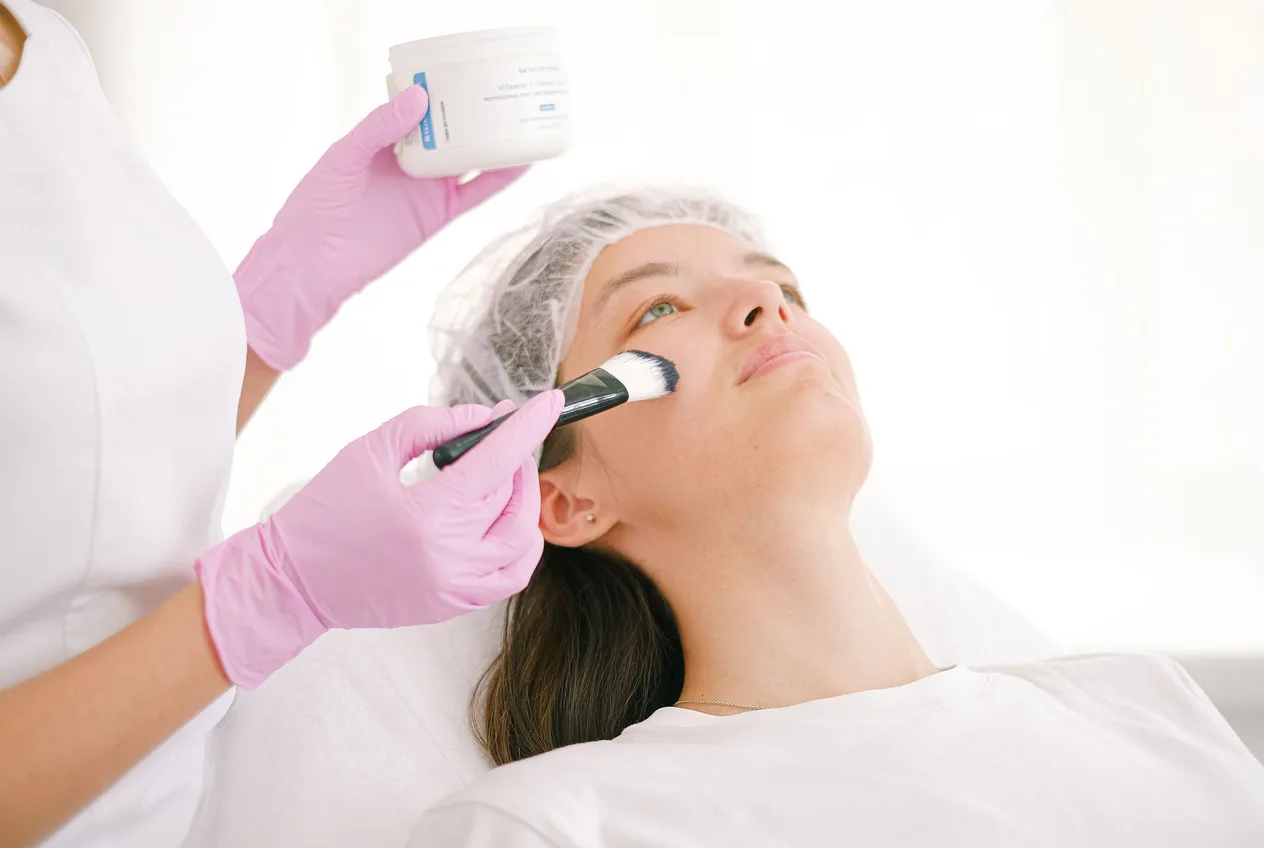
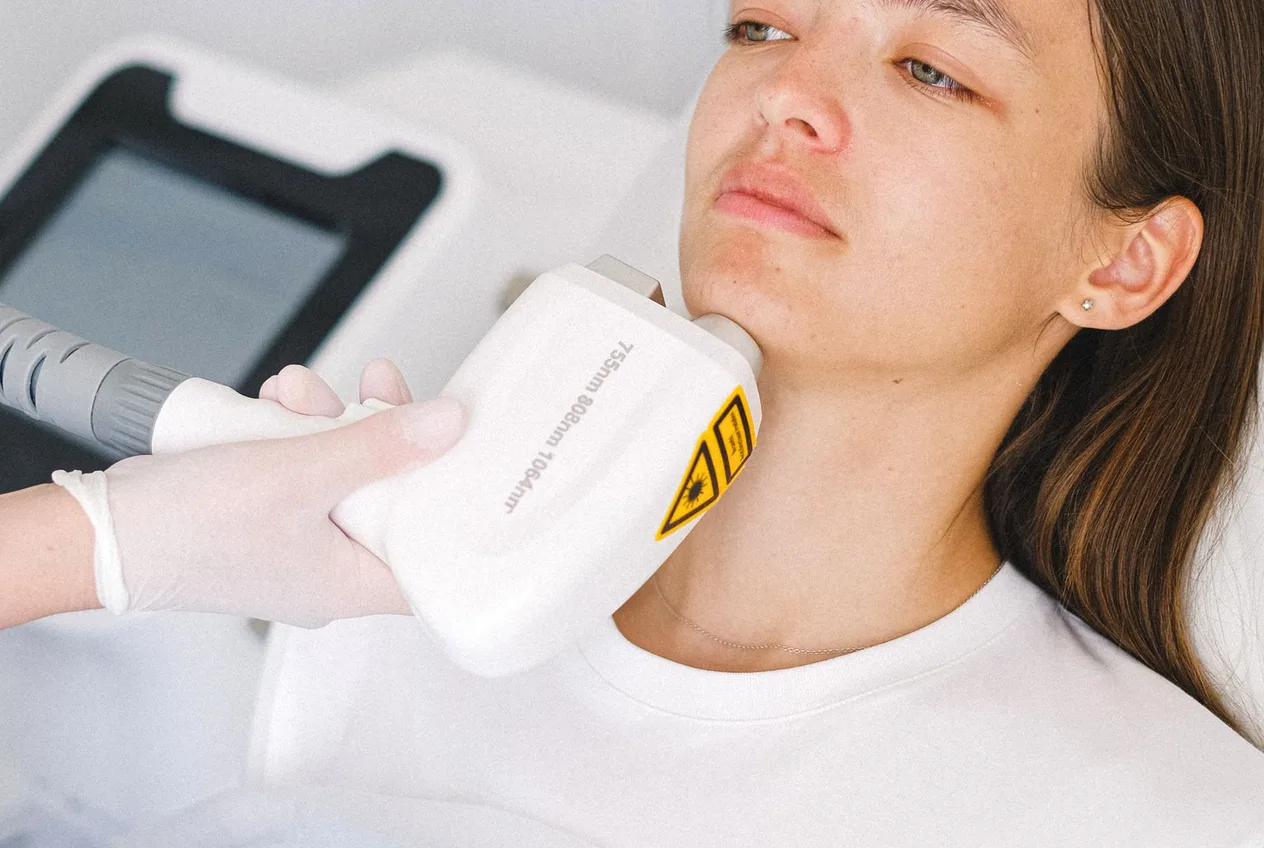
After cleaning the skin and applying topical anaesthesia when indicated, the doctor performs multiple passes with a specific device provided with sterile microneedles.
The depth of the treatment is adapted according to the area and the problem to be treated.
The session usually lasts between 30 and 60 minutes.
What happens after the treatment?
During the first hours or days it is common to present:
- Redness.
- Sensation of heat.
- Slight inflammation.
- Skin sensitivity.
These changes are part of the normal process of skin repair.
When are the results observed?
The skin usually acquires a more luminous appearance after the first days.
The production of new collagen continues during the following weeks and months, so the improvement appears progressively.
It is frequently recommended to perform several sessions.
How long do the results last?
The duration depends on:
- Age.
- The problem treated.
- The initial state of the skin.
- Lifestyle habits.
- The protocol performed.
Maintenance sessions help to preserve the obtained results.
What benefits does it offer?
Microneedling makes it possible to:
- Improve the texture of the skin.
- Stimulate collagen production.
- Reduce small wrinkles.
- Attenuate acne scars.
- Decrease the appearance of pores.
- Improve luminosity.
- Favour firmer and more uniform skin.
Are there side effects?
Like any medical procedure, there may appear:
- Redness.
- Mild inflammation.
- Sensitivity.
- Occasional small bruises.
- Fine peeling during the following days.
Complications are infrequent when the procedure is performed in adequate conditions.
What care should be followed afterwards?
After the treatment it is usually recommended to:
- Maintain adequate hydration of the skin.
- Use sunscreen daily.
- Avoid make-up during the first hours, if the doctor indicates it.
- Avoid saunas, swimming pools and intense exercise during the first 24-48 hours.
- Follow the indicated care protocol.
Can it be combined with other treatments?
Yes. Microneedling frequently is part of personalised protocols together with:
- Polynucleotides.
- Platelet-rich plasma (PRP).
- Exosomes, when indicated and authorised.
- Skinboosters.
- Collagen biostimulators.
- Certain depigmenting treatments.
The combination must be planned by the doctor according to the needs of the patient.
When to consult?
It is advisable to request a medical assessment if:
- You present acne scars.
- You observe a loss of luminosity or firmness.
- You wish to improve the texture of the skin.
- You seek a minimally invasive regenerative treatment.
Myths and facts
- Myth: Microneedling thins the skin. Fact: No. Its objective is to stimulate skin regeneration and favour collagen production.
- Myth: It is simply a cosmetic treatment. Fact: When performed in a medical environment, it is part of therapeutic protocols for different diseases and alterations of the skin.
- Myth: A single session eliminates scars. Fact: Scars usually require several sessions and, sometimes, the combination with other treatments.
- Myth: The results are immediate. Fact: Collagen regeneration is progressive and continues for several weeks.
- Myth: It can be performed on any person. Fact: There are contraindications and the indication must always be established by a doctor.
The essential points to remember
- Microneedling stimulates the natural production of collagen by means of controlled microperforations.
- It improves the texture, firmness, luminosity and quality of the skin.
- It is especially useful to treat acne scars and the first signs of ageing.
- The results appear progressively and usually require several sessions.
- It can be combined with regenerative medicine treatments to enhance its benefits.
- The personalised medical assessment makes it possible to adapt the depth and the protocol to the needs of each patient.
Frequently asked questions
Is the treatment painful?
The discomfort is generally mild and is reduced with topical anaesthesia when indicated.
How long does the session last?
Usually between 30 and 60 minutes.
When will I be able to return to work?
Most patients can return the next day or even the same day, depending on the intensity of the treatment.
How many sessions are usually recommended?
It depends on the problem treated, although frequently between three and six sessions are performed.
Is it useful for acne scars?
Yes. It is one of the most used treatments to improve atrophic acne scars.
Can it be performed in summer?
It depends on the associated treatment and the expected degree of sun exposure. The doctor will determine the most appropriate moment.
Can it be combined with regenerative treatments?
Yes. It is one of the most used combinations to enhance skin regeneration.
Can it also be used on the scalp?
Yes. It can be part of some hair medicine protocols.
Is it suitable for men?
Yes. It is a treatment widely used in both men and women.
Who should perform this procedure?
Always a doctor with specific training and experience in skin regeneration techniques.
Need personalised guidance?
This guide is for information only and does not replace a medical consultation. For an assessment tailored to your case, you may request a consultation.
Request a consultation