Fractional CO₂ laser
Deep skin rejuvenation and scar treatment
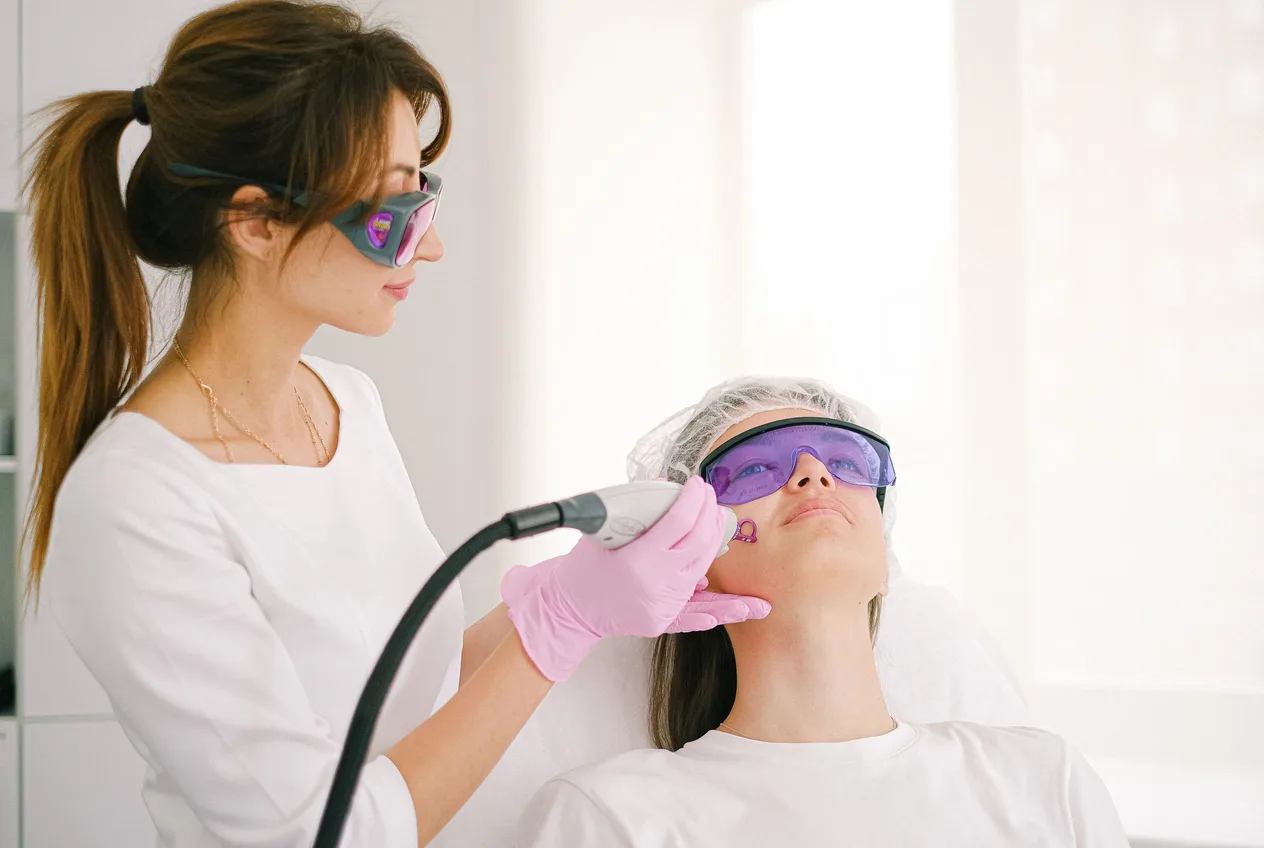
The fractional CO₂ laser is a medical treatment that stimulates collagen production to improve wrinkles, acne scars, texture and firmness of the skin through a deep skin regeneration.
What is the fractional CO₂ laser?
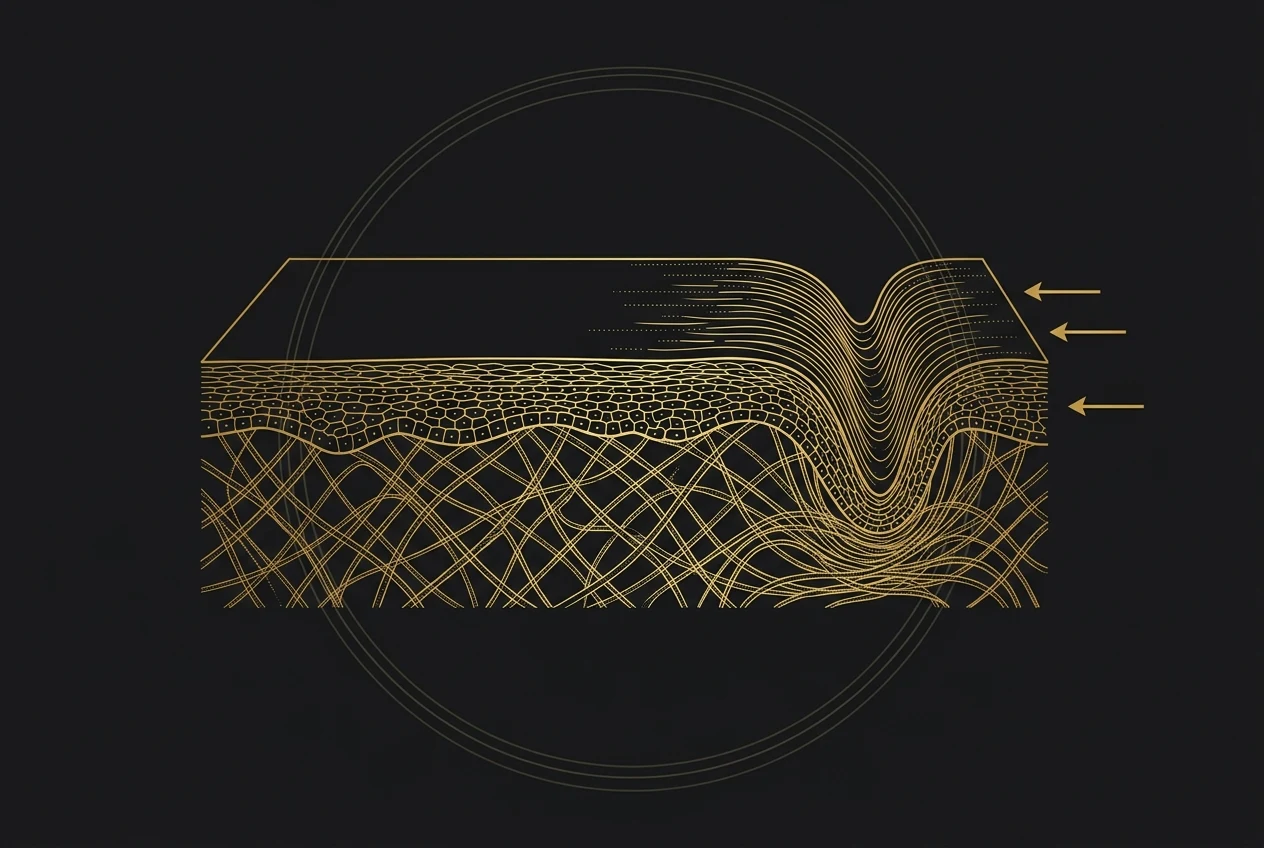
The fractional CO₂ laser is a medical skin rejuvenation treatment that acts by creating thousands of treatment microcolumns in the skin, leaving intact the areas of healthy tissue that surround them.
This mechanism makes it possible to intensely stimulate the natural repair processes and the production of new collagen, favouring a deep renewal of the skin.
It is one of the most effective treatments to improve the signs of ageing, certain scars and the damage produced by the sun.
How does it act?
The fractional CO₂ laser produces a controlled thermal injury at microscopic points of the skin. In response, the body initiates a natural regeneration process that favours:
- Collagen production.
- Elastin formation.
- Renewal of the epidermis.
- Reorganisation of the dermis.
- The improvement of firmness and skin texture.
Thanks to the fractional technology, the recovery is usually faster than with the old conventional ablative lasers.
What problems can it treat?
The fractional CO₂ laser can be used to treat:
- Skin ageing.
- Wrinkles.
- Mild or moderate laxity.
- Acne scars.
- Selected surgical or traumatic scars.
- Photoageing.
- Selected superficial spots.
- Dilated pores.
- Alterations of the skin texture.
The indication will always depend on the medical assessment.
In which areas can it be applied?
It can be used in different areas, among them:
- Face.
- Neck.
- Décolletage.
- Eyelids, in selected patients.
- Hands.
- Some body scars.
Each area requires specific parameters adapted to the type of skin and the objective of the treatment.
Who can benefit?
It may be indicated in people who:
- Wish a significant skin rejuvenation.
- Present wrinkles or loss of skin quality.
- Have acne scars.
- Present accumulated sun damage.
- Seek to improve the texture and firmness of the skin.
Not all patients are candidates. The phototype, medical history and state of the skin must be carefully assessed.
How is the treatment performed?
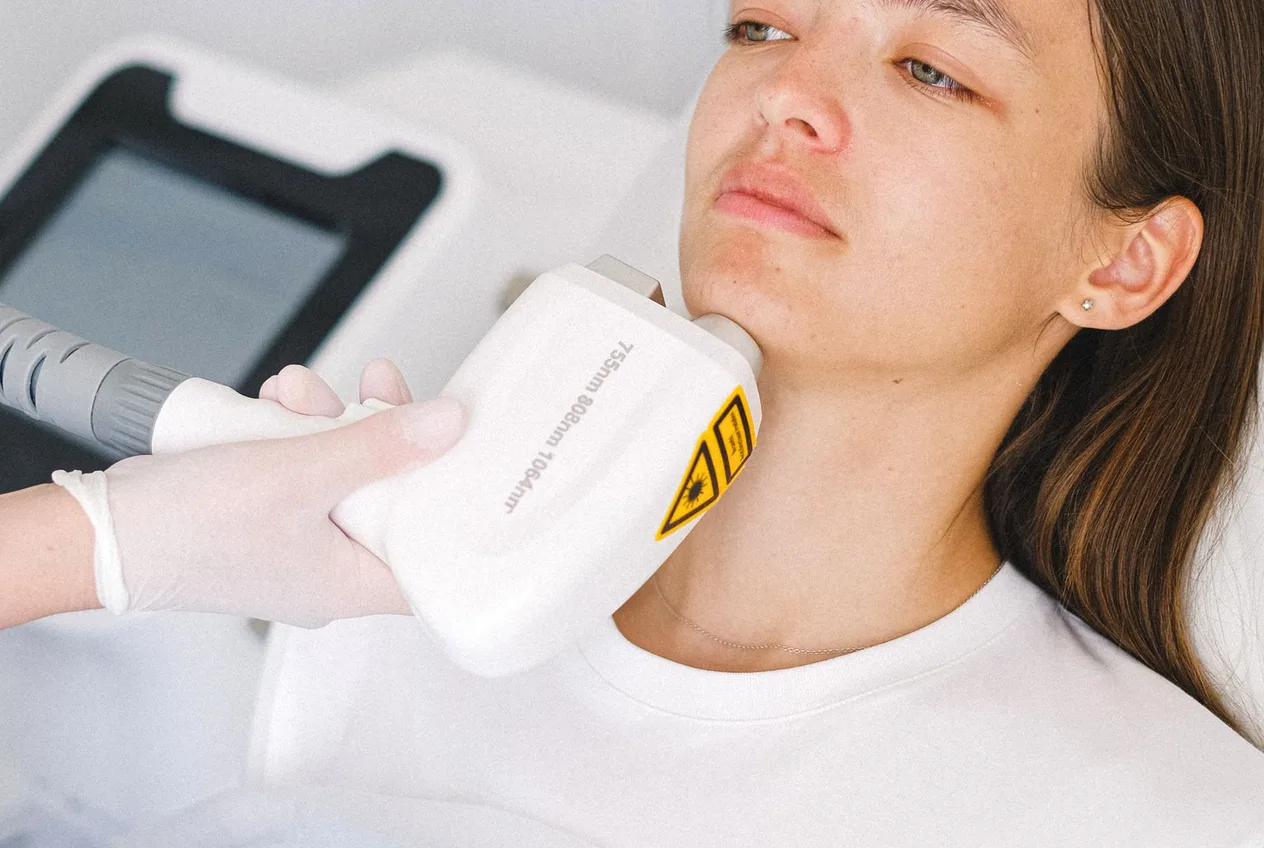
After the medical assessment and preparation of the skin, the treatment is performed with the laser using personalised parameters.
Depending on the extent treated, topical anaesthesia and, in some cases, other measures can be applied to increase the comfort of the patient.
The session usually lasts between 30 and 90 minutes, depending on the treated area.
What happens after the treatment?
It is normal to present during the first days:
- Redness.
- Sensation of heat.
- Inflammation.
- Formation of small crusts or microcrusts.
- Progressive peeling.
These changes are part of the normal process of skin regeneration. The recovery time will depend on the intensity of the treatment performed.
When are the results observed?
The initial improvement is usually appreciated once the healing process is finished.
However, the production of new collagen continues over several months, so the results continue to evolve progressively.
How long do the results last?
The results can be maintained for years, especially when the patient:
- Uses sun protection daily.
- Maintains an adequate skin care routine.
- Avoids tobacco.
- Follows healthy lifestyle habits.
Natural ageing continues, so some patients perform maintenance treatments.
What benefits does it offer?
The fractional CO₂ laser makes it possible to:
- Improve wrinkles.
- Rejuvenate the skin.
- Reduce acne scars.
- Improve skin texture.
- Decrease dilated pores.
- Increase firmness.
- Intensely stimulate collagen production.
Are there side effects?
Like any medical procedure, there may appear:
- Prolonged redness.
- Inflammation.
- Transient discomfort.
- Temporary pigmentation alterations.
- Infection or abnormal healing, infrequently.
The adequate selection of the patient and compliance with the subsequent care significantly reduce these risks.
What care should be followed afterwards?
The subsequent care is fundamental to obtain a good result. It is generally recommended to:
- Maintain an intense hydration of the skin.
- Apply the products indicated by the doctor.
- Not remove the crusts.
- Avoid sun exposure.
- Use broad-spectrum photoprotection rigorously.
- Attend the scheduled check-ups.
Can it be combined with other treatments?
Yes. It frequently is part of personalised protocols together with:
- Polynucleotides.
- Exosomes, when indicated and authorised.
- Platelet-rich plasma (PRP).
- Collagen biostimulators.
- Skinboosters.
- Other regenerative medicine treatments.
The combination must be planned in an individualised way.
When to consult?
It is advisable to request a medical assessment if:
- You present acne scars.
- You wish to improve wrinkles or laxity.
- You observe significant sun damage.
- You seek a skin rejuvenation treatment with a deep action.
- You want to know if this laser is appropriate for your type of skin.
Myths and facts
- Myth: The CO₂ laser thins the skin. Fact: No. By stimulating collagen production, the objective is to improve the quality and firmness of the skin.
- Myth: A single session serves for any problem. Fact: Some patients obtain a great improvement with one session, while others may benefit from a protocol with several sessions.
- Myth: It cannot be performed on any type of scar. Fact: It is one of the most used treatments to improve certain scars, especially those of acne.
- Myth: The results are immediate. Fact: Collagen regeneration continues for several months after the treatment.
- Myth: After the laser it is no longer necessary to use sunscreen. Fact: Daily photoprotection is essential to protect the results and prevent new sun lesions.
The essential points to remember
- The fractional CO₂ laser intensely stimulates regeneration and collagen production.
- It is one of the most effective treatments for skin rejuvenation and acne scars.
- The results appear progressively during the following months.
- The subsequent care and sun protection are fundamental.
- It can be combined with regenerative medicine treatments to optimise recovery.
- The personalised medical assessment makes it possible to select the safest and most effective protocol for each patient.
Frequently asked questions
Is the treatment painful?
It is performed with measures to minimise discomfort and is usually well tolerated.
How long does the recovery last?
It depends on the intensity of the treatment. It can vary from several days to approximately two weeks.
When will I be able to return to work?
It will depend on the protocol performed and the recovery time expected for each patient.
Can the eye contour be treated?
Yes, in carefully selected patients and always by experienced doctors.
Is it useful for acne scars?
Yes. It is one of the reference treatments to improve this type of scars.
Are the results permanent?
The improvement achieved is maintained, although natural ageing continues over time.
Can it be combined with regenerative treatments?
Yes. It is common to combine it with regenerative medicine protocols to enhance recovery and improve the results.
Is it suitable for any phototype?
No. The indication depends on the type of skin and must be assessed individually.
When will I be able to sunbathe again?
Only when the doctor authorises it and always using a very strict photoprotection.
Who should perform this treatment?
Always a doctor with specific training and experience in the handling of medical lasers.
Need personalised guidance?
This guide is for information only and does not replace a medical consultation. For an assessment tailored to your case, you may request a consultation.
Request a consultation