Exosomes
Cellular communication at the service of regenerative medicine
Exosomes are vesicles involved in cellular communication that, within regenerative medicine protocols and in accordance with the regulations in force, can contribute to improve the quality of the skin and favour the regeneration of the tissues.
What are exosomes?
Exosomes are small extracellular vesicles that naturally participate in the communication between the cells of the body. They contain different biologically active molecules that intervene in the processes of repair and regeneration of the tissues.
In regenerative medicine, exosomes represent a very promising line of research. Currently, their use depends on the legislation in force in each country and on the indications authorised by the health authorities.
In aesthetic medicine, they can be part of protocols intended to improve the quality of the skin and favour skin regeneration, always under medical criteria and within the applicable regulatory framework.
How do they act?
Exosomes act as biological messengers between cells.
Their objective is to favour the natural mechanisms of tissue repair, contributing to:
- Improve cellular communication.
- Favour the processes of regeneration.
- Optimise the quality of the skin.
- Support the recovery of the tissues after certain medical procedures.
Their effect depends on the protocol used and the characteristics of each patient.
What problems can be addressed?
Within personalised protocols, exosomes can be used to:
- Improve the quality of the skin.
- Favour skin regeneration.
- Contribute to recovery after certain laser treatments.
- Improve the luminosity and texture of the skin.
- Be part of selected hair medicine protocols.
The scientific evidence continues to evolve and the indications may vary according to the advances in research and the regulations in force.
In which areas can they be applied?
Depending on the medical protocol, they can be used in:
- Face.
- Neck.
- Décolletage.
- Back of the hands.
- Scalp.
- Other selected areas.
Who can benefit?
After an individualised medical assessment, candidates may be patients who:
- Wish to improve the quality of the skin.
- Seek regenerative medicine treatments.
- Are going to undergo certain rejuvenation procedures.
- Wish to complement hair medicine protocols.
The indication must always be individualised.
How is the treatment performed?
Exosomes can be administered through different techniques, depending on the protocol used.
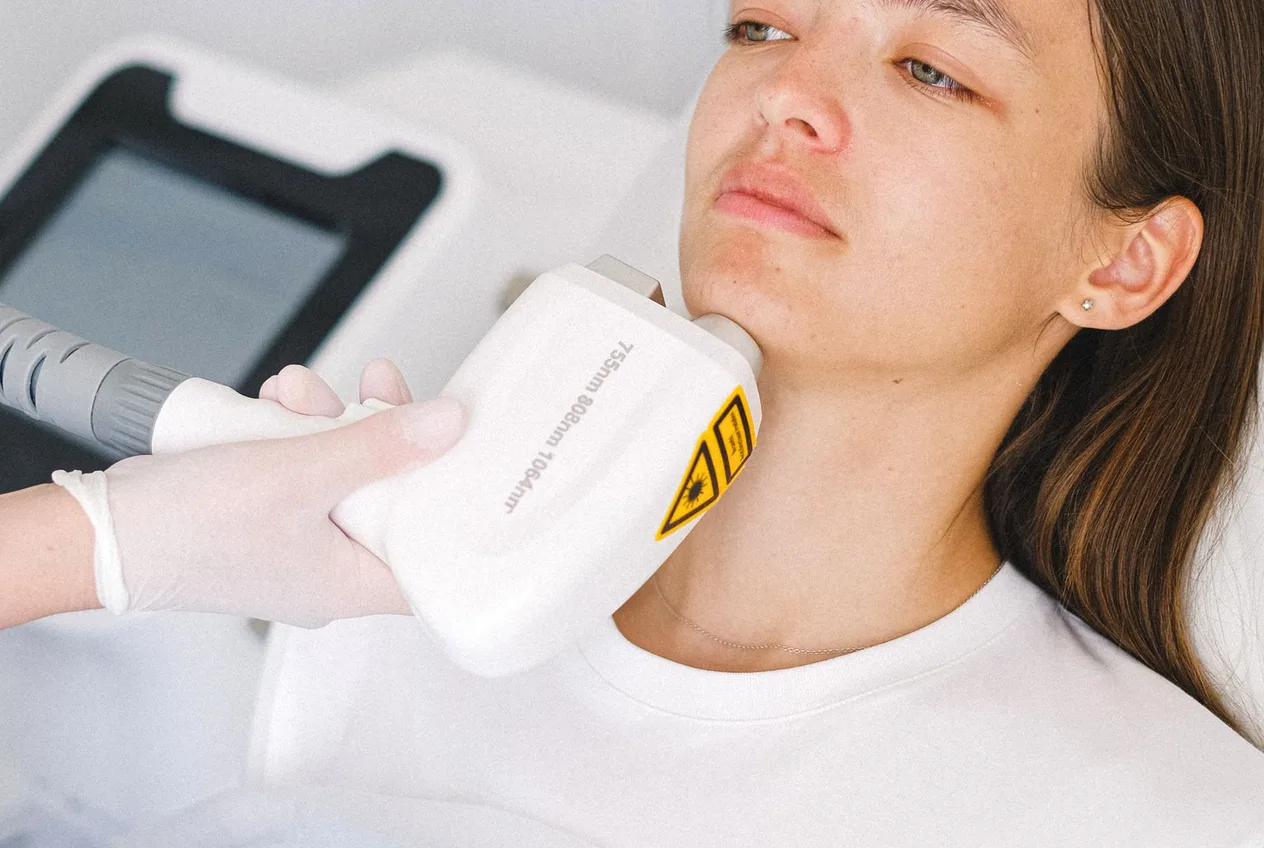
They are frequently applied after procedures that favour the penetration of the active ingredients, such as certain laser treatments or skin stimulation techniques.
The most appropriate technique will depend on the medical assessment and the authorised indications.
When do the results appear?
The changes usually develop progressively.
The evolution depends on the initial state of the skin, the associated treatment and the biological response of each patient.
How long do the results last?
There is no single duration.
The response may vary according to:
- The protocol used.
- The treated indication.
- The state of the skin.
- Lifestyle habits.
- The individual response.
In some patients maintenance sessions may be recommended.
What benefits can they offer?
Within appropriately indicated protocols, exosomes can contribute to:
- Improve the quality of the skin.
- Favour skin regeneration.
- Optimise recovery after certain procedures.
- Improve skin luminosity and texture.
- Complement regenerative medicine treatments.
Are there side effects?
The possible side effects depend mainly on the technique used.
There may appear:
- Redness.
- Mild inflammation.
- Temporary sensitivity.
- Small bruises when the treatment includes infiltrations.
Your doctor will explain the risks and benefits according to the indicated procedure.
What care should be followed afterwards?
The recommendations will depend on the treatment performed.
It is generally advised to:
- Avoid intense sun exposure.
- Maintain adequate skin hydration.
- Not manipulate the treated area.
- Carefully follow the medical indications.
Can they be combined with other treatments?
Yes. They frequently are part of personalised protocols together with:
- Medical lasers.
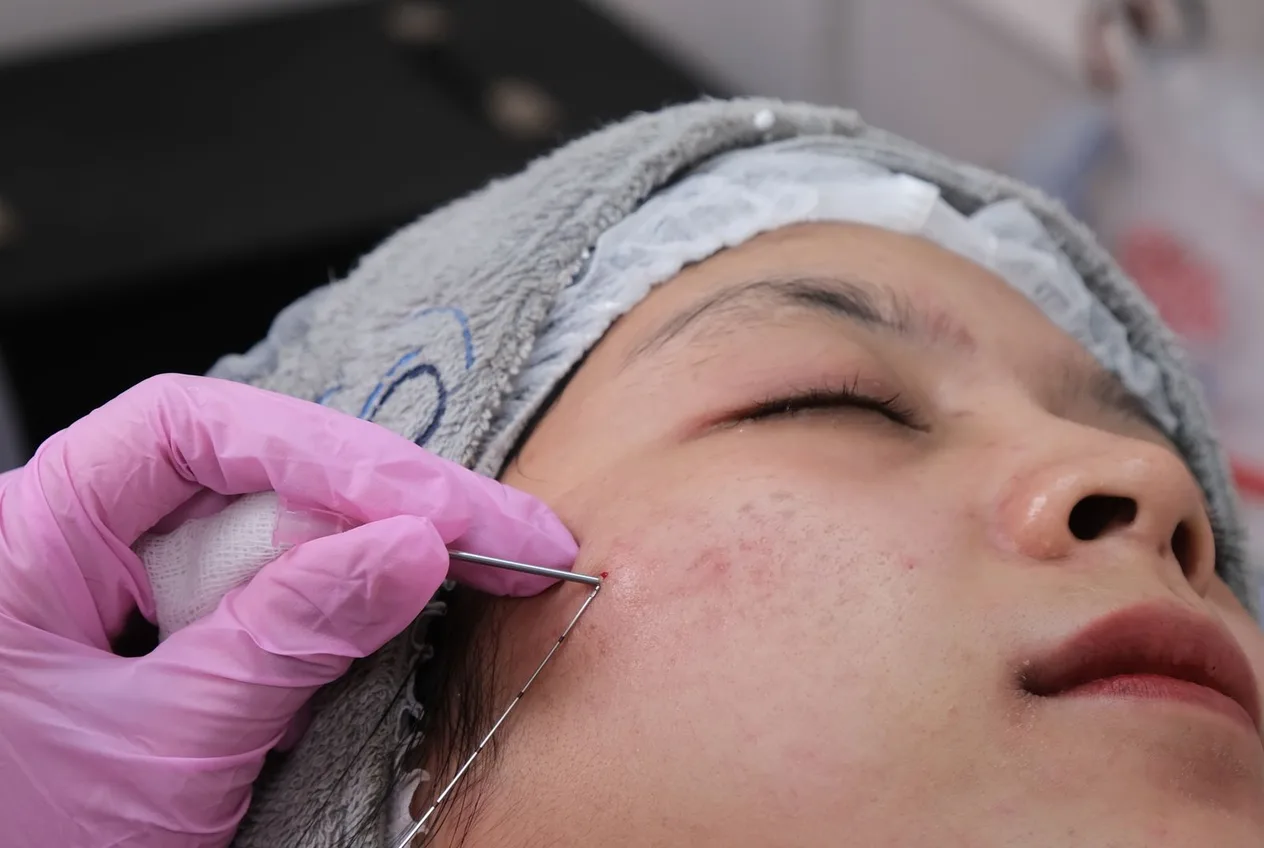
- Microneedling.
- Polynucleotides.
- Platelet-rich plasma (PRP).
- Skinboosters.
- Collagen biostimulators.
The combination must be individualised for each patient.
When to consult?
It is advisable to request a medical assessment if:
- You wish to improve the overall quality of the skin.
- You seek regenerative medicine options.
- You want to know which treatment is the most appropriate for your case.
- You are going to perform a skin rejuvenation procedure.
Myths and facts
- Myth: Exosomes are stem cells. Fact: No. Exosomes are not cells. They are small vesicles that participate in the communication between cells.
- Myth: All available exosomes offer the same results. Fact: There are important differences between the different products and, moreover, their use depends on the health regulations in force.
- Myth: The results are immediate. Fact: The improvement usually appears progressively and depends on the protocol performed.
- Myth: Exosomes replace all aesthetic treatments. Fact: They are one more tool within regenerative medicine and are usually used as a complement to other procedures.
- Myth: They are suitable for any person. Fact: The indication must always be established by a doctor after an individual assessment.
The essential points to remember
- Exosomes are vesicles that participate in the communication between cells.
- They are part of the field of regenerative medicine.
- Their objective is to improve the quality of the skin and favour the natural processes of tissue repair.
- They are frequently combined with treatments such as laser or microneedling.
- Their use must always adjust to the legislation in force and to the authorised indications.
- An individualised medical assessment makes it possible to determine whether they are part of the most appropriate treatment for each patient.
Frequently asked questions
Do exosomes provide volume?
No. Their objective is not to modify the volume of the face, but to favour regeneration and improve the quality of the skin.
Are they used alone or combined?
They frequently are part of protocols combined with other regenerative treatments.
Are the results permanent?
No. The response depends on multiple factors and the natural ageing process.
Can they be used after a laser treatment?
In certain medical protocols, yes, provided it is indicated by the professional.
Do they serve to improve the quality of the skin?
That is precisely one of their main objectives within regenerative medicine.
Can they also be used in hair medicine?
There are specific protocols in hair medicine, although the indication must be individualised.
Is there sufficient scientific evidence?
Research on exosomes continues to advance and the evidence continues to grow, although there are still aspects that require more clinical studies.
Do all countries authorise their use in the same way?
No. The regulation may vary according to the health legislation of each country.
Who should indicate this treatment?
Always a doctor with specific training in regenerative medicine and knowledge of the applicable regulations.
How to know if I am a candidate?
Through a personalised medical assessment.
Need personalised guidance?
This guide is for information only and does not replace a medical consultation. For an assessment tailored to your case, you may request a consultation.
Request a consultationTopics