Platelet-rich plasma (PRP)
Regenerative medicine with the patient's own biological resources
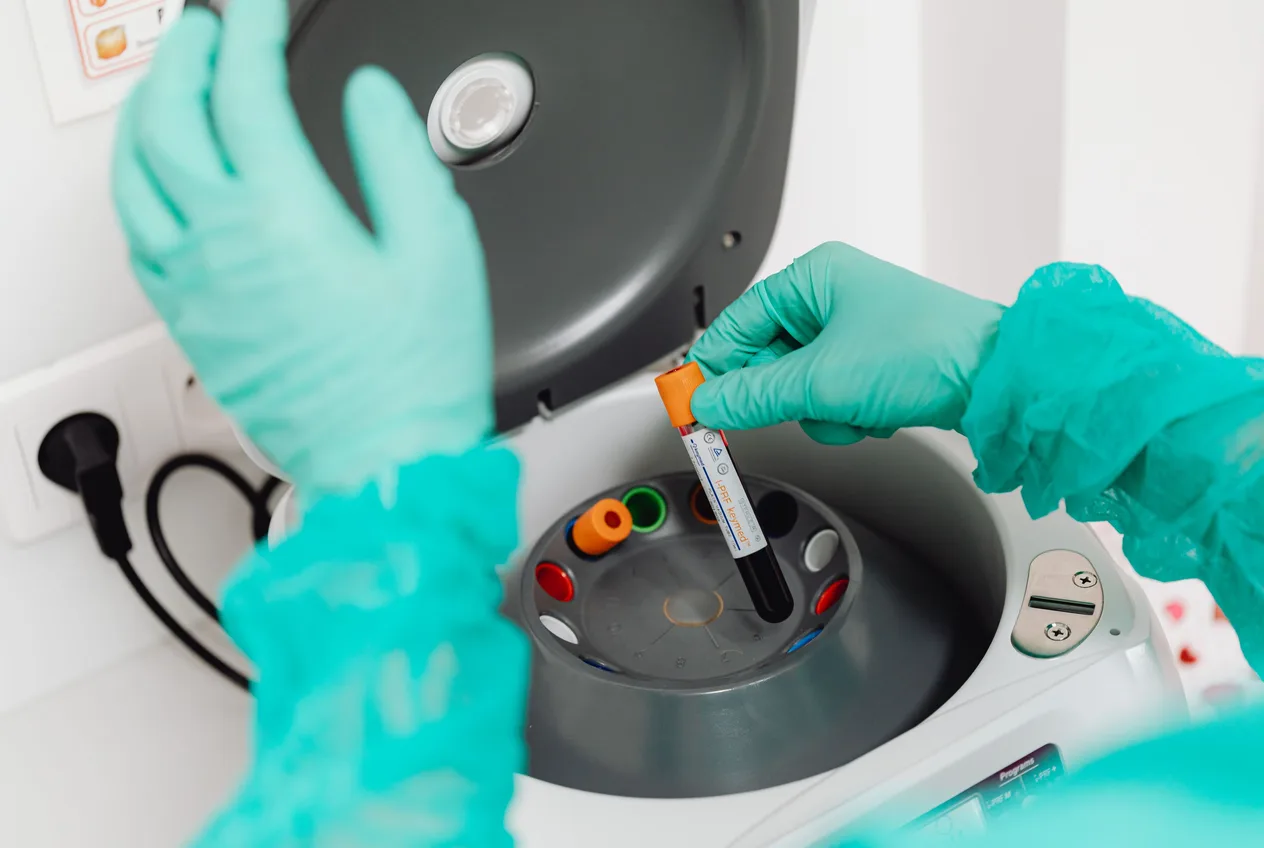
Platelet-rich plasma (PRP) is a regenerative medicine treatment that uses the growth factors present in the patient's own blood to improve the quality of the skin and favour the natural regeneration of the tissues.
What is platelet-rich plasma?
Platelet-rich plasma (PRP) is a regenerative medicine treatment that uses a fraction of the patient's own plasma, obtained from a small blood sample, with a high concentration of platelets.
Platelets contain proteins and growth factors that naturally participate in the tissue repair processes.
In aesthetic and regenerative medicine, PRP is used to improve the quality of the skin, favour skin regeneration and complement certain medical treatments, always after an individualised assessment.
How does it act?
After obtaining a small blood sample, it is processed to isolate the platelet-rich plasma.
Once infiltrated, PRP favours the natural repair mechanisms of the body, contributing to:
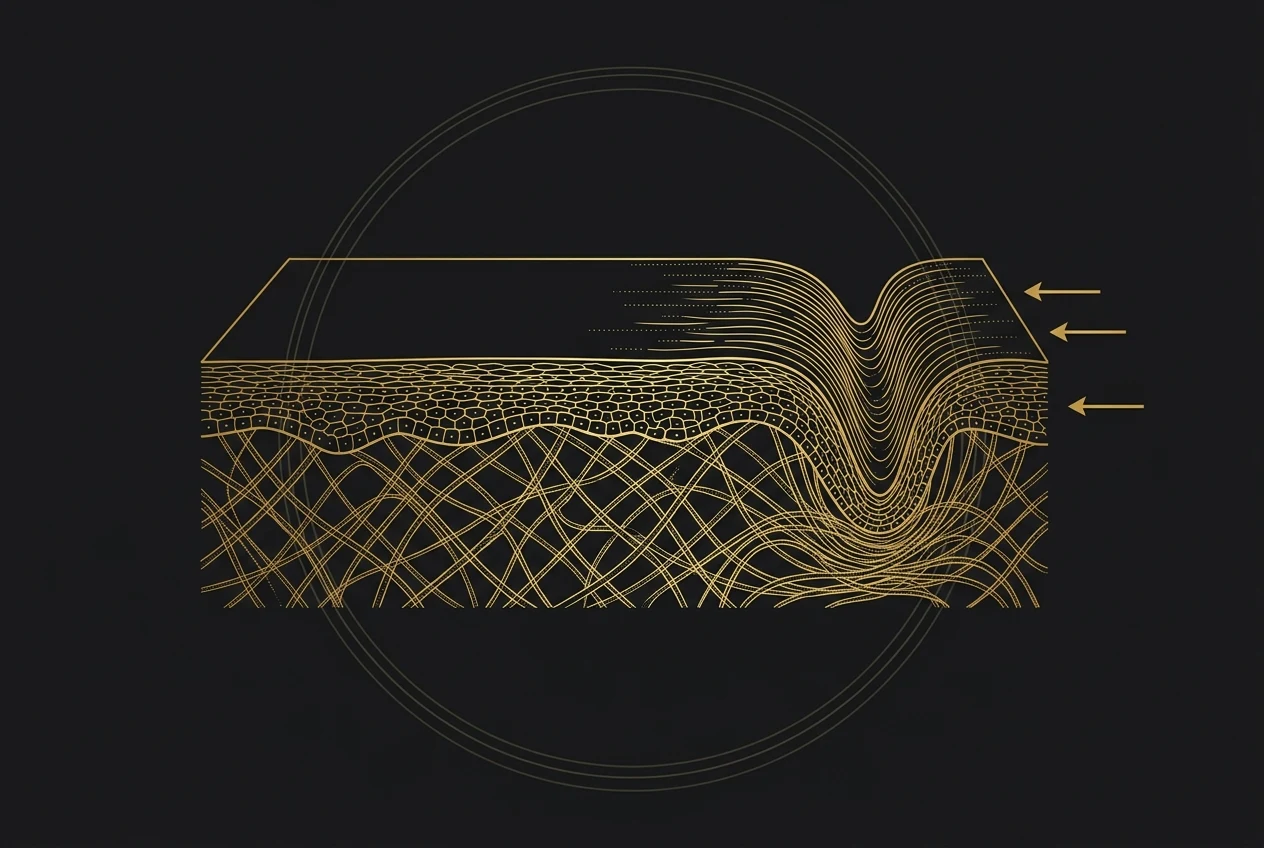
- Stimulate the activity of fibroblasts.
- Favour the production of collagen.
- Improve the elasticity of the skin.
- Increase skin quality.
- Favour the regeneration of the tissues.
The treatment uses exclusively the biological resources of the patient.
What problems can be treated?
PRP can be part of the treatment of:
- Skin ageing.
- Loss of luminosity.
- Decrease of elasticity.
- Dehydrated skin.
- Fine wrinkles.
- Certain scars.
- Selected hair medicine protocols.
- Regenerative medicine programmes.
The indication will always depend on the medical assessment.
In which areas can it be applied?
Depending on the needs of each patient, PRP can be used in:
- Face.
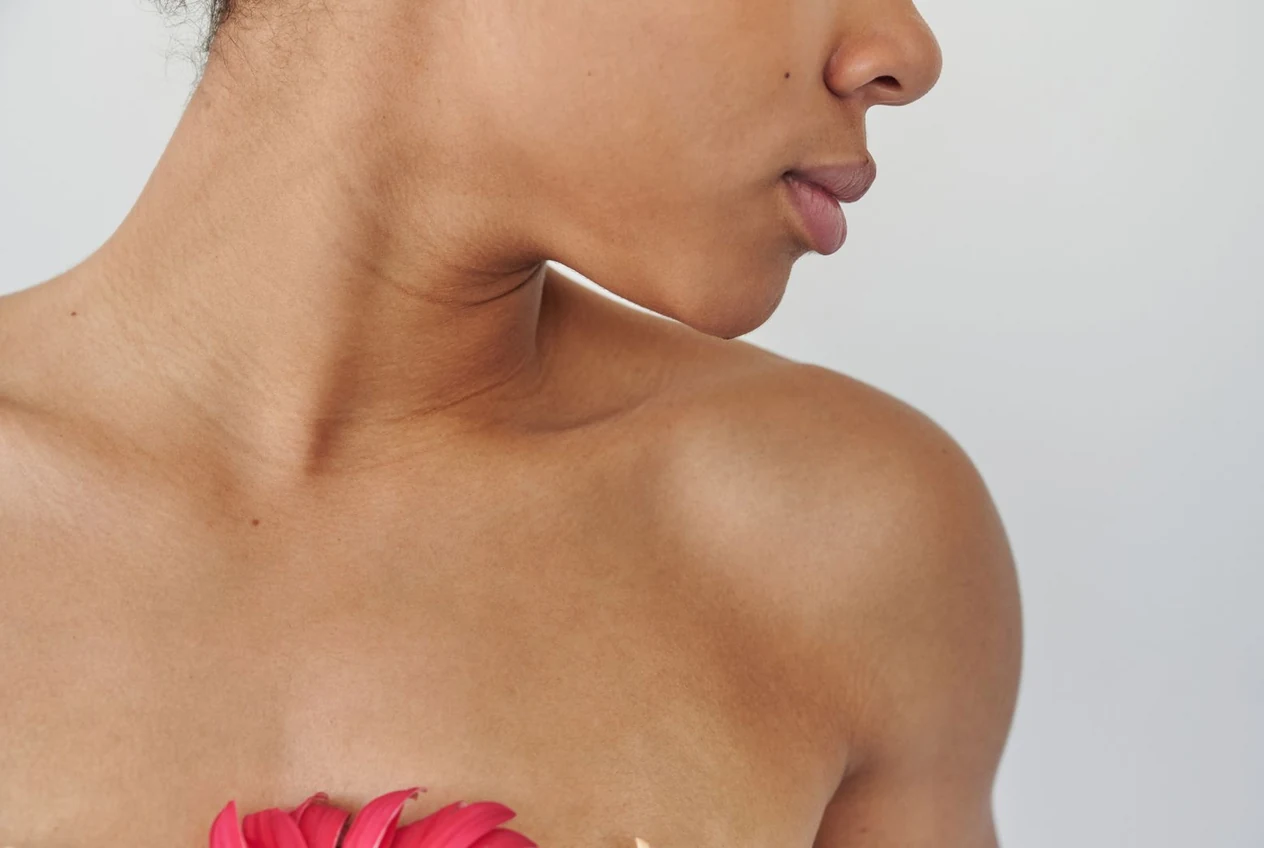
- Neck.
- Décolletage.
- Back of the hands.
- Scalp.
- Some selected body areas.
Who can benefit?
It may be indicated in people who:
- Wish to improve the quality of the skin.
- Seek a regenerative treatment.
- Present initial or moderate signs of ageing.
- Want to complement other aesthetic medicine treatments.
- Seek selected hair regeneration protocols.
Each patient requires an individual medical assessment.
How is the treatment performed?
The procedure consists of several stages:
- A small blood sample is obtained.
- The sample is processed by centrifugation.
- The platelet-rich plasma is prepared.
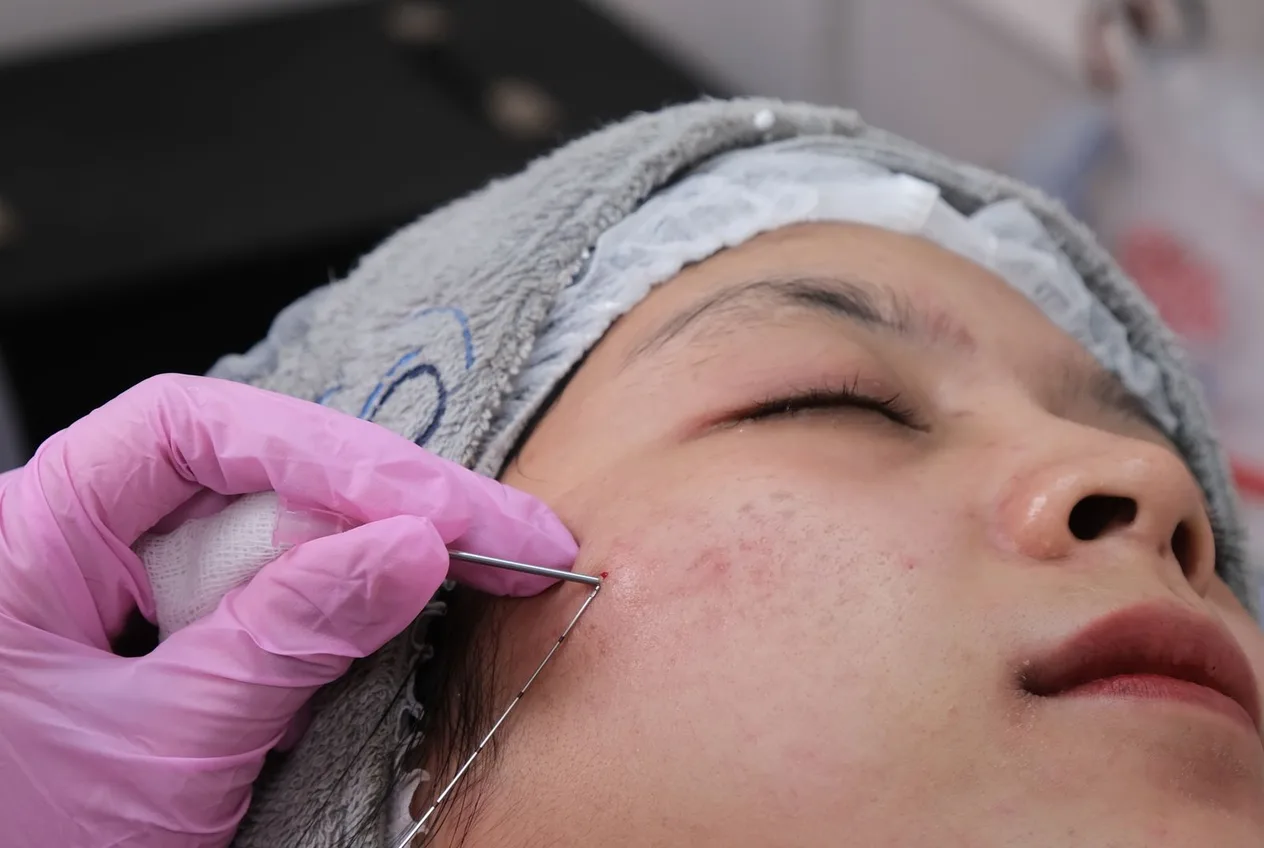
- The doctor infiltrates the PRP into the treated area through micro-injections.
The session usually lasts between 45 and 60 minutes. As it is an outpatient procedure, the patient usually returns to their usual activity the same day.
When do the results appear?
PRP does not produce an immediate change.
The improvement appears progressively during the weeks following the treatment, as the natural regeneration processes develop.
In many patients, more luminous, uniform and better-quality skin is observed over time.
How long do the results last?
The duration depends on:
- Age.
- The initial state of the skin.
- Lifestyle habits.
- The treated indication.
- The protocol performed.
It is often recommended to perform several initial sessions and subsequently maintenance sessions according to the evolution of each patient.
What benefits does it offer?
PRP can contribute to:
- Improve the quality of the skin.
- Favour skin regeneration.
- Increase luminosity.
- Improve elasticity.
- Stimulate the production of collagen.
- Complement other regenerative treatments.
The results are usually progressive and natural.
Are there side effects?
As a product obtained from the patient's own blood is used, the risk of allergic reactions is very low.
Nevertheless, like any injectable treatment, there may appear:
- Redness.
- Inflammation.
- Bruises.
- Local sensitivity.
They usually disappear within a few days.
What care should be followed afterwards?
After the treatment it is usually recommended to:
- Avoid intense exercise during the first 24 hours.
- Avoid intense heat and saunas.
- Protect the skin from the sun.
- Not manipulate the treated area.
- Follow the recommendations of the doctor.
Can it be combined with other treatments?
Yes. PRP is often integrated within personalised protocols together with:
- Polynucleotides.
- Skinboosters.
- Collagen biostimulators.
- Hyaluronic acid.
- Neuromodulators.
- Medical lasers.
- Medical peels.
Each treatment acts on different mechanisms and they can be complementary.
When to consult?
It is advisable to request a medical assessment when:
- You wish to improve the quality of the skin.
- You seek a regenerative treatment.
- You observe a loss of luminosity or elasticity.
- You want to know if PRP can be part of a personalised plan of rejuvenation or hair medicine.
Myths and facts
- Myth: PRP changes the appearance of the face. Fact: No. Its objective is to favour the regeneration of the tissues and improve the quality of the skin while completely respecting naturalness.
- Myth: The results are immediate. Fact: Regeneration takes time and the improvement appears progressively.
- Myth: PRP replaces all aesthetic treatments. Fact: It is one more tool within a personalised therapeutic plan and can be combined with other procedures.
- Myth: As it comes from blood, the treatment is dangerous. Fact: When performed following the appropriate medical protocols, it is a procedure widely used in different areas of medicine.
- Myth: It is only useful for the face. Fact: It can also be used in hair medicine and in other selected indications of regenerative medicine.
The essential points to remember
- PRP uses a fraction of the plasma obtained from the patient's own blood.
- It favours the natural processes of regeneration and repair of the tissues.
- It improves the quality, luminosity and elasticity of the skin progressively.
- It can also be part of hair medicine and regenerative protocols.
- It can be combined with other treatments to obtain more complete results.
- The personalised medical assessment is fundamental to determine whether this treatment is appropriate for each patient.
Frequently asked questions
Is the treatment painful?
The discomfort is usually mild and well tolerated.
Does it need anaesthesia?
It depends on the treated area. In some cases topical anaesthesia can be used.
How long does the session last?
Usually between 45 and 60 minutes.
Can I return to work the same day?
Yes, in most cases.
How many sessions are usually recommended?
It depends on the indication and the protocol established by the doctor.
Does PRP provide volume?
No. Its objective is to favour the regeneration of the tissues and improve the quality of the skin.
Can it be combined with other treatments?
Yes. It is often part of personalised rejuvenation protocols.
Is it suitable for men?
Yes. It can be used in both men and women.
Are the results permanent?
No. Ageing continues naturally, so maintenance sessions may be recommended.
Who should perform this treatment?
Always a doctor with specific training and experience in regenerative medicine.
Need personalised guidance?
This guide is for information only and does not replace a medical consultation. For an assessment tailored to your case, you may request a consultation.
Request a consultation