Tobacco and skin ageing: the silent enemy of the skin
How smoking ages the skin
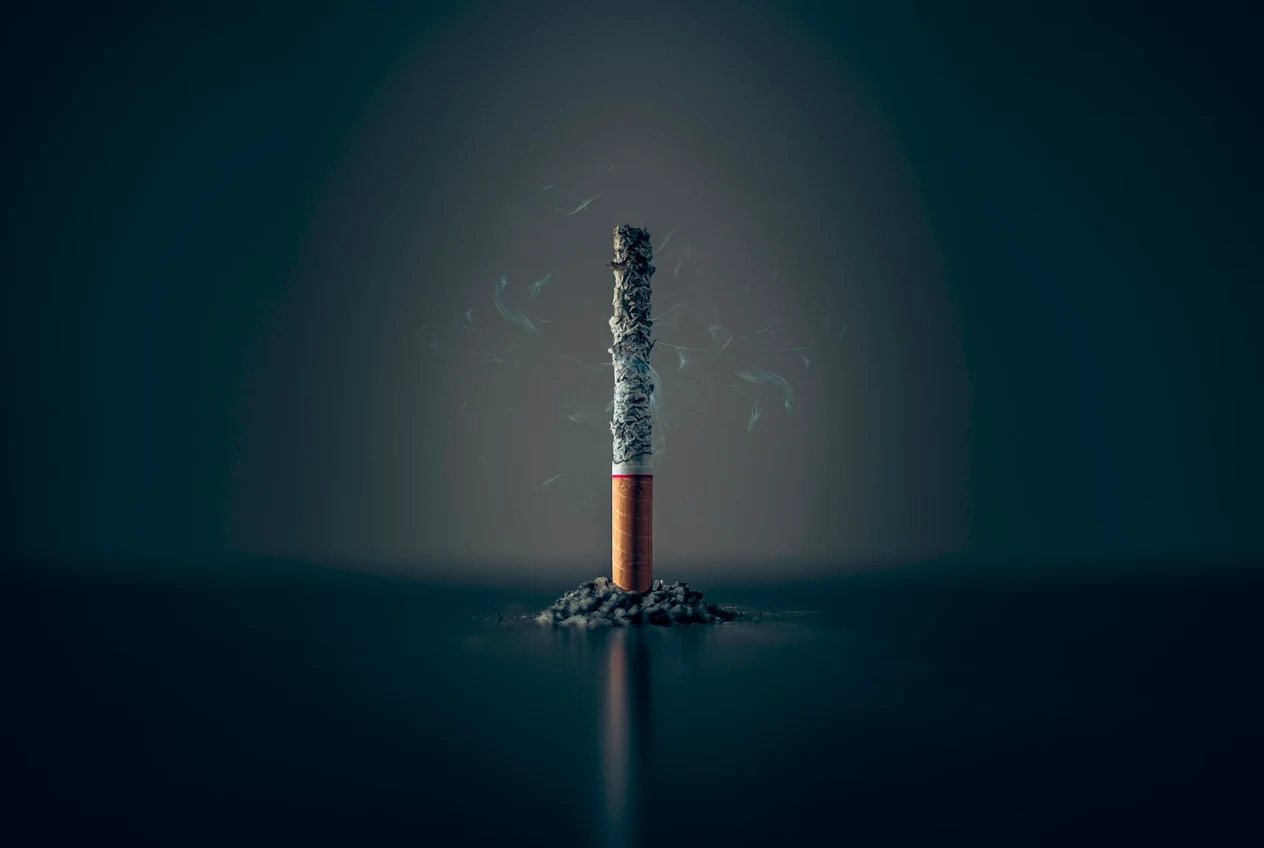
Smoking accelerates skin ageing by reducing the supply of oxygen, destroying collagen and elastin and increasing oxidative stress. In addition, it worsens healing, favours various skin diseases and decreases the efficacy of many treatments. Giving up tobacco is the most effective measure to preserve healthy skin and healthy ageing.
If I could only give one piece of advice to keep young skin…
Do not smoke.
No cosmetic, no supplement and no aesthetic medicine treatment can compensate for the effects of tobacco on the skin.
Decades of scientific research have shown that smoking accelerates skin ageing, deteriorates healing, favours numerous skin diseases and increases the risk of several types of cancer.
What happens in the skin every time you smoke a cigarette?
Each inhalation causes a series of harmful changes:
- It decreases the blood flow to the skin.
- It reduces the supply of oxygen and nutrients.
- It increases oxidative stress.
- It generates thousands of toxic substances.
- It favours chronic inflammation.
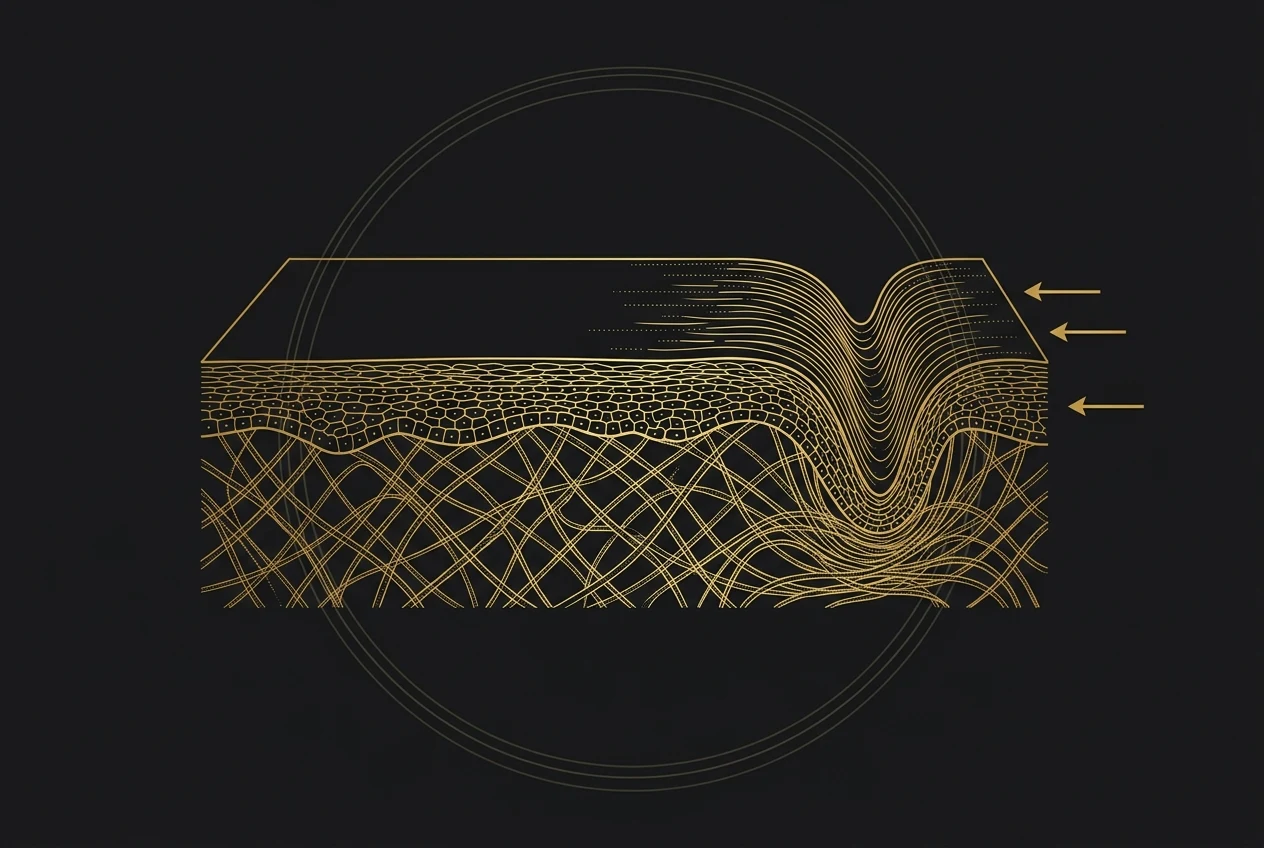
- It accelerates the degradation of collagen and elastin.
The skin progressively loses its ability to repair itself and stay young.
Collagen: one of the first victims
Collagen provides firmness and resistance to the skin.
Tobacco:
- Decreases its production.
- Increases its degradation.
- Reduces the ability of the fibroblasts to manufacture new fibres.
As a consequence, the following appear earlier:
- Wrinkles.
- Sagging.
- Loss of elasticity.
- Thinning of the skin.
For this reason, smokers usually present a clearly earlier facial ageing.
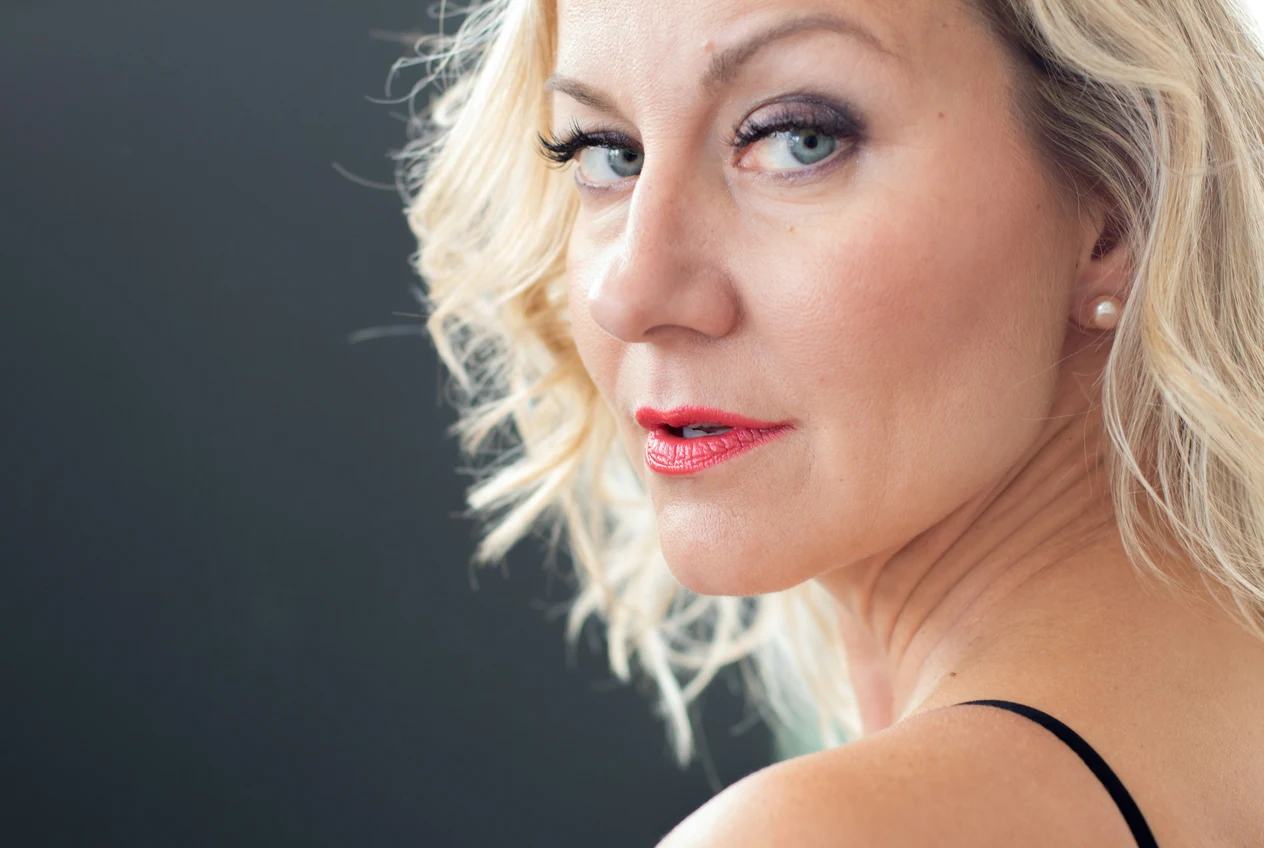
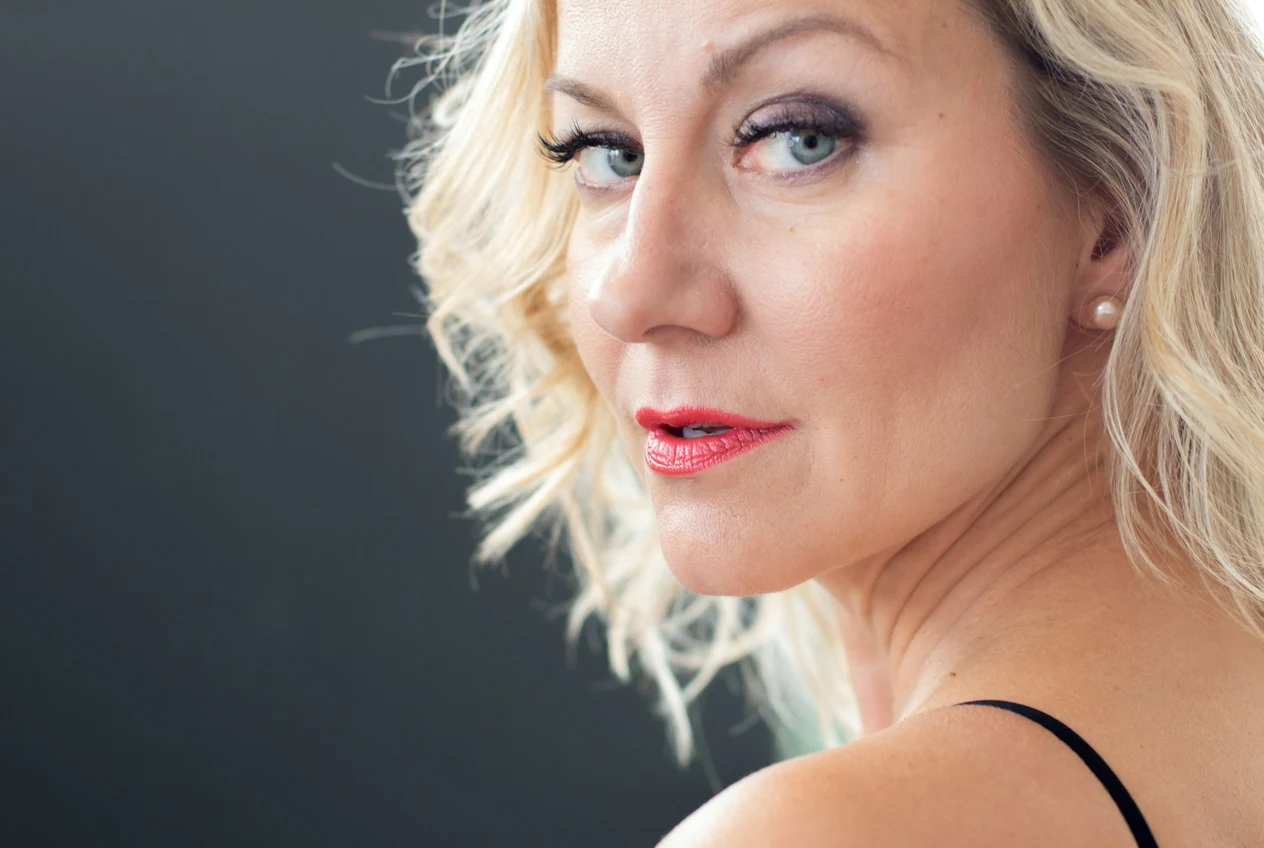
The so-called "smoker's face"
Skin health specialists have described for decades a set of characteristic signs:
- Deep wrinkles around the mouth.
- More marked crow's feet.
- Dull skin.
- Yellowish or greyish colour.
- Loss of luminosity.
- Early sagging.
- A tired appearance even in young people.
In heavy smokers, the skin can look many more years old than it really is.
Tobacco also hinders healing
Poorly oxygenated skin heals worse.
Smokers present more frequently:
- Delayed healing.
- Greater risk of infection.
- Worse surgical results.
- Poorer quality scars.
- Greater risk of necrosis after certain surgeries.
For this reason, many surgeons recommend giving up tobacco weeks before an operation.
Tobacco favours skin diseases
Numerous studies have related smoking with a greater risk or a worse evolution of diseases such as:
- Psoriasis.
- Hidradenitis suppurativa.
- Cutaneous squamous cell carcinoma.
- Alopecia.
- Delayed healing.
- Premature ageing.
The scientific evidence is especially solid for psoriasis and hidradenitis suppurativa.
Tobacco and skin cancer
Tobacco increases the risk of various types of cancer.
In the field of skin health, there is an especially demonstrated relationship with cutaneous squamous cell carcinoma, in addition to enhancing the damage produced by ultraviolet radiation.
Are creams of any use if I keep smoking?
Creams can improve hydration and partially protect the skin.
However, no cosmetic can neutralise the continuous damage produced by tobacco.
It is comparable to trying to repair a wall while continuing to strike it every day.
And aesthetic medicine treatments?
Medical treatments can improve the quality of the skin.
However, in smokers:
- The response is usually lower.
- Collagen production is reduced.
- Tissue repair is slower.
- The results may last a shorter time.
Giving up tobacco is probably the most effective anti-ageing treatment that exists.
What happens when you stop smoking?
The good news is that the organism begins to recover very soon.
After giving up tobacco:
- Circulation improves.
- The oxygenation of the skin increases.
- Inflammation decreases.
- The skin tone improves.
- The skin recovers part of its luminosity.
Although some already established wrinkles do not disappear, stopping smoking halts a large part of the future damage and improves the response of the skin to treatments.
What about other people's smoke?
Ambient smoke also contains toxic substances.
In addition to its effects on respiratory and cardiovascular health, passive exposure contributes to oxidative damage and is part of the reasons why more and more countries are expanding smoke-free spaces to protect the entire population.
Myths and facts
- Myth: I only smoke a few cigarettes a day. Fact: There is no safe level of tobacco consumption.
- Myth: If I do sport and use good creams, tobacco does not affect my skin. Fact: Exercise and skin care are beneficial, but they do not compensate for the biological damage of tobacco.
- Myth: Aesthetic treatments completely correct the ageing caused by smoking. Fact: The results are always better when the patient stops smoking.
- Myth: Only the lungs suffer from tobacco. Fact: The skin is one of the organs that reflects its effects earliest.
- Myth: Stopping smoking is no longer useful because the damage is done. Fact: Giving up tobacco brings benefits at any age and begins to improve the health of the skin and of the organism from the first weeks.
The essential points to remember
- Tobacco is one of the main accelerators of skin ageing.
- It destroys collagen and elastin, reduces oxygenation and favours oxidative stress.
- It worsens healing and decreases the efficacy of many skin and aesthetic treatments.
- It increases the risk of various skin diseases and of some skin cancers.
- Stopping smoking improves general health and allows the skin to recover part of its repair capacity.
- No anti-ageing treatment is as effective as giving up tobacco.
Frequently asked questions
Does smoking produce wrinkles?
Yes. It is one of the external factors that most accelerates skin ageing.
Does tobacco destroy collagen?
Yes. It reduces its production and favours its degradation.
Does the skin improve when you stop smoking?
Yes. Circulation, oxygenation and the general appearance of the skin improve.
Are electronic cigarettes harmless to the skin?
It cannot be affirmed. Although they differ from combustible tobacco, their long-term effects are still being investigated and they should not be considered a healthy alternative.
Does tobacco influence healing?
Yes. It delays tissue repair and increases the risk of complications.
Does it affect aesthetic treatments?
Yes. Smokers usually respond worse to many rejuvenation procedures.
Is there a safe amount of tobacco?
No. The scientific evidence indicates that any consumption implies risks to health.
Is passive smoke also harmful?
Yes. Involuntary exposure to tobacco smoke also has demonstrated effects on health.
What is the best anti-ageing treatment?
Not smoking.
Which decision will have the greatest impact on my skin?
Definitively giving up tobacco.
Need personalised guidance?
This guide is for information only and does not replace a medical consultation. For an assessment tailored to your case, you may request a consultation.
Request a consultation