Alcohol and skin health: how it affects skin ageing
How alcohol affects the skin
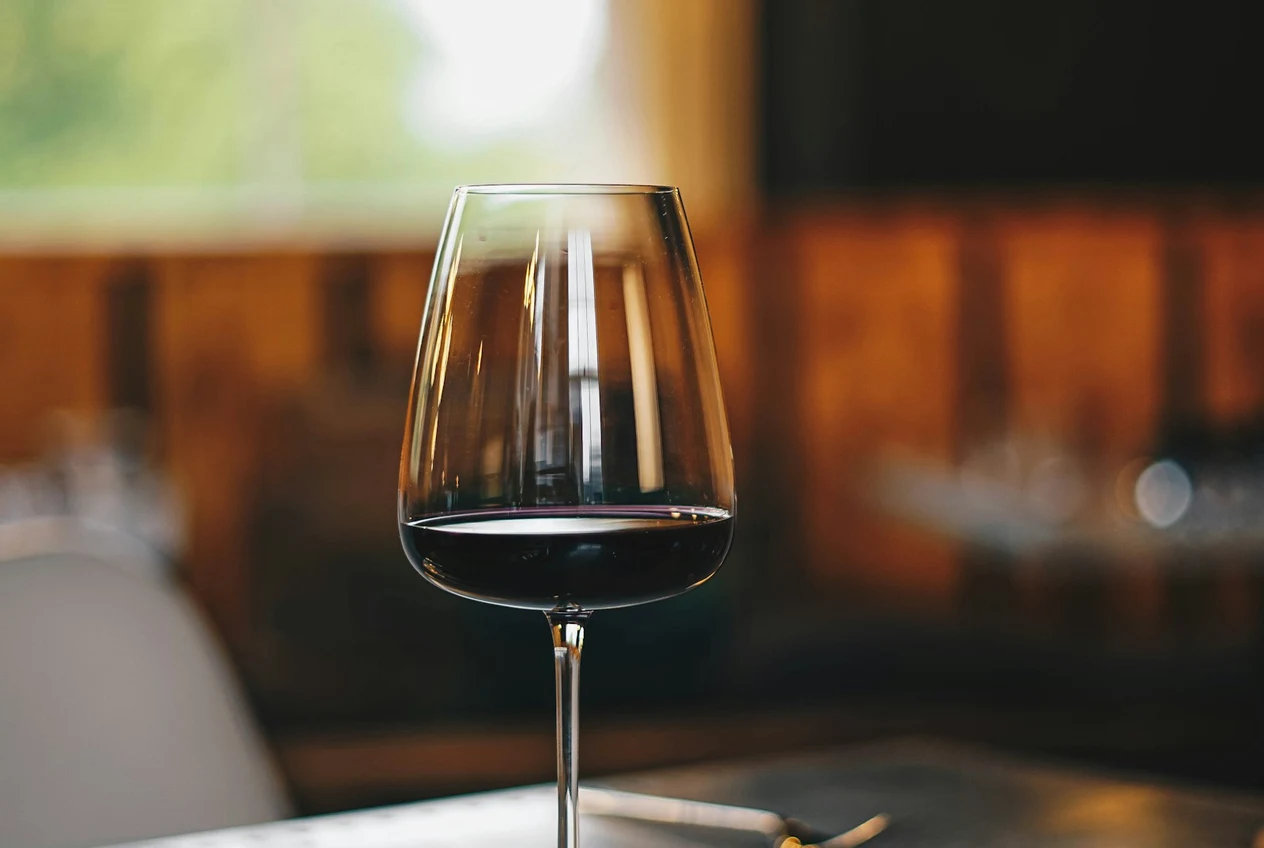
Excessive alcohol consumption favours skin ageing through dehydration, inflammation and oxidative stress. It can also worsen rosacea, delay healing and alter the quality of the skin. Reducing consumption is part of a healthy lifestyle and of a healthy ageing strategy.
Does alcohol influence the skin?
Yes.
Alcohol does not only affect the liver, the heart or the nervous system. It also has an important impact on the skin.
Although an occasional and moderate intake does not produce the same effects as a chronic consumption, the scientific evidence shows that alcohol abuse favours skin ageing, alters the quality of the skin and increases the risk of various diseases.
The skin is usually one of the first organs to reflect its consequences.
What happens in the skin when we consume alcohol?
Alcohol produces different biological effects:
- It favours dehydration.
- It increases oxidative stress.
- It increases inflammation.
- It alters the quality of sleep.
- It favours the dilation of the blood vessels.
- It decreases the repair capacity of the tissues.
Over time, these mechanisms contribute to skin ageing.
Does alcohol produce wrinkles?
Ageing depends on many factors.
However, a high and sustained consumption of alcohol favours:
- Loss of luminosity.
- Dull skin.
- Dehydration.
- Decreased elasticity.
- Earlier appearance of wrinkles.
In addition, it is usually associated with other unhealthy habits, such as smoking, poor diet and lack of rest, which further enhance these effects.
Alcohol and rosacea
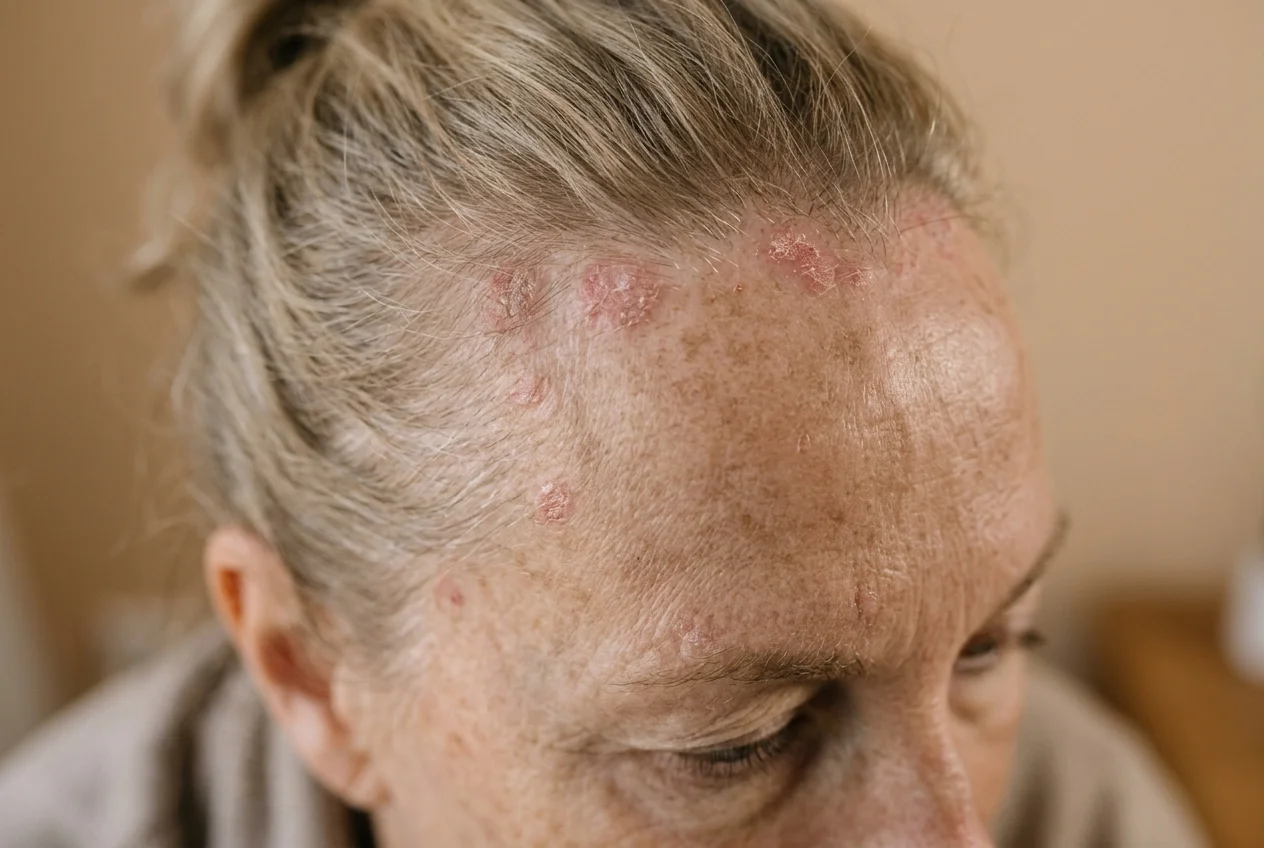
There is a well-known relationship between alcohol and rosacea.
In many predisposed people it can favour:
- Facial redness.
- Intense flushing.
- Greater visibility of the blood vessels.
- Worsening of the flare-ups.
Not all drinks produce the same response and each patient presents a different sensitivity.
Alcohol alters the hydration of the skin
Alcohol favours the loss of fluids.
As a consequence, the skin can present:
- A sensation of dryness.
- A dull appearance.
- Less elasticity.
- Greater sensitivity.
Good hydration helps, but it does not completely eliminate these effects.
Sleeping badly also ages the skin
The consumption of alcohol alters the quality of sleep, even when it makes falling asleep easier.
During deep sleep, numerous mechanisms of skin repair are activated.
When this rest is repeatedly altered, the skin loses part of its regeneration capacity.
Does it influence healing?
Yes.
The excessive and sustained consumption of alcohol can delay healing and hinder the repair of the tissues, especially in people with malnutrition or associated diseases.
Alcohol and skin cancer
Ultraviolet radiation remains the main risk factor for skin cancer.
Nevertheless, high alcohol consumption has been associated in various epidemiological studies with a greater risk of melanoma and of basal cell carcinoma, probably due to multiple biological and behavioural mechanisms.
Research continues, but reducing alcohol consumption is part of a healthy lifestyle.
Does a glass of wine a day protect health?
For years it was thought that small amounts of wine could be beneficial.
Currently, the scientific evidence is much more cautious.
The main medical societies consider that the consumption of alcohol should not be recommended as a measure to improve health.
If a person does not drink, there is no medical reason to start.
What happens when consumption is reduced?
Many people observe a progressive improvement:
- Greater luminosity.
- Less redness.
- Better hydration.
- Better quality of sleep.
- Less inflammation.
The skin usually reflects these changes quickly.
Myths and facts
- Myth: Only strong alcohol harms the skin. Fact: What matters is the total amount of alcohol consumed, regardless of the drink.
- Myth: A glass of wine rejuvenates the skin. Fact: There is no evidence to justify recommending alcohol to improve skin health.
- Myth: Alcohol only affects the liver. Fact: It also influences the skin, sleep, inflammation and healing.
- Myth: Drinking a lot of water eliminates the effects of alcohol on the skin. Fact: Hydration helps, but it does not neutralise the biological damage of excessive consumption.
- Myth: Rosacea worsens equally with all drinks. Fact: Each patient presents different triggers and must learn to identify them.
The essential points to remember
- Alcohol abuse favours skin ageing through dehydration, inflammation and oxidative stress.
- It can worsen diseases such as rosacea and delay healing.
- The current scientific evidence does not recommend consuming alcohol for health reasons.
- Sleeping well, staying hydrated and maintaining healthy habits benefit the skin much more than any alcoholic drink.
- Reducing consumption usually translates into more luminous, less inflamed and better-looking skin.
- For healthy ageing, the lower the alcohol consumption, the better.
Frequently asked questions
Does alcohol age the skin?
Yes, especially when consumption is high and sustained.
Does it produce dehydration?
Yes. It favours the loss of fluids and can make the skin look drier and duller.
Can it worsen rosacea?
Yes. It is one of the most frequent triggers in many people.
Does it influence wrinkles?
It can favour faster ageing through oxidative stress and chronic inflammation.
Does it affect healing?
Yes, especially when there is excessive consumption.
Is there a completely safe amount?
The current evidence indicates that the lower the alcohol consumption, the lower the risk to health.
Will my skin improve if I reduce alcohol?
In many cases yes. The improvement can be seen in a few weeks.
Does alcohol favour skin cancer?
Some studies have found an association with certain skin cancers, although the main risk factor remains ultraviolet radiation.
What is more harmful to the skin: tobacco or alcohol?
Both are harmful, but the scientific evidence on the accelerating effect on skin ageing is especially solid in the case of tobacco.
What is the best advice?
If you drink alcohol, do so in moderation. If you do not drink, there is no medical reason to start.
Need personalised guidance?
This guide is for information only and does not replace a medical consultation. For an assessment tailored to your case, you may request a consultation.
Request a consultation