Everything about rosacea: causes, symptoms, treatments and care to control the disease
Complete medical guide to rosacea
Rosacea is a chronic inflammatory disease that causes facial redness, visible vessels and inflammatory outbreaks. An early diagnosis, an appropriate cosmetic routine, daily photoprotection and personalised treatments make it possible to effectively control the disease and improve the quality of life.
Rosacea is not simply sensitive skin
Rosacea is a chronic inflammatory disease of the skin that mainly affects the face.
For many years it was considered a simple aesthetic problem or a consequence of having sensitive skin.
Today we know that it is a complex disease in which genetic, immunological, vascular, neurological and environmental factors are involved.
Although there is currently no definitive cure, rosacea can be very well controlled in most patients through an early diagnosis, appropriate care and personalised treatments.
What exactly is rosacea?
Rosacea is a chronic inflammatory disease that affects above all:
- The cheeks.
- The nose.
- The forehead.
- The chin.
It is characterised by a variable combination of:
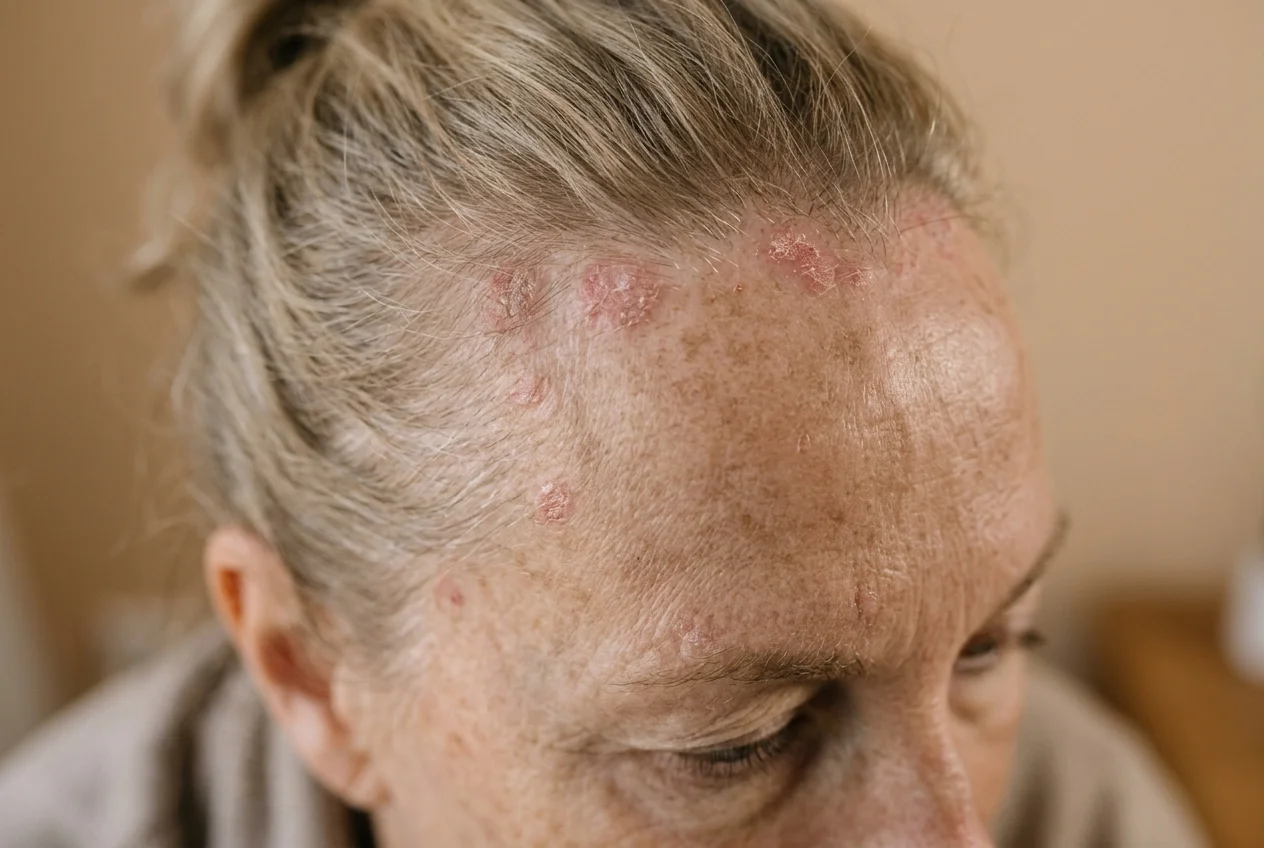
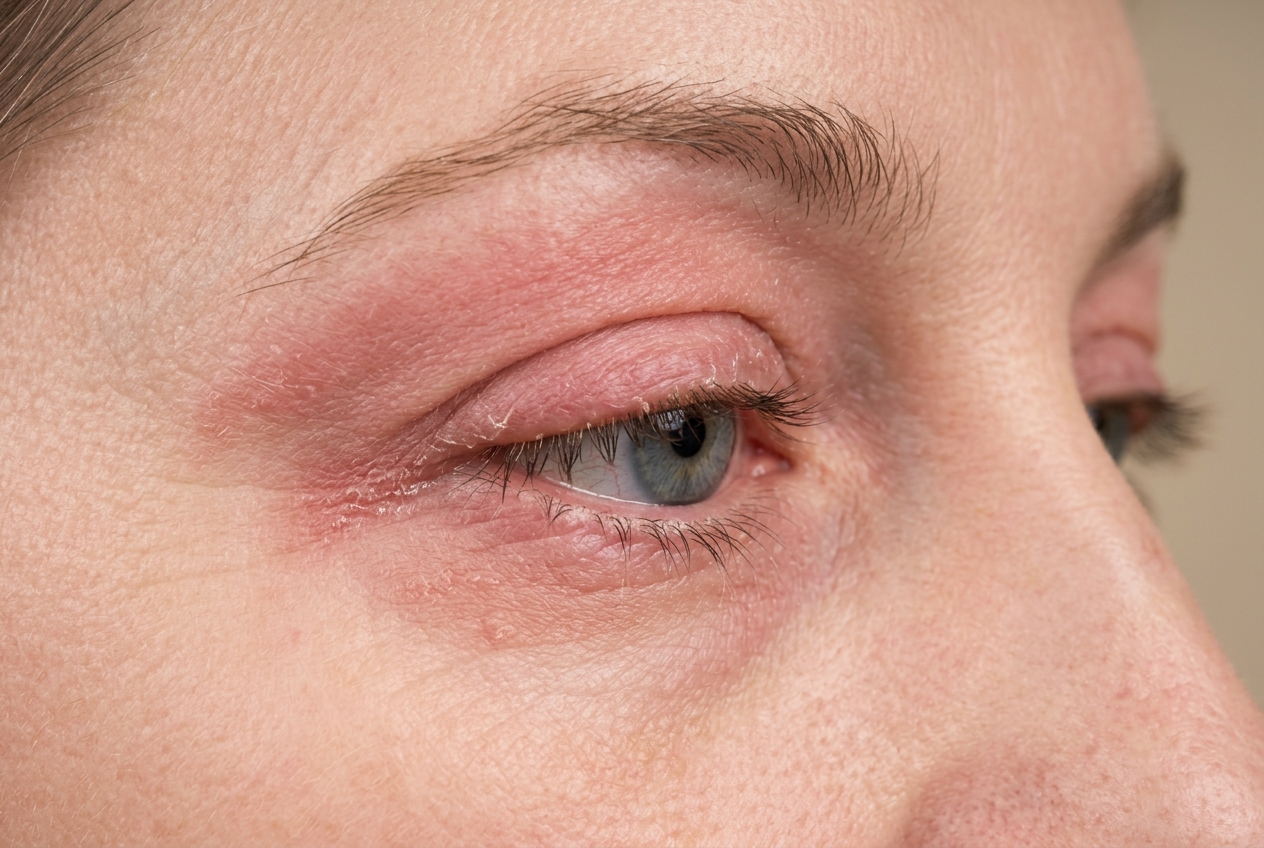
- Persistent redness.
- Episodes of intense blushing (flushing).
- Visible blood vessels (telangiectasias).
- Inflammatory papules and pustules.
- A sensation of heat, burning or stinging.
- Skin hypersensitivity.
It is neither an infection nor a contagious disease.
Whom does it affect?
It can appear in anyone, although it is more frequent:
- Between 30 and 60 years of age.
- In people with fair skin.
- In women, although some severe forms are more usual in men.
The disease can begin very discreetly and evolve slowly over years.
Why does it appear?
There is no single cause.
It is currently considered that multiple mechanisms are involved:
- A genetic predisposition.
- An alteration of the innate immune system.
- A dysfunction of the blood vessels.
- Chronic inflammation.
- An alteration of the skin barrier.
- A greater sensitivity of the nerve endings.
- Changes in the microbiota of the skin.
In some patients Demodex mites may also have an influence, although they are not the sole cause of the disease.
Is rosacea an allergy?
No.
Nor is it an infection or a lack of hygiene.
It is a chronic inflammatory disease.
Types of rosacea
It is currently preferred to classify the disease according to the predominant signs, since the same patient can present several manifestations at the same time. The most frequent are:
Erythematous rosacea. The following predominate:
- Persistent redness.
- Flushing.
- Visible vessels.
Papulopustular rosacea. In addition to redness, the following appear:
- Inflammatory pimples.
- Pustules.
- Repeated outbreaks.
It must not be confused with acne.
Phymatous rosacea. It produces a progressive thickening of the skin, especially of the nose (rhinophyma). It is much less frequent.
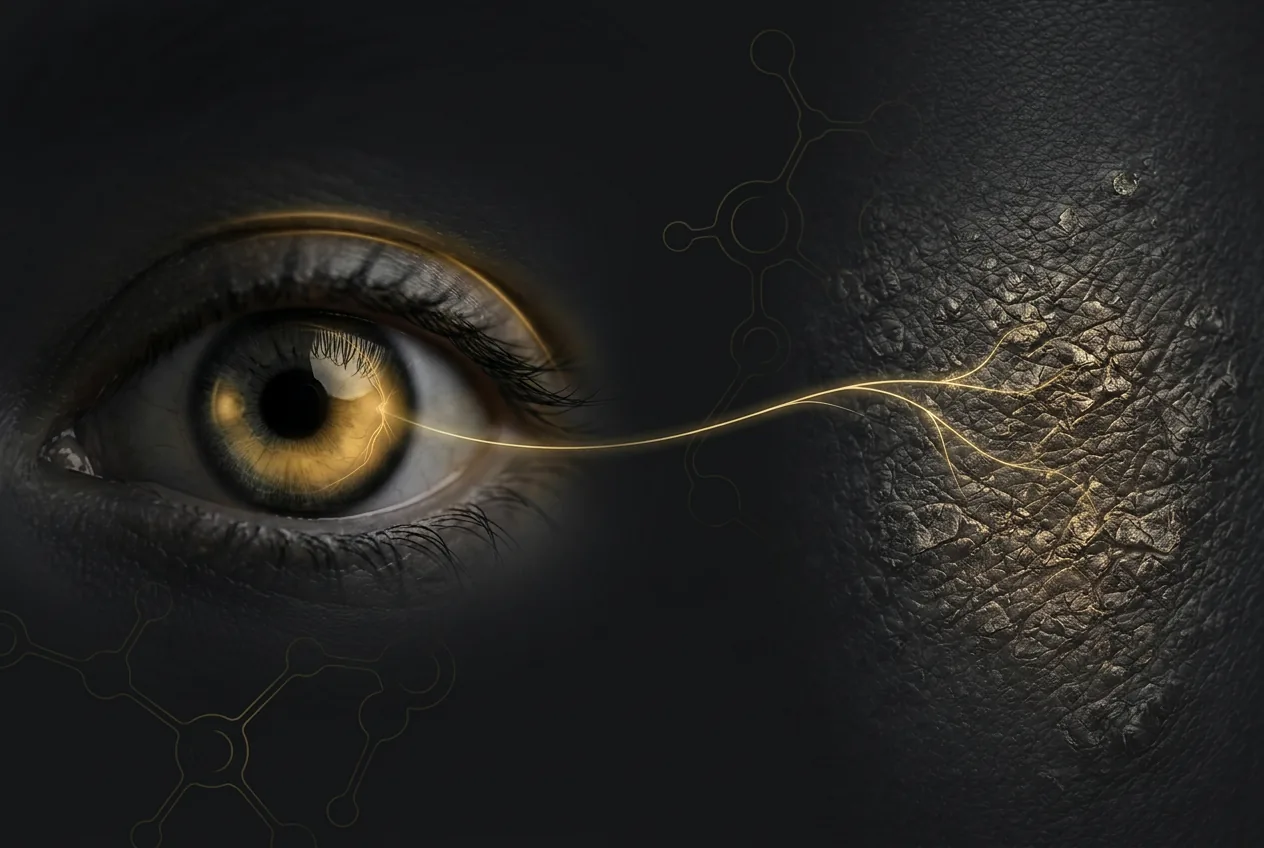
Ocular rosacea. It can affect the eyes, causing:
- Dryness.
- A gritty sensation.
- Irritation.
- Red eyes.
- Inflammation of the eyelids.
It should also be assessed by an ophthalmologist when there is significant involvement.
How to differentiate rosacea from acne?
Although both diseases can produce pimples, there are important differences.
In rosacea:
- Comedones do not usually appear.
- Redness predominates.
- There is greater sensitivity.
- Burning and flushing are frequent.
In acne, comedones and the excessive production of sebum predominate.
In some patients both diseases can coexist.
What triggers the outbreaks?
Each patient presents different triggers. The most frequent are:
- Sun.
- Heat.
- Sudden temperature changes.
- Very hot drinks.
- Alcohol.
- Very spicy foods.
- Stress.
- Intense exercise.
- Saunas.
- Some irritant cosmetics.
It is not necessary to eliminate all these factors, but to identify which ones affect each patient.
Does diet have an influence?
In some people, yes.
The following can especially favour outbreaks:
- Alcohol.
- Very spicy foods.
- Very hot drinks.
There is no universal diet for all patients.
How is it diagnosed?
The diagnosis is fundamentally clinical.
In most cases tests or biopsies are not necessary.
The medical examination is usually sufficient.
Treatment
The treatment depends on the predominant manifestations and usually combines several strategies.
Daily care:
- Gentle cleansing.
- Adapted hydration.
- Daily sun protection.
- Avoiding irritant cosmetics.
Topical treatments. According to each case the following may be used:
- Azelaic acid.
- Metronidazole.
- Ivermectin.
- Brimonidine or oxymetazoline for certain patients with persistent erythema.
Oral treatments. In moderate or severe forms the following may be used:
- Doxycycline at anti-inflammatory doses.
- Isotretinoin in selected cases.
- Other individualised treatments according to the evolution.
Energy-based treatments. When redness or visible vessels predominate, certain treatments with laser or intense pulsed light can notably improve the appearance of the skin. They must be carried out by experienced professionals.
Does rosacea have a cure?
Currently, no.
But it can be kept very well controlled.
Many patients remain for long periods practically without outbreaks when they follow an appropriate treatment.
Which mistakes are frequent?
- Using aggressive exfoliants.
- Continuously changing cosmetics.
- Applying corticosteroids without medical indication.
- Stopping the treatment on improving.
- Thinking that all pimples are acne.
- Not using sun protection.
Rosacea and aesthetic medicine
Aesthetic medicine can complement the treatment when the disease is controlled.
In selected patients, procedures aimed at improving the following may be considered:
- The quality of the skin.
- Skin ageing.
- Some vascular sequelae.
They must always be carried out after a medical assessment and avoiding techniques that could trigger outbreaks in active phases.
Living with rosacea
Rosacea can significantly affect self-esteem and quality of life.
It is important to remember that:
- It is not contagious.
- It does not appear from a lack of hygiene.
- It has a treatment.
The objective is to control the disease, not only to hide the redness.
With an appropriate follow-up, most patients achieve an excellent quality of life.
Myths and facts
- Myth: Rosacea is simply having sensitive skin. Fact: It is a chronic inflammatory disease with well-known biological mechanisms.
- Myth: Rosacea disappears on its own. Fact: Without treatment it usually evolves in outbreaks and can become more persistent.
- Myth: Corticosteroids always improve rosacea. Fact: They can worsen it and trigger a corticosteroid-induced rosacea if they are used without medical control.
- Myth: Everyone must avoid the same foods. Fact: The triggers are individual.
- Myth: I cannot exercise if I have rosacea. Fact: You can, by adapting the intensity and avoiding overheating when it is a trigger.
The essential points to remember
- Rosacea is a chronic inflammatory disease and not simply sensitive skin.
- Persistent redness, flushing and visible vessels are characteristic signs.
- The diagnosis is clinical and makes it possible to start personalised treatments.
- Photoprotection, a gentle cosmetic routine and the identification of triggers are fundamental.
- There are topical and oral treatments and laser or intense pulsed light procedures that can significantly improve the disease.
- An appropriate medical follow-up makes it possible to control the symptoms and to maintain an excellent quality of life.
Frequently asked questions
Does rosacea have a cure?
Currently no, but it can be very well controlled.
Is it contagious?
No.
Why do I turn red so easily?
Because there is an alteration of the vascular regulation that is characteristic of the disease.
Can I wear make-up?
Yes, using products suitable for sensitive skin and removing them correctly.
Does the sun worsen rosacea?
Yes. It is one of the most frequent triggers.
Which sunscreen should I use?
A broad-spectrum one, well tolerated and adapted to your skin type. In many people with rosacea, mineral filters offer an excellent tolerance.
Do visible vessels disappear with creams?
Generally no. In many cases they respond better to certain treatments with laser or intense pulsed light.
Does rosacea affect the eyes?
Yes. Some people develop ocular rosacea and require an ophthalmological assessment.
Can it worsen with stress?
Yes. Stress is a frequent trigger of outbreaks.
Can one lead a normal life?
Yes. With an appropriate treatment and constant care, most patients manage to control the disease very well.
Need personalised guidance?
This guide is for information only and does not replace a medical consultation. For an assessment tailored to your case, you may request a consultation.
Request a consultation