Rosacea is a chronic inflammatory disease that causes facial redness, visible vessels and, in some cases, spots and eye involvement. Learn about its causes, the available treatments and the daily care to keep it under control.
What is rosacea?
Rosacea is a chronic inflammatory skin disease that mainly affects the face. It is common in adults and usually appears from the age of 30, although it can start earlier. It is not an infection, it is not related to poor hygiene and it is not contagious.
The disease is characterised by episodes of facial redness that, over time, can become more persistent. Some people also have small visible blood vessels, acne-like spots or eye discomfort.
Although rosacea has no definitive cure, in most cases it can be very well controlled with appropriate treatment and suitable daily care.
Why does it appear?
The exact cause of rosacea is still not fully understood. It is considered a multifactorial disease involving different mechanisms. Among the factors involved are:
- Increased sensitivity of the skin's blood vessels.
- An exaggerated inflammatory response.
- Genetic predisposition.
- Skin barrier alterations.
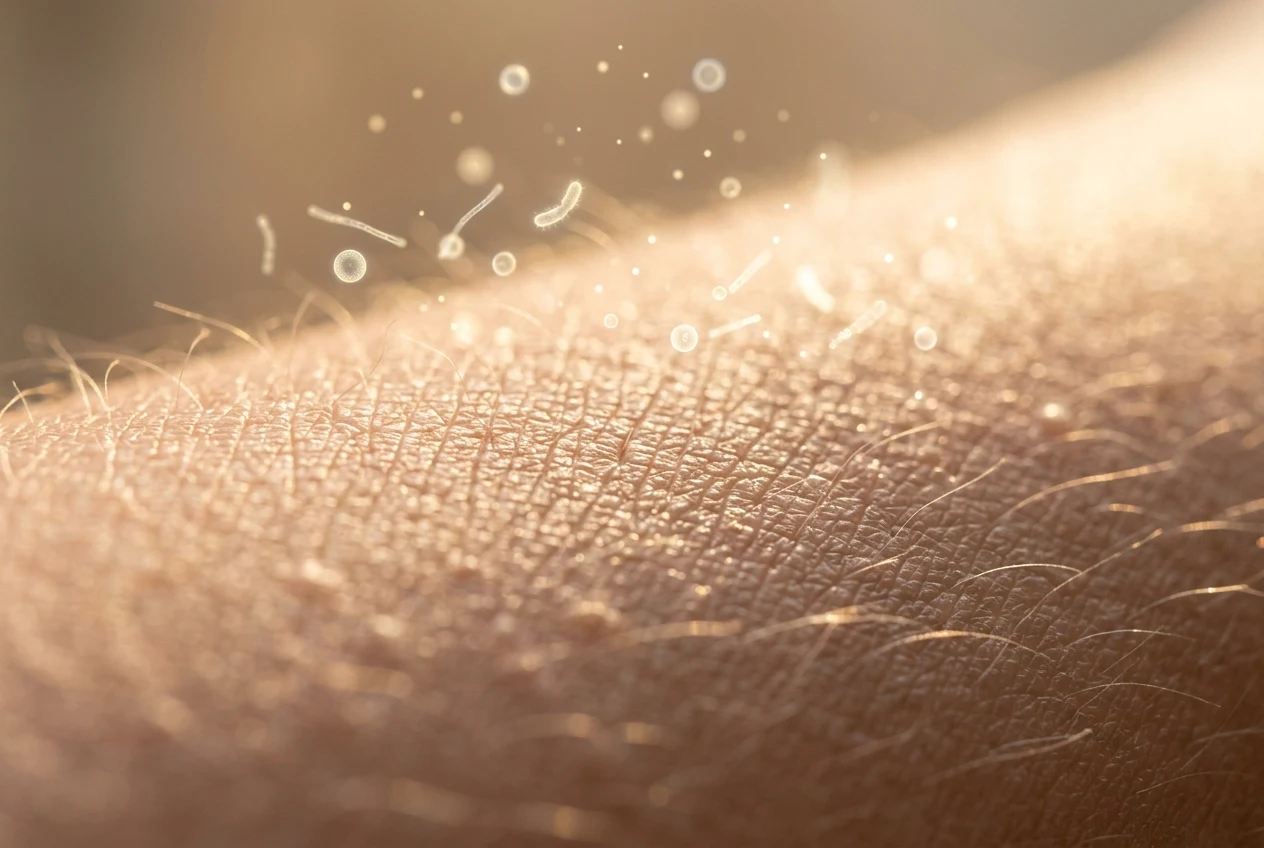
- An increased presence of the Demodex mite, a microorganism that lives naturally on the skin and may contribute to inflammation in some people.
There are also factors that can trigger or worsen flare-ups:
- Sun exposure.
- Intense heat or sudden temperature changes.
- Very hot drinks.
- Spicy foods.
- Alcohol (especially red wine).
- Emotional stress.
- Intense physical exercise.
- Saunas and very hot baths.
- Some irritating cosmetics.
- Corticosteroids applied to the face without medical advice.
Each person has different triggers. Identifying them helps to control the disease better.
What are the symptoms?
Rosacea can present in different ways. The most common symptoms are:
- Persistent redness on the cheeks, nose, forehead and chin.
- Episodes of intense flushing.
- Visible blood vessels (telangiectasia).
- Spots and pustules that can be mistaken for acne.
- A sensation of heat or burning.
- Itching or stinging.
- Very sensitive skin.
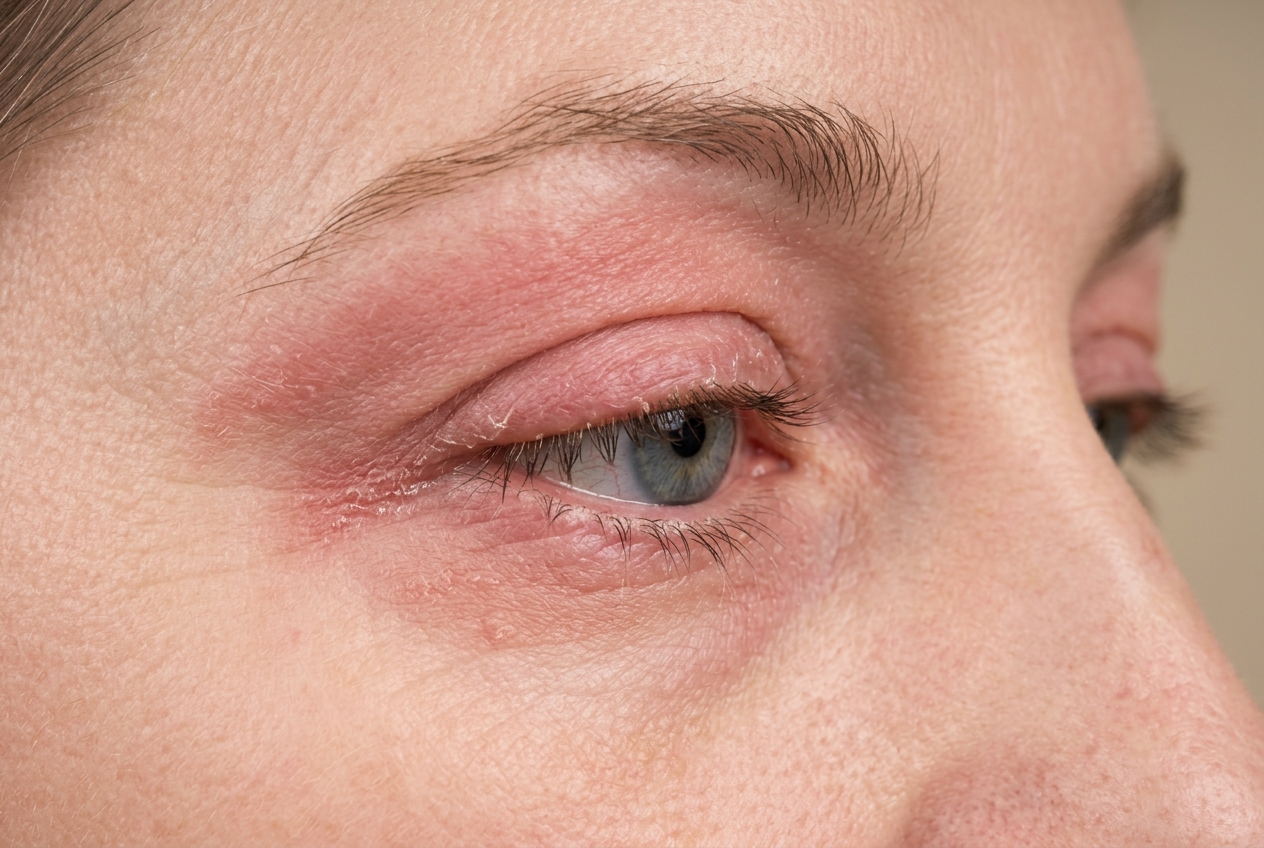
In some patients it can also affect the eyes, causing:
- Red eyes.
- A gritty sensation.
- Dry eyes.
- Eyelid irritation.
In rare and usually advanced forms, a thickening of the skin of the nose (rhinophyma) may appear, especially in men.
Rosacea evolves in flare-ups and periods of improvement. Without treatment, the redness can gradually become more permanent.
How is it diagnosed?
Diagnosis is usually made through the clinical examination during the consultation. There is no specific test to confirm rosacea.
Occasionally, the doctor may request additional tests only if there is doubt with other diseases that can cause similar facial redness. If there are significant eye symptoms, an ophthalmology assessment may be advisable.
What treatments are available?
Treatment depends on the type of rosacea and the predominant symptoms. Options may include:
- Anti-inflammatory creams or gels.
- Treatments aimed at reducing redness.
- Oral antibiotics, especially doxycycline at anti-inflammatory doses, in certain cases.
- Topical ivermectin when indicated.
- Specific care for ocular rosacea.
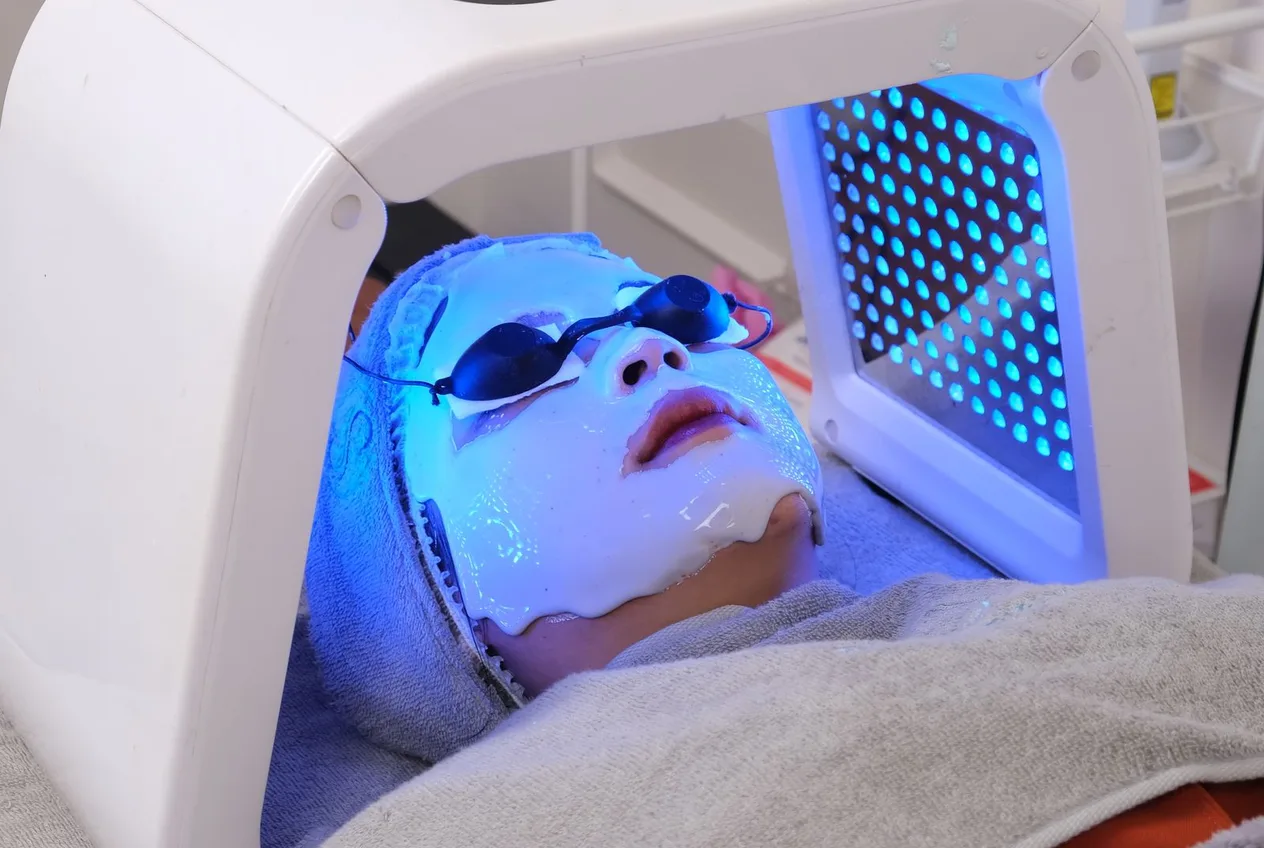
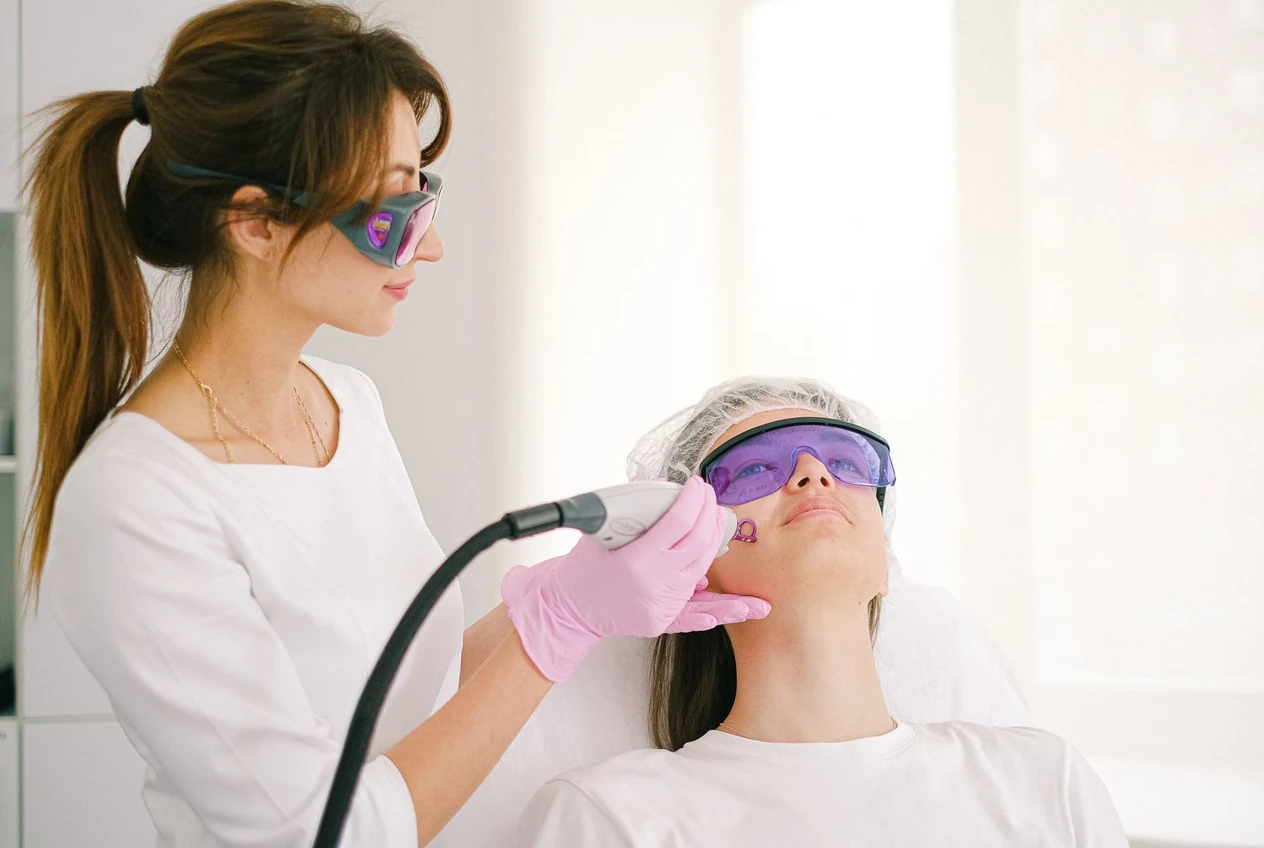
- Laser or intense pulsed light (IPL) treatments to improve persistent redness and visible vessels.
It is often necessary to combine several strategies to obtain the best result. Rosacea is a chronic disease. The aim of treatment is to control the symptoms and reduce the frequency of flare-ups.
What can you do day to day?
Daily care is a fundamental part of the treatment. It is recommended to:
- Cleanse the skin with gentle products and no harsh soap.
- Moisturise the skin daily.
- Use broad-spectrum SPF 50+ sun protection every day.
- Avoid irritating products or harsh exfoliants.
- Identify the factors that trigger flare-ups.
- Use specific cosmetics for sensitive skin when needed.
It may also help to:
- Avoid excessive heat.
- Moderate alcohol intake if identified as a trigger.
- Reduce very spicy foods if they worsen symptoms.
- Protect the face from intense cold and wind.
Keeping a small diary of flare-ups can help identify the personal factors that trigger them.
When should you seek prompt medical advice?
See your doctor if:
- The redness worsens rapidly.
- Painful or very inflamed lesions appear.
- You have significant eye discomfort, blurred vision or intense light sensitivity.
- The treatment stops being effective.
- Flare-ups become increasingly frequent.
Myths and facts
- Myth: Rosacea appears because of drinking too much alcohol. Fact: No. Alcohol can trigger flare-ups in some people, but it is not the cause of the disease.
- Myth: Rosacea is a form of acne. Fact: No. Although both diseases can produce spots, they are different diseases that require different treatments.
- Myth: Rosacea goes away on its own. Fact: It is a chronic disease that usually needs ongoing treatment and care to stay under control.
- Myth: People with rosacea cannot wear make-up. Fact: They can, using products suitable for sensitive skin and removing them properly at the end of the day.
- Myth: The sun improves rosacea. Fact: The sun is one of the most common triggers of flare-ups, and adequate sun protection is essential.
The key points to remember
- Rosacea is a chronic and very common inflammatory disease.
- It is not contagious and is not related to poor hygiene.
- The sun is one of the main triggers.
- Each person has factors that can promote flare-ups.
- Treatment usually combines daily care and medication when necessary.
- Daily sun protection is an essential part of the treatment.
- Eye symptoms can also be part of the disease.
- Early treatment helps control symptoms and improve quality of life.
Frequently asked questions
Can rosacea be cured?
There is currently no definitive cure, but there are very effective treatments to control it.
Is it contagious?
No. It cannot be passed on to other people.
Can it appear after the age of 40?
Yes. In fact, it is a common age of onset.
Can I do sport?
Yes. If intense exercise triggers flare-ups, it can help to take breaks, stay hydrated and avoid the hottest hours.
Does make-up make rosacea worse?
Not necessarily. You should choose make-up for sensitive skin that is non-irritating.
Does diet play a role?
In some people, yes. It is worth identifying individually the foods that trigger flare-ups.
Does rosacea affect the eyes?
Yes. About half of patients may have some degree of eye involvement.
Can I have laser treatments?
Yes. Laser and intense pulsed light can be very useful to reduce persistent redness and visible vessels when indicated.
Should I avoid the sun?
You do not need to avoid it completely, but you should protect the skin with a suitable sunscreen and limit exposure during the most intense hours.
Does rosacea get worse over time?
It can progress if untreated, although early diagnosis and appropriate treatment help keep it under control.
Need personalised guidance?
This guide is for information only and does not replace a medical consultation. For an assessment tailored to your case, you may request a consultation.
Request a consultation