Freckles (ephelides)
Sun-related spots on fair skin

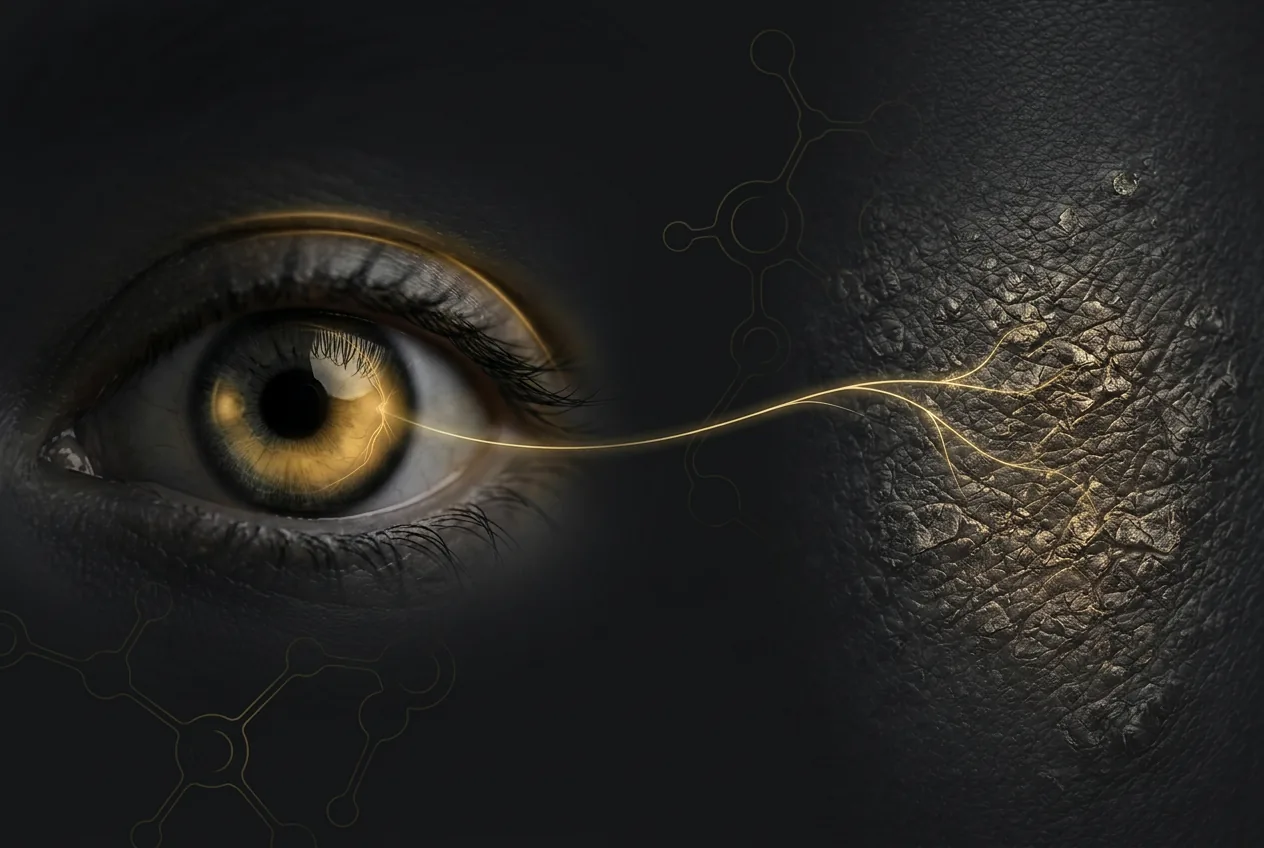
Freckles or ephelides are small benign spots related to genetics and sun exposure. Discover why they appear, how to prevent them from darkening and which aesthetic treatments make it possible to lighten them safely.
What are freckles?
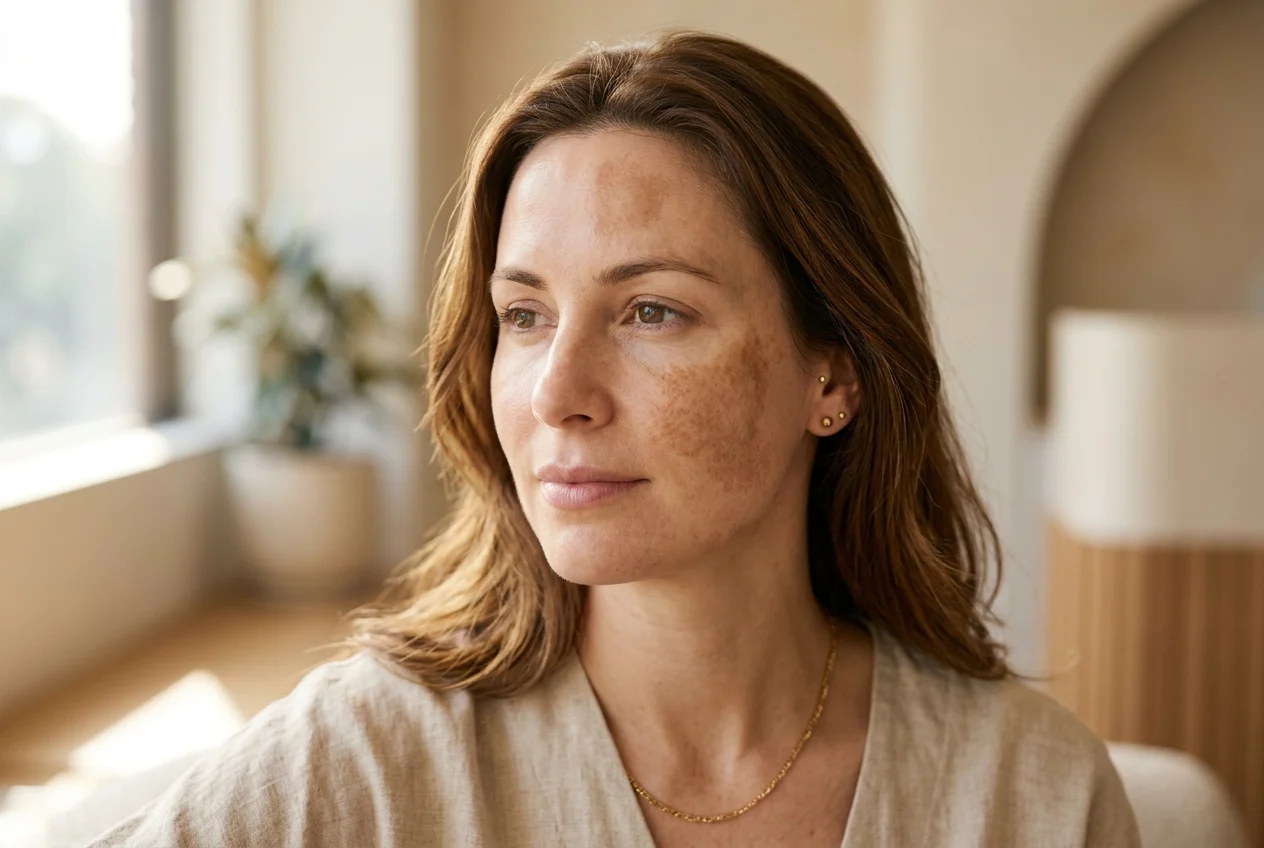
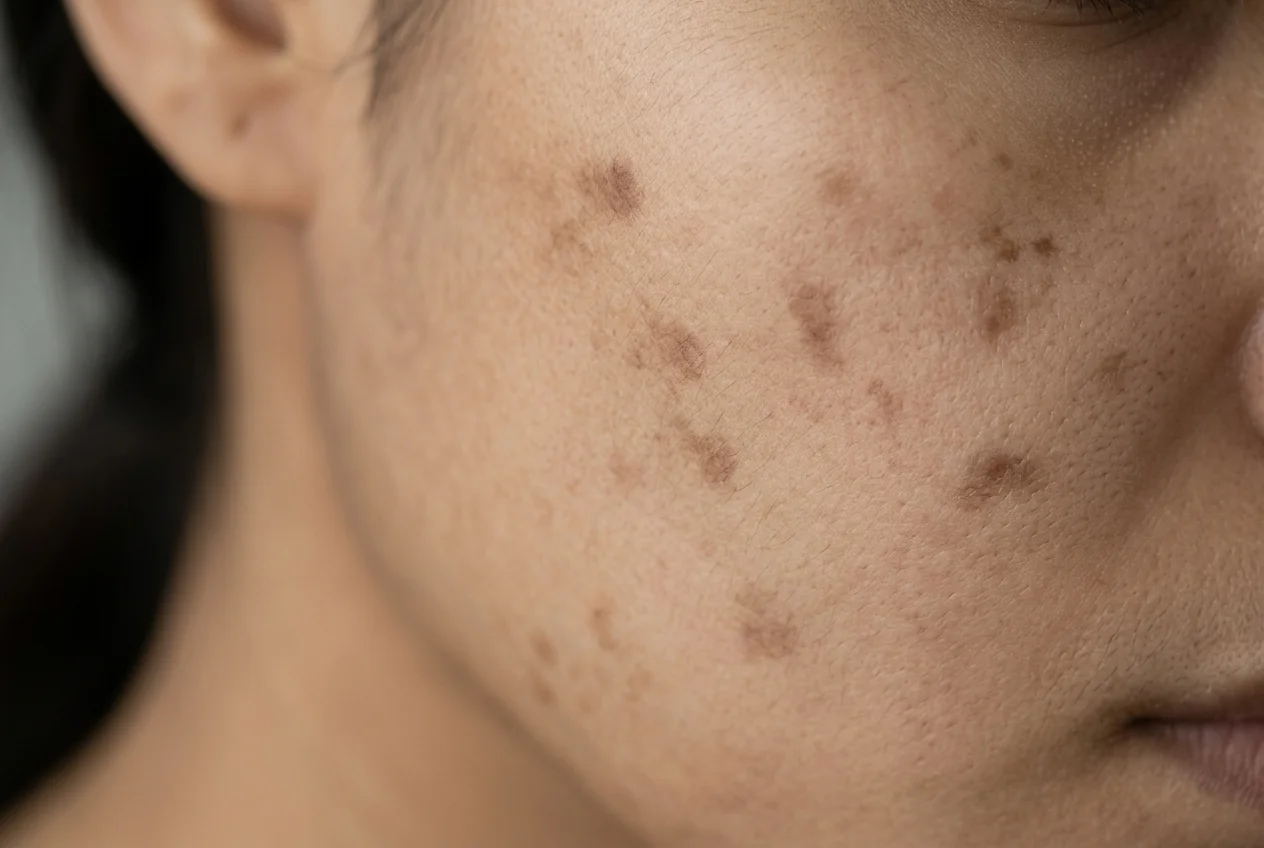
Freckles, known medically as ephelides, are small flat spots of light brown or dark brown colour that appear mainly on sun-exposed areas of the skin.
They are a completely benign and very common feature in fair-skinned people, especially those with blond or red hair and light eyes.
Freckles are not skin cancer and do not turn into melanoma. However, they indicate that the skin is more sensitive to solar radiation and that it needs adequate protection from the sun.
Why do they appear?
This is one of the most frequent questions in consultation. The answer is that freckles appear through the combination of genetics and sun exposure.
Genetic predisposition
People with freckles usually have a hereditary predisposition. It is common for several members of the same family to also have them. They are often related to variants of the MC1R gene, responsible for skin and hair colour.
Sun exposure
Ultraviolet radiation stimulates the melanocytes to produce more melanin. In predisposed people, this increase in pigment concentrates in small points of the skin, giving rise to freckles.
Why do they appear more in summer? Because during the months of greater sun exposure the melanocytes produce more melanin. For this reason, freckles darken, new ones may appear and they are much more visible. In winter they usually lighten spontaneously.
Why do some people have many and others none? The number of freckles depends mainly on genetic predisposition and accumulated sun exposure since childhood.
What are the symptoms?
Freckles have very typical characteristics:
- Small flat spots.
- Light brown or dark brown colour.
- Well-defined borders.
- A size of a few millimetres.
- A completely smooth surface.
The most common areas are: the face, nose, cheeks, shoulders, décolletage and arms.
They do not cause pain, itching, bleeding or scaling.
How is it diagnosed?
Diagnosis is usually made through clinical examination. In case of doubt, the doctor may use a dermatoscope, which allows the distribution of the pigment to be observed in great detail.
It is important to differentiate freckles from solar lentigines, moles (nevi) and other pigmented lesions.
If any lesion shows striking changes, it should be assessed individually.
What treatments are available?
One of the most usual questions is: «Can freckles be removed?» Yes, although before considering treatment it is important to remember that freckles are completely benign and do not need medical treatment. Treatment is carried out only for aesthetic reasons.
The options include:
Photoprotection
It is the most important measure. Good sun protection prevents freckles from darkening and reduces the appearance of new lesions.
Depigmenting creams
In some patients they can help lighten them slightly, although their effect is usually limited.
Laser
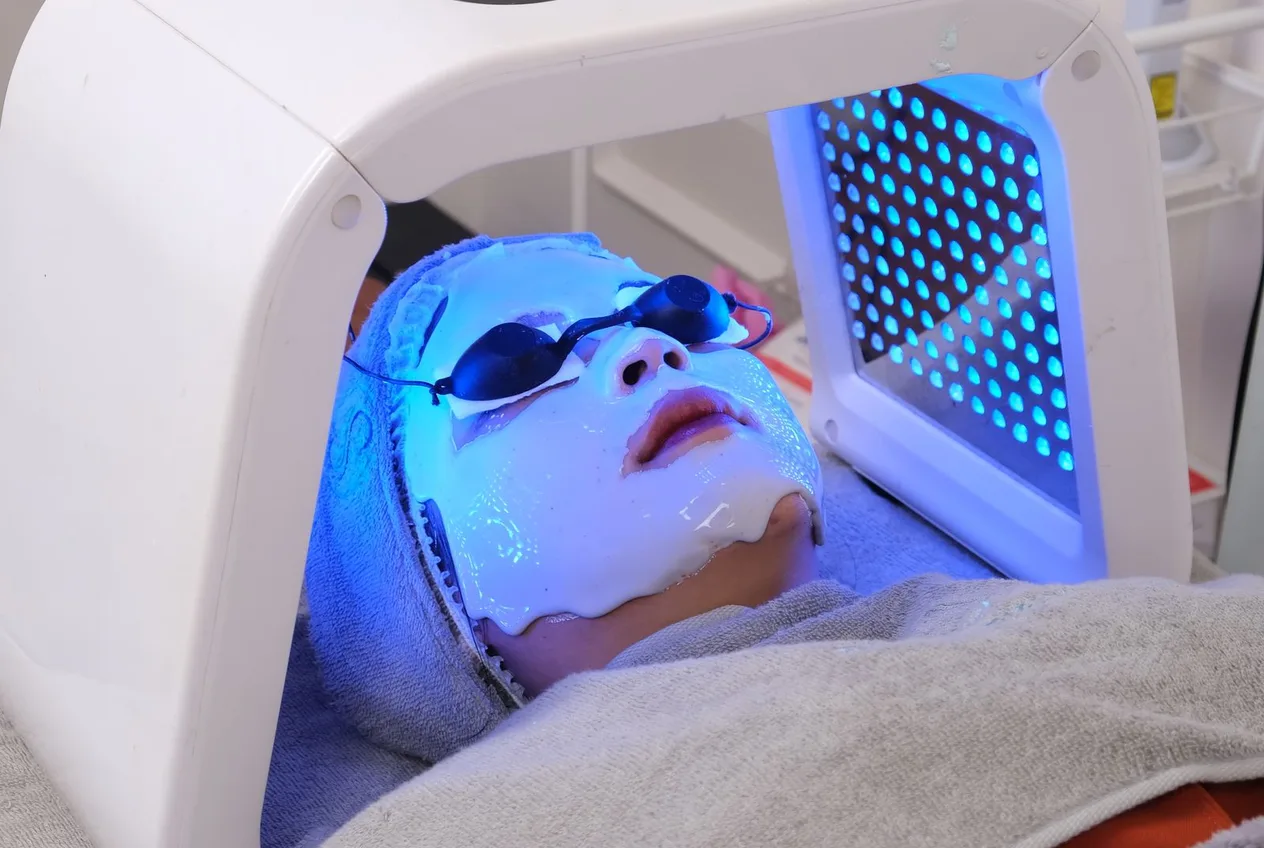
Various pigment lasers can eliminate or lighten many freckles with excellent results when correctly indicated.
Intense Pulsed Light (IPL)
It is another very effective option for treating multiple freckles distributed on the face, décolletage or hands.
Why do they reappear? Because treatment removes the visible pigment, but does not change the genetic predisposition. If the skin is exposed to the sun again without adequate protection, freckles can reappear.
What can you do day to day?
If you want to prevent freckles from darkening or new ones from appearing, it is recommended to:
- Apply sunscreen SPF 50+ every day.
- Reapply protection during prolonged exposures.
- Wear a hat and sunglasses.
- Avoid intense sun exposure during the central hours of the day.
- Do not use home remedies to lighten them.
Sun protection is much more effective than trying to remove them afterwards.
When should you seek prompt medical advice?
Normal freckles do not require urgent check-ups. However, consult a doctor if you notice that a lesion:
- Rapidly changes in size.
- Changes colour.
- Has several different colours.
- Has irregular borders.
- Bleeds for no reason.
- Causes persistent itching or ulceration.
In these cases it is important to rule out that it is a different lesion.
Myths and facts
- Myth: Freckles are small moles. Fact: No. They are two completely different lesions.
- Myth: Freckles can turn into melanoma. Fact: Freckles do not turn into skin cancer.
- Myth: The more sun I get, the nicer they will look. Fact: The sun darkens freckles, but also increases skin ageing and the risk of skin cancer.
- Myth: Only red-haired people have freckles. Fact: They are more common in them, but can appear in anyone.
- Myth: Laser prevents them from coming back. Fact: No. If sun exposure continues, they can reappear.
The key points to remember
- Freckles are benign lesions related to genetics and the sun.
- They are not moles and do not turn into melanoma.
- They darken during summer and usually lighten in winter.
- Daily sun protection helps prevent new freckles and stops existing ones from intensifying.
- There are effective aesthetic treatments, such as laser or intense pulsed light (IPL).
- Any pigmented lesion that changes in appearance should be assessed by a doctor.
Frequently asked questions
Are freckles dangerous?
No. They are completely benign lesions.
Do they need treatment?
Not from a medical point of view. Only if there is an aesthetic wish.
Can they disappear?
Yes. Many lighten during the winter.
Why do they appear more in summer?
Because the sun stimulates melanin production.
Does sunscreen prevent them from appearing?
It significantly reduces the appearance of new freckles and prevents existing ones from darkening.
Does laser work?
Yes. It is one of the most effective aesthetic treatments.
Do freckles indicate a higher risk of skin cancer?
Freckles are not dangerous, but they usually appear in fair-skinned people, who do have greater sensitivity to the sun and a higher risk of developing skin cancer if they do not protect themselves adequately.
Should I check my freckles?
Normal freckles do not require specific follow-up, but any pigmented lesion that changes should be assessed.
Can children have freckles?
Yes. It is very common for them to appear during childhood.
Can I lead a normal life?
Of course. It is only important to maintain adequate sun protection.
Need personalised guidance?
This guide is for information only and does not replace a medical consultation. For an assessment tailored to your case, you may request a consultation.
Request a consultation