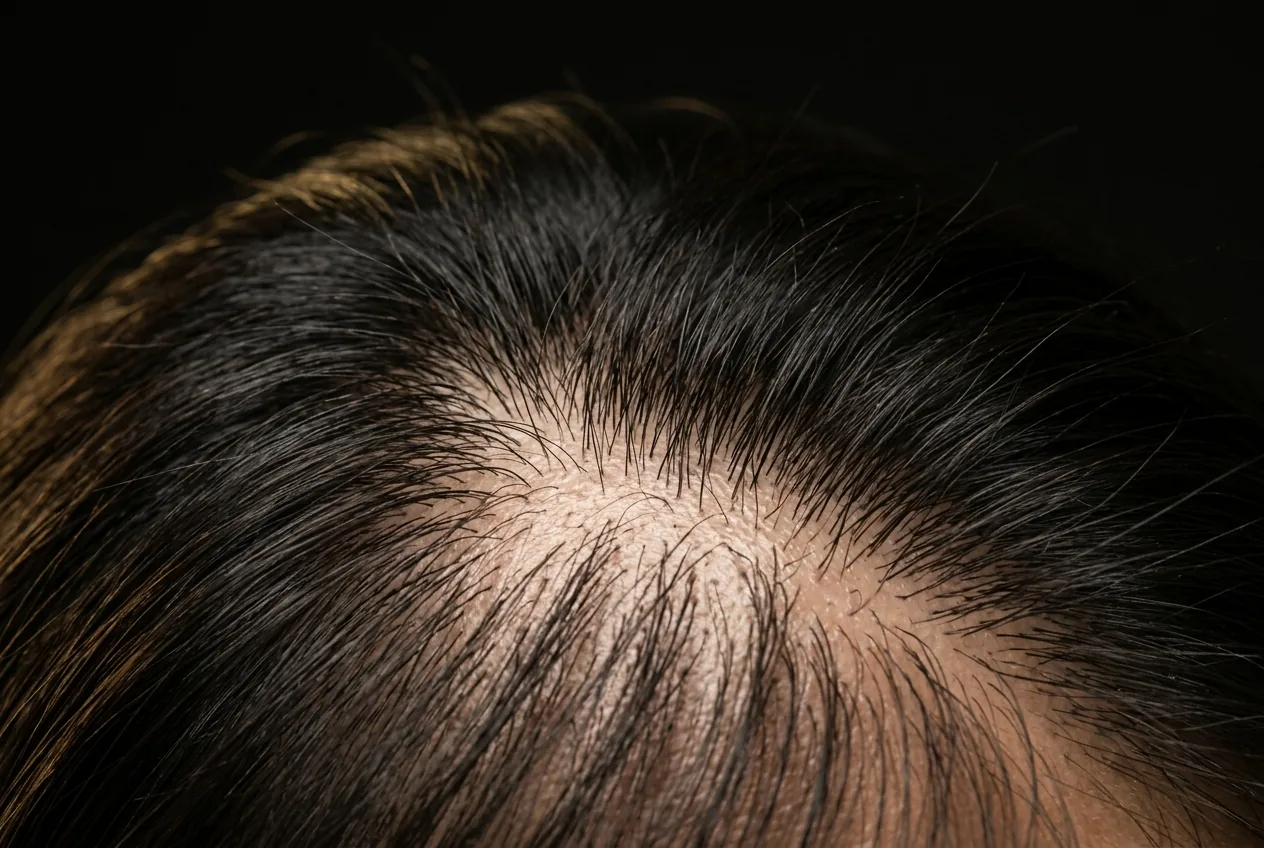
Seborrhoeic dermatitis is a common inflammatory disease that causes dandruff, scaling and redness of the scalp and face. Learn about its causes, treatments and the daily care to keep it under control.
What is seborrhoeic dermatitis?
Seborrhoeic dermatitis is a chronic inflammatory skin disease that mainly affects areas rich in sebaceous glands, such as the scalp, the face and, sometimes, the chest.
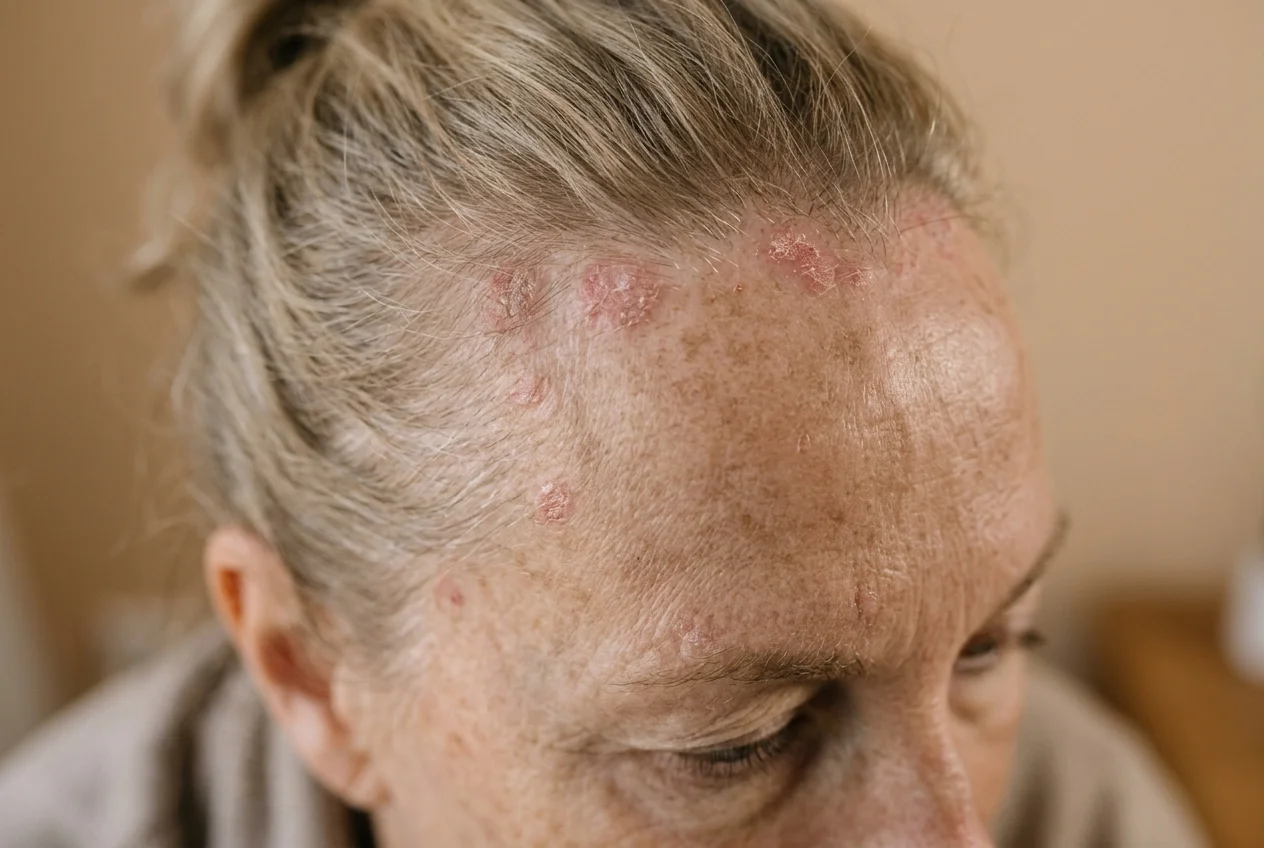
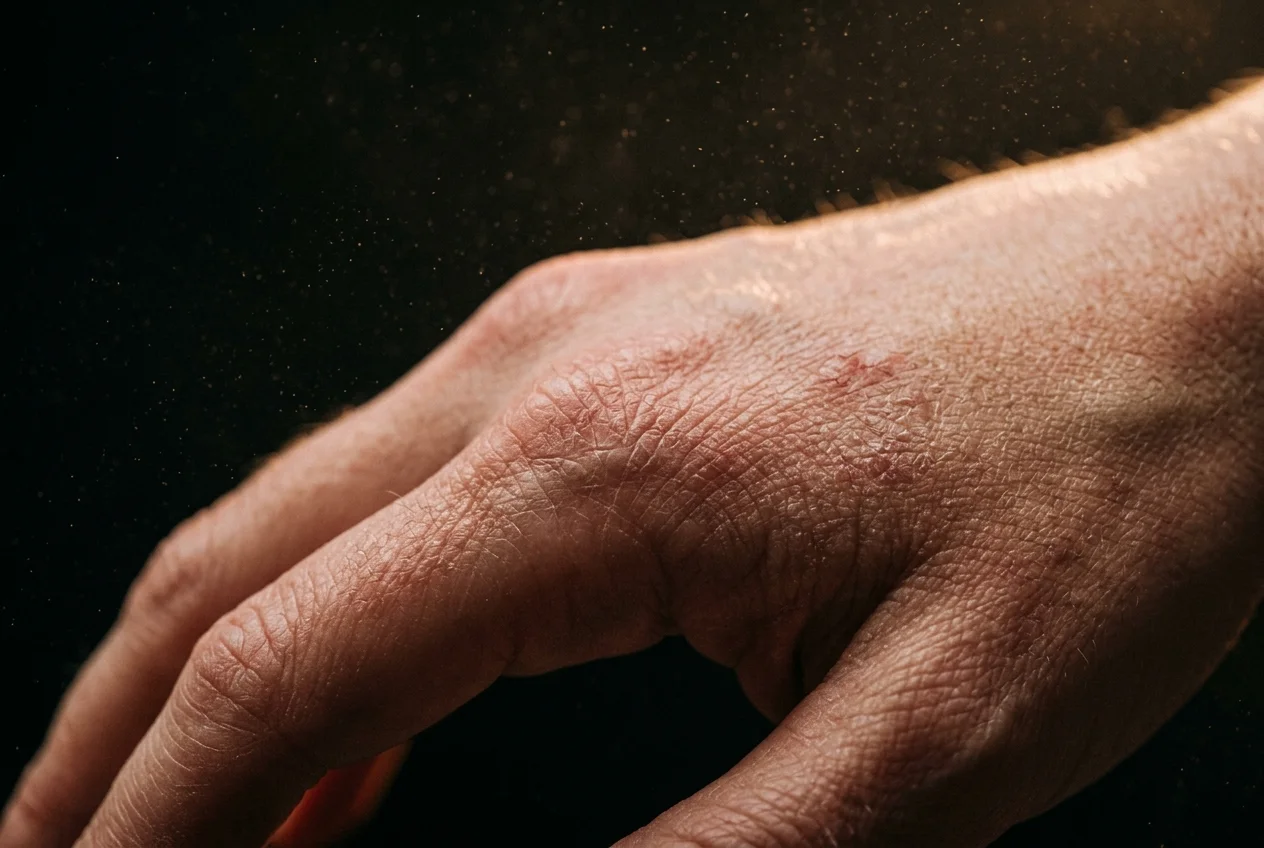
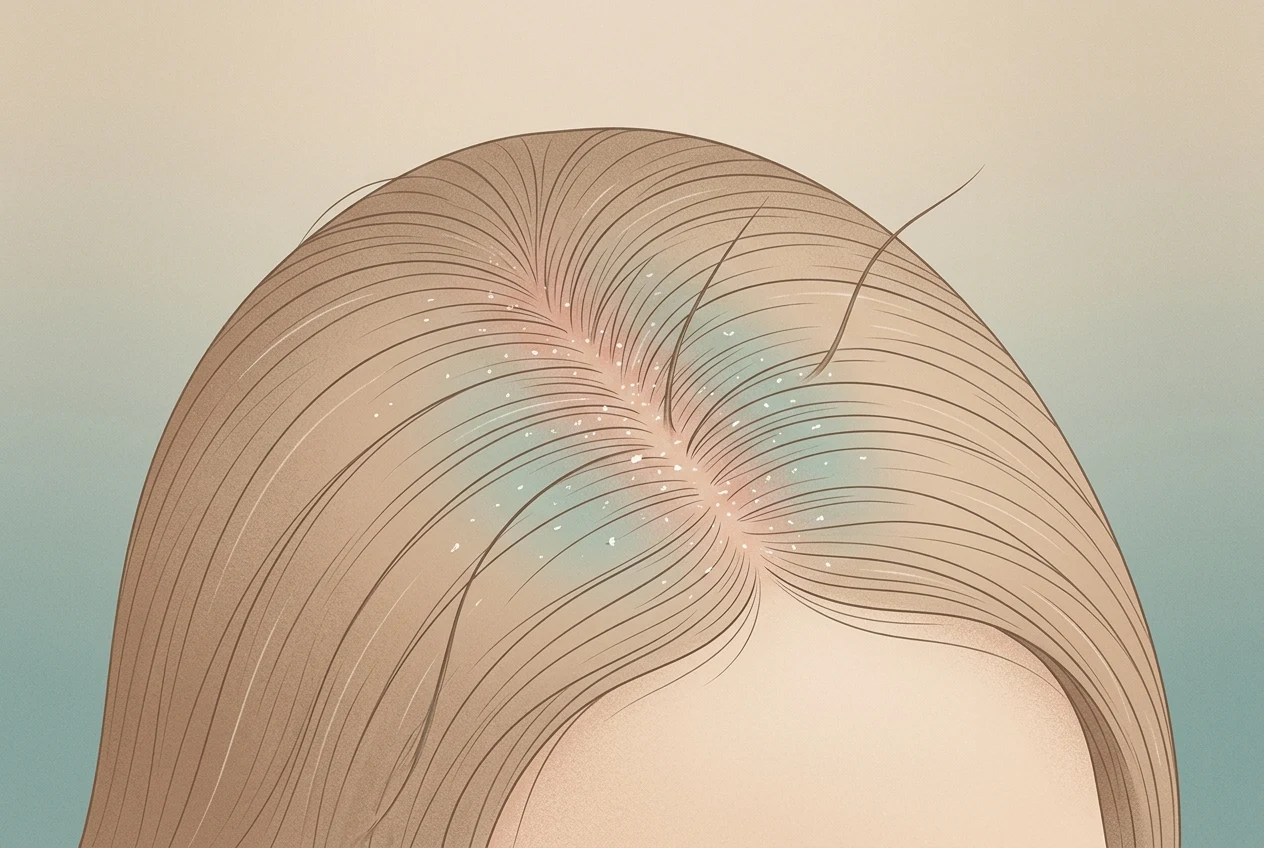
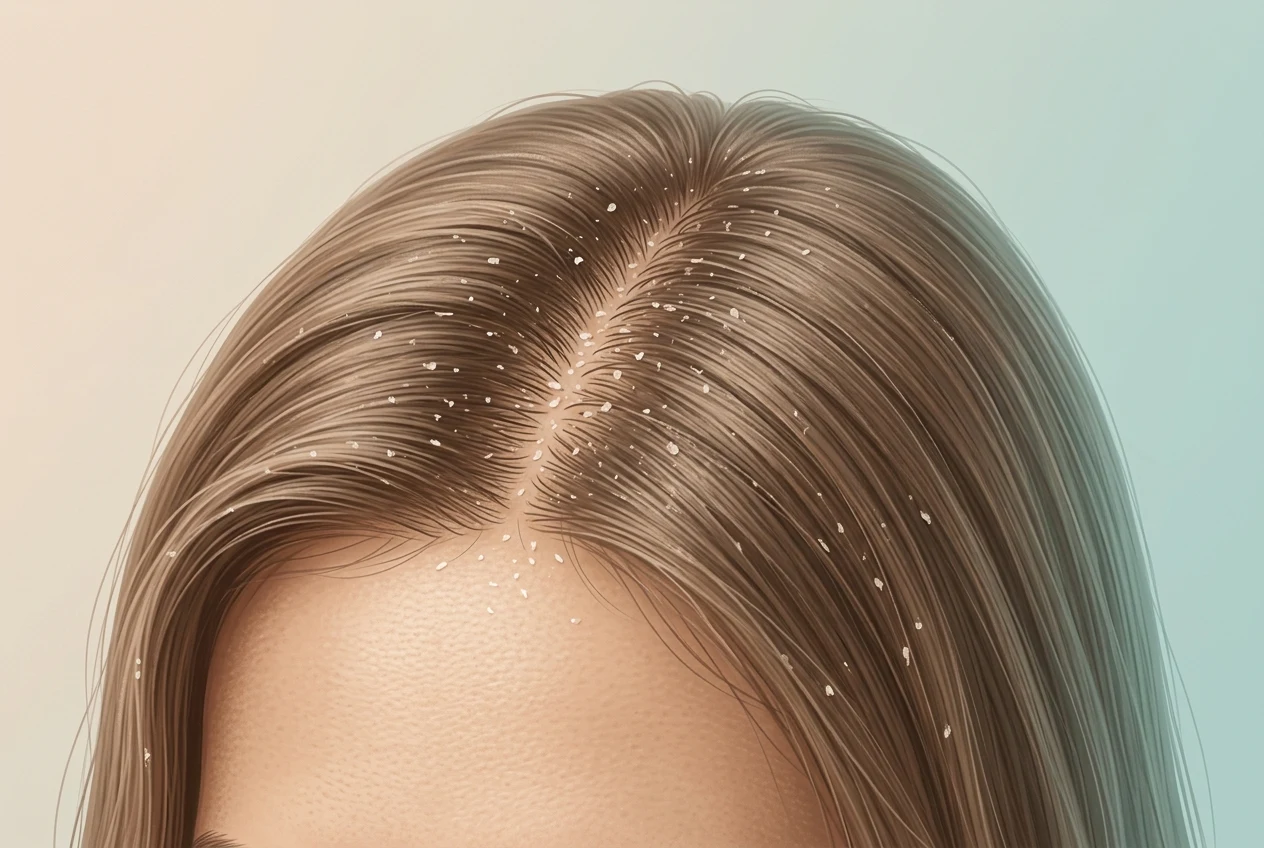
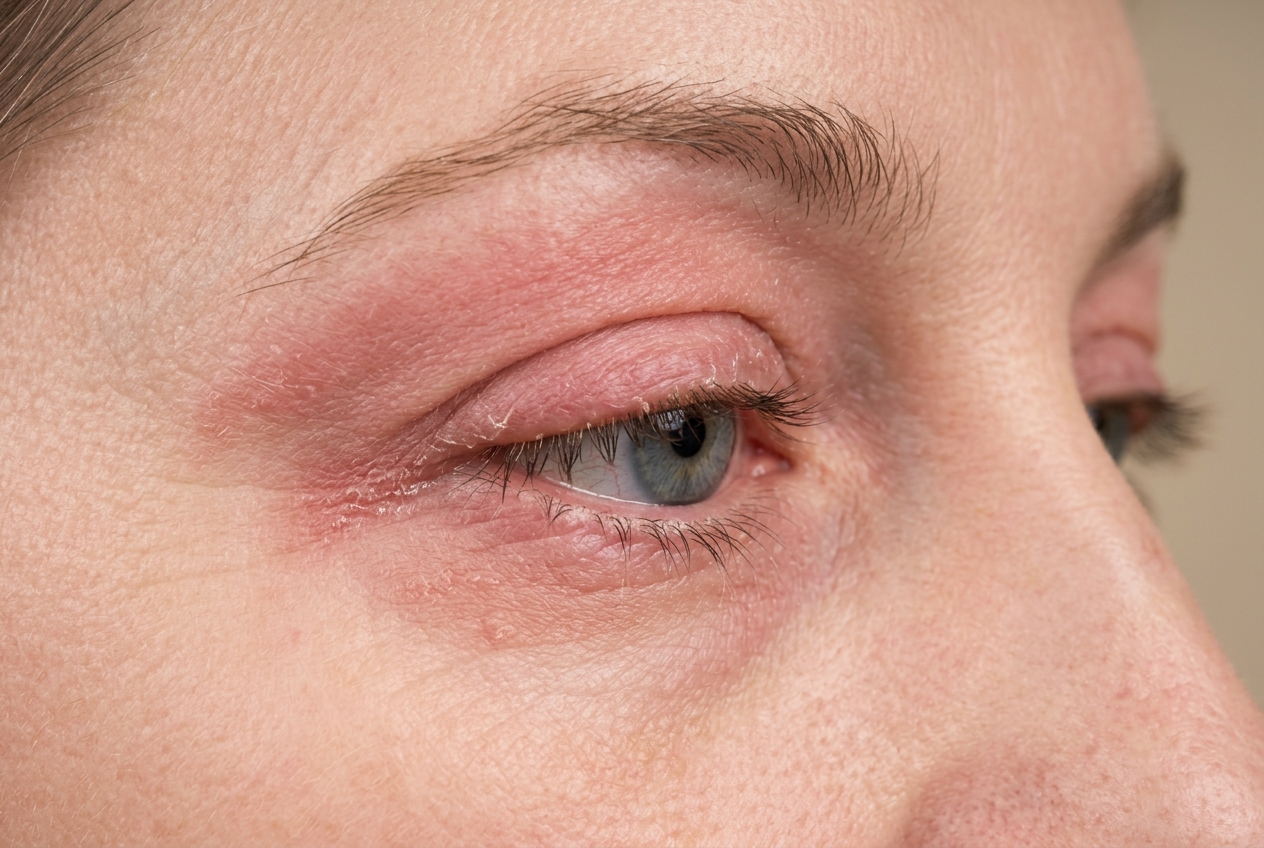
It is characterised by redness, scaling and, frequently, itching. On the scalp it usually appears as persistent dandruff or plaques with thicker scales.
It is very common in both adults and infants (where it is popularly known as "cradle cap"). It is not contagious and is not due to poor hygiene.
Although it usually evolves in flare-ups, it can be effectively controlled with appropriate treatment and care.
Why does it appear?
The exact cause is not fully known, but several factors are involved. Among them:
- An inflammatory skin response.
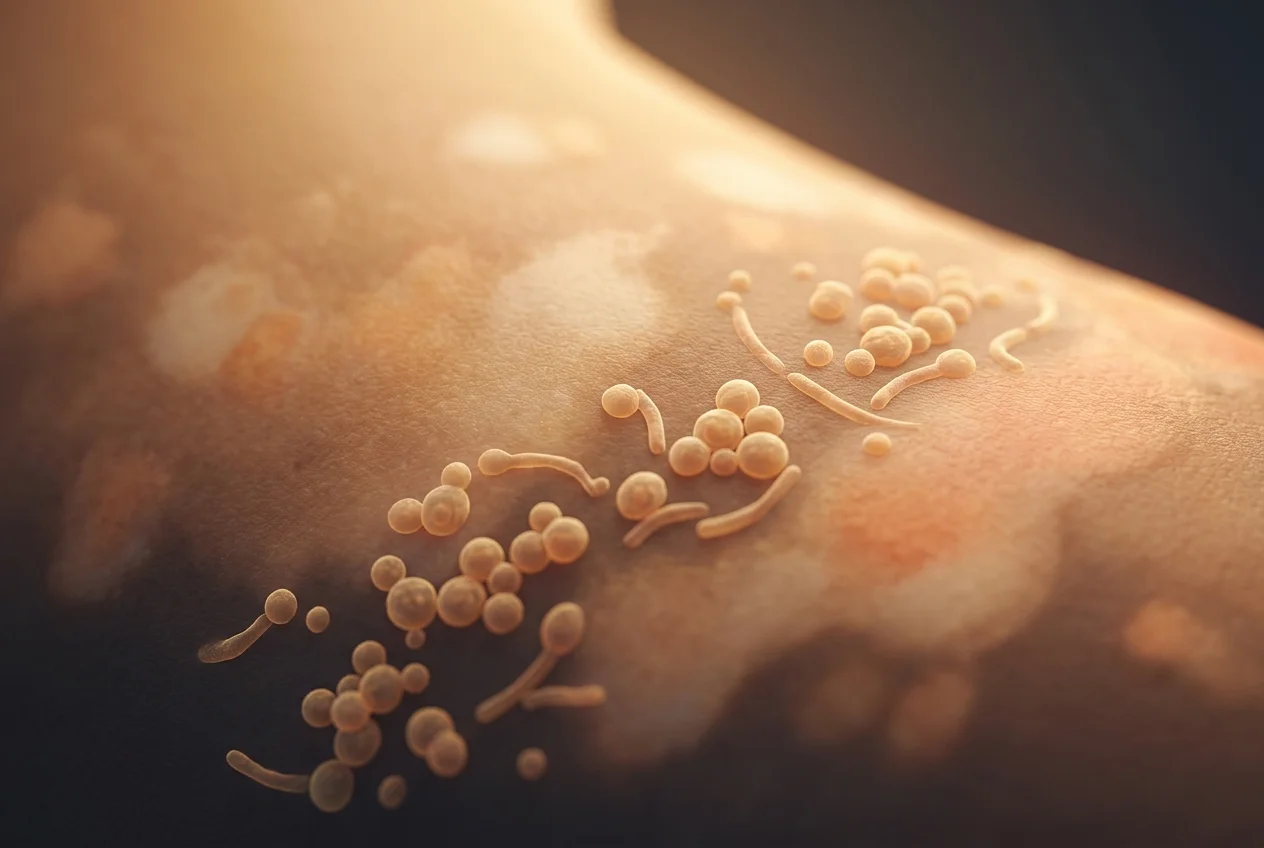
- The presence of a yeast called Malassezia, part of the skin's normal flora.
- Sebum production.
- Genetic predisposition.
Some factors can promote or worsen flare-ups:
- Stress.
- Lack of rest.
- Cold, dry climate.
- Seasonal changes.
- Some neurological diseases or immunosuppression.
- Use of certain irritating products for the skin or hair.
Seborrhoeic dermatitis does not appear because the hair is dirty or because it is washed infrequently.
What are the symptoms?
Symptoms vary depending on the affected area. The most common are:
- Scaling (dandruff).
- Redness.
- Itching.
- A feeling of irritation.
- White or yellowish, greasy-looking scales.
The areas usually affected are: the scalp, eyebrows, around the nose, beard and moustache, behind the ears, the external ear canal and the central chest.
In infants it usually appears as yellowish scales on the scalp during the first months of life. The disease usually evolves with periods of improvement and relapses.
How is it diagnosed?
Diagnosis is usually made through the clinical examination. In most cases no additional tests are needed.
If the lesions are atypical or do not respond to the usual treatment, the doctor may consider other diseases that can resemble it, such as psoriasis, some fungal infections or certain forms of dermatitis.
What treatments are available?
Treatment depends on the location and intensity of the symptoms. Therapeutic options may include:
- Antifungal shampoos for the scalp.
- Antifungal creams or gels for the face or other areas.
- Topical corticosteroids for short periods to control inflammation.
- Calcineurin inhibitors (such as tacrolimus or pimecrolimus) on certain locations, especially the face.
- Keratolytic products to help remove scales when they are very abundant.
In many people a maintenance treatment is needed to prevent new flare-ups.
What can you do day to day?
Daily care helps keep the disease under control. It is recommended to:
- Wash the hair at the appropriate frequency using the shampoo recommended by the doctor.
- Not stop treatment as soon as lesions disappear if a maintenance regimen has been indicated.
- Use gentle cleansers for the face.
- Moisturise the skin with products suitable for sensitive skin.
- Avoid scratching the affected areas.
- Try to manage stress whenever possible.
- Get enough sleep and keep healthy habits.
There is no need to wash the hair several times a day. What matters is using the right products and following the recommended regimen.
When should you seek prompt medical advice?
See your doctor if:
- The lesions spread rapidly.
- Pain, discharge or signs of infection appear.
- The itching is very intense.
- The usual treatments stop working.
- The lesions significantly affect quality of life.
Myths and facts
- Myth: Seborrhoeic dermatitis appears because the hair is not washed well. Fact: No. It is not caused by poor hygiene.
- Myth: Dandruff always means seborrhoeic dermatitis. Fact: Not always. There are other causes of scalp scaling.
- Myth: It is a contagious disease. Fact: No. It cannot be passed to other people.
- Myth: Once it improves it will not come back. Fact: It usually evolves in flare-ups, so relapses can appear over time.
- Myth: Corticosteroid creams must be used for months. Fact: They are generally used only for short periods and under medical supervision.
The key points to remember
- Seborrhoeic dermatitis is a very common chronic inflammatory disease.
- It is not caused by poor hygiene.
- It is not contagious.
- Dandruff is one of its most common manifestations.
- Stress can promote flare-ups.
- There are very effective treatments to control the symptoms.
- A maintenance treatment is sometimes needed.
- Good daily care helps reduce relapses.
Frequently asked questions
Can seborrhoeic dermatitis be cured?
There is no definitive cure, but it can be very well controlled with appropriate treatment and care.
Is it contagious?
No.
Can I wash my hair every day?
Yes, if your doctor considers it appropriate and you use a shampoo suitable for your skin and hair type.
Does stress have an influence?
Yes. In many people it promotes flare-ups.
Is it the same as psoriasis?
No. They are different diseases, although they can sometimes look similar.
Can I use hair dyes?
In most cases yes, although it is best to avoid irritating products during flare-ups.
Does diet play a role?
There is currently no specific diet that has been shown to cure seborrhoeic dermatitis.
Does seborrhoeic dermatitis cause hair loss?
Usually not. However, intense inflammation or persistent scratching can promote temporary hair loss.
Can it affect the beard?
Yes. It is one of the most common locations in men.
Will I need treatment for a long time?
Many people need maintenance treatments to prevent relapses.
Need personalised guidance?
This guide is for information only and does not replace a medical consultation. For an assessment tailored to your case, you may request a consultation.
Request a consultation