Head lice (pediculosis)
Scalp infestation by lice
Pediculosis is a very frequent infestation of the scalp caused by lice. Learn to identify the symptoms, apply the treatment correctly and follow the necessary measures to avoid new infestations.
What is pediculosis (head lice)?
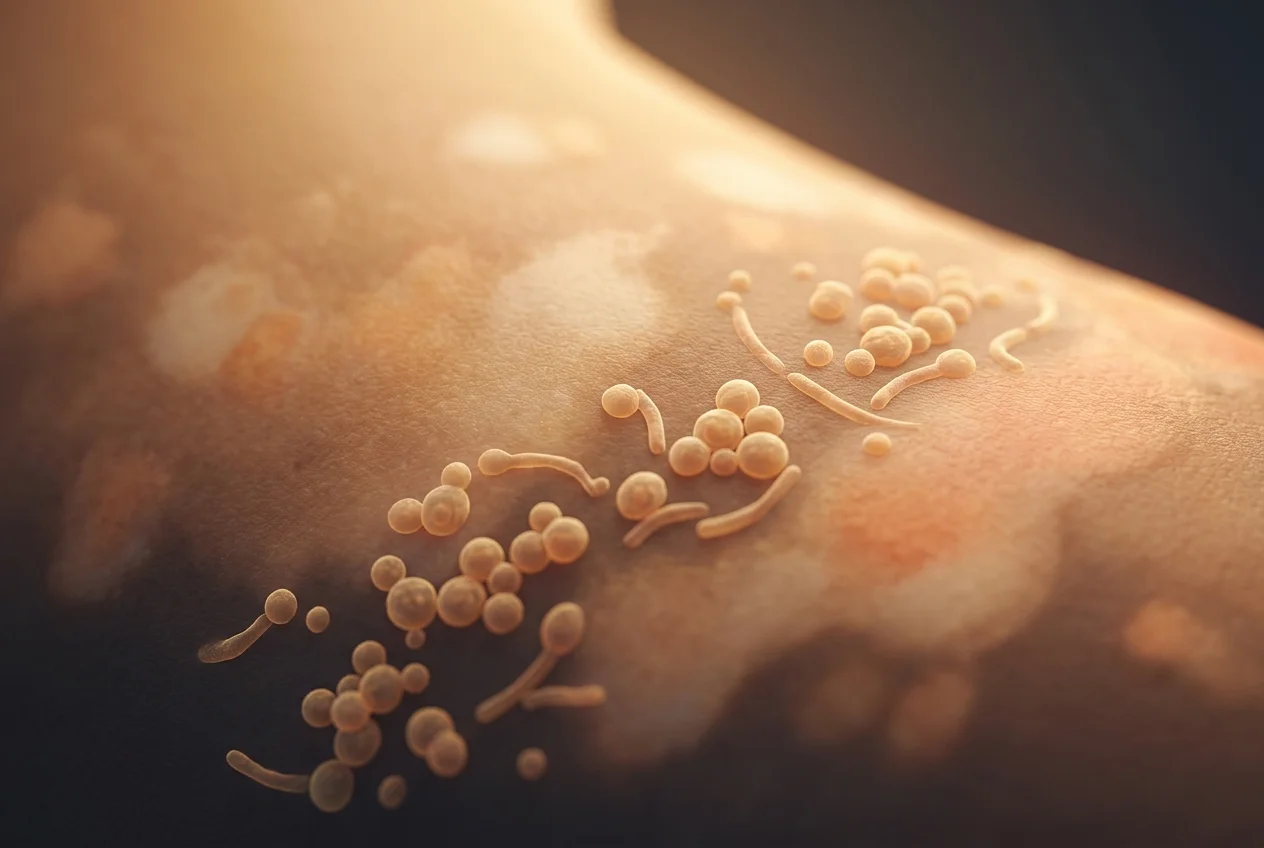
Pediculosis is an infestation caused by lice, small parasitic insects that live on human hair and feed on blood. The most frequent form is head lice, produced by Pediculus humanus capitis.
Lice do not fly, do not jump and move by walking from one hair to another. The infestation is very frequent in school-age children and is not related to poor hygiene.
Why does it appear?
Transmission occurs almost always by direct head-to-head contact. It is especially frequent in schools, nurseries, camps, sports activities and families with several children.
Much less frequently it can be transmitted by sharing combs, brushes, caps, helmets or headbands.
Why do children get infected so easily? Because they play very close to each other and maintain prolonged contact between their heads.
What are the symptoms?
The main symptom is intense itching of the scalp. Irritation, small scratching wounds, crusts and secondary bacterial infection from scratching may also appear.
The most affected areas are usually the nape, behind the ears and the occipital region. In some people there are hardly any symptoms.
How is it diagnosed?
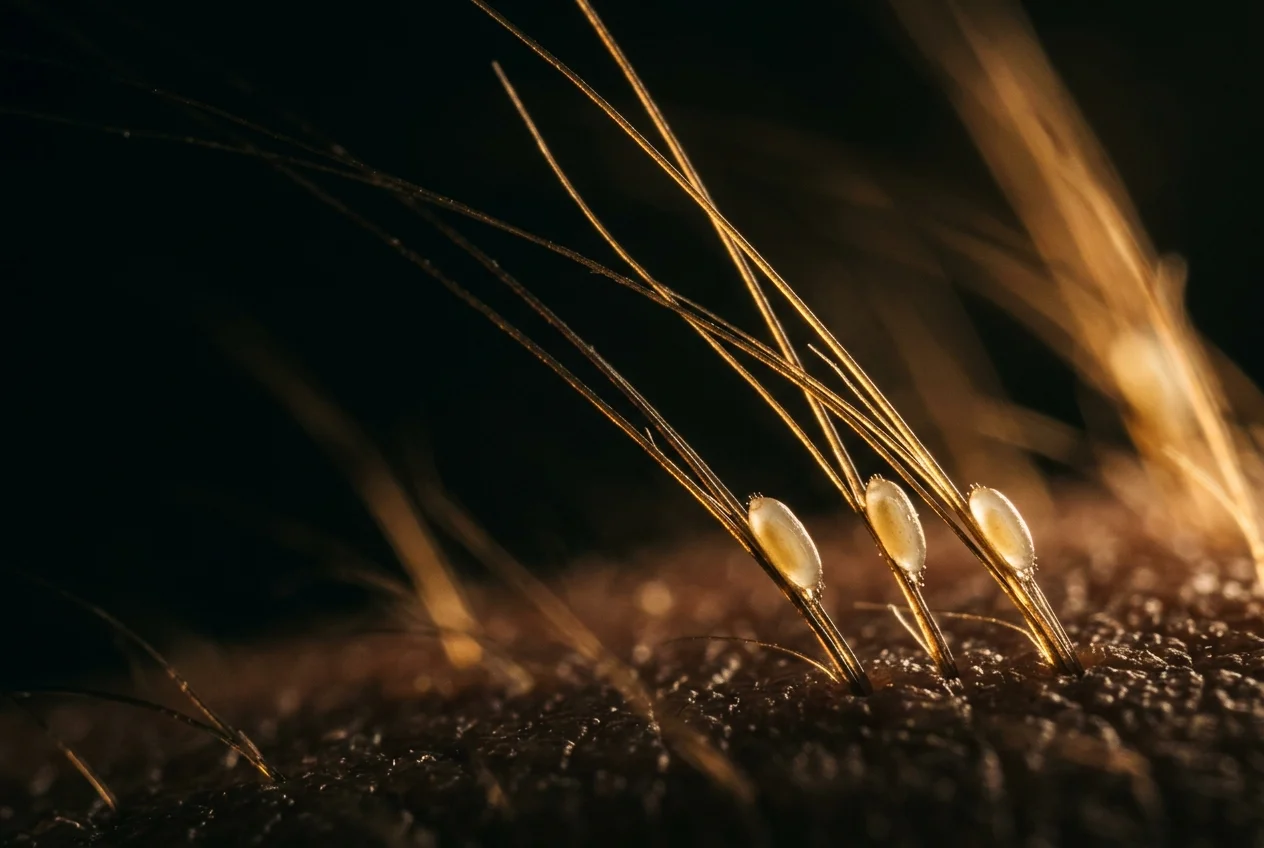
The diagnosis is confirmed by observing live lice, nymphs or viable nits attached to the hair, very close to the scalp. Empty nits, far from the root, indicate a past infestation and do not require treatment if there are no live lice.
The use of a fine-toothed comb on wet hair greatly facilitates the diagnosis.
What treatments are available?
The objective is to eliminate both the lice and the nits.
Pediculicides. Depending on each case, permethrin 1 %, dimeticone or other authorised products can be used. Treatment must follow the product instructions exactly. In many cases it is recommended to repeat the application at 7-10 days, to eliminate the lice born from possible surviving eggs.
Fine-toothed comb (nit comb). It is a fundamental complement. It must be passed carefully through all the hair, strand by strand, for several days.
What should you do at home?
Check all cohabitants. All family members must be examined. Only those who have live lice or viable nits should be treated. Preventive treatment of people without confirmed infestation is not recommended.
Clothing and textiles. Wash at 60 °C sheets, pillowcases, towels, hats, scarves and garments used during the last 48 hours.
Items that cannot be washed. Keep them in a closed bag for 48-72 hours, since lice survive a short time outside the scalp.
Combs and brushes. Wash them with hot water (at least 60 °C) for 5-10 minutes or clean them carefully.
Sofas and mattresses. It is not necessary to fumigate the home. It is enough to vacuum sofas, armchairs and car headrests if they have been in recent contact.
What can you do day to day?
Avoid sharing combs, brushes, caps or helmets. Periodically check the hair if there are outbreaks at school. Tying up long hair can decrease the risk of contagion. Inform the school to facilitate control of the outbreak. It is not necessary to cut the hair.
When should you consult again?
You should consult if live lice persist after correctly completing the treatment, if a skin infection appears, if there are doubts about the diagnosis or if resistance to treatment is suspected.
Myths and facts
- Myth: Lice jump from one head to another. Fact: No. They walk; they do not jump or fly.
- Myth: They only appear in people with poor hygiene. Fact: No. Lice prefer clean or dirty hair equally.
- Myth: You have to shave the hair. Fact: No. With the appropriate treatment it is not necessary.
- Myth: Nits always mean that there are live lice. Fact: No. Many nits are empty remains of old infestations.
- Myth: You have to fumigate the whole house. Fact: No. It is enough to wash the recently used clothing and clean the personal items.
The key points to remember
- Pediculosis is a lice infestation and is not related to lack of hygiene.
- It is transmitted mainly by direct head-to-head contact.
- The most frequent symptom is intense itching of the scalp.
- The fine-toothed comb is an essential complement to treatment.
- Only people with confirmed infestation should be treated, although all cohabitants must be checked.
- Washing recently used clothing and cleaning combs and brushes helps to avoid new infestations.
Frequently asked questions
Do lice transmit diseases?
In head lice pediculosis, they do not usually transmit diseases.
Are they very contagious?
Yes, especially among children due to close contact.
Should I treat the whole family?
No. Only those who have live lice or viable nits, although everyone should be checked carefully.
Can I go to school?
Generally yes, once the treatment has been correctly started, following the school's recommendations.
Do pets transmit lice?
No. Human lice do not live on dogs or cats.
Why do nits keep appearing?
Because they can remain attached to the hair even if they no longer contain a live embryo.
Can I use home remedies like vinegar?
Vinegar does not eliminate lice. It can facilitate the detachment of some nits, but does not replace the specific treatment.
Can they reappear?
Yes. It is possible to become reinfested after new contact with an infested person.
Should I wash all the toys?
Only the objects that have been in close contact with the head. Fabric ones can be washed or isolated for 48-72 hours.
Is there a cure?
Yes. With appropriate treatment and correct checking of contacts, the infestation is completely eliminated in most cases.
Need personalised guidance?
This guide is for information only and does not replace a medical consultation. For an assessment tailored to your case, you may request a consultation.
Request a consultation