Cold sores (herpes labialis)
Recurrent viral infection of the lips
Cold sores are a very frequent viral infection that causes painful blisters around the lips. Learn about their causes, triggering factors, antiviral treatment and how to prevent new outbreaks and contagion.
What is cold sores (herpes labialis)?
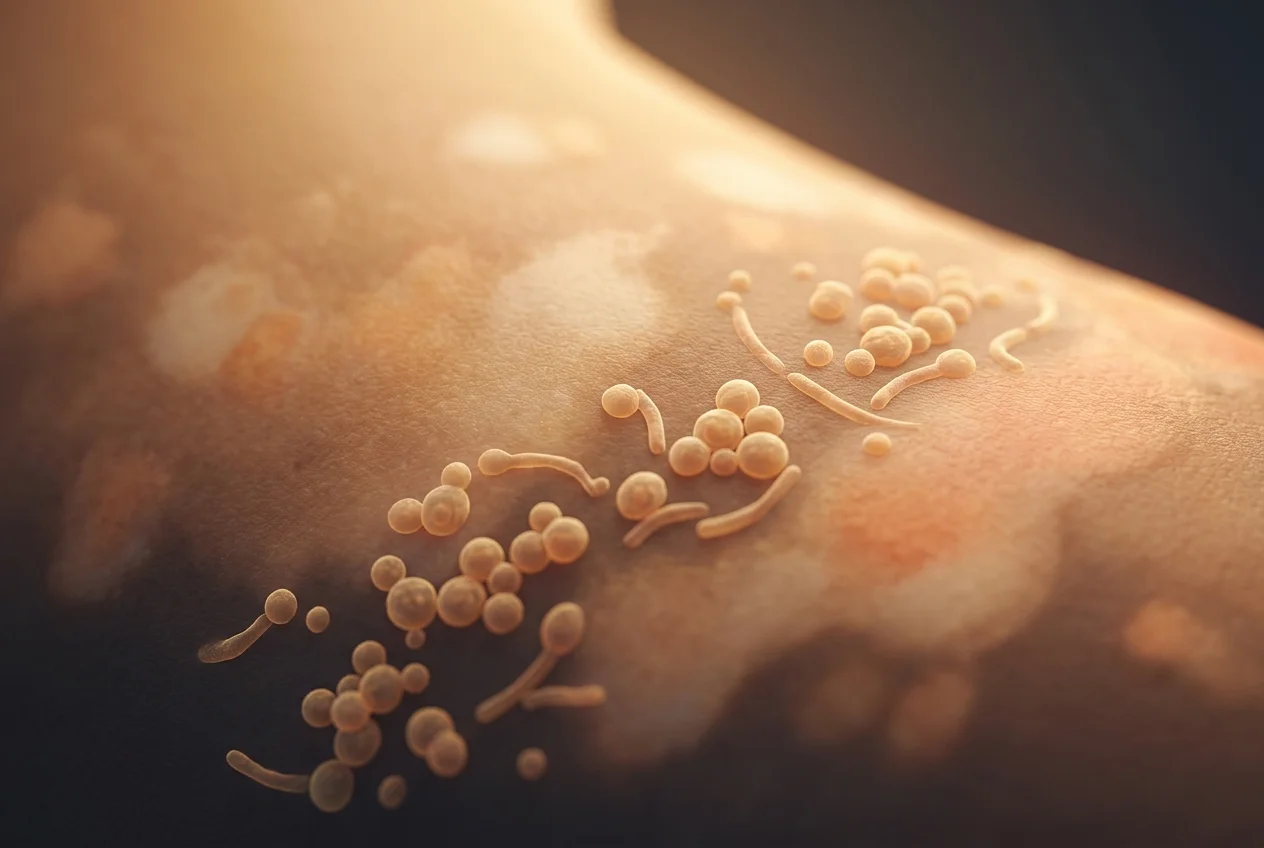
Cold sores (herpes labialis) is a very frequent viral infection caused, in most cases, by herpes simplex virus type 1 (HSV-1). Less frequently it can also be produced by herpes simplex virus type 2 (HSV-2).
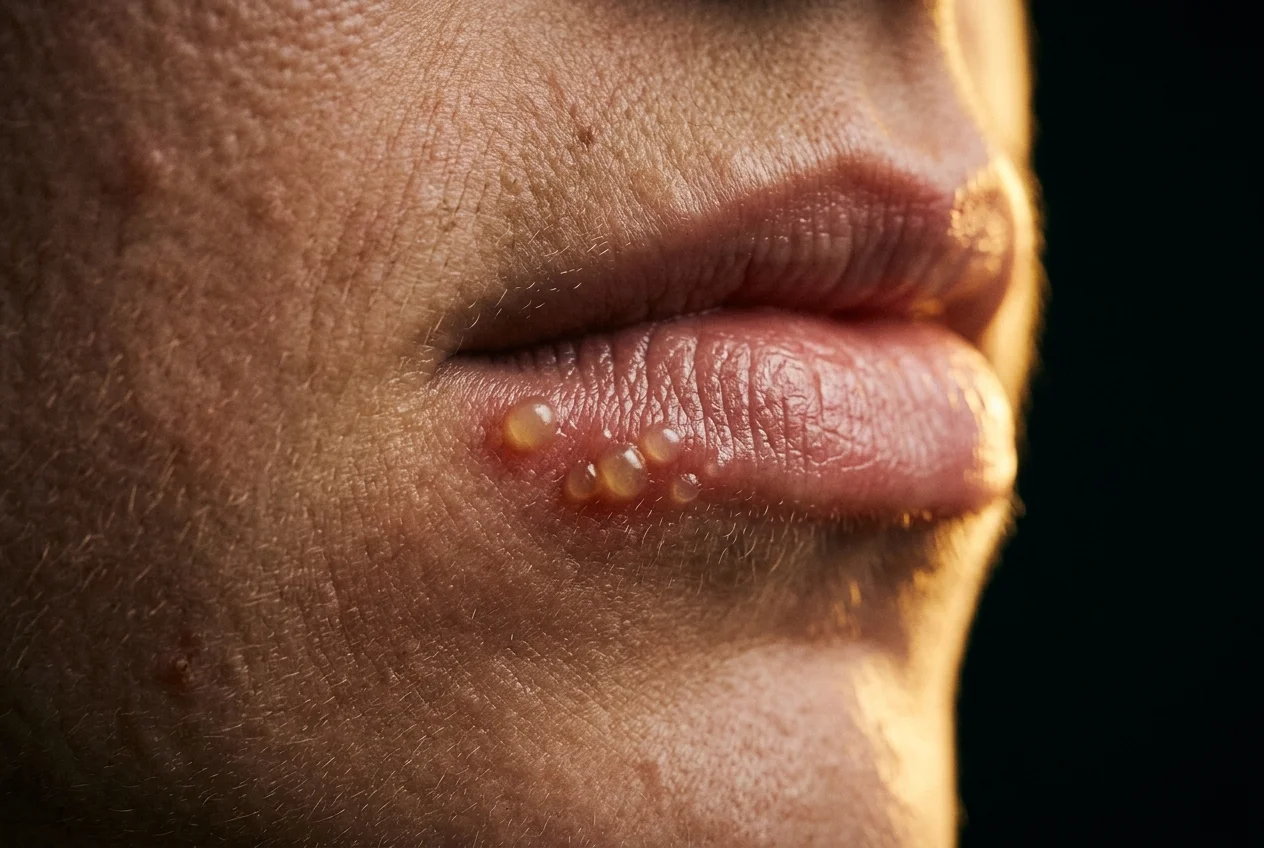
It is characterised by the appearance of small painful blisters, generally around the lips, which subsequently break and form a crust. Once a person is infected, the virus remains in the body throughout life in a latent state. In certain circumstances it can reactivate and produce new outbreaks.
Cold sores are a very frequent disease and do not usually represent a serious problem in healthy people.
Why does it appear?
The first infection usually occurs during childhood or adolescence through direct contact with an infected person. After the initial infection, the virus remains «dormant» in a nearby nerve ganglion and can reactivate years later.
What can trigger an outbreak? The most frequent factors are intense sun exposure, fever or infections, physical or emotional stress, lack of sleep, menstruation, a drop in defences, trauma or procedures on the lips and some aesthetic treatments, such as laser or deep peels.
Why does it always appear in the same place? Because the virus remains latent in the same nerve and usually reactivates in the area that this nerve innervates.
What are the symptoms?
The outbreak usually begins with prior symptoms for a few hours. It is frequent to notice tingling, itching, burning and a sensation of tension.
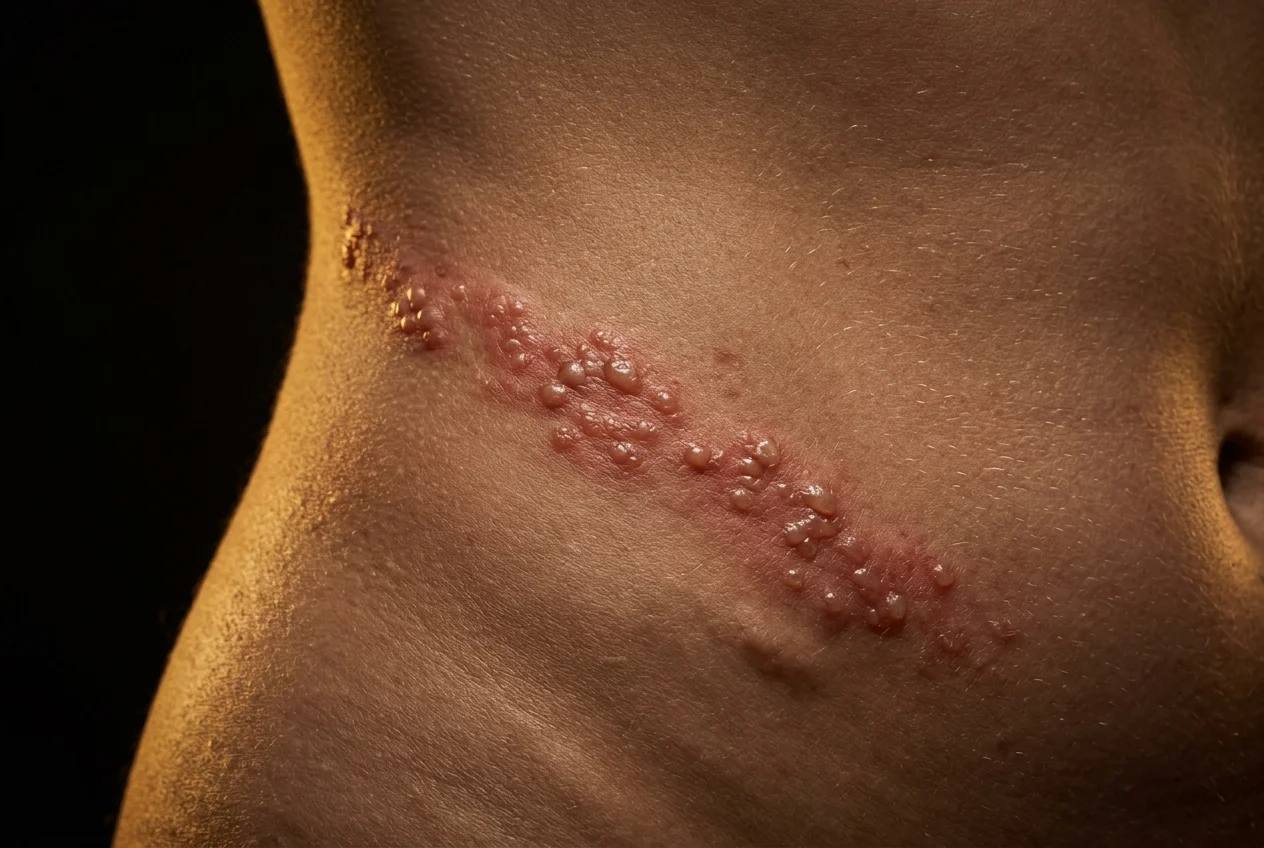
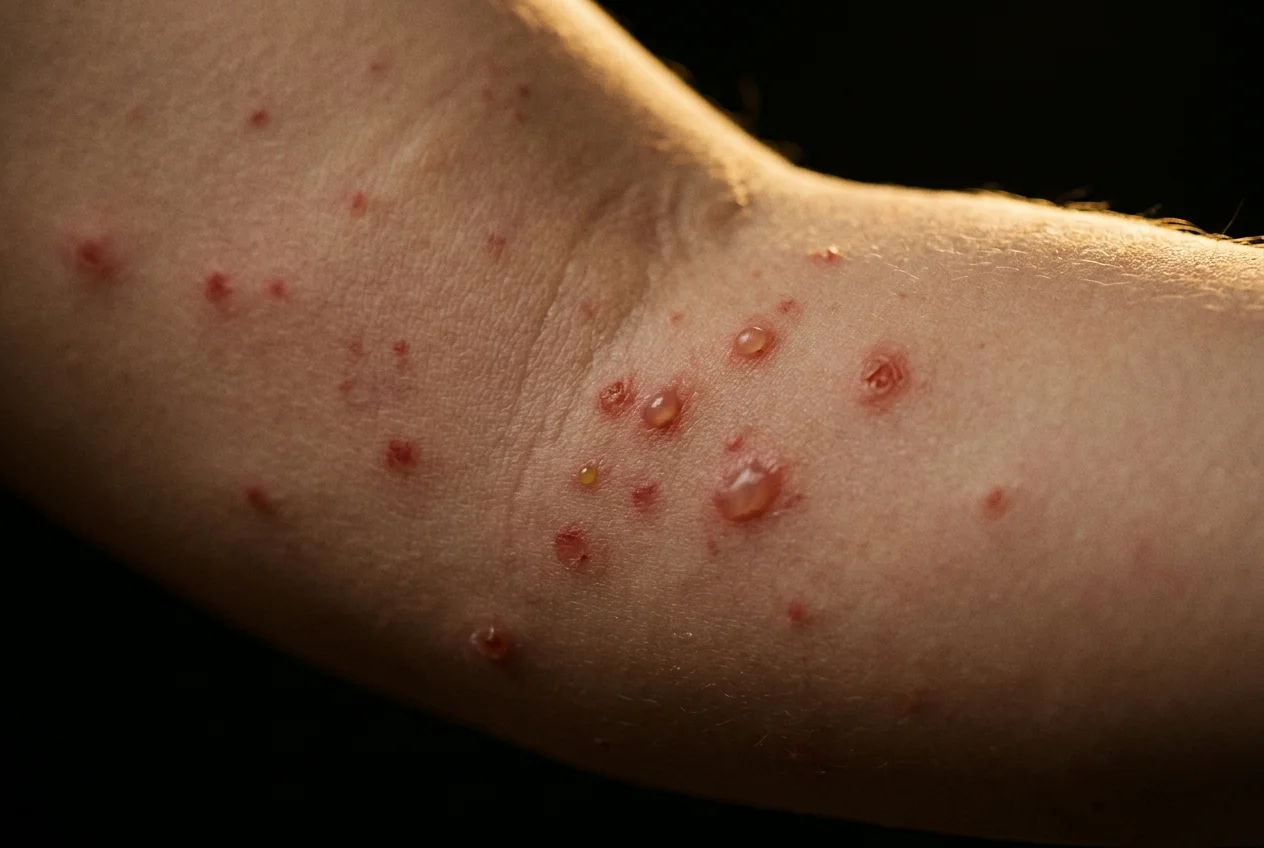
Subsequently small grouped blisters, redness, pain or stinging, breaking of the blisters and formation of crusts appear. The complete evolution usually lasts between 7 and 14 days.
During the first infection, especially in children, fever, inflammation of the gums (gingivostomatitis), pain when eating and swollen lymph nodes in the neck may appear.
How is it diagnosed?
The diagnosis is usually made through clinical examination. The appearance of the lesions is very characteristic.
In infrequent cases a PCR to detect the virus, a viral culture or other tests can be performed when there are diagnostic doubts.
What treatments are available?
Although there is no treatment that definitively eliminates the virus, antivirals allow the duration and intensity of the outbreaks to be reduced.
Oral antivirals. The most used are aciclovir, valaciclovir and famciclovir. They are more effective when started during the first 24-48 hours, ideally at the beginning of the tingling.
Antiviral creams. They can be used in some cases, although their efficacy is lower than that of oral antivirals.
Preventive treatment. In people with very frequent outbreaks a preventive antiviral treatment for several months may be recommended. It can also be indicated before aesthetic procedures or significant sun exposures in patients with a history of recurrent herpes.
What can you do day to day?
During an outbreak it is recommended to:
- Not manipulate the lesions.
- Wash your hands after touching the area.
- Not pull off the crusts.
- Use lip protector with high SPF when exposed to the sun.
- Avoid kissing or maintaining direct contact while there are active blisters.
- Not share glasses, cutlery, lipsticks, towels or lip balms.
- Maintain good hydration.
When should you seek prompt medical advice?
You should see the doctor if it is the first episode and it is very intense, if the lesions affect the eyes, if your defences are low, if the outbreak lasts more than two weeks, if very extensive lesions appear, if you have a high fever or general malaise, or if the outbreaks are very frequent.
Ocular involvement by herpes constitutes an emergency and must be assessed immediately.
Myths and facts
- Myth: Cold sores appear because my defences are very low. Fact: Not necessarily. Stress, the sun or a mild infection can also trigger an outbreak.
- Myth: When the crust disappears, the virus has disappeared. Fact: The virus remains latent in the body and can reactivate in the future.
- Myth: Antibiotics cure herpes. Fact: No. Herpes is caused by a virus and is treated with antiviral medications.
- Myth: It is only contagious when there are blisters. Fact: The risk of contagion is much higher when there are active lesions, although elimination of the virus without symptoms can sometimes occur.
- Myth: I can never have herpes again if it has already appeared once. Fact: It is common for new outbreaks to appear throughout life.
The key points to remember
- Cold sores are usually caused by herpes simplex virus type 1.
- The virus remains latent throughout life and can reactivate.
- Tingling is usually the first symptom before the appearance of the blisters.
- Antivirals are more effective when started early.
- Avoiding manipulating the lesions reduces the risk of contagion and superinfection.
- Involvement of the eye requires urgent medical assessment.
Frequently asked questions
Is it contagious?
Yes. Especially when there are active blisters or ulcers.
How long does it take to heal?
Usually between 7 and 14 days.
Can it come back?
Yes. The virus remains latent and can reactivate.
Can I kiss another person?
It is recommended to avoid kissing while there are active lesions to reduce the risk of contagion.
Can the sun trigger it?
Yes. It is one of the most frequent triggering factors.
Is there a vaccine?
There is currently no approved vaccine to prevent cold sores.
Should I always take antivirals?
No. It will depend on the frequency and intensity of the outbreaks.
Can I have an aesthetic treatment if I have herpes?
Not during an active outbreak. If you have a history of recurrent herpes and are going to have a laser, a deep peel or a perioral rejuvenation treatment, your doctor may indicate a preventive antiviral treatment.
Can it leave a scar?
In healthy people it normally does not leave permanent scars.
Is there a cure?
There is no treatment that definitively eliminates the virus, but the outbreaks can be controlled effectively and many people go long periods without relapses.
Need personalised guidance?
This guide is for information only and does not replace a medical consultation. For an assessment tailored to your case, you may request a consultation.
Request a consultationTopics