Folliculitis
Inflammation of the hair follicle
Folliculitis is an inflammation of the hair follicle that can be caused by bacteria, fungi or irritation. Learn why it appears, how it is diagnosed and which treatments help prevent new flare-ups.
What is folliculitis?
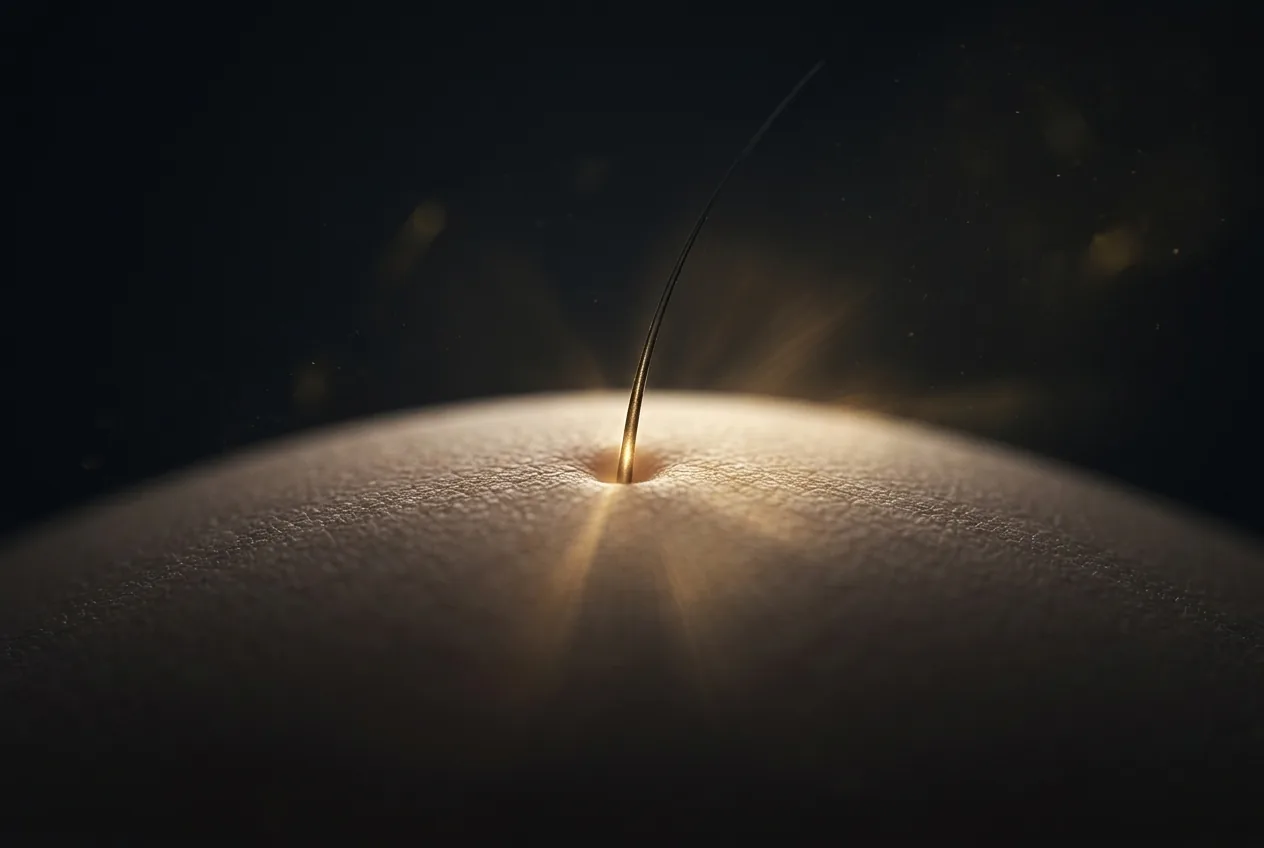
Folliculitis is an inflammation of the hair follicle, the small skin structure from which each hair grows.
It can be caused by an infection, but it can also appear from friction, shaving, hair removal or obstruction of the follicle. Therefore, not all folliculitis is infectious.
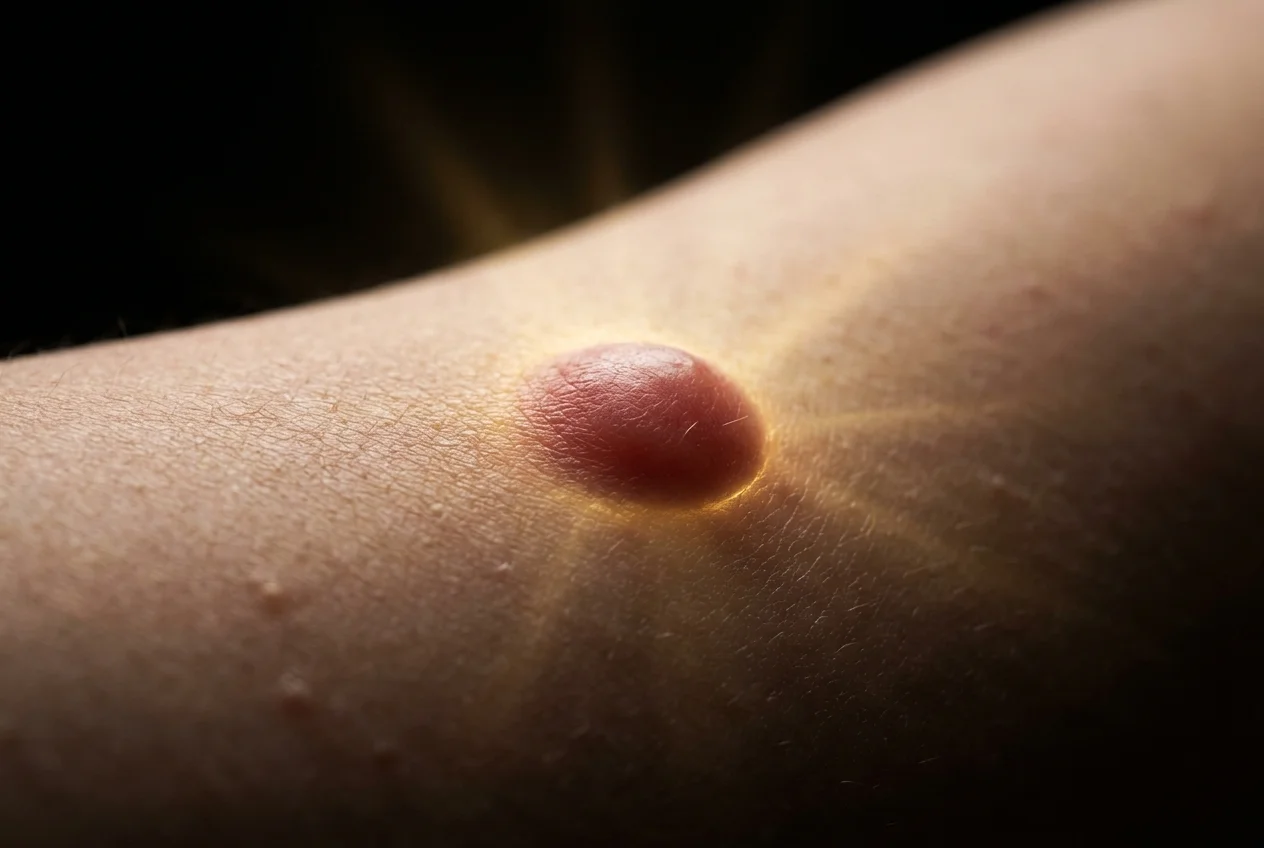
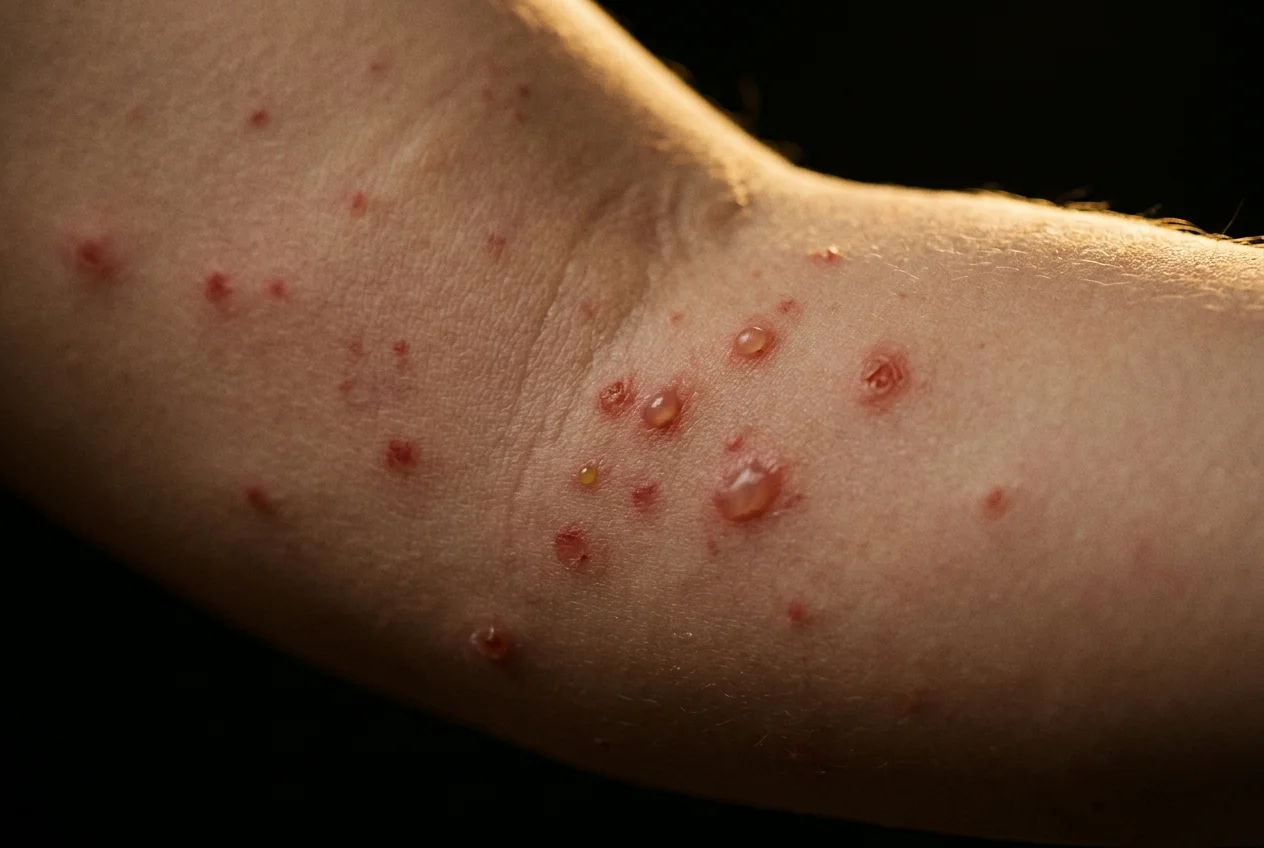
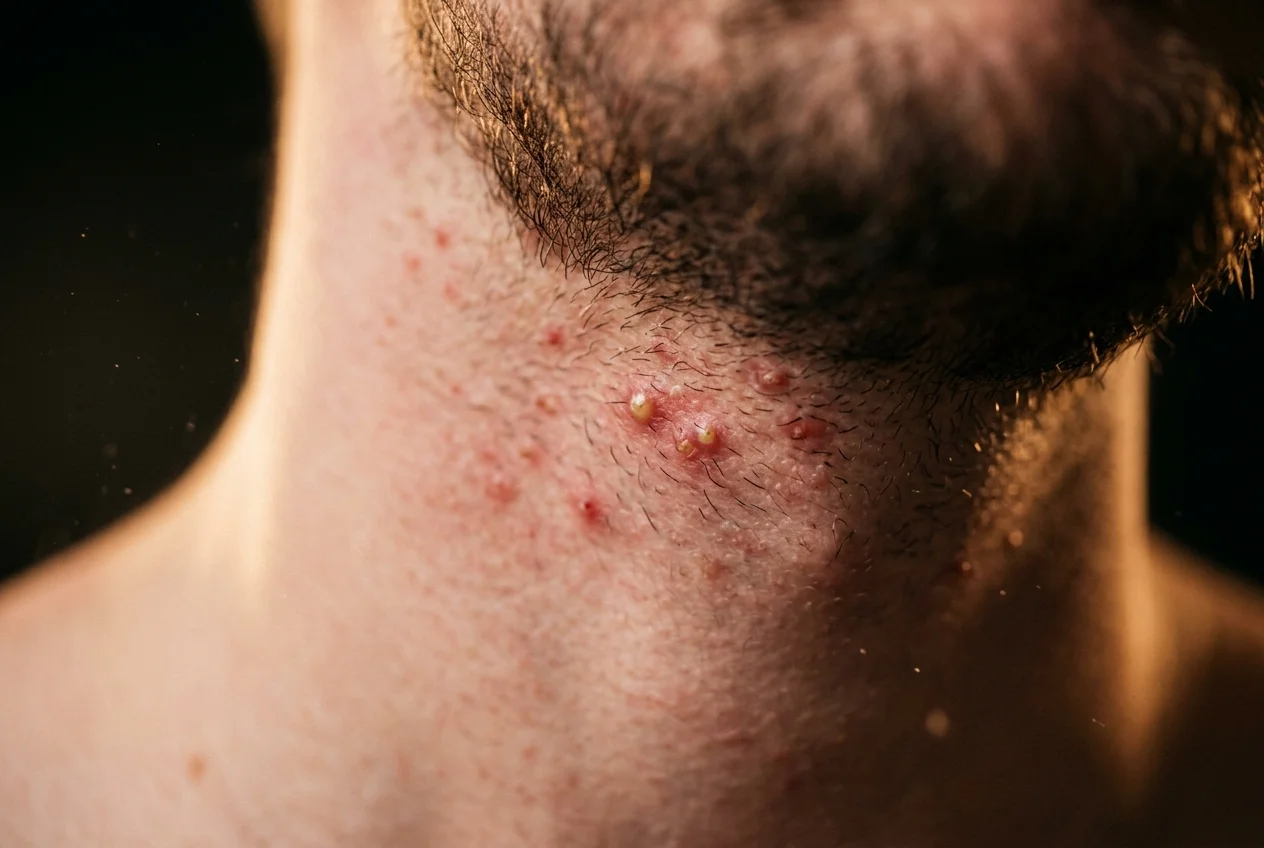
It manifests as small red bumps, sometimes with a white tip of pus, which can cause itching, discomfort or pain. It can appear in any hairy area, although it is more common on:
- The beard.
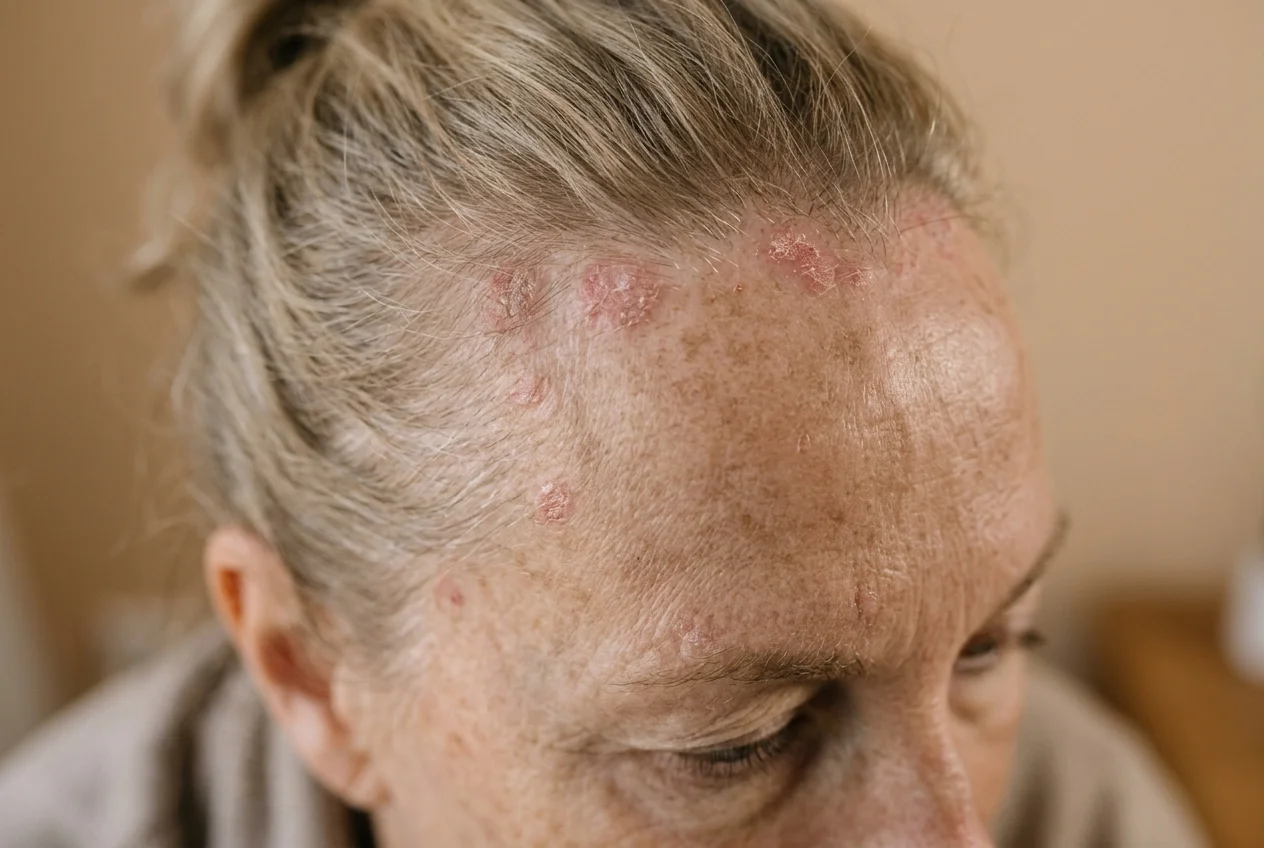
- The scalp.
- The neck.
- The armpits.
- The groin.
- The buttocks.
- The thighs.
- The back.
In most cases it has a good prognosis and responds well to treatment.
Why does it appear?
This is usually the first question patients ask. The answer is that there are many different causes, so it is important to identify the origin in order to choose the right treatment.
Bacterial folliculitis
It is the most common form. It is generally caused by the bacterium Staphylococcus aureus, which penetrates the hair follicle and causes the infection.
Why does the bacterium get in? Because the follicle can be injured by shaving, hair removal, continuous rubbing from clothing, scratching or small wounds.
Other causes
Folliculitis can also be due to:
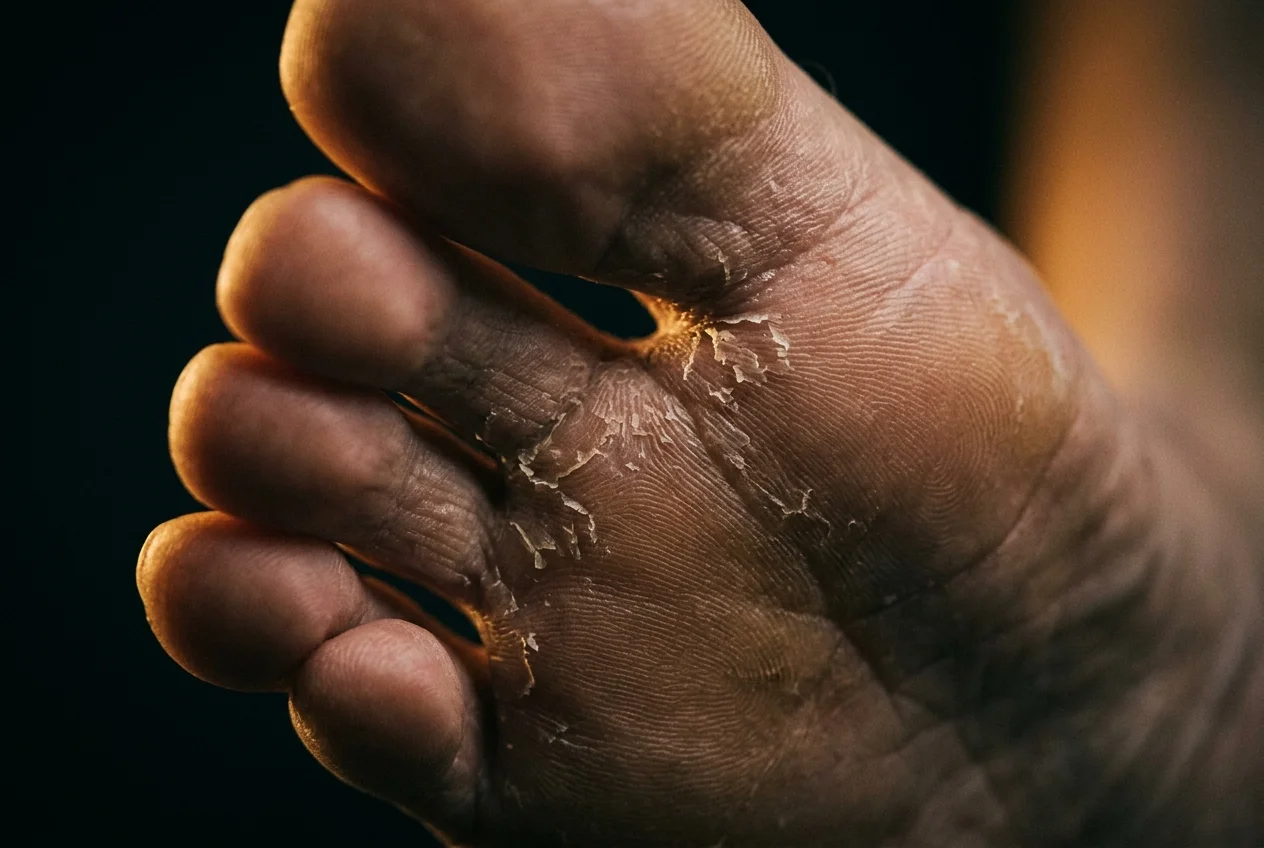
- Fungi (especially yeasts such as Malassezia).
- Viruses, in less frequent situations.
- Poorly disinfected pools or hot tubs (Pseudomonas folliculitis).
- Excessive sweating.
- Obesity.
- Prolonged use of tight clothing.
- Some medications.
Why does it always come back? When the cause that favours the inflammation persists (frequent shaving, sweat, friction, bacterial colonisation, etc.), flare-ups can recur. That is why it is important not to limit yourself to treating the episode, but to identify the triggering factor.
Is it due to lack of hygiene? No. Although maintaining good hygiene helps prevent some infections, folliculitis does not appear simply because someone is dirty.
What are the symptoms?
Symptoms can vary depending on the cause. The most common are:
- Small red bumps.
- Pustules (bumps with pus).
- Itching.
- Tenderness or pain.
- Redness around the hair.
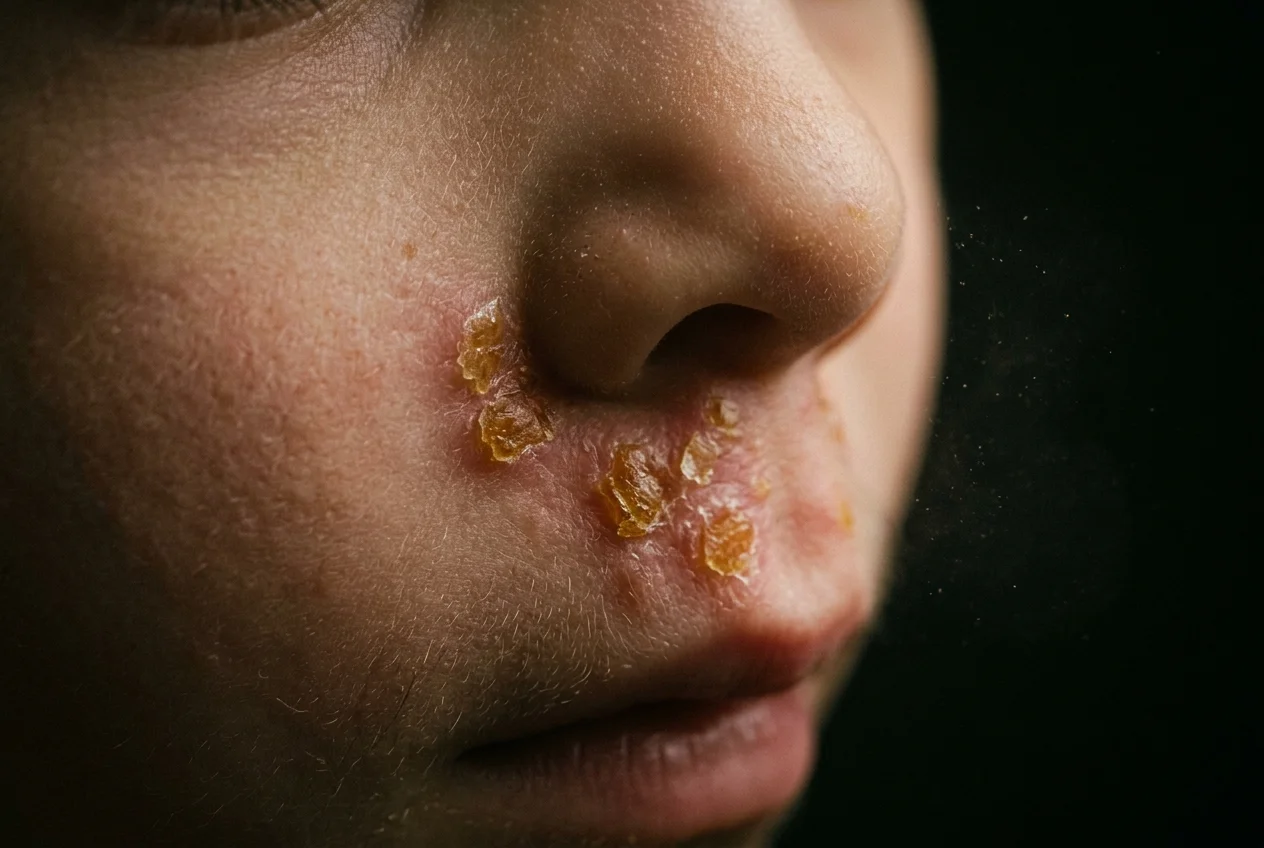
Occasionally boils, crusts or deeper inflammation can appear.
If it affects the scalp for a long time, some rare forms can cause permanent hair loss.
How is it diagnosed?
Diagnosis is usually made through clinical examination. In some patients it may be necessary to:
- Take a sample of the pus to identify the responsible bacterium.
- Perform a culture.
- Study the presence of fungi when yeast folliculitis is suspected.
These tests make it possible to select the most effective treatment.
What treatments are available?
One of the most frequent questions is: do I need antibiotics? The answer is: it depends on the cause. That is why it is so important to make a correct diagnosis.
Topical treatments
In mild cases antiseptics or topical antibiotics can be used when there is a bacterial infection.
Oral treatments
When the infection is extensive or deep, oral antibiotics or antifungals (if the cause is fungal) may be necessary.
Why are antibiotics not always used? Because many folliculitis cases are not caused by bacteria. Using antibiotics when they are not necessary does not improve the disease and favours the development of resistance.
Why does it reappear after treatment? Because the treatment eliminates the flare-up, but if the cause that produces it does not disappear, new lesions can occur.
What can you do day to day?
To prevent new episodes it is recommended to:
- Shower after intense exercise.
- Avoid staying in wet clothing for a long time.
- Wear breathable clothing.
- Change razor blades frequently.
- Shave in the direction of hair growth when possible.
- Not manipulate or squeeze the bumps.
- Maintain good skin hygiene with mild products.
If flare-ups are repetitive, it is advisable to consult a doctor to find the cause.
When should you seek prompt medical advice?
Seek medical assessment if:
- The pain increases rapidly.
- Fever appears.
- The area spreads significantly.
- You observe a large or very painful abscess.
- The folliculitis recurs frequently.
- The lesions leave scars or cause hair loss.
Myths and facts
- Myth: Folliculitis is always an infection. Fact: No. It can also be caused by friction, hair removal or obstruction of the follicle.
- Myth: It is a contagious disease. Fact: In most cases it is not passed from one person to another.
- Myth: I always need antibiotics. Fact: Only when there is a proven or very probable bacterial infection.
- Myth: It is the fault of poor hygiene. Fact: No. There are numerous factors that favour inflammation of the hair follicle.
- Myth: I can burst the bumps so they heal faster. Fact: Manipulating the lesions increases the risk of infection and scarring.
The key points to remember
- Folliculitis is an inflammation of the hair follicle.
- It is not always caused by an infection.
- Shaving, hair removal, friction and sweating can favour its appearance.
- Treatment depends on the cause.
- Antibiotics are not always necessary.
- Avoiding manipulation of the lesions reduces the risk of scarring.
- Repeated episodes should be assessed by a doctor to identify the triggering factor.
Frequently asked questions
Is folliculitis contagious?
Usually not.
Can it come back?
Yes. Especially if the triggering factors persist.
Can shaving cause folliculitis?
Yes. It is one of the most common causes.
Can I keep doing sport?
Yes, although it is advisable to shower afterwards and change wet clothing.
Can it affect the scalp?
Yes, and some forms require early treatment to avoid scarring.
Does it always produce pus?
No. Some folliculitis only produces small red bumps.
Can laser hair removal help?
In some patients with recurrent folliculitis related to hair, laser hair removal can significantly reduce flare-ups. The doctor will assess whether it is indicated in your case.
Do I need a culture?
Not always. Only when the doctor considers it necessary.
Can a swimming pool cause folliculitis?
Yes. It can occasionally appear after using hot tubs or pools with inadequate disinfection.
Can it be cured?
Yes. Most episodes resolve completely with appropriate treatment.
Need personalised guidance?
This guide is for information only and does not replace a medical consultation. For an assessment tailored to your case, you may request a consultation.
Request a consultationTopics