Shingles (herpes zoster)
Reactivation of the chickenpox virus
Shingles is the reactivation of the chickenpox virus and produces a painful rash with blisters on one side of the body. Learn about its causes, treatment, complications and the role of the vaccine in its prevention.
What is shingles (herpes zoster)?
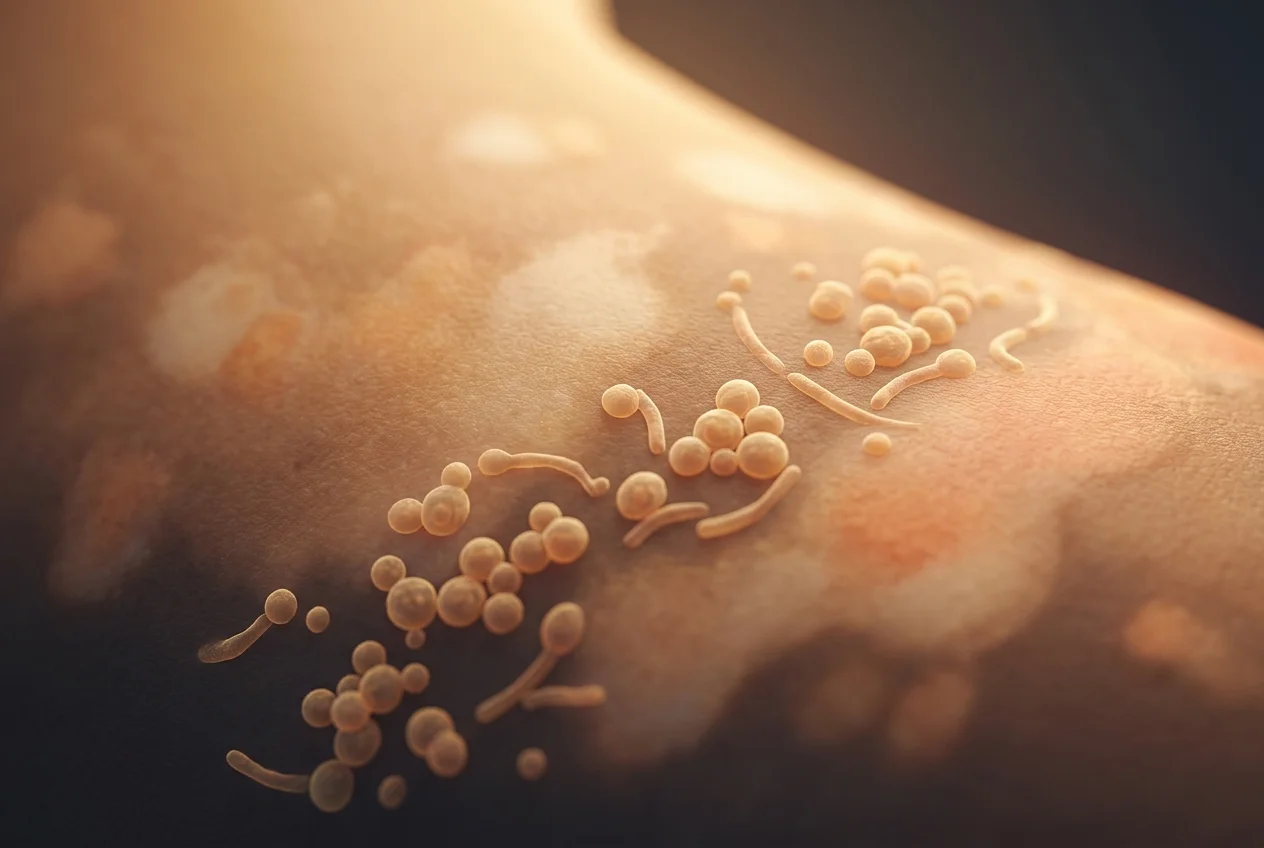
Shingles (herpes zoster), popularly known as «the belt», is an infection caused by the reactivation of the varicella-zoster virus (VZV), the same virus that produces chickenpox.
After having chickenpox, the virus does not disappear from the body. It remains «dormant» for years or even decades in the nerve ganglia and, in certain circumstances, can reactivate. When this happens, the virus travels along the nerve to the skin and produces a characteristic painful rash.
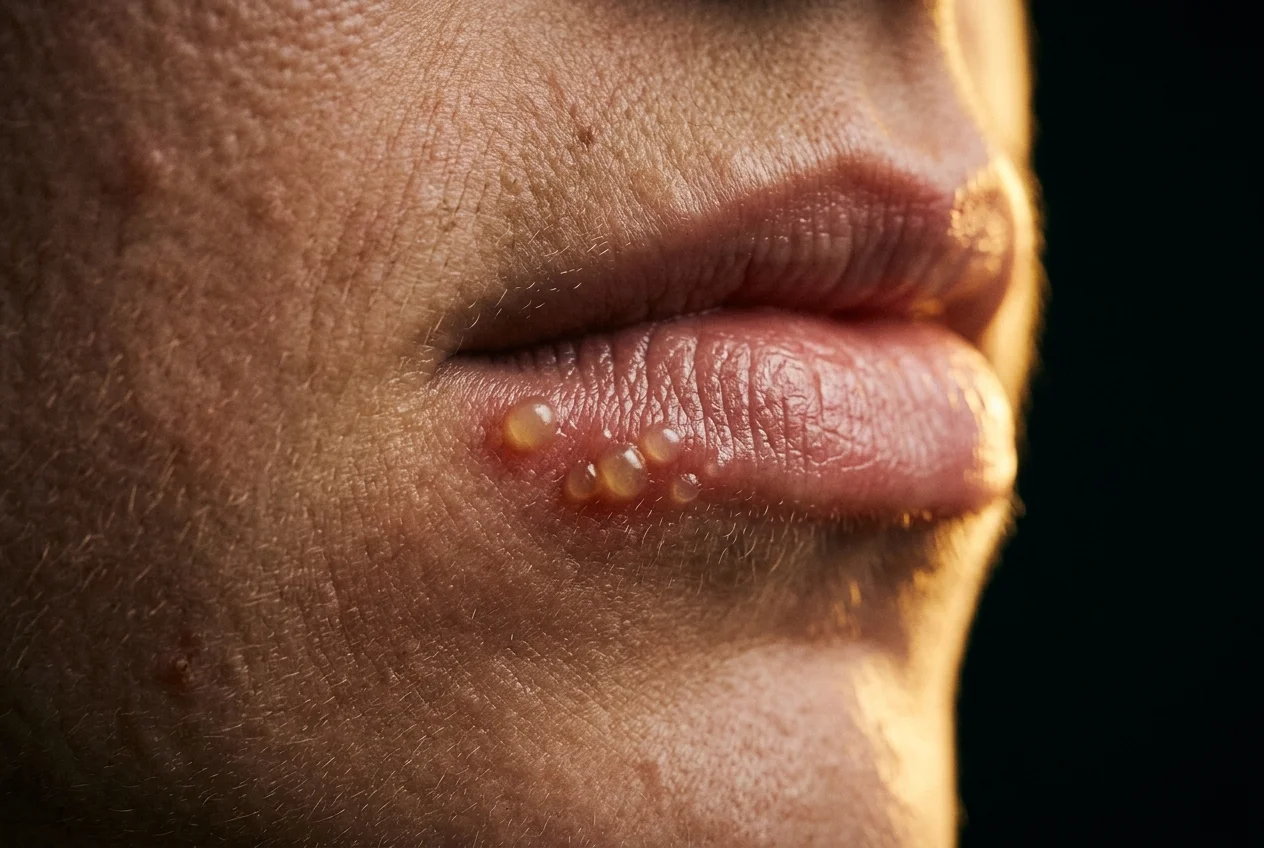
Shingles is not the same disease as cold sores or genital herpes, since they are caused by different viruses.
Why does it appear?
Reactivation of the virus usually occurs when the ability of the immune system to keep it inactive decreases. Among the factors that increase the risk are age over 50 years, intense physical or emotional stress, diseases that reduce the defences, immunosuppressive treatments, some types of cancer, HIV infection and organ transplants.
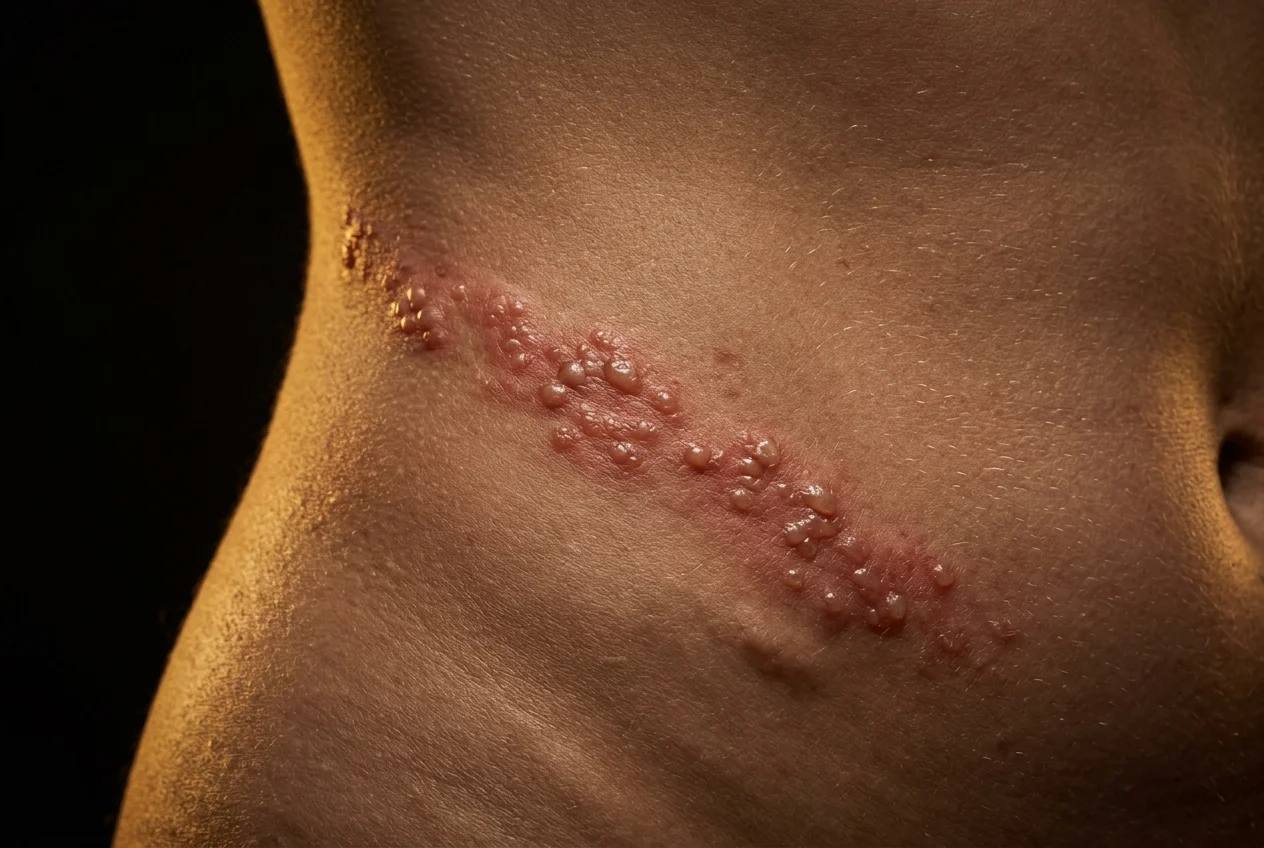
Why does it appear only on one side of the body? Because the virus reactivates in a single nerve ganglion and follows the path of that nerve towards the skin. For this reason, the lesions usually affect only one side of the body and do not cross the midline.
Can it appear more than once? Yes. Although most people have only one episode, shingles can reappear, especially in immunosuppressed people.
What are the symptoms?
Before the lesions appear it is frequent to notice pain, burning, tingling, itching and hypersensitivity of the skin.
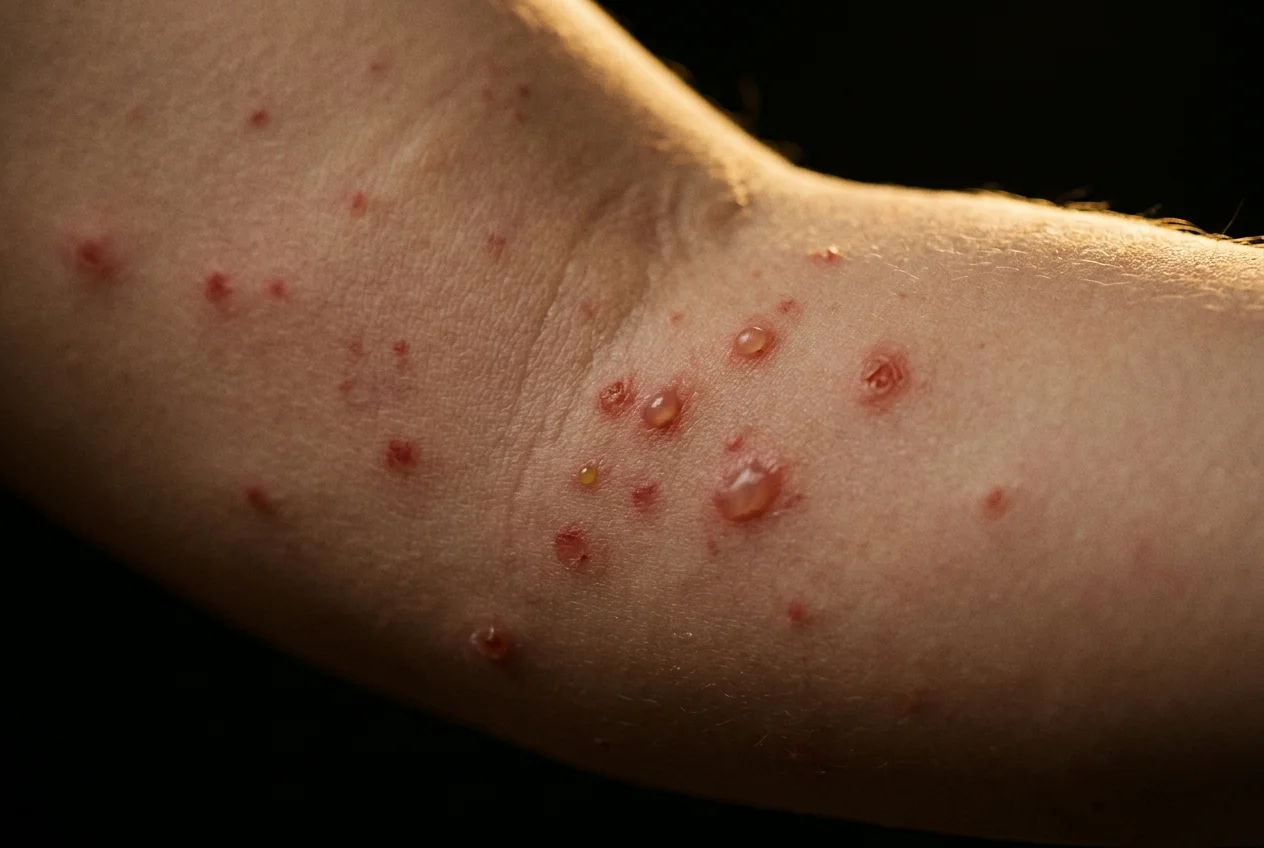
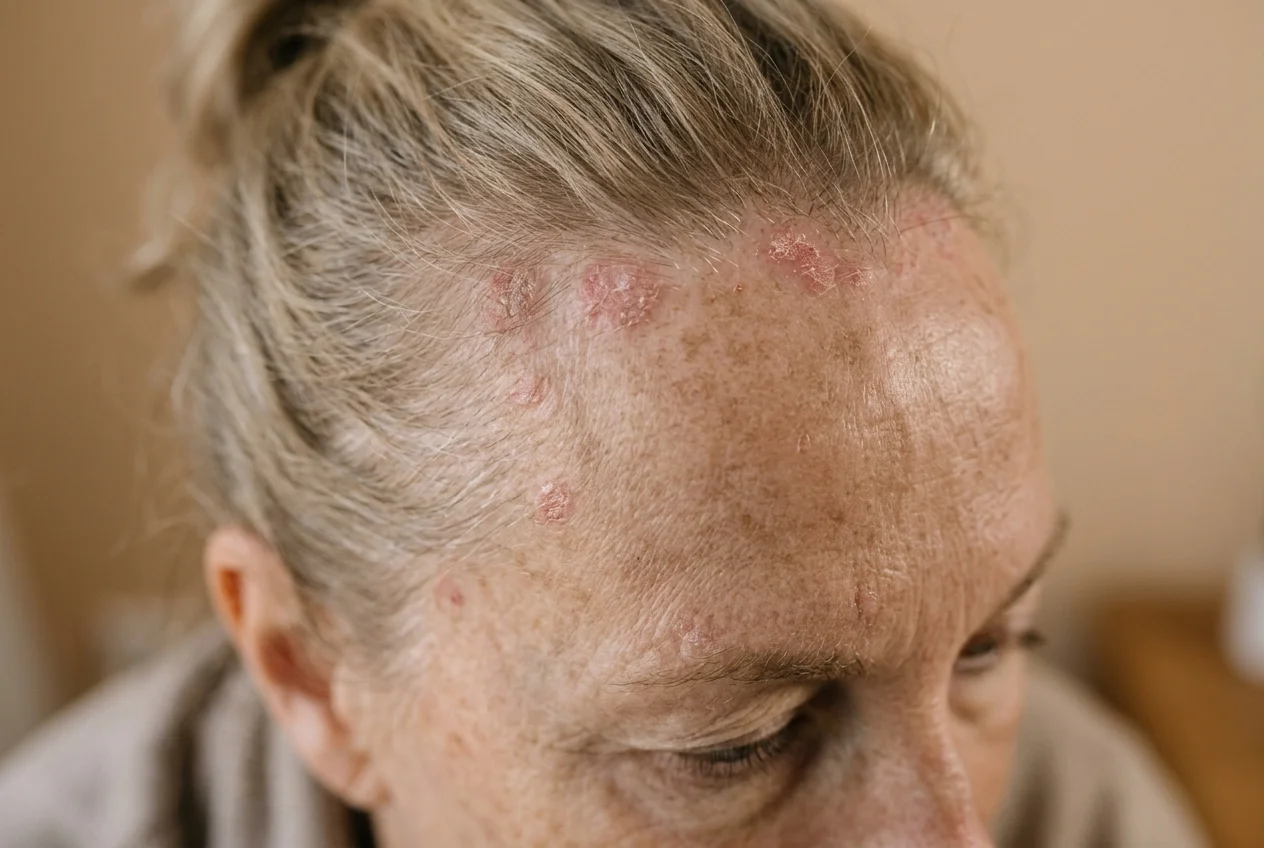
One or several days later reddish plaques, small grouped blisters, intense pain and a burning sensation appear. The lesions follow the path of a nerve (dermatome).
The most frequent locations are the thorax, abdomen, back, face and scalp. The blisters dry out progressively and form crusts over the following two weeks.
How is it diagnosed?
The diagnosis is usually made through clinical examination. The unilateral distribution and the appearance of the lesions are very characteristic.
In special situations a PCR of the content of the vesicles, a viral culture (less used) or other tests can be performed when there are diagnostic doubts.
What treatments are available?
Treatment must be started as soon as possible, preferably during the first 72 hours from the appearance of the lesions.
Oral antivirals. The most used are valaciclovir, aciclovir and famciclovir. These medications help to reduce the duration of the outbreak, decrease the intensity of the pain and reduce the risk of complications.
Pain treatment. Depending on the intensity of the pain, paracetamol, anti-inflammatories, more potent analgesics and specific medications for neuropathic pain can be used when necessary.
Local care. It is recommended to keep the skin clean, avoid breaking the blisters, use loose and comfortable clothing and keep the lesions dry.
What complications can appear?
The most frequent complication is postherpetic neuralgia, a pain that can persist for months after the lesions disappear.
Other possible complications include bacterial superinfection of the lesions, ocular involvement (ophthalmic herpes zoster), decreased vision, facial paralysis in some cases and involvement of the ear (Ramsay Hunt syndrome).
What can you do day to day?
During the episode it is recommended to rest adequately, maintain good hygiene of the lesions, not scratch the blisters, avoid sharing towels until all the lesions are dry and cover the lesions when possible.
Until the blisters form a crust, it is advisable to avoid direct contact with people who have never had chickenpox or been vaccinated, susceptible pregnant women, newborns and immunosuppressed people. These people would not develop shingles, but chickenpox if they become infected.
What role does the vaccine play?
There are currently very effective vaccines to prevent shingles. They are especially recommended in people over 50 years old and in people with certain diseases that increase the risk of reactivation.
Vaccination significantly reduces the risk of developing shingles and of suffering postherpetic neuralgia.
When should you seek prompt medical advice?
You should seek urgent care if the lesions affect the eye, the forehead or the tip of the nose, if you have loss of vision, if you have difficulty moving the face, if there is very intense pain, if a high fever appears, if you are immunosuppressed, if the lesions are very extensive or if the pain persists for months after the disappearance of the rash.
Myths and facts
- Myth: Shingles and cold sores are the same disease. Fact: No. They are produced by completely different viruses.
- Myth: It only appears in elderly people. Fact: It is more frequent with age, but can also appear in young adults and even, occasionally, in children.
- Myth: Shingles always leaves sequelae. Fact: Most people recover completely.
- Myth: The blisters must be broken to heal sooner. Fact: No. Manipulating them increases the risk of infection and scars.
- Myth: If I have had chickenpox, I can no longer have problems from that virus. Fact: The virus remains latent and can reactivate years later as shingles.
The key points to remember
- Shingles is the reactivation of the chickenpox virus.
- It produces a painful rash with blisters that usually affects only one side of the body.
- Antiviral treatment should preferably be started within the first 72 hours.
- Postherpetic neuralgia is the most frequent complication.
- If the lesions affect the eye, you should consult urgently.
- Vaccination significantly reduces the risk of developing shingles and its complications.
Frequently asked questions
Is it contagious?
Yes, but only by direct contact with the fluid of the active blisters. The susceptible person will develop chickenpox, not shingles.
How long does it last?
Usually between two and four weeks.
Why does it hurt so much?
Because the virus directly affects the nerve where it remains latent.
What is postherpetic neuralgia?
It is a persistent pain that continues after the skin has healed.
Can it affect the eye?
Yes. Ophthalmic herpes zoster constitutes a medical emergency.
Do I need antibiotics?
No. Only if a bacterial superinfection appears.
Should I rest?
Not necessarily, although rest favours recovery.
Is the vaccine useful even if I have already had shingles?
Yes. It can reduce the risk of new episodes and complications, according to the medical assessment.
Can it reappear?
Yes, although it is not usual.
Does it have a good prognosis?
Yes. Most patients progress favourably, especially when antiviral treatment is started early.
Need personalised guidance?
This guide is for information only and does not replace a medical consultation. For an assessment tailored to your case, you may request a consultation.
Request a consultationTopics