Cutaneous candidiasis
Skin infection by Candida yeasts

Cutaneous candidiasis is an infection caused by yeasts of the genus Candida that mainly affects the skin folds. Learn to recognise its symptoms, discover the most effective treatments and prevent new relapses through correct hygiene and control of the risk factors.
What is cutaneous candidiasis?
Cutaneous candidiasis is a skin infection caused by yeasts of the genus Candida, with Candida albicans being the responsible species in most cases.
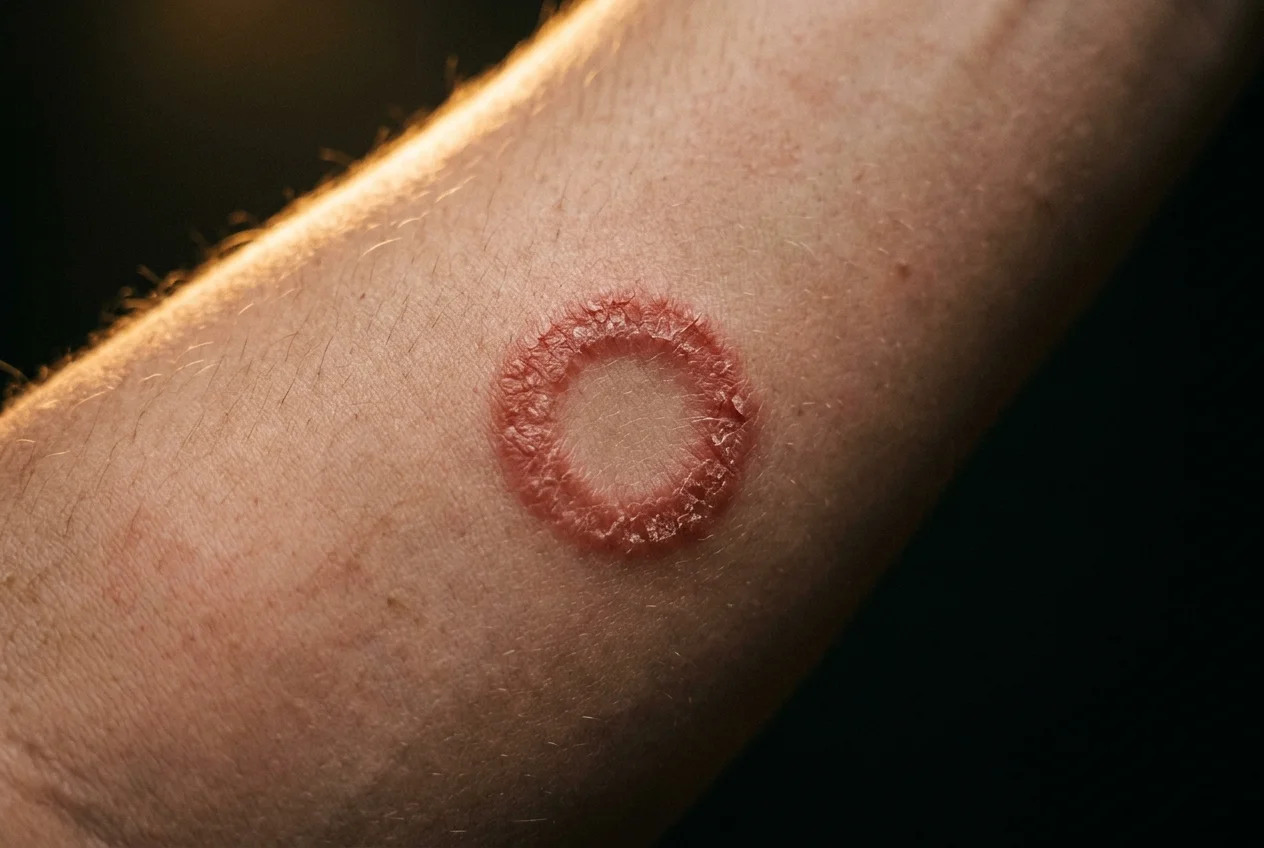
Unlike dermatophytes (which produce ringworm), the yeasts of the genus Candida form part of the usual flora of the skin and mucous membranes. In certain circumstances they can multiply excessively and produce an infection.
Candidiasis can affect the skin folds, the nails, the diaper area, the genitals, the corners of the mouth and the mucous membranes. In this guide we will focus mainly on cutaneous candidiasis.
Why does it appear?
Candida takes advantage of situations in which the skin loses its natural balance. The factors that favour its growth are maintained humidity, excessive sweating, heat, friction between folds, obesity, diabetes, pregnancy, treatments with antibiotics, corticosteroids, immunosuppression, urinary incontinence and prolonged use of diapers.
Does candidiasis mean my defences are low? Not necessarily. Most cutaneous candidiasis appears in healthy people when humidity, heat and friction coincide. However, very extensive, recurrent or persistent infections may justify studying predisposing diseases, such as diabetes or certain alterations of the immune system.
What are the symptoms?
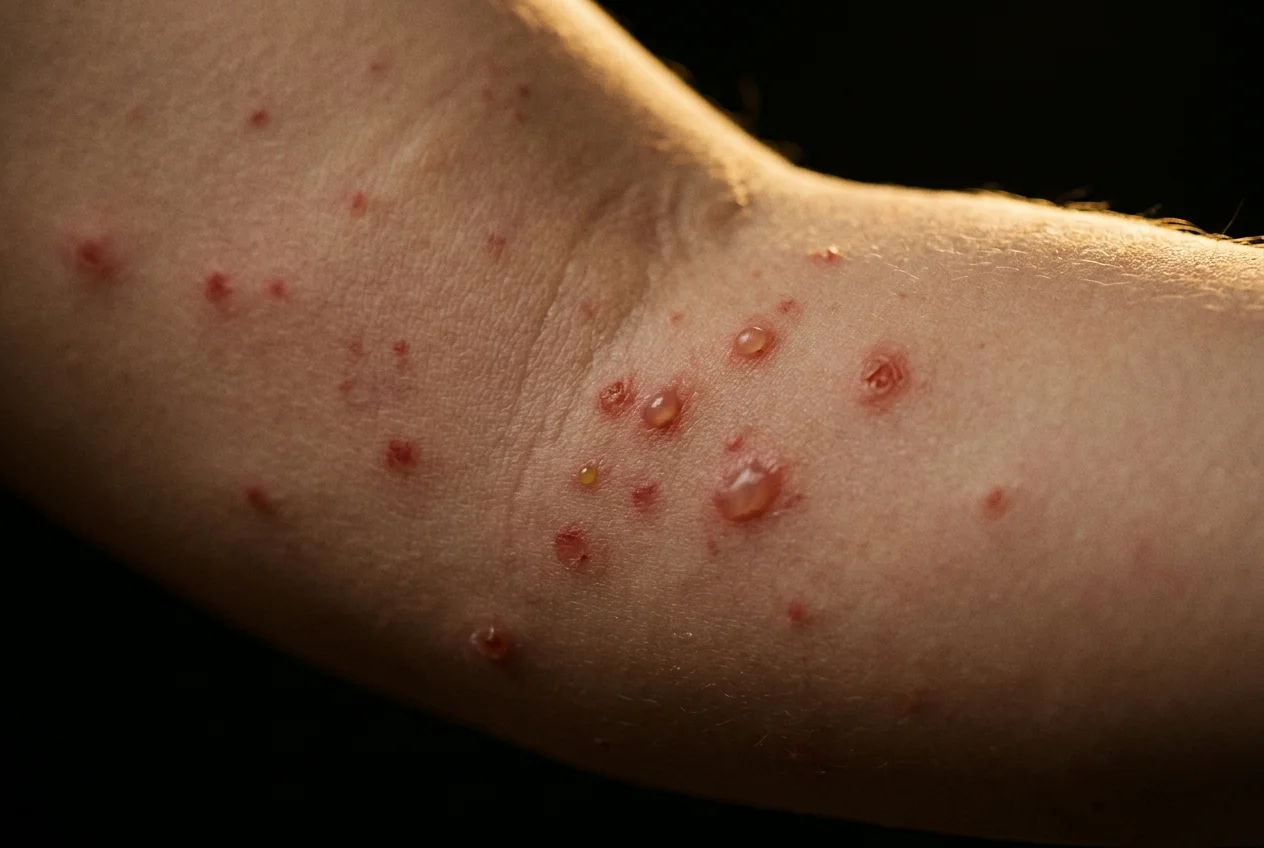
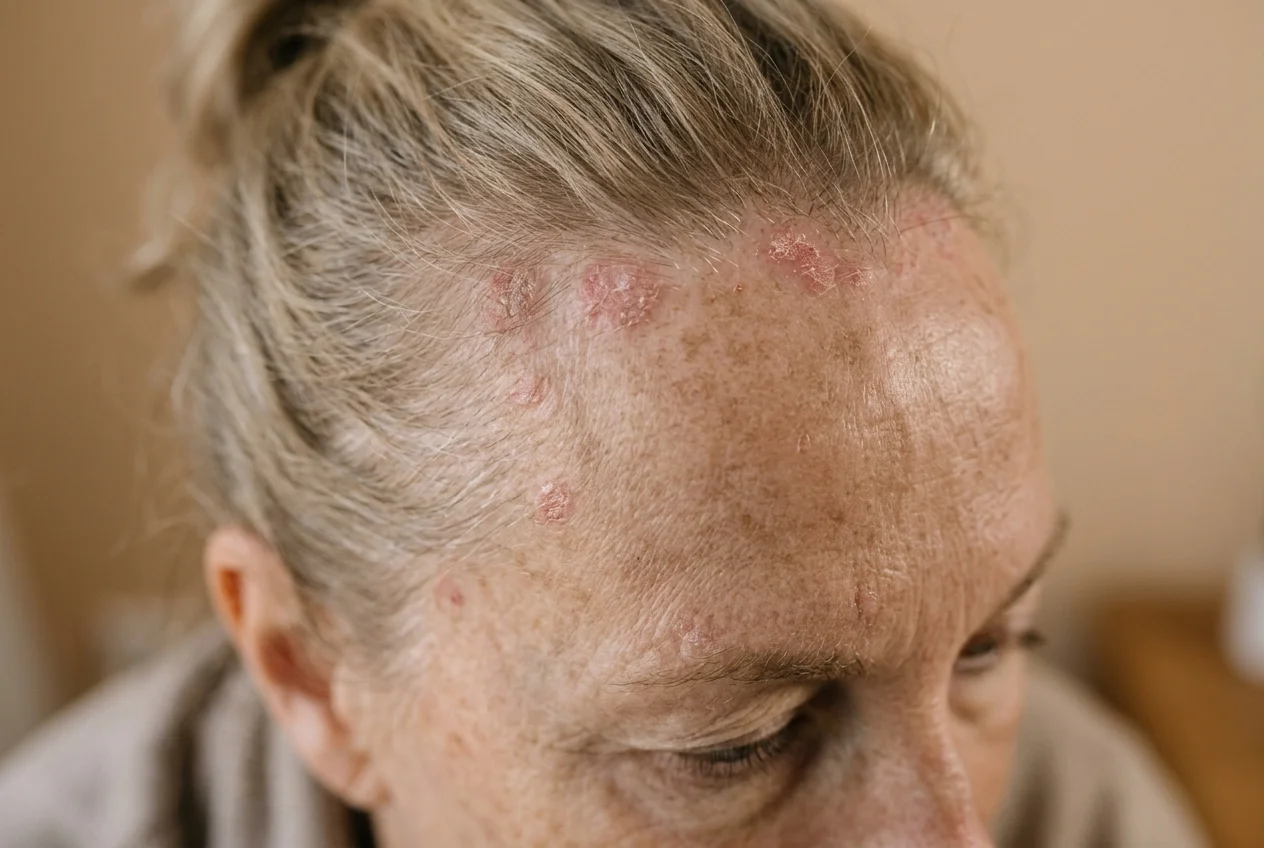
The symptoms depend on the location. The typical lesion presents intense redness, shiny skin, itching, stinging, burning and pain if there are fissures.
A very characteristic sign is the presence of satellite lesions: small papules or pustules around the main plaque that greatly help the diagnosis.
Most frequent locations
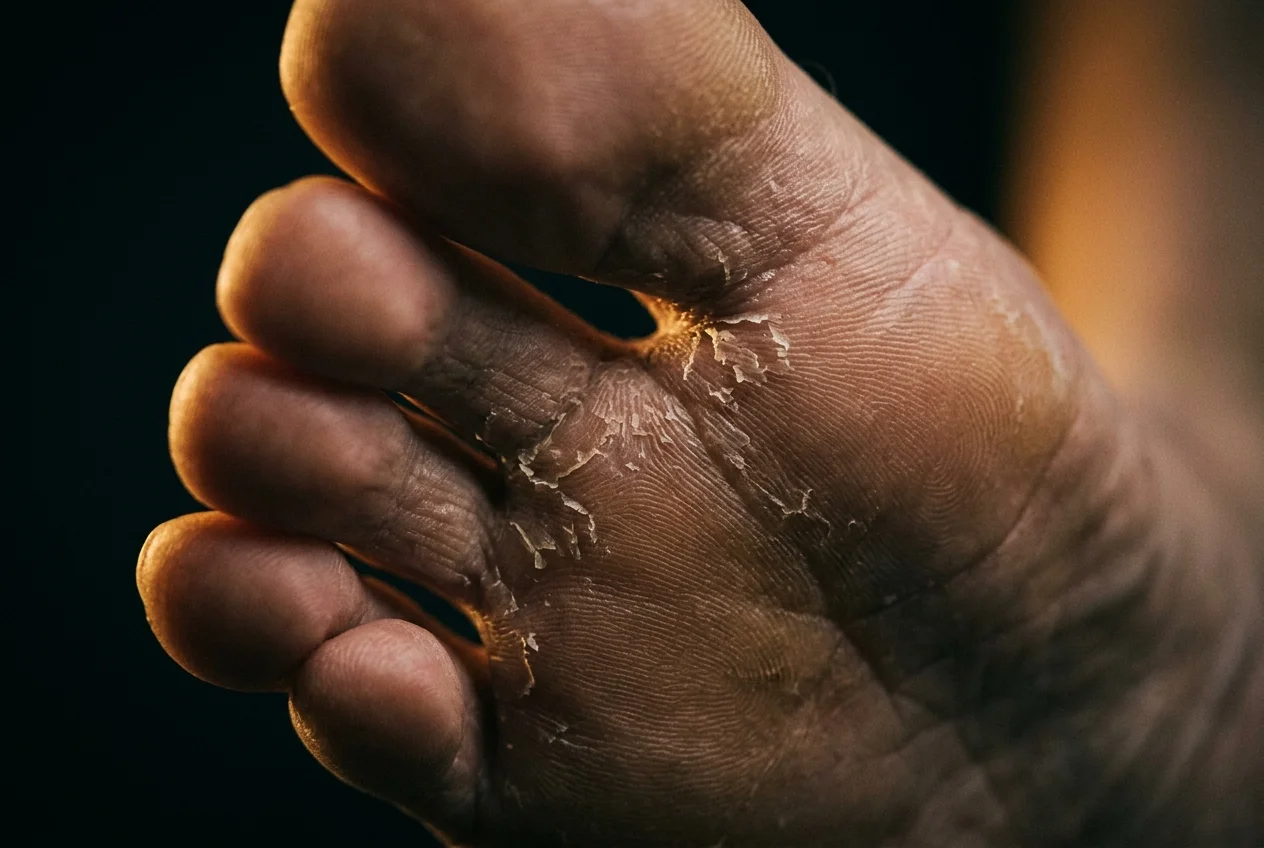
Folds. It is the most usual form. It can affect the groin, the armpits, under the breasts, the abdominal fold and the spaces between the fingers.
Diaper area. It produces a bright red dermatitis that usually partially spares the folds at the start, but when there is candidiasis these are usually clearly affected and satellite lesions appear.
Corners of the mouth (angular cheilitis). It produces cracks, pain and redness.
Interdigital spaces. Especially in people whose hands remain humid for many hours.
How is it diagnosed?
In most cases the diagnosis is based on clinical examination. When there are doubts, a microscopic examination with potassium hydroxide (KOH), a mycological culture and, in some cases, a specific stain can be performed.
It may also be necessary to rule out associated diseases when the infections are repeated.
What treatments are available?
Treatment depends on the extent and the location.
Topical antifungals. They are the treatment of choice in most cutaneous candidiasis. The most used are clotrimazole, miconazole, ketoconazole, econazole, sertaconazole and nystatin (especially useful against Candida). They are usually maintained for one or two weeks after the disappearance of the lesions.
Oral antifungals. They may be necessary when the infection is extensive, there are multiple locations, there are frequent recurrences or the topical treatment is not sufficient. The most used are fluconazole and itraconazole. They must always be prescribed by a doctor.
What happens if there is a lot of inflammation? Sometimes the doctor may indicate for a few days a combination of antifungal with a low-potency corticosteroid to relieve the inflammation, but corticosteroids should never be used alone, as they favour the growth of Candida.
What can you do day to day?
Hygiene measures are fundamental to avoid relapses. It is recommended to keep the skin clean, dry the folds carefully after showering, use a different towel for each area if there are several affected areas, avoid staying many hours with humid clothing, use loose and breathable clothing, prefer cotton garments, change clothes quickly after exercising, favour weight loss if there is obesity and maintain good control of diabetes when present.
How to prevent relapses?
If the infections reappear frequently, it is advisable to check glucose levels, treat excessive sweating, avoid unnecessary antibiotics, keep the skin folds dry and use barrier products when there is continuous friction.
When should you seek prompt medical advice?
You should consult if the infection spreads rapidly, if fever appears, if there is abundant pus, if the treatment does not produce improvement, if the candidiasis is very repeated, if you have diabetes or immunosuppression, or if the lesions affect a newborn or a very fragile person.
Myths and facts
- Myth: Candidiasis appears due to lack of hygiene. Fact: No. Humidity and heat are much more important factors.
- Myth: It only affects people with immunodeficiencies. Fact: Most cases appear in healthy people.
- Myth: Corticosteroids always improve the lesions. Fact: Used without antifungals they can clearly worsen the infection.
- Myth: Candidiasis is always a sexually transmitted disease. Fact: No. Cutaneous candidiasis is not usually considered a sexually transmitted infection.
- Myth: When the redness disappears I can stop the treatment. Fact: It is advisable to maintain the treatment for the indicated time to reduce the risk of relapse.
The key points to remember
- Cutaneous candidiasis is an infection caused by yeasts of the genus Candida.
- It mainly affects humid areas and skin folds.
- Humidity, heat, friction and diabetes are the main predisposing factors.
- Topical antifungals are the first-choice treatment in most cases.
- Keeping the skin dry and reducing friction is fundamental to avoid relapses.
- Very frequent or extensive infections may require studying predisposing diseases.
Frequently asked questions
Is it contagious?
Generally it is not very contagious. Most cases appear due to an excessive growth of a yeast that already forms part of the usual flora.
Can it reappear?
Yes. Especially if humidity, friction or poorly controlled diabetes persist.
Should I stop doing sport?
No, although it is advisable to shower and change clothes immediately after exercise.
Can it affect the nails?
Yes. Candida can also produce nail infections, especially in the hands.
Does moisturising cream cure it?
No. It can relieve dryness, but does not eliminate the infection.
Can it appear under the breast?
Yes. It is one of the most frequent locations in women with marked breast folds.
Does diabetes have an influence?
Yes. Poorly controlled diabetes clearly favours candidiasis.
Should I use drying powders?
In some patients they can help keep the folds dry, always following medical recommendation.
Can it leave scars?
No. It usually heals without leaving scars.
Is there a cure?
Yes. Most cutaneous candidiasis responds very well to antifungal treatment and to measures to keep the skin dry and reduce friction.
Need personalised guidance?
This guide is for information only and does not replace a medical consultation. For an assessment tailored to your case, you may request a consultation.
Request a consultationTopics