Seborrheic dermatitis of the scalp
Dandruff, itching and redness: symptoms and treatment
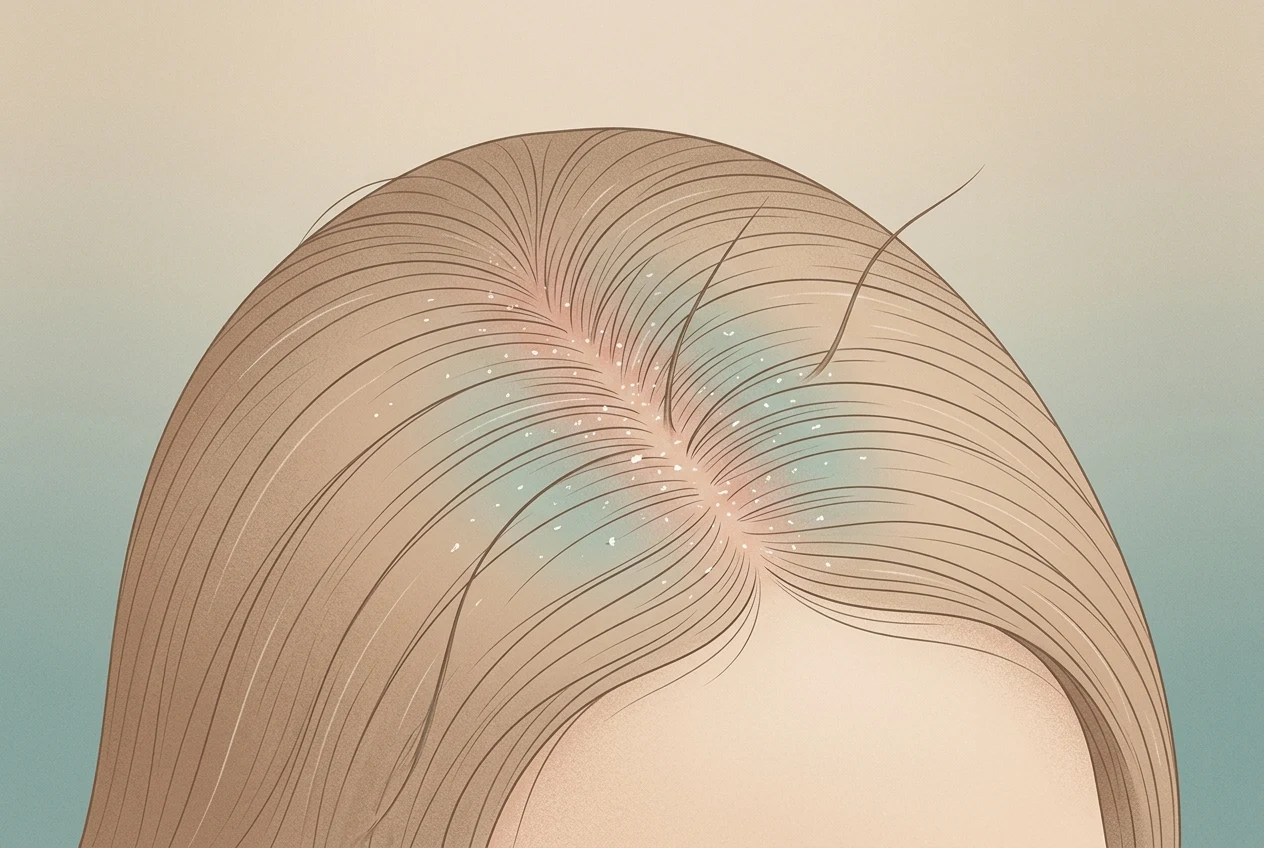
Seborrheic dermatitis of the scalp is a chronic inflammatory disease that causes dandruff, itching and redness. Learn its causes, how it is diagnosed and the most effective treatments to control flare-ups and prevent relapses.
What is seborrheic dermatitis of the scalp?
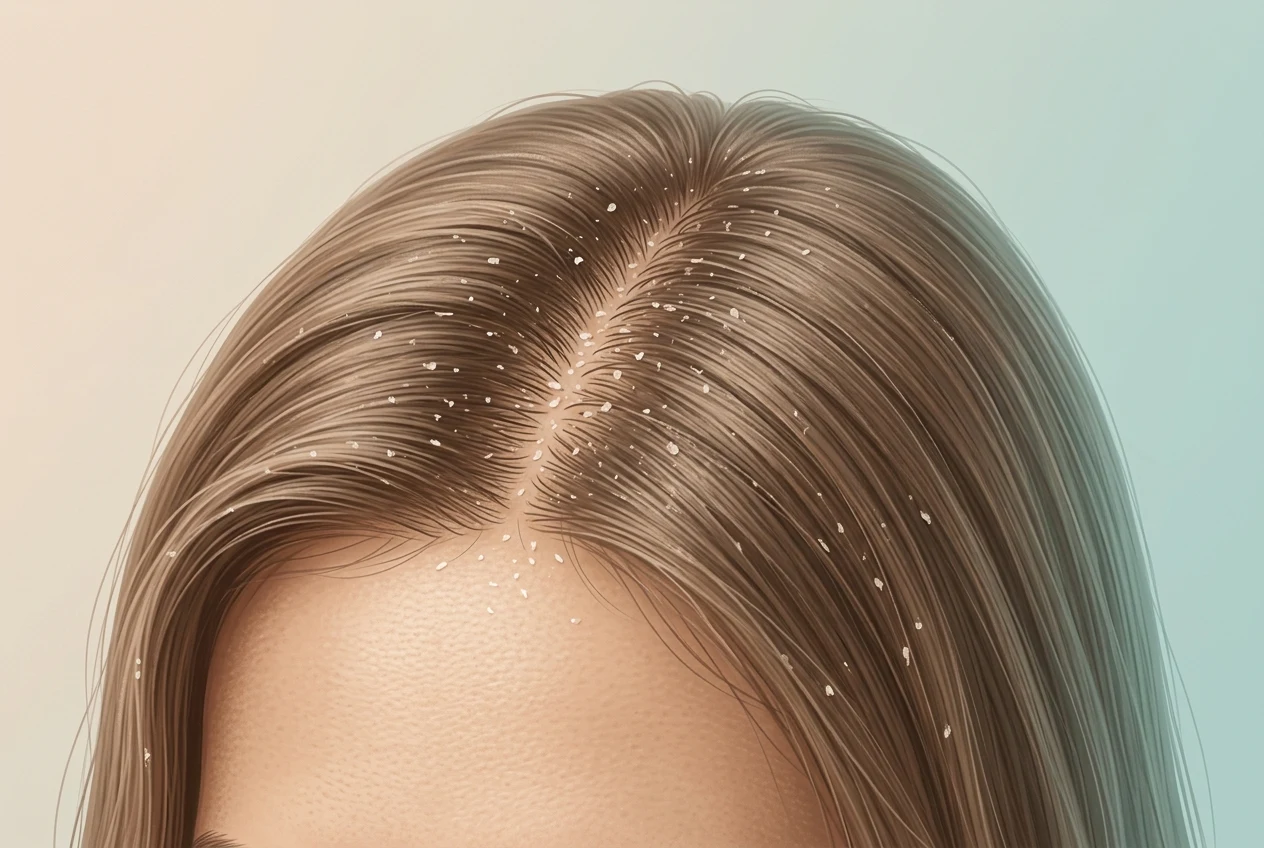
Seborrheic dermatitis of the scalp is a chronic and very frequent inflammatory disease that affects the areas of the skin with the greatest amount of sebaceous glands, especially the scalp. It is characterized by the appearance of dandruff, whitish or yellowish scales, redness, itching and irritation.
It is not a contagious disease and it is not related to a lack of hygiene. Its evolution usually occurs with flare-ups and periods of improvement, which is why it requires maintenance treatment in many patients.
Why does it appear?
Seborrheic dermatitis has a multifactorial origin.
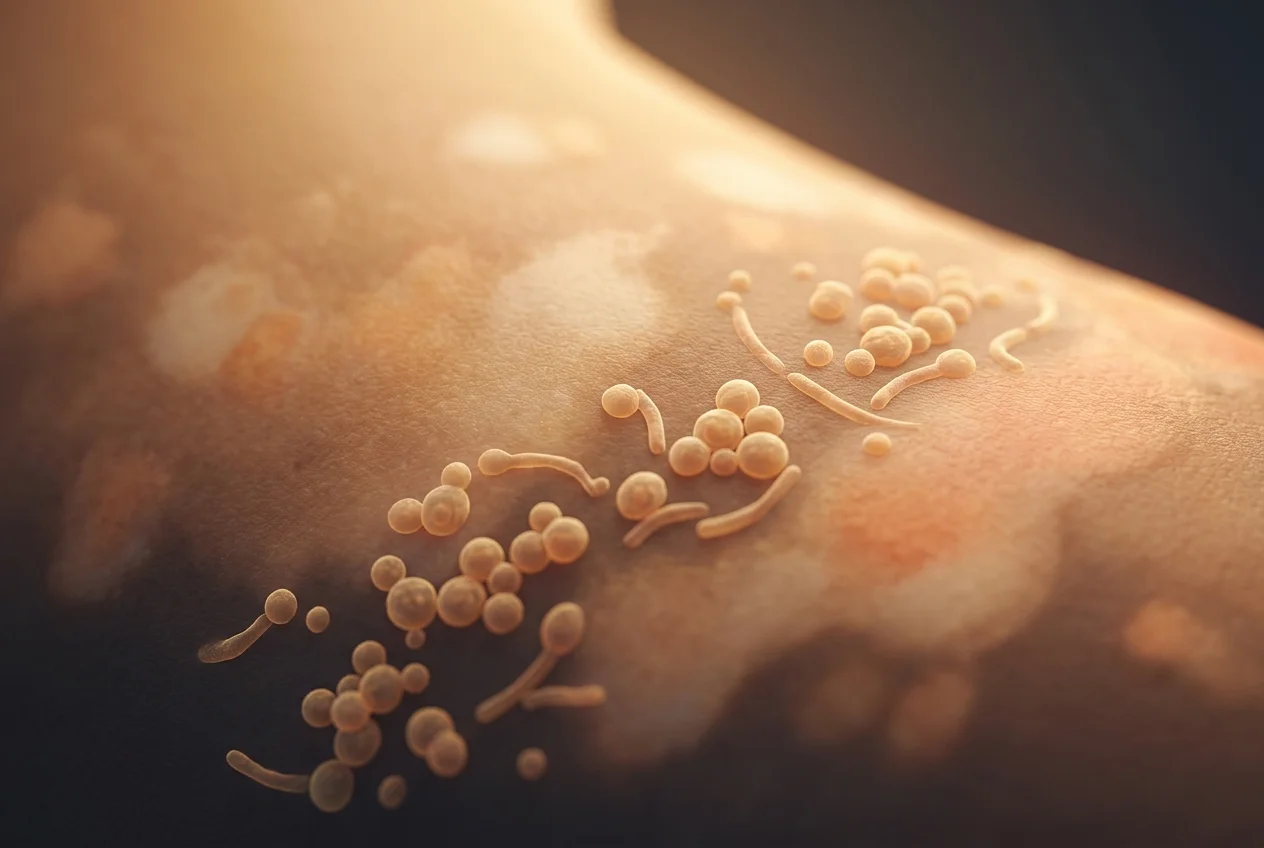
Malassezia proliferation. The Malassezia yeast, which is part of the normal flora of the skin, plays an important role and, in predisposed people, produces an exaggerated inflammatory response.
Sebum production. The areas with the greatest activity of the sebaceous glands are the most affected. It therefore appears mainly on the scalp, the eyebrows, around the nose, the beard, the ear canals and the upper part of the chest.
Individual predisposition. There is a genetic susceptibility that makes some people develop the disease and others not.
Triggering factors. Flare-ups can be favored by stress, tiredness, hormonal changes, cold weather, winter, some neurological diseases and immunosuppression.
Is it the same as dandruff?
Not exactly. Dandruff (simple pityriasis) represents the mildest form. Seborrheic dermatitis also adds inflammation, redness, itching and thicker, more adherent scales.
What are the symptoms?
The most usual symptoms are persistent dandruff, white or yellowish scales, itching, redness, a feeling of irritation and greasy-looking hair. The symptoms usually worsen during flare-ups.
Does it cause hair loss?
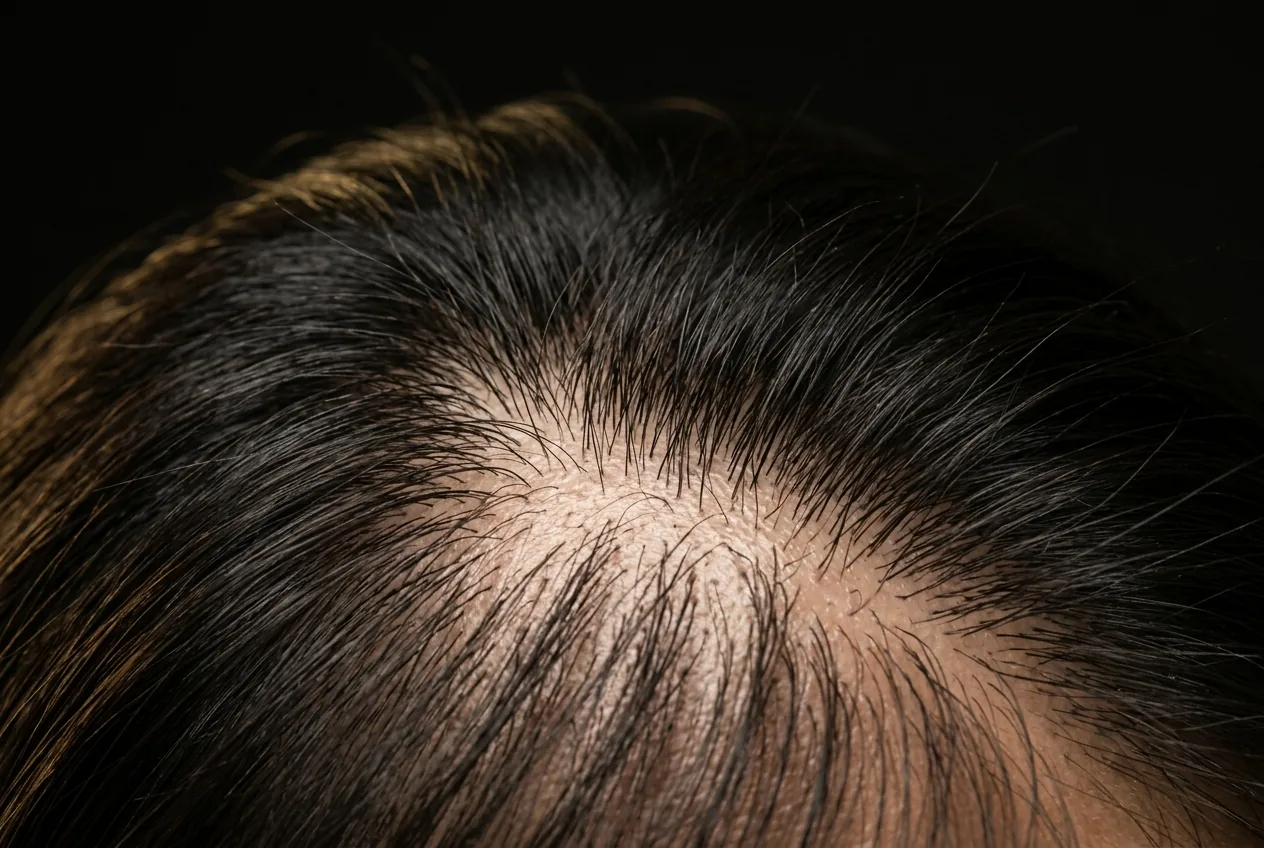
Seborrheic dermatitis does not produce permanent alopecia. However, during flare-ups a temporary hair loss can appear due to the inflammation, continuous scratching or a secondary telogen effluvium. Once the inflammation is controlled, the hair usually recovers.
How is the diagnosis made?
The diagnosis is usually made through the clinical history and the medical examination of the scalp. Complementary tests are usually not necessary.
In some patients it may be necessary to differentiate it from other diseases such as scalp psoriasis, atopic dermatitis, scalp ringworm, contact dermatitis or lichen planopilaris.
What treatments exist?
Treatment depends on the intensity of the flare-up.
Antifungal shampoos. They constitute the first-line treatment. The most used active ingredients are ketoconazole, ciclopirox olamine, selenium sulfide, zinc pyrithione and piroctone olamine. They are usually used several times a week during flare-ups and afterwards as maintenance.
Keratolytic shampoos. They help to remove the scales and can contain salicylic acid or urea.
Topical corticosteroids. During intense flare-ups solutions, foams or lotions can be used, always for short periods to avoid side effects.
Calcineurin inhibitors. Tacrolimus or pimecrolimus can be used especially when there is facial involvement or when it is desired to reduce the prolonged use of corticosteroids.
Other treatments. In patients with very persistent forms, systemic treatments selected by the doctor can be used.
How should I use the shampoo?
To obtain a good result it is advisable to apply it on the wet scalp, massage gently, leave it to act for between 3 and 5 minutes before rinsing it and repeat at the frequency indicated by the doctor. Many people stop the treatment too soon, favoring relapses.
What can you do in your daily life?
Wash your hair with the necessary frequency according to your type of scalp, avoid scratching, control stress when possible, use the maintenance shampoos even if the symptoms have improved and avoid irritant products if you observe that they worsen the flare-ups.
When should you consult the doctor?
You should consult if the dandruff does not improve with the usual treatments, if the itching is very intense, if an important inflammation appears, if there are very thick plaques, if you observe an important hair loss or if the lesions also affect the face or other areas of the body.
Myths and facts
- Myth: Seborrheic dermatitis appears due to lack of hygiene. Fact: No. It has no relation to poor hygiene.
- Myth: It is a contagious infection. Fact: No. It cannot be transmitted to other people.
- Myth: You have to stop washing your hair. Fact: No. Maintaining adequate hygiene helps to control the disease.
- Myth: When the dandruff disappears I am already cured. Fact: The disease is usually chronic and requires maintenance treatment to prevent relapses.
- Myth: It causes permanent baldness. Fact: No. It can cause a temporary loss during flare-ups, but it does not destroy the hair follicles.
The essential points to remember
- Seborrheic dermatitis is a very frequent inflammatory disease of the scalp.
- It produces dandruff, itching, redness and scales.
- It is not caused by poor hygiene and it is not contagious.
- The Malassezia yeast plays an important role in its development.
- Antifungal shampoos constitute the main treatment.
- Although it is a chronic disease, it can be controlled very effectively with adequate treatment and maintenance.
Frequently asked questions
Is there a cure?
There is no definitive cure, but there are very effective treatments to keep the disease under control.
Is it a chronic disease?
Yes. It usually evolves in the form of flare-ups.
Can I use shampoo every day?
Yes. The frequency will depend on the type of hair and on the recommendations of your doctor.
Does stress have an influence?
Yes. It is one of the factors that most frequently favors flare-ups.
Can I dye my hair?
Generally yes, as long as the scalp is not very inflamed.
Can it affect the beard?
Yes. It is a very frequent location.
Do natural oils cure seborrheic dermatitis?
No. Some can even worsen it in certain people.
Will I need treatment for years?
In many patients yes, although it usually consists only of a maintenance treatment with specific shampoos.
Can it appear in children?
Yes. There is a characteristic form in infants known as cradle cap, which usually resolves spontaneously.
Does it have a good prognosis?
Yes. With adequate treatment, most patients manage to control the symptoms very well and maintain long periods without important flare-ups.
Need personalised guidance?
This guide is for information only and does not replace a medical consultation. For an assessment tailored to your case, you may request a consultation.
Request a consultation