Dandruff (simple pityriasis of the scalp)
Scales and itching: causes and treatment
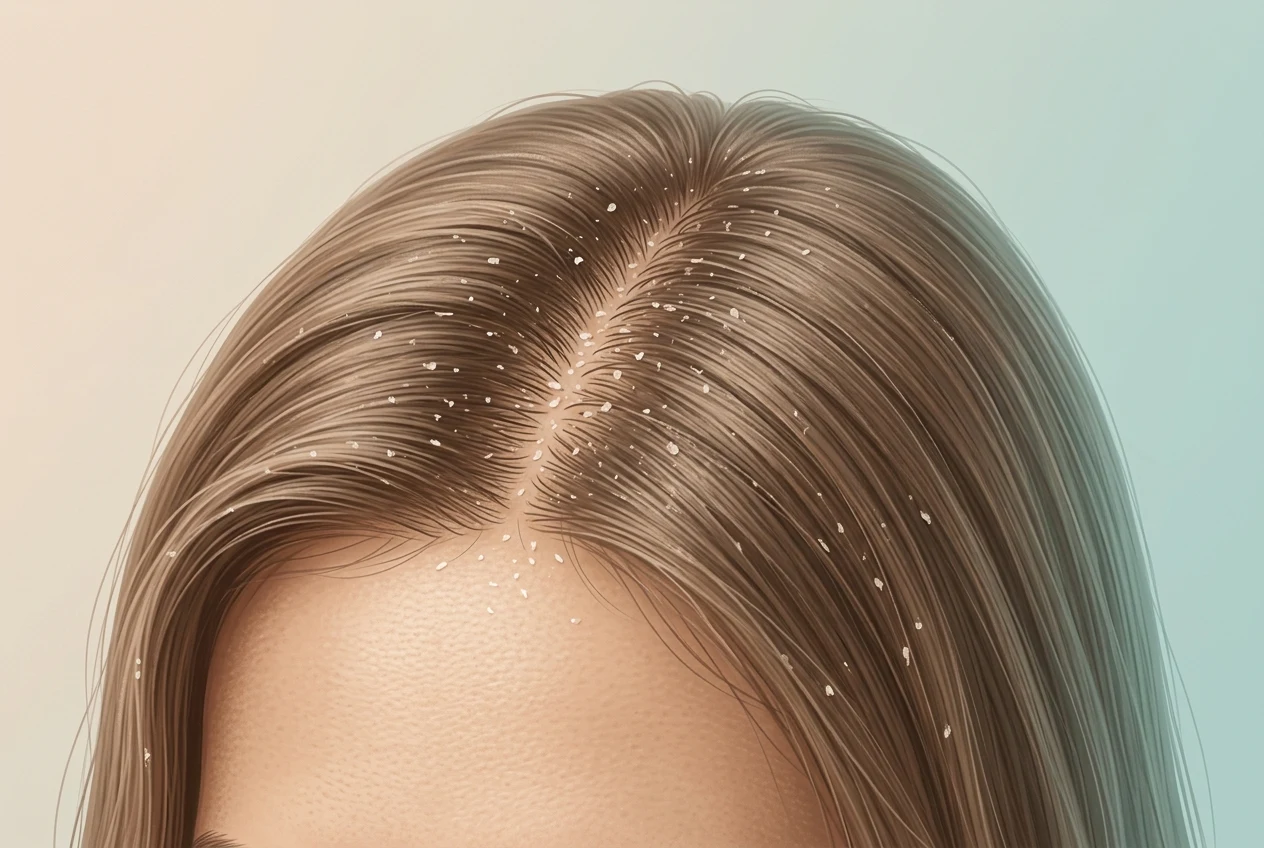
Dandruff is a very frequent alteration of the scalp that causes scales and itching. Learn its causes, how it is diagnosed and the most effective treatments to keep it under control.
What is dandruff?
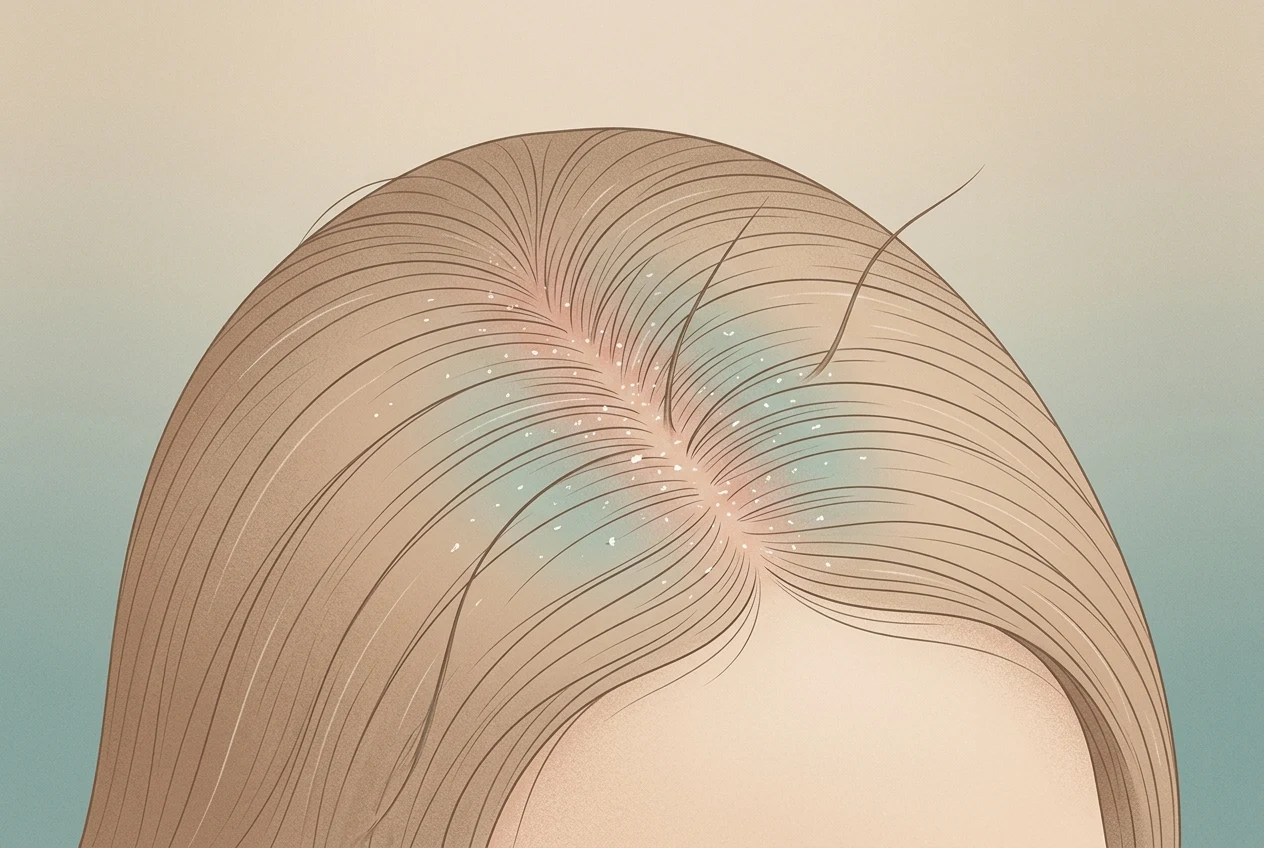
Dandruff, known medically as simple pityriasis of the scalp, is a very frequent alteration characterized by the appearance of small white scales that detach from the scalp and the hair. It is a benign, non-contagious and very common process that can appear both in men and women.
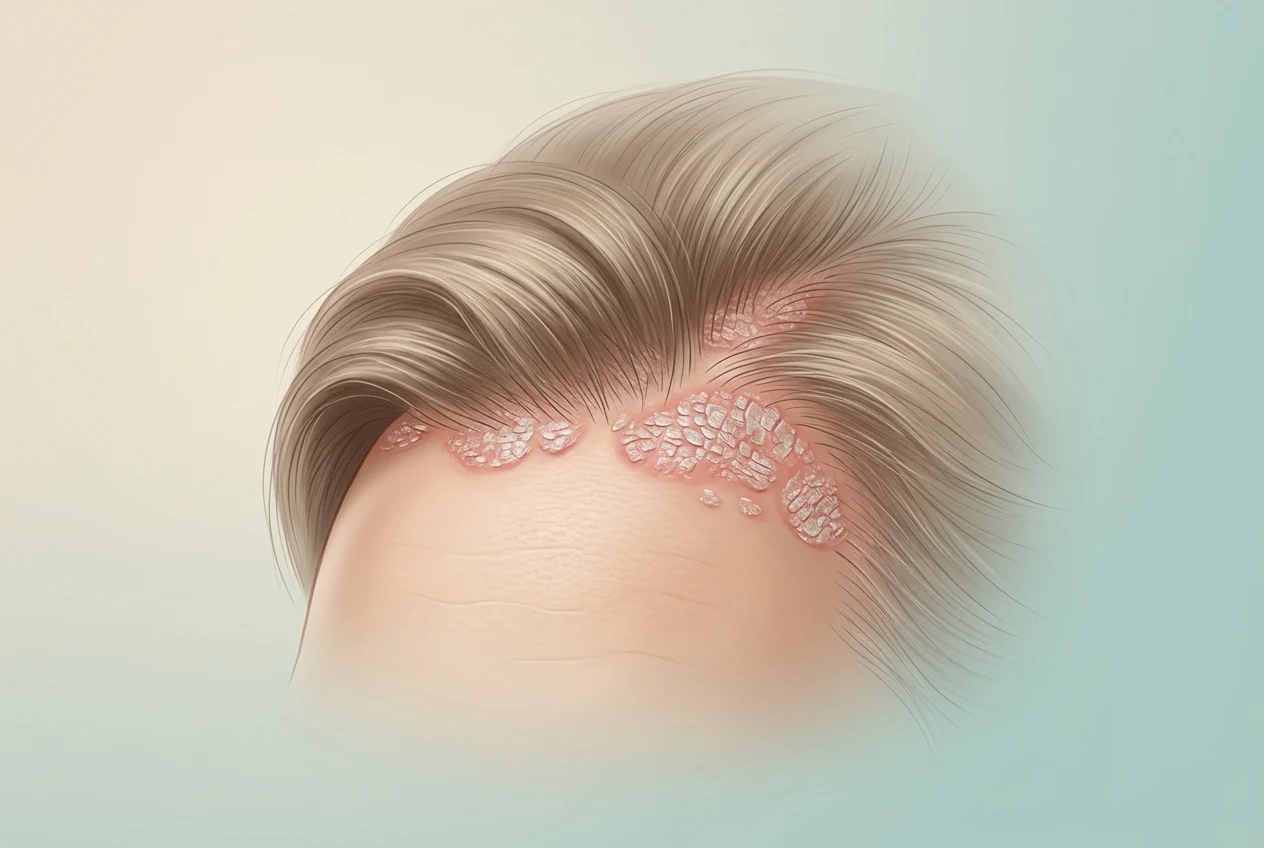
Although it does not represent a health risk, it can produce discomfort, itching and aesthetic inconvenience. It is important to differentiate dandruff from seborrheic dermatitis, as the latter presents a more important inflammation and usually requires a different treatment.
Why does it appear?
Dandruff has a multifactorial origin.
Accelerated renewal of the skin. The cells of the scalp renew faster than usual and, as a consequence, the dead cells accumulate and form small visible scales.
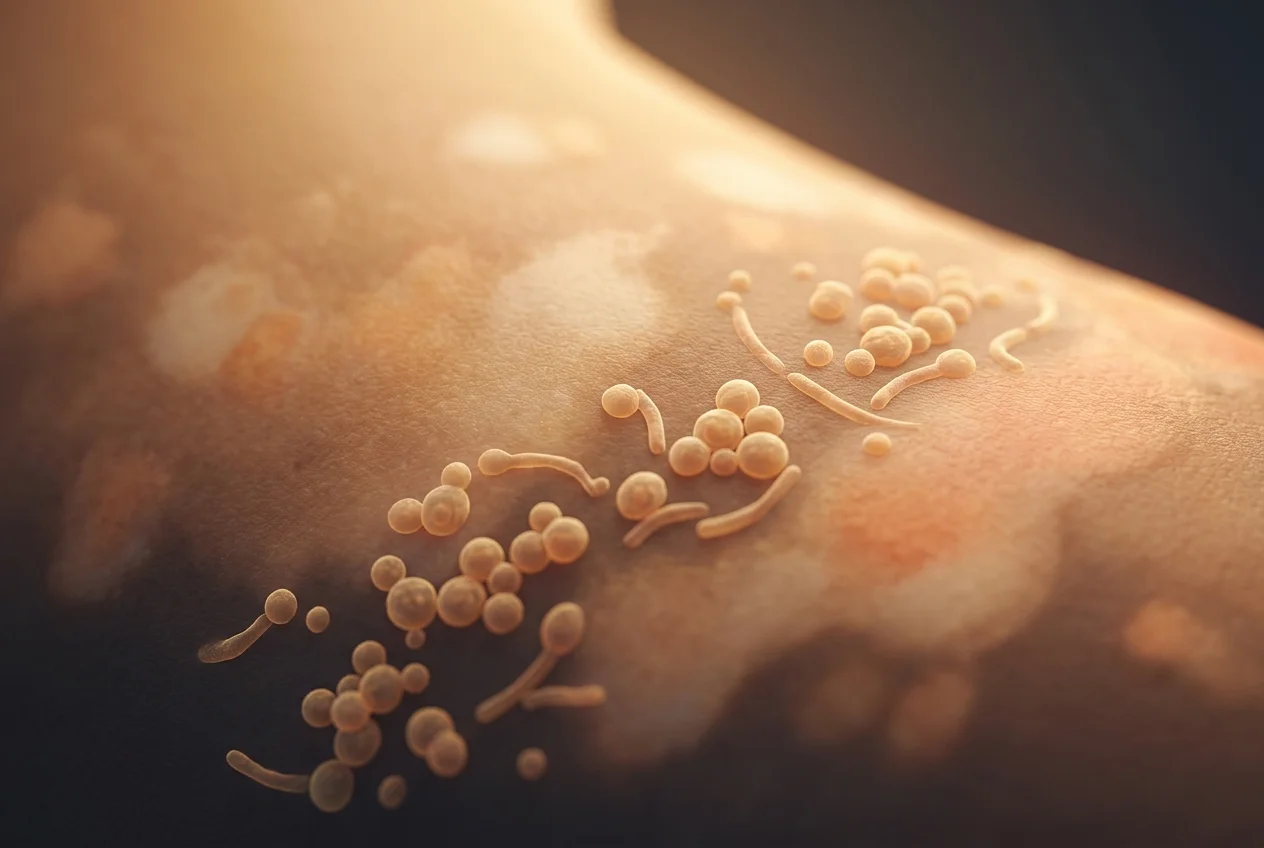
Malassezia. The Malassezia yeast, which is part of the normal flora of the scalp, participates in the appearance of dandruff in predisposed people. It is not an infection, but an individual response to this microorganism.
Sebum production. People with an oily scalp present this problem more frequently.
Other factors. Dandruff can worsen with stress, tiredness, winter, cold climates, pollution, some cosmetic products and hormonal changes.
What are the symptoms?
The most frequent symptoms are white scales visible on the hair or clothing, mild or moderate itching, a feeling of a dry or oily scalp and aesthetic discomfort. In simple dandruff there is usually no important redness.
What types of dandruff exist?
Dry dandruff. It is characterized by small, white and fine scales that fall easily on the clothing.
Oily dandruff. The scales are larger, yellowish, adhered to the scalp and associated with an excess of grease. This type can evolve towards seborrheic dermatitis.
Does it cause hair loss?
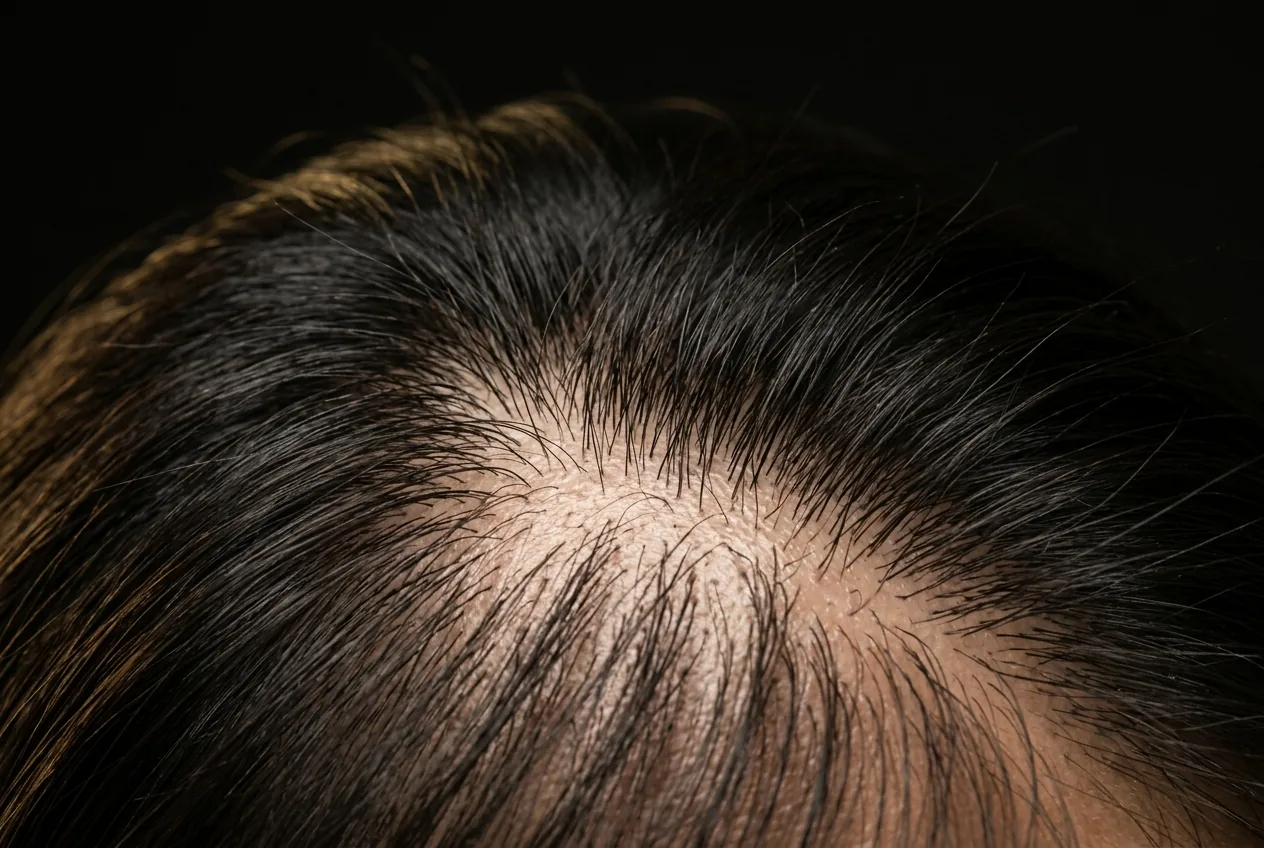
No. Dandruff does not cause permanent alopecia. In some people intense itching and continuous scratching can favor a temporary hair loss, but the hair follicles remain intact.
How is the diagnosis made?
The diagnosis is usually clinical. The doctor performs the clinical history and the examination of the scalp. Only in unusual cases will it be necessary to perform other tests to differentiate dandruff from diseases such as seborrheic dermatitis, psoriasis, contact dermatitis or scalp ringworm.
What treatments exist?
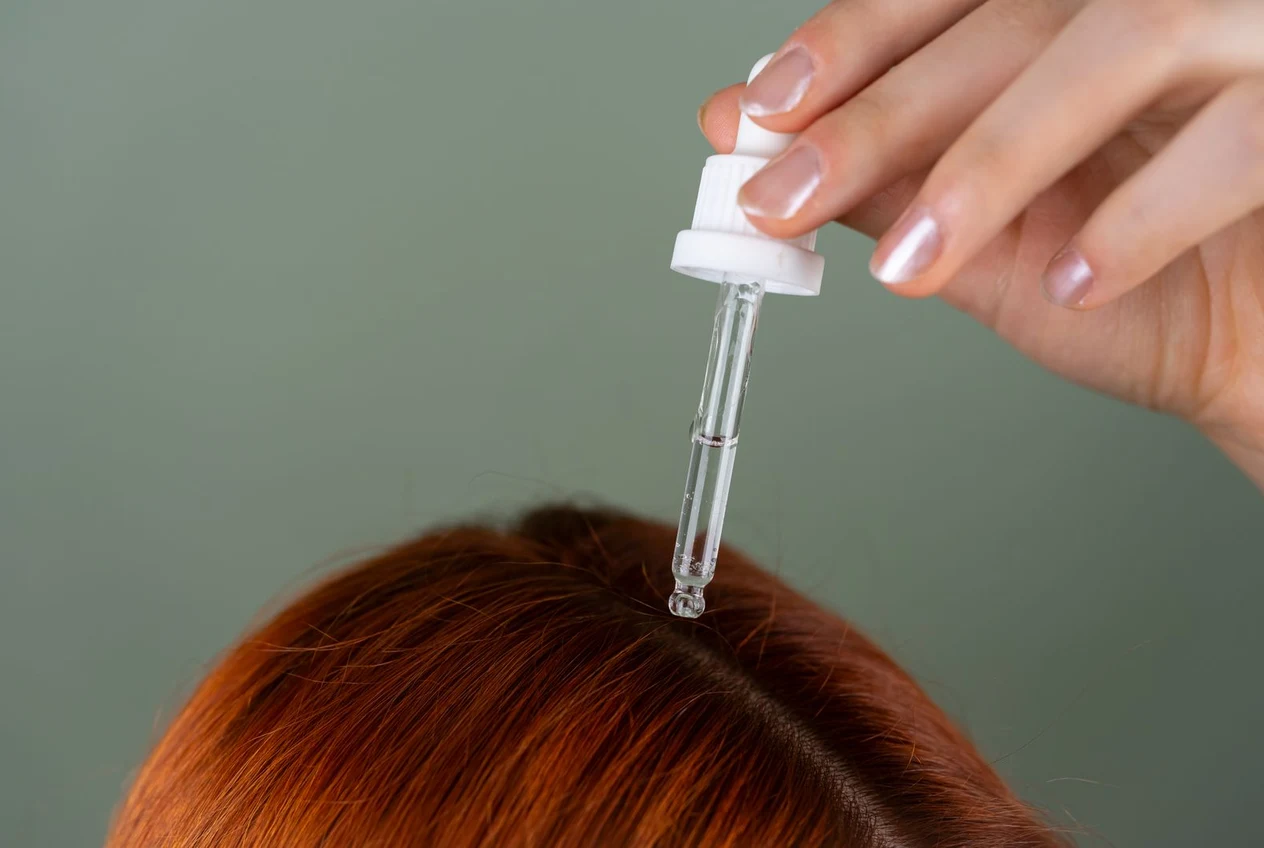
Anti-dandruff shampoos. They constitute the main treatment. The most used active ingredients are zinc pyrithione, piroctone olamine, ketoconazole, ciclopirox olamine and selenium sulfide. The choice will depend on the type of scalp and the intensity of the symptoms.
Keratolytic shampoos. They help to remove the scales and can contain salicylic acid or urea.
Hydration of the scalp. In patients with dry dandruff, specific moisturizing products can be recommended to reduce the scaling.
Maintenance treatment. Once the dandruff is controlled, it is usually advisable to use the specific shampoo once or twice a week to prevent relapses.
How should I use the shampoo?
To achieve maximum efficacy: wet the hair well, apply the shampoo on the scalp, massage gently with the fingertips, leave it to act for between 3 and 5 minutes and rinse abundantly. Consistency is fundamental to obtain good results.
What can you do in your daily life?
Wash your hair with the frequency you need, avoid scratching, control stress whenever possible, use appropriate products for your type of scalp and maintain the maintenance treatment when your doctor recommends it.
When should you consult the doctor?
You should consult if the dandruff does not improve after several weeks of treatment, if an intense redness appears, if there are thick plaques, if you present an important hair loss, if the itching is very intense or if the lesions also affect the face, the eyebrows or the chest.
Myths and facts
- Myth: Dandruff appears because of not washing the hair. Fact: No. It is not caused by poor hygiene.
- Myth: It is contagious. Fact: No. It cannot be transmitted between people.
- Myth: Washing the hair every day worsens dandruff. Fact: Not necessarily. The frequency of washing should be adapted to the type of scalp.
- Myth: Home remedies definitively eliminate dandruff. Fact: There is no scientific evidence that home remedies cure dandruff permanently.
- Myth: Dandruff causes baldness. Fact: No. It does not destroy the hair follicles.
The essential points to remember
- Dandruff is a very frequent and benign alteration of the scalp.
- It produces visible scales and, occasionally, itching.
- It is not caused by poor hygiene and it is not contagious.
- The Malassezia yeast and the accelerated renewal of the skin play an important role.
- Anti-dandruff shampoos are the main treatment.
- With adequate treatment and correct maintenance, most patients keep dandruff perfectly controlled.
Frequently asked questions
Is there a cure?
Dandruff can be controlled very well, although in some people it tends to reappear if the treatment is stopped.
Is it a disease?
It is considered a mild inflammatory alteration of the scalp rather than a serious disease.
Can I use anti-dandruff shampoo for a long time?
Yes. Many patients use a maintenance treatment for months or years without problems.
Does stress have an influence?
Yes. It can favor the appearance or worsen the flare-ups.
Can I dye my hair?
Yes, as long as the scalp is not irritated.
Is it normal to have dandruff in winter?
Yes. Cold weather usually favors its appearance.
Do I need to change shampoo frequently?
Not necessarily. If a shampoo controls dandruff well, you can continue using it according to the indications of your doctor.
Does diet have an influence?
A balanced diet favors the general health of the skin, although there is no specific diet that cures dandruff.
Can it turn into seborrheic dermatitis?
In some people dandruff can evolve towards seborrheic dermatitis, especially if inflammation and redness appear.
Does it have a good prognosis?
Yes. Most patients manage to completely control the symptoms with adequate treatment.
Need personalised guidance?
This guide is for information only and does not replace a medical consultation. For an assessment tailored to your case, you may request a consultation.
Request a consultationTopics