Scalp psoriasis
Plaques and scales: symptoms and treatment
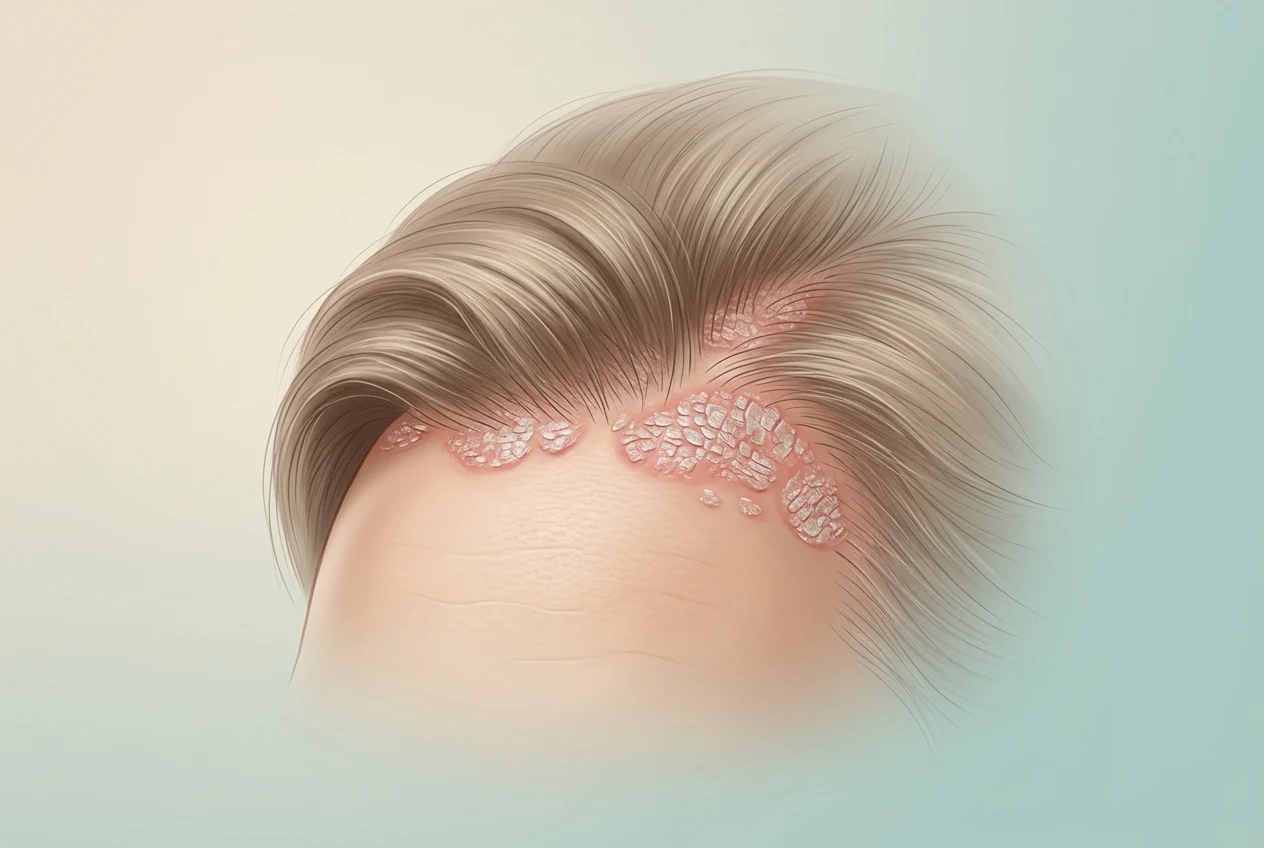
Scalp psoriasis is a chronic inflammatory disease that causes red plaques with thick scales and itching. Learn its causes, how it is diagnosed and the most effective treatments to control flare-ups and improve quality of life.
What is scalp psoriasis?
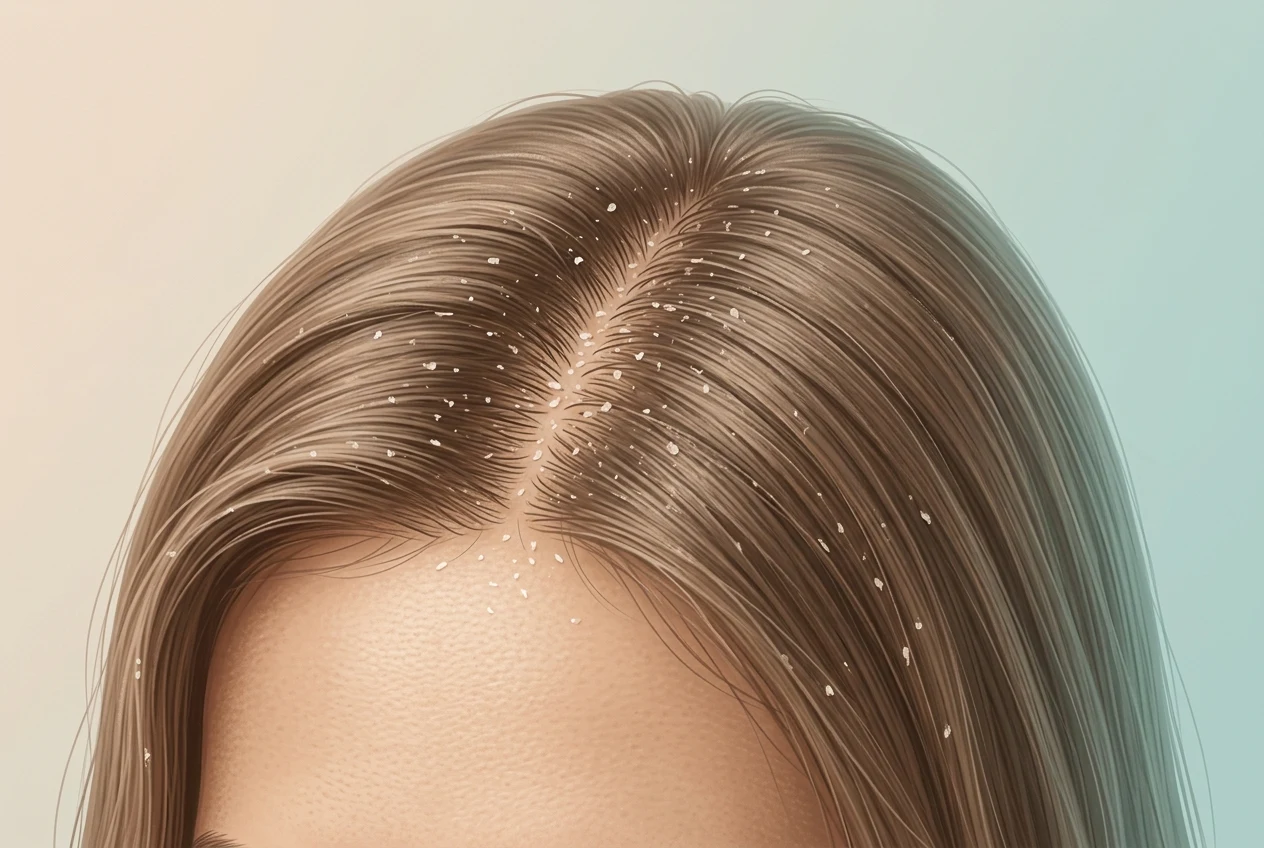
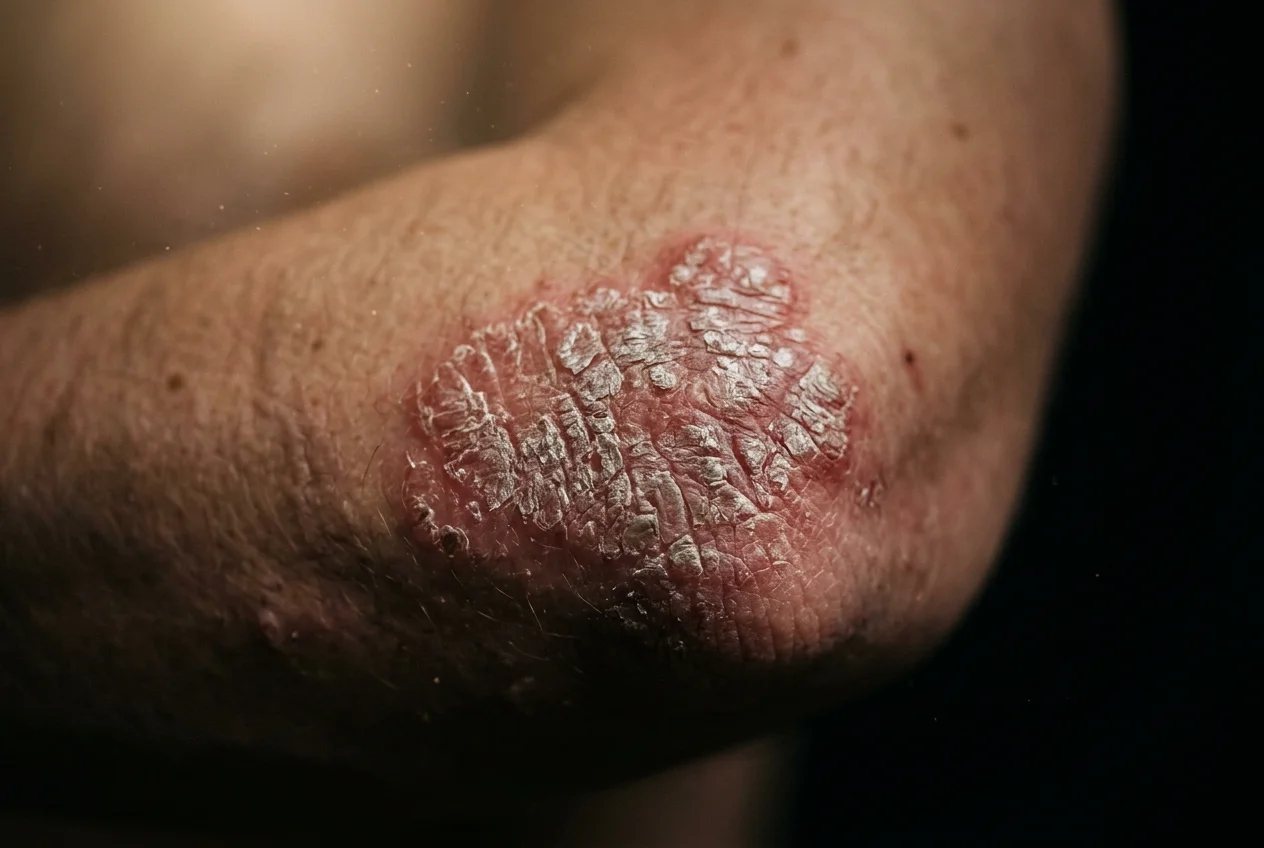
Scalp psoriasis is a chronic inflammatory disease of immune-mediated origin that causes the appearance of red plaques covered by thick silvery-white scales on the scalp. It is one of the most frequent locations of psoriasis and it can appear as the only manifestation of the disease, associated with psoriasis in other areas of the body or before skin lesions appear in other locations.
It is not a contagious disease and it is not related to a lack of hygiene. Although it currently has no definitive cure, there are very effective treatments that make it possible to control the flare-ups and significantly improve the quality of life.
Why does it appear?
Psoriasis is an immune-mediated disease. The immune system abnormally stimulates the renewal of the skin, making the epidermal cells multiply much faster than normal. As a consequence, inflammation, redness, thickening of the skin and accumulation of scales appear.
There is an important genetic predisposition, although environmental factors are also involved.
What factors can trigger a flare-up?
The most frequent are stress, infections, certain medications, trauma to the skin (Koebner phenomenon), excessive alcohol consumption, tobacco, hormonal changes and lack of adherence to treatment.
What are the symptoms?
The symptoms can vary from one patient to another. The most usual are well-defined red plaques, thick white or silvery scales, itching, a feeling of tightness, burning and, in some cases, pain. The lesions can affect the whole head, the nape, the occipital region, the temples and behind the ears.
Frequently the plaques go beyond the hairline and affect the forehead or the nape, a detail that helps to differentiate it from seborrheic dermatitis.
Does it cause hair loss?
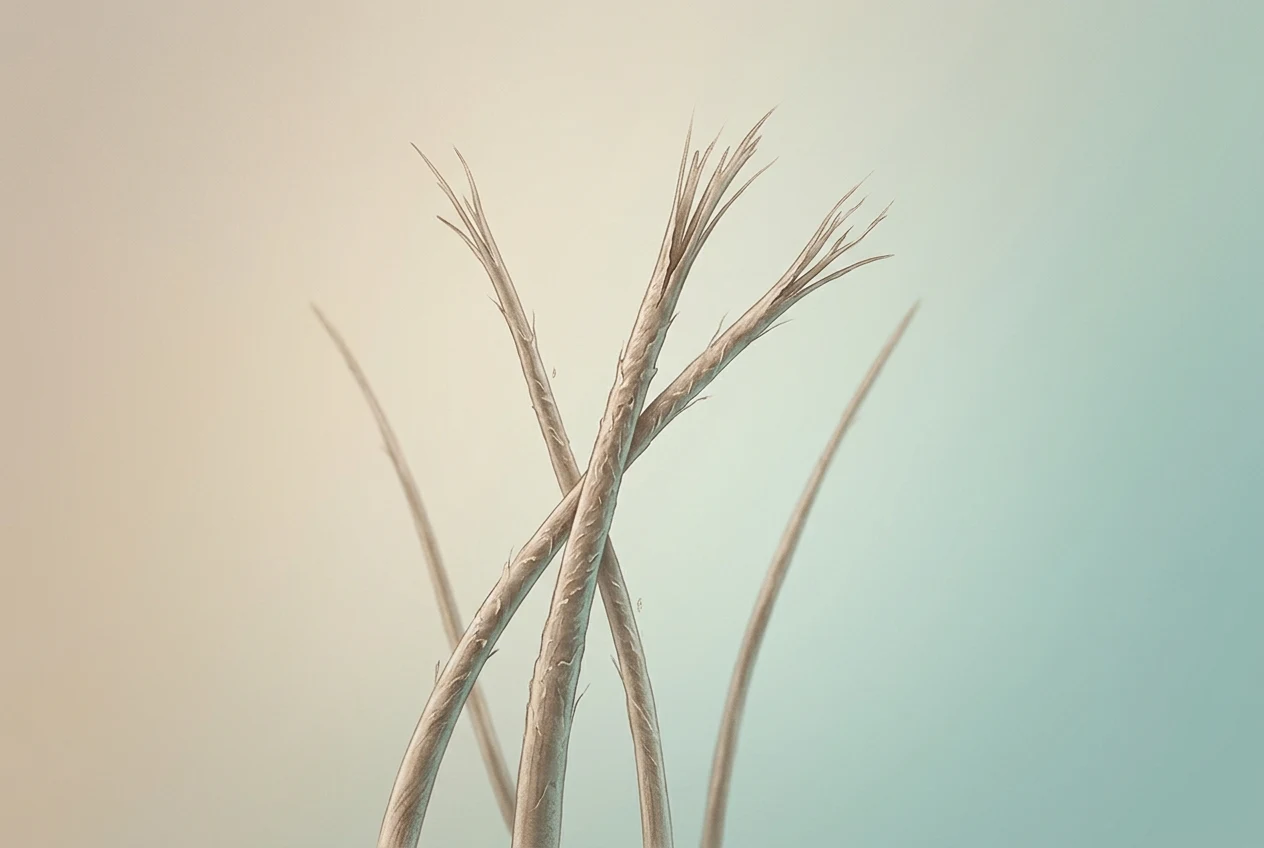
Scalp psoriasis does not destroy the hair follicles. However, during flare-ups it can produce a temporary hair loss, hair fragility, hair breakage and a secondary telogen effluvium. Once the inflammation is controlled, the hair usually recovers.
How is the diagnosis made?
The diagnosis is usually made through the clinical history, the medical examination of the scalp and dermatoscopy when necessary. In unusual cases a skin biopsy may be necessary to differentiate it from other inflammatory diseases.
What diseases can it be confused with?
Mainly with seborrheic dermatitis, sebopsoriasis, atopic dermatitis, scalp ringworm, lichen planopilaris and cutaneous lupus.
What treatments exist?
Treatment will depend on the extent, intensity and frequency of the flare-ups.
Therapeutic shampoos. They can be used as a complement. The most used contain coal tar (increasingly less used), salicylic acid or urea. Their main function is to facilitate the removal of the scales.
Topical corticosteroids. They constitute one of the most effective treatments to control the flare-ups. They come in the form of lotions, foams, solutions, gels and medicated shampoos, and are generally used for limited periods.
Vitamin D analogues. Medications such as calcipotriol help to normalize the growth of the skin and are usually combined with topical corticosteroids.
Calcineurin inhibitors. Tacrolimus or pimecrolimus can be used in certain sensitive areas, although they do not constitute the usual treatment of the scalp.
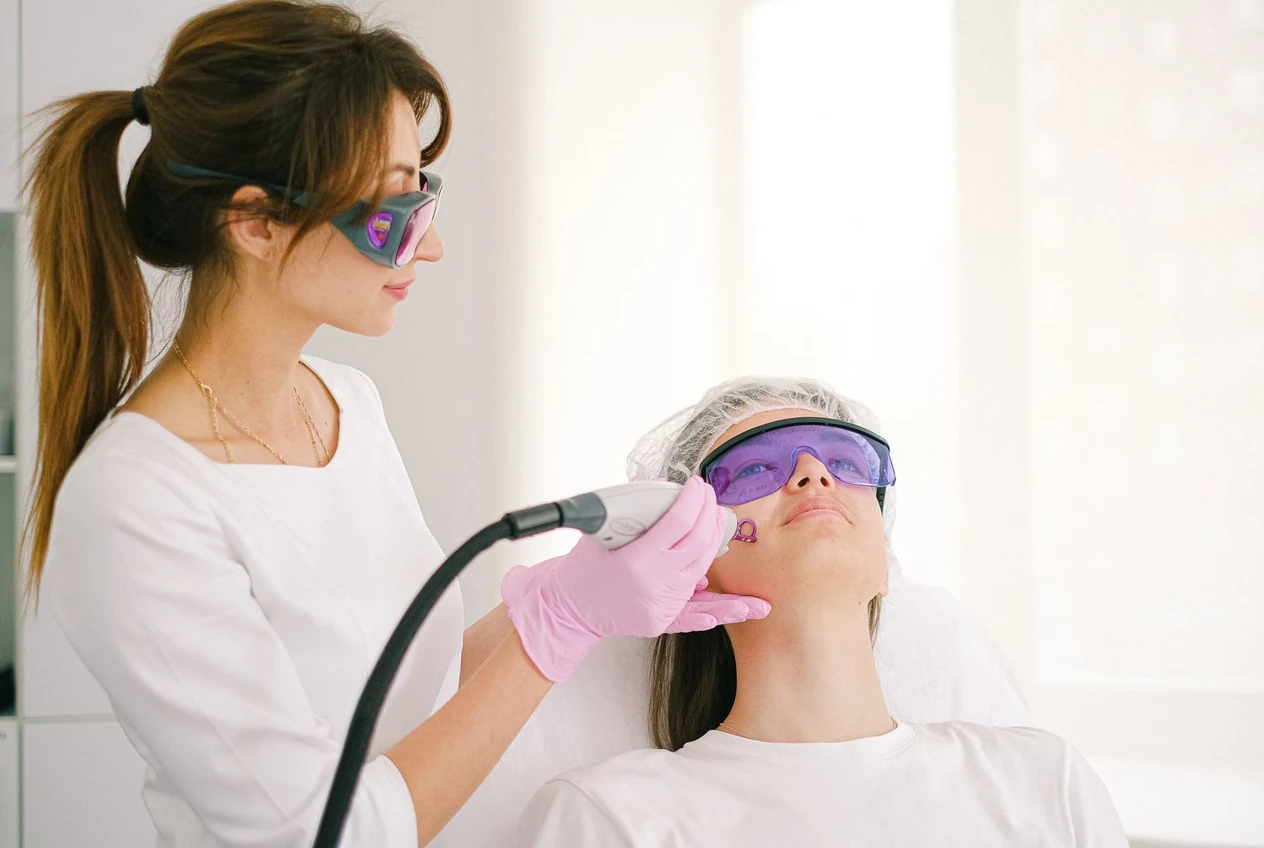
Phototherapy. In some patients ultraviolet radiation can be used under specialized medical supervision.
Systemic treatments. When the psoriasis is moderate or severe, or importantly affects the quality of life, treatments such as methotrexate, ciclosporin, acitretin or apremilast can be used.
Biologic therapies. In patients with moderate or severe disease, biologic medications directed against specific molecules of the immune system can be used, among them TNF-α inhibitors, IL-17, IL-23 and IL-12/23 inhibitors. These treatments have represented a true revolution in the management of psoriasis and achieve excellent control of the disease in many patients.
What can you do in your daily life?
Use the treatments exactly as indicated, avoid scratching, maintain good hydration of the scalp, control stress when possible, avoid tobacco, limit alcohol consumption and attend the periodic check-ups.
When should you consult the doctor?
You should consult if the plaques increase rapidly, if the itching is very intense, if important pain appears, if you present a striking hair loss, if the lesions affect a large part of the scalp, if the treatment stops being effective or if pain or inflammation appear in the joints, as it could be psoriatic arthritis.
Myths and facts
- Myth: Psoriasis is contagious. Fact: No. It cannot be transmitted by contact.
- Myth: It is due to poor hygiene. Fact: It has no relation to personal hygiene.
- Myth: It causes permanent baldness. Fact: No. It can produce a temporary loss during flare-ups, but the follicles remain alive.
- Myth: The sun always cures psoriasis. Fact: Moderate sun exposure can benefit some patients, but sunburns can worsen the disease.
- Myth: When the plaques disappear I am already cured. Fact: Psoriasis is a chronic disease that can present new flare-ups throughout life.
The essential points to remember
- Scalp psoriasis is a chronic inflammatory disease of immune-mediated origin.
- It produces red plaques with thick, whitish scales, as well as itching and discomfort.
- It is not contagious and it is not related to poor hygiene.
- It does not produce permanent alopecia, although it can cause a temporary loss during flare-ups.
- There are very effective topical, systemic and biologic treatments to control the disease.
- Regular follow-up by a specialized doctor makes it possible to adapt the treatment and prevent relapses.
Frequently asked questions
Is there a cure?
There is no definitive cure, but there are very effective treatments to keep the disease under control.
Is it hereditary?
There is an important genetic predisposition, although not all family members will develop the disease.
Can I dye my hair?
Generally yes, as long as the scalp is not very inflamed and the doctor authorizes it.
Will I need treatment for a long time?
Frequently yes, as it is a chronic disease with flare-ups.
Can it affect only the scalp?
Yes. In some patients this is the only location.
Can it spread to the rest of the body?
Yes. Some people develop lesions on the elbows, knees, trunk or other areas.
Does stress have an influence?
Yes. It is one of the most frequent triggers of the flare-ups.
Can I wash my hair every day?
Yes, using the appropriate products for your type of scalp and following the recommendations of your doctor.
What is the difference with seborrheic dermatitis?
Psoriasis produces thicker, well-defined plaques with silvery scales, while seborrheic dermatitis usually presents finer, greasy and yellowish scales. In some patients both diseases can coexist, which is known as sebopsoriasis.
Does it have a good prognosis?
Yes. With adequate treatment, most patients manage to control the flare-ups very well and maintain an excellent quality of life.
Need personalised guidance?
This guide is for information only and does not replace a medical consultation. For an assessment tailored to your case, you may request a consultation.
Request a consultationTopics