Fragile hair is characterized by an easy breakage of the hair fiber. Learn its causes, how it is diagnosed and which are the best care and treatments to recover stronger and healthier hair.
What is fragile hair?
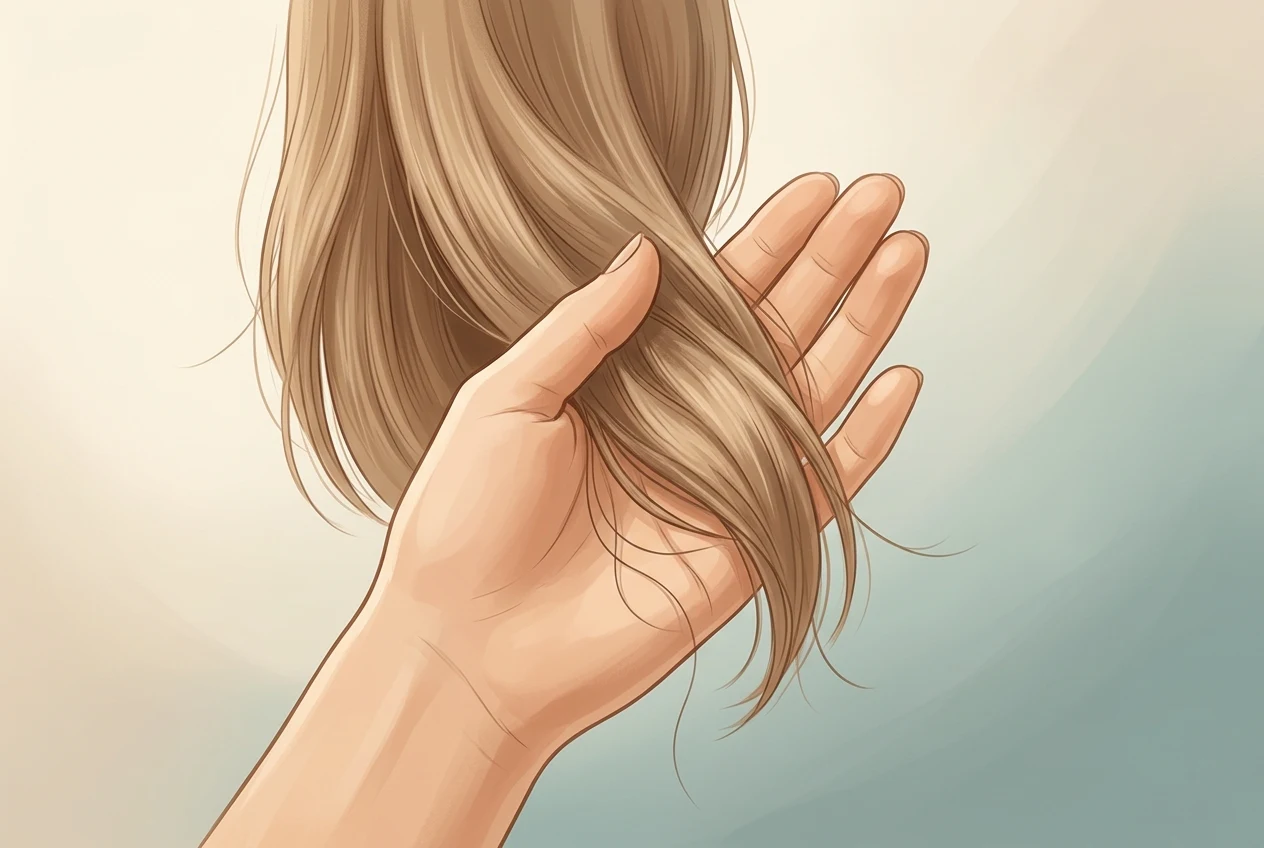
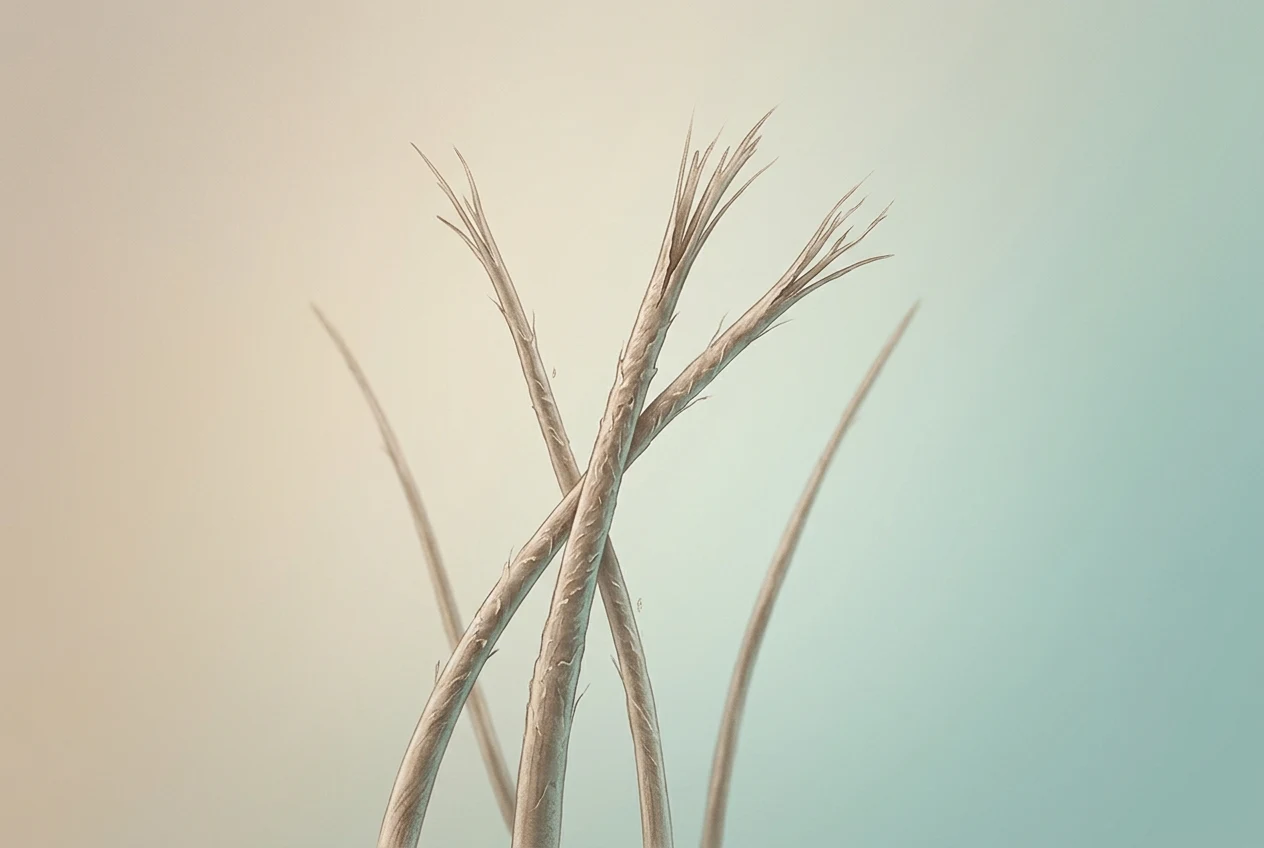
Fragile hair is hair that presents a lower resistance than usual and breaks easily during combing, washing or even with everyday activities. It does not constitute a disease in itself, but a sign that the hair fiber has lost part of its strength or that there is a problem affecting the quality of the hair.
It is important to distinguish between hair loss, in which the hair detaches from the root with the bulb, and hair breakage, in which the hair shaft breaks before detaching. This difference is fundamental because the causes and the treatments are different.
Why does it appear?
Hair fragility can be due to one or several factors.
Physical and chemical damage. It is the most frequent cause. It can be produced by bleaching, repeated dyeing, perms, chemical straightening, excessive use of flat irons, curling irons, hairdryers at very high temperatures and aggressive brushing.
Environmental factors. Hair can also be damaged by ultraviolet radiation, sea water, pool chlorine, wind and low ambient humidity.
Nutritional deficiencies. An insufficient diet or certain deficiencies can decrease the quality of the hair. Among the most important are iron deficiency, protein deficiency, zinc deficiency, vitamin D deficiency and deficiency of some B-group vitamins.
Diseases. Some diseases can be associated with more fragile hair, such as thyroid alterations, inflammatory diseases, nutritional disorders and some genetic disorders of the hair shaft.
What are the symptoms?
People with fragile hair usually notice hair that breaks easily, split ends, a dull appearance, lack of shine, dryness, difficulty in growing the hair and a greater amount of broken hairs on the brush or on the clothing.
Many times the patient thinks they have alopecia when, in reality, the main problem is hair breakage.
How is the diagnosis made?
The diagnosis begins with a detailed clinical history. The doctor will ask about hair care habits, the use of chemical products, diet, medication, associated diseases and family history.
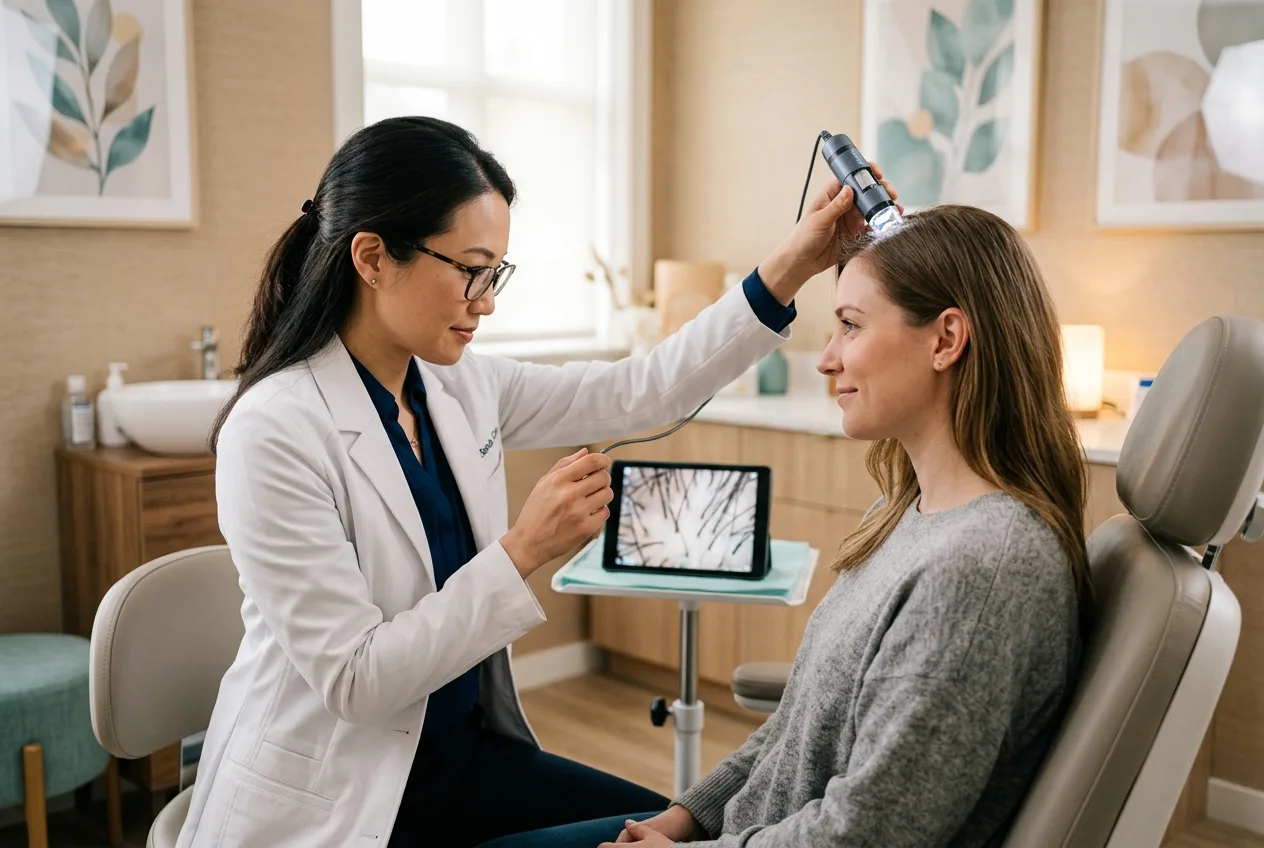
Subsequently, they will perform an examination of the scalp and the hair shaft. Trichoscopy makes it possible to assess the quality of the hair and detect signs of breakage. In some patients blood tests may be requested to rule out nutritional deficiencies or hormonal alterations. In infrequent cases it may be necessary to study the hair through microscopy to identify specific diseases of the hair shaft.
What treatments exist?
Treatment will depend on the cause.
Correct the cause. Whenever possible, the problem responsible for the fragility should be treated: correct nutritional deficiencies, treat medical diseases and modify aggressive habits for the hair.
Cosmetic care. It is recommended to use products that help to protect the hair fiber, among them gentle shampoos, conditioners, moisturizing masks, protective serums and heat protectors before the hairdryer or the flat iron.
Reduce the aggressions. It is advisable to decrease the use of flat irons, avoid very high temperatures, limit repeated bleaching and reduce aggressive chemical treatments.
Nutrition. A balanced diet rich in proteins, vitamins and minerals favors the growth of healthy hair. Nutritional supplements should only be used when there is a medical indication or a demonstrated deficiency.
How can I care for fragile hair?
It is recommended to comb the hair gently, avoid harsh brushing, not rub intensely with the towel, use wide-tooth combs when the hair is wet, cut the split ends periodically and apply a heat protector before the use of heat tools.
When should I consult the doctor?
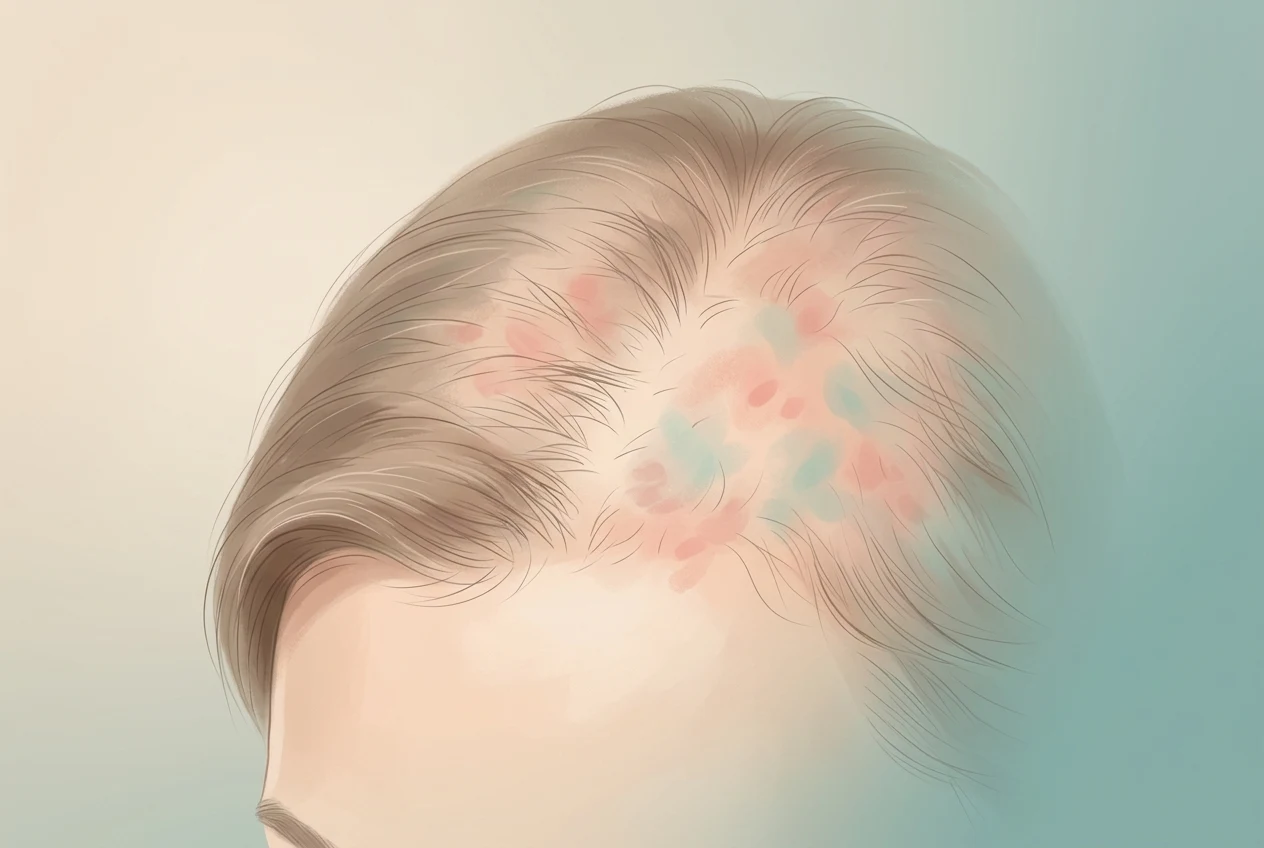
You should consult if the hair breaks persistently, if you notice an important loss of density, if areas with less hair appear, if there are associated symptoms such as tiredness, weight loss or hormonal alterations, or if the fragility appears suddenly without an evident cause.
Myths and facts
- Myth: Cutting the hair makes it grow stronger. Fact: Cutting the ends improves the appearance of the hair, but does not modify the functioning of the hair follicle.
- Myth: Brushing many times a day strengthens the hair. Fact: Excessive brushing can increase the breakage.
- Myth: Fragile hair always indicates a lack of vitamins. Fact: Although some deficiencies can influence, most cases are due to physical or chemical aggressions.
- Myth: Supplements make the hair grow in any person. Fact: They are only useful when there is a deficiency or a specific medical indication.
- Myth: The hairdryer is forbidden. Fact: It can be used, as long as it is done at a moderate temperature and maintaining an adequate distance.
The essential points to remember
- Fragile hair breaks easily, but it does not always mean that there is alopecia.
- The most frequent causes are chemical aggressions, heat and inadequate care habits.
- Nutritional deficiencies or medical diseases can also influence.
- The diagnosis makes it possible to differentiate hair breakage from a true hair loss.
- Adequate care and treatment of the cause usually improve the quality of the hair significantly.
- In the face of persistent or unexplained fragility, it is advisable to consult a specialized doctor.
Frequently asked questions
Is fragile hair an alopecia?
No. Fragility affects the hair shaft, while alopecia implies a decrease in the number of follicles or hairs.
Can it recover?
Yes. In most cases, if the cause is eliminated and the hair fiber is protected, the hair improves progressively.
Should I stop dyeing my hair?
Not necessarily. It may be enough to space out the treatments or use less aggressive techniques.
Do oils repair the hair?
They can improve hydration and reduce friction, but they do not permanently repair an already damaged fiber.
Will the hair become strong again?
Yes, as long as the follicle produces a new healthy hair and the factors that damage it are eliminated.
Can stress have an influence?
Stress mainly affects the hair cycle and can favor its loss, although it can also indirectly worsen its quality.
Is biotin recommended?
Only when there is a demonstrated deficiency or a specific medical indication. In most healthy people a significant benefit has not been demonstrated.
Can I use flat irons occasionally?
Yes, but it is advisable to do it in moderation and always using a heat protector.
Can children also have fragile hair?
Yes. In some cases it can be due to hereditary disorders of the hair shaft that require medical evaluation.
Does it have a good prognosis?
Yes. Most cases improve clearly when the cause is identified and corrected.
Need personalised guidance?
This guide is for information only and does not replace a medical consultation. For an assessment tailored to your case, you may request a consultation.
Request a consultation