Hair loss after pregnancy (postpartum telogen effluvium)
Why the hair falls out after childbirth
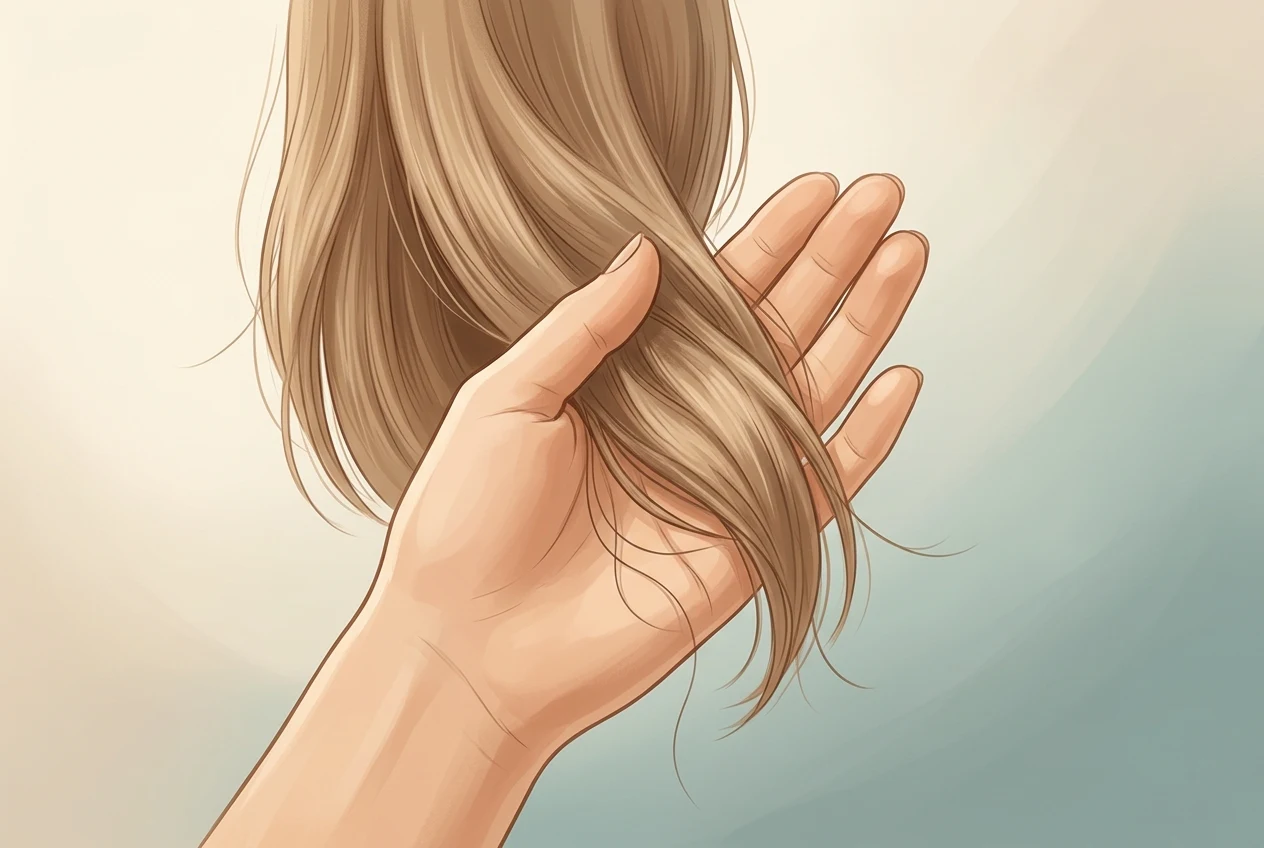
Hair loss after pregnancy is a physiological and temporary telogen effluvium. Learn why it appears, how long it usually lasts and which measures help to recover the hair density progressively.
What is hair loss after pregnancy?
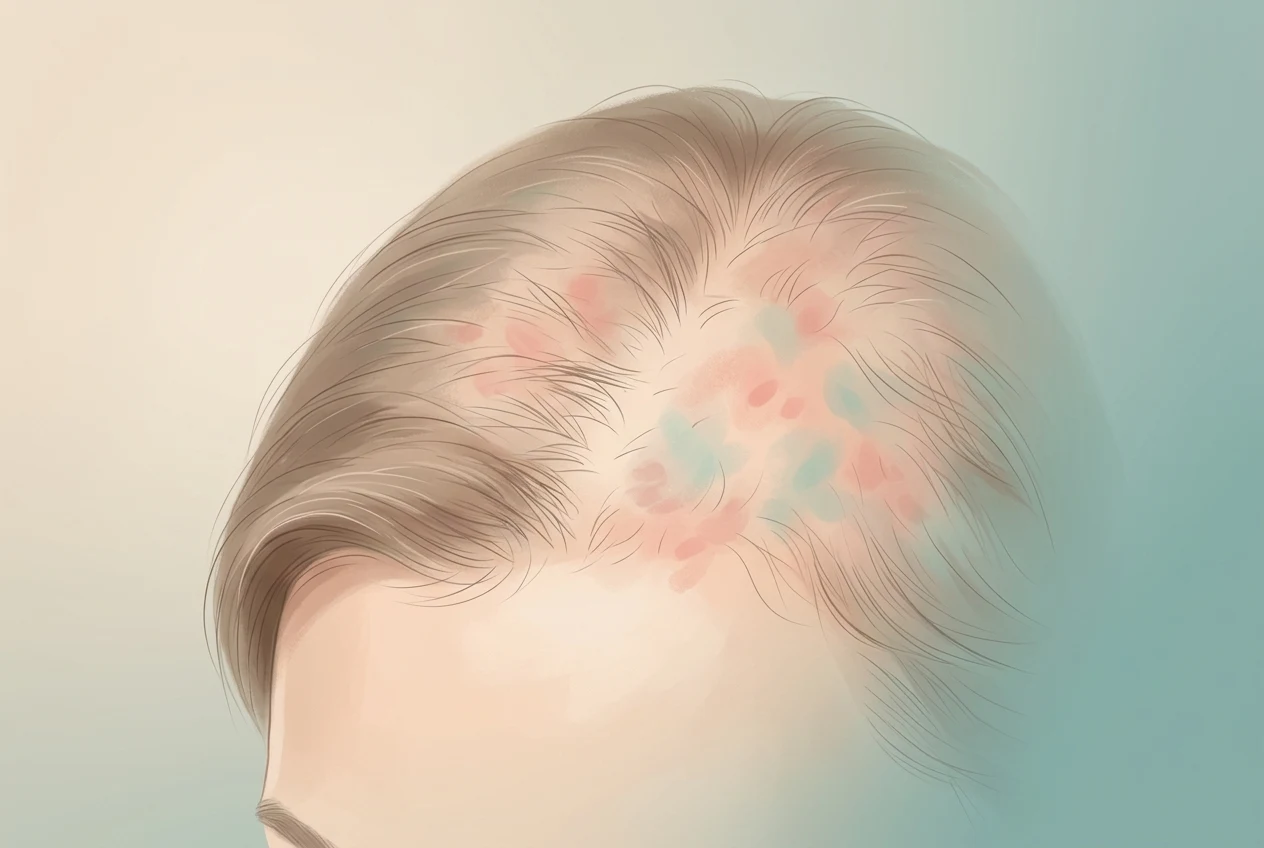
Hair loss after pregnancy, known medically as postpartum telogen effluvium, is a normal, frequent and temporary process that affects many women during the first months after giving birth.
During pregnancy, the increase in estrogens prolongs the growth phase of the hair (anagen phase), which is why many women notice more abundant, strong and shiny hair. After childbirth, the hormonal levels quickly return to normal and many of those hairs that remained in the growth phase pass simultaneously to the shedding phase (telogen phase).
As a consequence, a hair loss appears that can be very striking, but which in the vast majority of cases does not lead to permanent baldness.
Why does it appear?
The main cause is the physiological hormonal change that occurs after childbirth. In addition, other factors can contribute, such as blood loss during childbirth, the decrease in iron reserves, intense tiredness, lack of sleep, the physical and emotional stress typical of the postpartum period, nutritional deficiencies and breastfeeding when accompanied by an insufficient nutritional intake (breastfeeding itself does not cause the loss).
In some women, an androgenetic alopecia that until then had gone unnoticed can also become evident.
When does it start and how long does it last?
The most usual thing is for the loss to begin between two and four months after childbirth. In some women it can start a little earlier or a little later, and the intensity is very variable.
It generally lasts between three and six months. In most cases, the hair density begins to recover progressively during the first year after childbirth. The recovery can be slower in some women, especially if there are other associated factors.
What are the symptoms?
The most frequent symptoms are an abundant hair loss during washing or combing, hairs on the pillow or clothing, a diffuse decrease in density, a lower hair volume and the sensation that "the hair is falling out in clumps". The usual thing is for the loss to be diffuse, without patches of alopecia or completely bald areas.
Is it normal to lose so much hair?
Yes. Although it can be very alarming, many women lose several hundred hairs a day during this phase. The amount of hair that is shed usually corresponds to the hair that did not fall out during pregnancy.
How is the diagnosis made?
The diagnosis is usually based on the clinical history, the date of childbirth, the medical examination of the scalp and trichoscopy. When the loss is especially intense, prolonged or presents atypical characteristics, the doctor may request tests to rule out other causes.
Among the parameters most frequently assessed are the blood count, ferritin, iron, vitamin D, vitamin B12, folic acid, zinc and thyroid function (TSH and, if indicated, other thyroid hormones).
What treatments exist?
In most women it is enough to explain the process and carry out a follow-up. When there are associated factors, the treatment is adapted to each case.
Correct possible deficiencies. If nutritional deficiencies are detected, they should be treated adequately. Supplements are only indicated when there is a demonstrated need.
Diet. It is advisable to maintain a balanced diet rich in proteins, iron, fruits, vegetables, legumes and nuts.
Minoxidil. In some selected cases the use of minoxidil can be considered. Its indication will depend on the intensity of the loss, the existence of other associated alopecias and breastfeeding. The doctor will assess individually whether it is indicated.
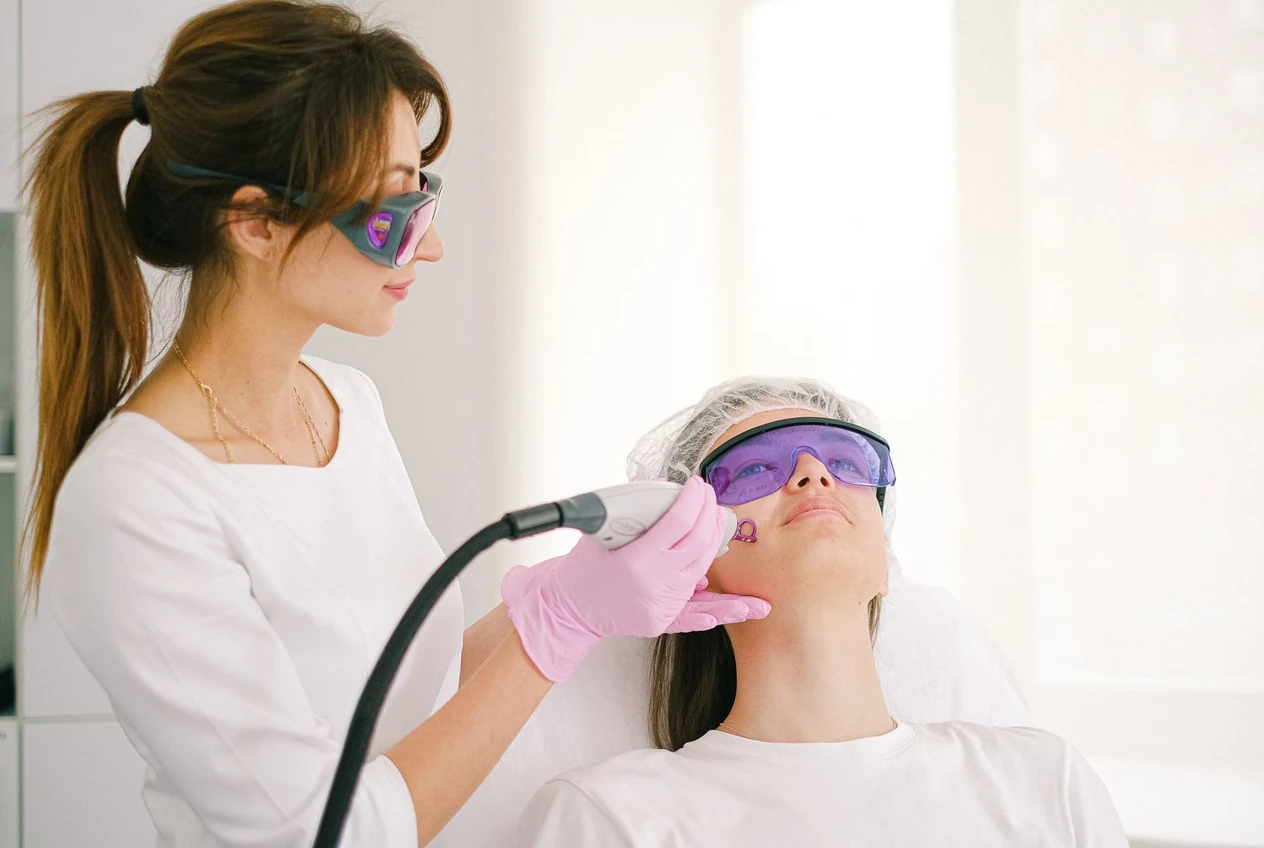
Complementary treatments. When there is an associated androgenetic alopecia or the recovery is insufficient, additional treatments can be considered such as hair mesotherapy, platelet-rich plasma (PRP) or other hair-stimulation therapies, always assessed individually.
Can I breastfeed if I am losing my hair?
Yes. Hair loss does not contraindicate breastfeeding. In addition, breastfeeding is not usually the direct cause of the loss; the main factor is the hormonal change after childbirth.
What can you do in your daily life?
Maintain a complete and balanced diet, avoid very restrictive diets during the postpartum period, rest whenever possible, avoid hairstyles with too much traction, use gentle products for the hair, avoid aggressive chemical treatments while the hair recovers and be patient: hair growth is a slow process.
When should you consult the doctor?
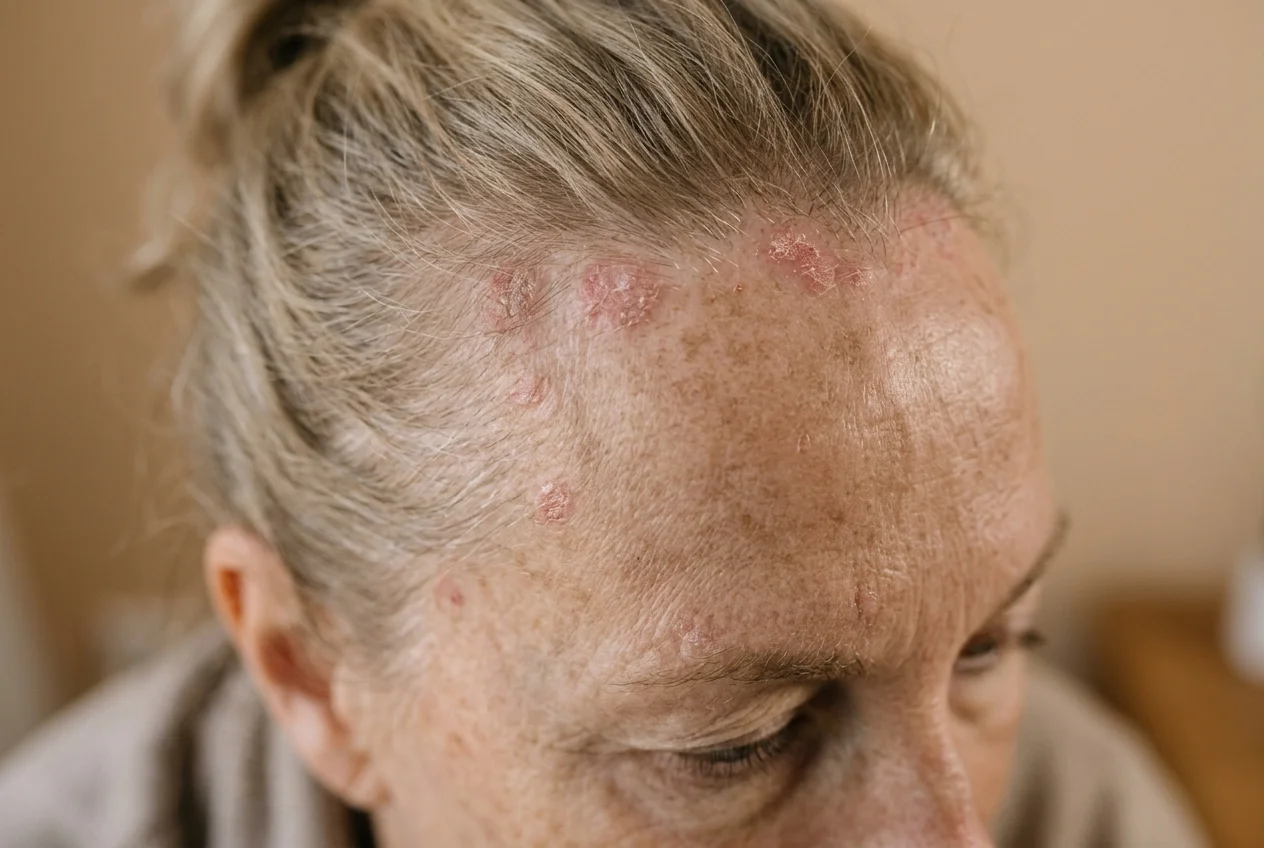
You should consult if the loss begins before childbirth or immediately after, if it persists for more than six to twelve months, if patches without hair appear, if the loss especially affects the top of the head, if you present other symptoms such as intense tiredness, weight loss, menstrual alterations or symptoms of thyroid disease, or if you have a personal or family history of alopecia.
Myths and facts
- Myth: Breastfeeding causes hair loss. Fact: No. The main cause is the hormonal decrease after childbirth.
- Myth: I am going to go bald. Fact: In the vast majority of women the hair grows back progressively.
- Myth: Cutting the hair makes it stop falling out. Fact: It does not modify the cycle of the hair follicle.
- Myth: I need to take vitamins even if the tests are normal. Fact: Supplements are only indicated when there is a deficiency or a specific medical recommendation.
- Myth: Washing my hair worsens the loss. Fact: No. Washing only makes visible the hairs that were already ready to detach.
The essential points to remember
- Hair loss after pregnancy is a physiological and very frequent process.
- It usually begins between two and four months after childbirth.
- It is mainly due to the hormonal changes of the postpartum period.
- In most cases it is temporary and reversible.
- If the loss is very intense, lasts too long or presents atypical characteristics, it is advisable to carry out a medical evaluation.
- A correct diagnosis makes it possible to reassure the patient and detect possible associated causes that require treatment.
Frequently asked questions
Is it normal to lose so much hair after childbirth?
Yes. It is one of the most frequent reasons for a hair consultation after pregnancy.
Will I have the same hair volume again?
In most cases yes, although the recovery can take several months.
Do I need to have tests?
Not always. They are requested when the loss is very intense, prolonged or there are signs that make another cause suspected.
Can I dye my hair?
Yes, although it is advisable to avoid very aggressive treatments while the hair recovers.
Does stress have an influence?
Yes. The physical and emotional stress of the postpartum period can contribute to prolonging the effluvium.
Is minoxidil necessary?
Not in all cases. It is reserved for selected situations and must be indicated by the doctor.
Can it appear more than once?
Yes. It is usual for it to happen again after each pregnancy.
What happens if I already had alopecia before pregnancy?
Pregnancy can temporarily hide an androgenetic alopecia, which can become more evident after childbirth.
Should I worry if I keep losing hair a year later?
Yes. In that case a medical evaluation is advisable to rule out other causes.
Does it have a good prognosis?
Yes. Most women progressively recover the hair density during the first year after childbirth.
Need personalised guidance?
This guide is for information only and does not replace a medical consultation. For an assessment tailored to your case, you may request a consultation.
Request a consultationTopics