Iron deficiency and hair health
Iron, ferritin and hair loss
Iron deficiency can favour diffuse hair loss, especially in the form of telogen effluvium. Supplementation is only indicated when there is a deficiency confirmed by a medical assessment and blood tests.
What relation exists between iron and hair?
Iron is an essential mineral for the functioning of the whole organism. Among other functions, it participates in the transport of oxygen and in numerous processes related to cellular growth.
The hair follicles are structures with high metabolic activity. When there is an iron deficiency, the hair can be affected, especially if the deficiency is important or is maintained for a prolonged time.
Nevertheless, not all hair loss is caused by the lack of iron, so it is fundamental to make a medical diagnosis before starting any supplement.
Can iron deficiency cause hair loss?
Yes. Iron deficiency has been especially related to telogen effluvium, a type of diffuse hair loss.
In some patients, correcting the deficit can favour the recovery of normal hair growth.
However, when there are other causes, such as androgenetic alopecia, iron on its own will not solve the problem.
Who has the greatest risk of presenting iron deficiency?
The risk is greater in:
- Women with abundant menstruations.
- Pregnant women.
- People with diets poor in iron.
- Vegetarians and vegans (if the diet is not well planned).
- People with digestive diseases that hinder absorption.
- Patients with chronic blood losses.
What symptoms can it produce?
In addition to hair loss, the following can appear:
- Tiredness.
- Weakness.
- Decrease of physical performance.
- Fragile nails.
- Paleness.
- Dizziness.
- Difficulty concentrating.
Many people present few symptoms in the initial phases.
How is it diagnosed?
The diagnosis should not be based solely on the symptoms.
It is usually carried out by means of a clinical assessment and blood tests that can include:
- Blood count.
- Ferritin.
- Serum iron.
- Transferrin saturation.
- Other parameters according to each patient.
Ferritin is usually one of the most useful markers to assess the iron reserves.
Should I take iron supplements if my hair is falling out?
Not necessarily.
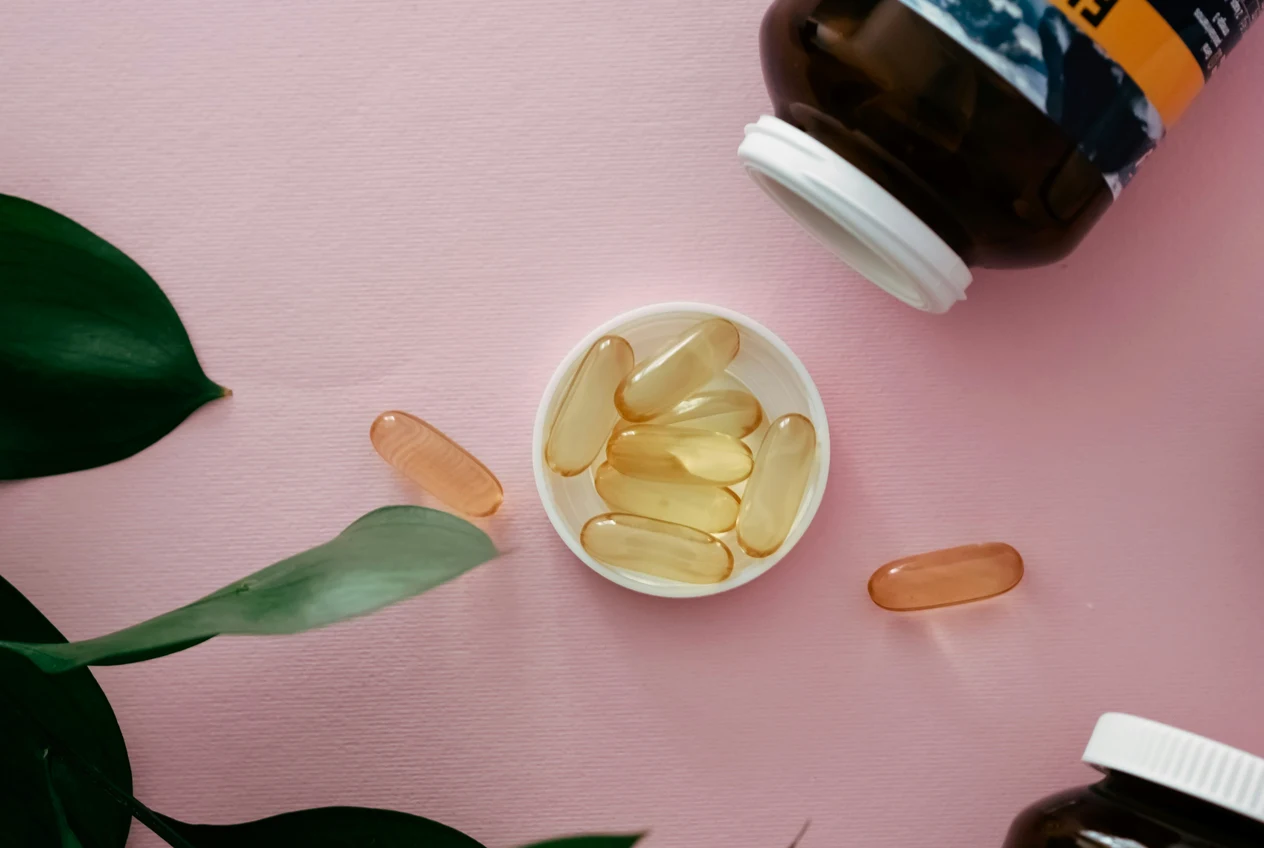
Taking iron without confirming a deficit can be unnecessary and even harmful.
Before starting any supplementation it is advisable to identify the cause of the hair loss and confirm the existence of a deficiency.
Do iron supplements make hair grow?
Only when the loss is related to an iron deficiency.
In people with normal iron levels, it has not been demonstrated that taking supplements improves hair growth.
How long does it take for hair to improve?
The recovery is usually slow.
After correcting the iron deficit, the improvement of the hair can begin to be observed after several months, since the hair growth cycle is long.
Patience and the continuity of the treatment are fundamental.
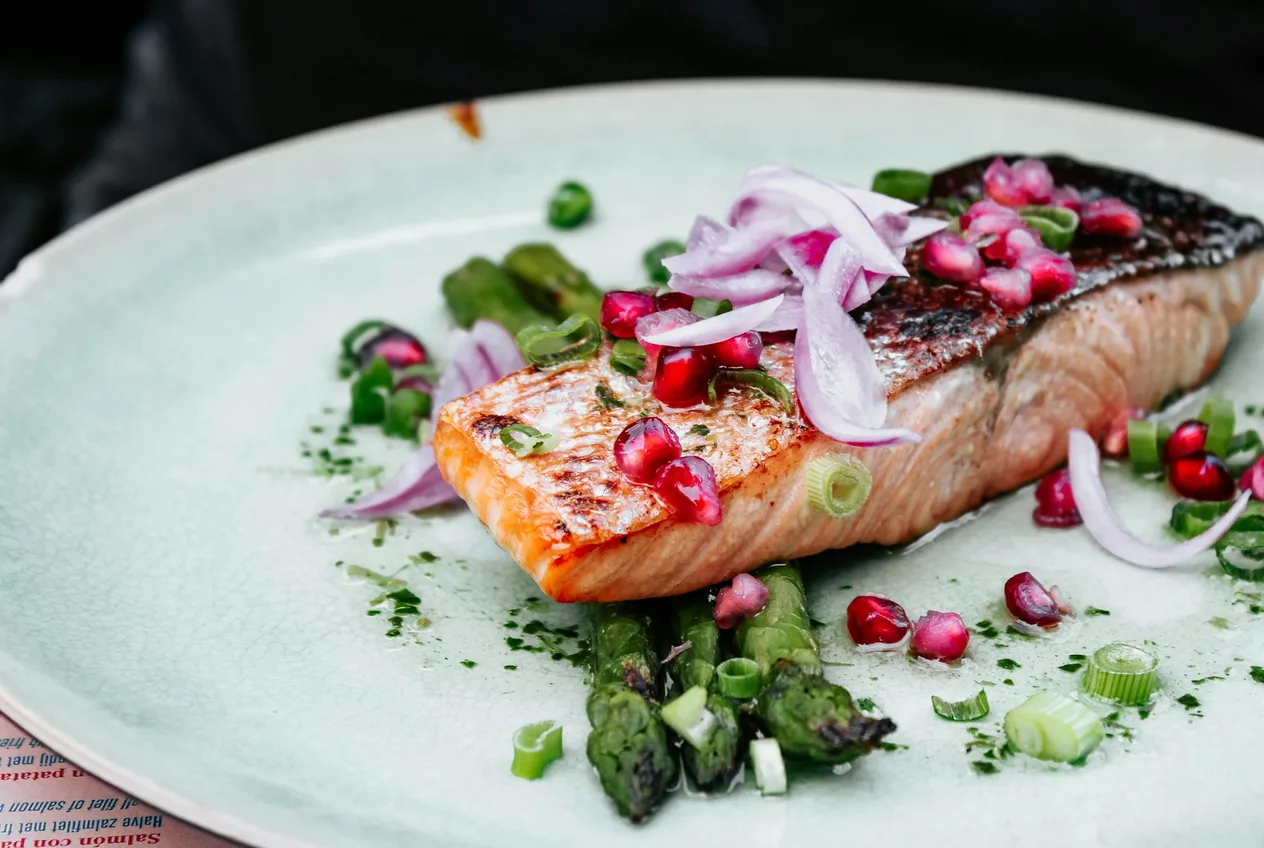
Which foods are rich in iron?
Among the main sources of iron are:
- Lean meats.
- Liver (occasional consumption).
- Shellfish.
- Fish.
- Legumes.
- Lentils.
- Chickpeas.
- Spinach.
- Nuts.
- Seeds.
Iron of animal origin is absorbed more easily than that of vegetable origin.
How to improve iron absorption?
Vitamin C favours the absorption of iron.
It can be useful to combine foods rich in iron with:
- Citrus fruits.
- Kiwi.
- Strawberries.
- Pepper.
- Tomato.
On the contrary, tea and coffee can partially decrease its absorption if they are consumed together with meals.
Does diet replace the treatment of alopecia?
No. When there is androgenetic alopecia or another hair disease, the correction of a nutritional deficit is only one part of the treatment.
In many patients it will be necessary to associate specific treatments for the hair.
Myths and facts
- Myth: All hair loss is due to a lack of iron. Fact: There are many different causes of hair loss and iron deficiency is only one of them.
- Myth: Taking iron strengthens the hair of any person. Fact: It is only beneficial when there is a demonstrated deficiency.
- Myth: The more iron I take, the better the hair will grow. Fact: The excess of iron can also be harmful to health.
- Myth: Ferritin is not important. Fact: Ferritin is one of the main indicators of the iron reserves of the organism.
- Myth: The hair improves in a few days. Fact: The recovery usually requires several months.
The essential points to remember
- Iron deficiency can contribute to diffuse hair loss.
- Not all hair loss is related to a lack of iron.
- Ferritin is a fundamental test to assess the iron reserves.
- Supplements should only be used when there is a confirmed deficiency.
- A balanced diet helps to maintain adequate iron levels.
- The correct diagnosis is the basis for choosing the most adequate treatment.
Frequently asked questions
Should I have a blood test if I have hair loss?
In many cases yes, especially when the loss is diffuse or appears suddenly.
What is ferritin?
It is a protein that reflects the iron reserves of the organism.
Can I take iron on my own?
It is not advisable. First it must be confirmed that there is a deficit.
Can diet correct a deficiency?
In mild deficits it can help, although on many occasions it will be necessary to use supplements prescribed by the doctor.
How long does the treatment take to have effect?
The recovery of the hair usually requires several months.
Does iron cure androgenetic alopecia?
No. It can correct an associated deficit, but it does not treat the cause of this disease.
Is iron of animal origin better?
It is absorbed more easily than iron of vegetable origin.
Does vitamin C help?
Yes. It favours the intestinal absorption of iron.
Does coffee hinder absorption?
It can partially decrease the absorption when it is consumed together with foods or supplements rich in iron.
Who should assess the need for supplements?
The doctor, after the clinical assessment and the corresponding tests.
Need personalised guidance?
This guide is for information only and does not replace a medical consultation. For an assessment tailored to your case, you may request a consultation.
Request a consultationTopics