Biotin: does it really work?
Hair, nails and skin: what the evidence says
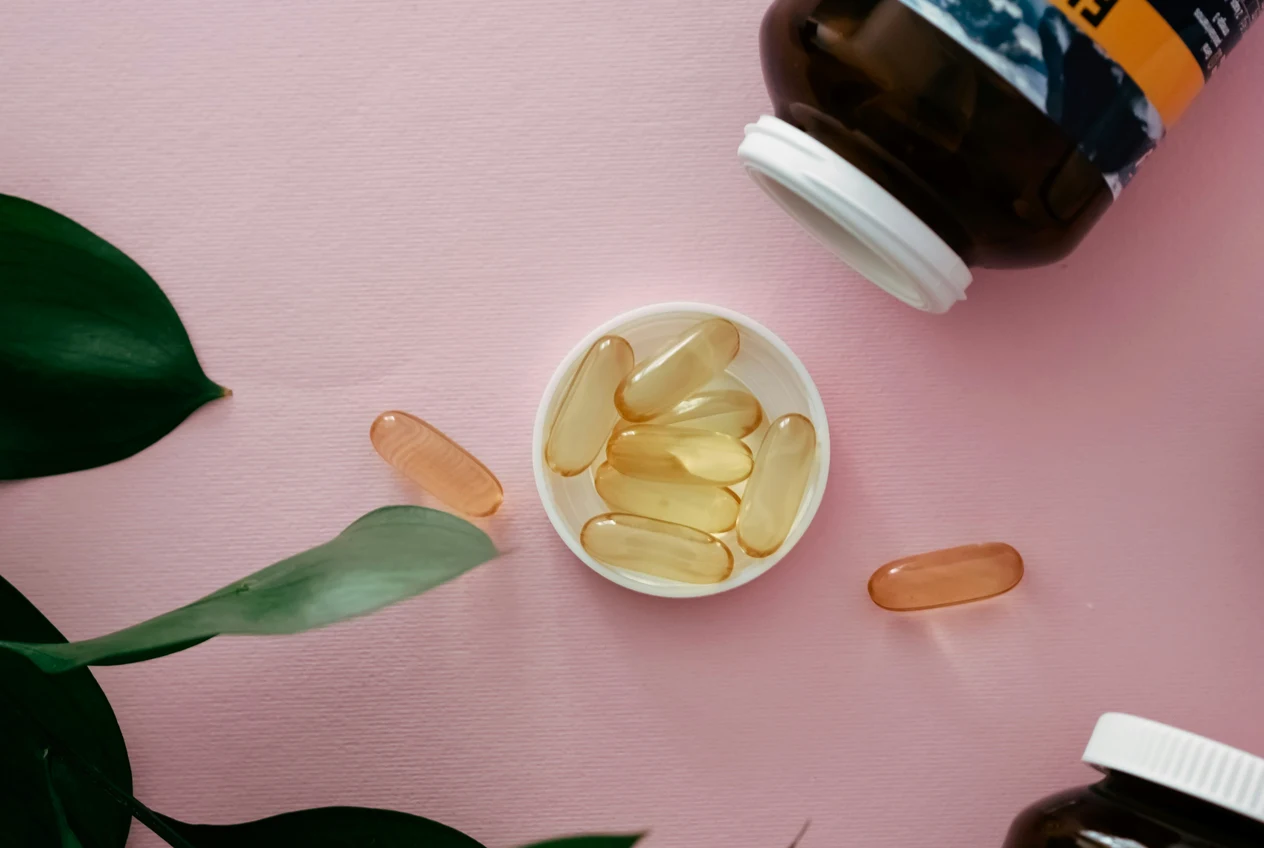
Biotin is an essential vitamin, but its deficit is uncommon. Scientific evidence does not demonstrate that it improves the hair or the skin in healthy people, and its use can interfere with some laboratory analyses.
What is biotin?
Biotin, also known as vitamin B7 or vitamin H, is a water-soluble vitamin of the B group that participates in numerous metabolic processes related to the use of fats, proteins and carbohydrates.
In recent years it has become one of the most popular supplements to improve the hair, the skin and the nails.
However, the available scientific evidence is much more limited than advertising usually reflects.
What is biotin for?
Biotin participates in:
- Energy metabolism.
- The normal functioning of the cells.
- The synthesis of certain fatty acids.
- The maintenance of tissues with high metabolic activity, such as the hair and the nails.
This does not mean that taking more biotin automatically improves these structures.
Does biotin make hair grow?
In people with normal levels of biotin, scientific studies have not demonstrated that supplements increase hair growth or significantly reduce hair loss.
On the contrary, when there is a real biotin deficit, correcting it can indeed improve the associated symptoms.
Fortunately, this deficit is uncommon.
Can it help in alopecia?
It depends on the cause.
Most alopecias, such as:
Are not caused by a biotin deficit.
Therefore, taking biotin supplements rarely solves these problems when there is no demonstrated deficiency.
Does it improve nails?
Some studies suggest that biotin could improve nail fragility in certain people with brittle nails.
Nevertheless, the scientific evidence remains limited and the results are not uniform.
Can it improve the skin?
Only when there is a biotin deficit.
In healthy people it has not been demonstrated that supplementation improves the quality of the skin, slows ageing or prevents skin diseases.
Is biotin deficiency common?
No.
Biotin deficiency is uncommon because:
- It is present in numerous foods.
- The intestinal bacteria produce small quantities.
- The daily needs are relatively low.
Who can present a deficit?
It can appear in uncommon situations, such as:
- Prolonged parenteral nutrition without adequate supplementation.
- Some genetic diseases.
- Certain intestinal diseases.
- Prolonged consumption of raw egg white in large quantities.
- Some specific pharmacological treatments.
Which foods contain biotin?
The main sources are:
- Cooked egg.
- Liver.
- Fish.
- Meat.
- Nuts.
- Seeds.
- Legumes.
- Mushrooms.
- Avocado.
A balanced diet usually provides sufficient quantities.
Do biotin supplements have risks?
Biotin is a safe vitamin at the usual doses.
However, there is a very important aspect that many people are unaware of.
High doses of biotin can alter the results of certain blood tests, including tests related to:
- Hormones.
- Thyroid function.
- Cardiac markers.
- Other laboratory determinations.
Therefore, it is essential to inform the doctor and the laboratory if biotin is being taken before carrying out an analysis.
How to know if I need biotin?
It should not be assumed that hair loss is due to a biotin deficit.
It is advisable to carry out a medical assessment to identify the true cause of the problem.
In many cases it will be necessary to request analytical studies or other examinations.
Does biotin replace medical skin treatment?
No.
If there is a disease of the hair, the nails or the skin, biotin does not replace the specific treatments when these are indicated.
The treatment must always be adapted to the diagnosis.
Myths and facts
- Myth: Biotin makes anyone's hair grow. Fact: It is only useful when there is a biotin deficiency, an uncommon situation.
- Myth: The more biotin I take, the better the result. Fact: There is no evidence that higher doses produce better results.
- Myth: Biotin cures androgenetic alopecia. Fact: No. This disease requires specific treatments.
- Myth: Biotin always improves the nails. Fact: It can help in some cases of nail fragility, but the evidence is limited.
- Myth: Biotin is totally harmless. Fact: Although it is usually safe, it can interfere with some laboratory analyses and alter their results.
The essential points to remember
- Biotin is an essential vitamin, but the deficit is uncommon.
- There is no solid evidence that it improves the hair or the skin in people without deficiency.
- It can be useful in very specific situations and in some cases of nail fragility.
- Biotin can alter the results of some blood tests.
- It should not be used as a substitute for medical skin treatment.
- The correct diagnosis remains the key to treating the hair, the skin and the nails.
Frequently asked questions
Should I take biotin if my hair is falling out?
Not without knowing the cause of the loss.
Is it common to have a biotin deficit?
No. It is an uncommon situation.
Does biotin strengthen the nails?
It can be useful in some cases of fragile nails, although the studies are limited.
Can I obtain enough biotin through diet?
Yes. Most people cover their needs through a balanced diet.
Does biotin have side effects?
It is generally well tolerated, but it can interfere with certain blood tests.
Should I stop it before an analysis?
In some cases yes. Always follow the indications of your doctor or the laboratory.
Does biotin improve the skin?
Only when there is a demonstrated deficiency.
Can it help in all alopecias?
No. Most alopecias have other causes.
Is it better to take biotin alone or combined with other supplements?
It depends on the diagnosis. There is no universally effective combination.
Who should recommend supplementation?
Always a health professional after assessing each case individually.
Need personalised guidance?
This guide is for information only and does not replace a medical consultation. For an assessment tailored to your case, you may request a consultation.
Request a consultationTopics