Diet and acne
Which foods can influence the skin
Diet can influence acne in some people, especially when there is a high consumption of high glycaemic index foods or certain dairy products. A balanced diet complements, but does not replace, medical skin treatment.
Can diet influence acne?
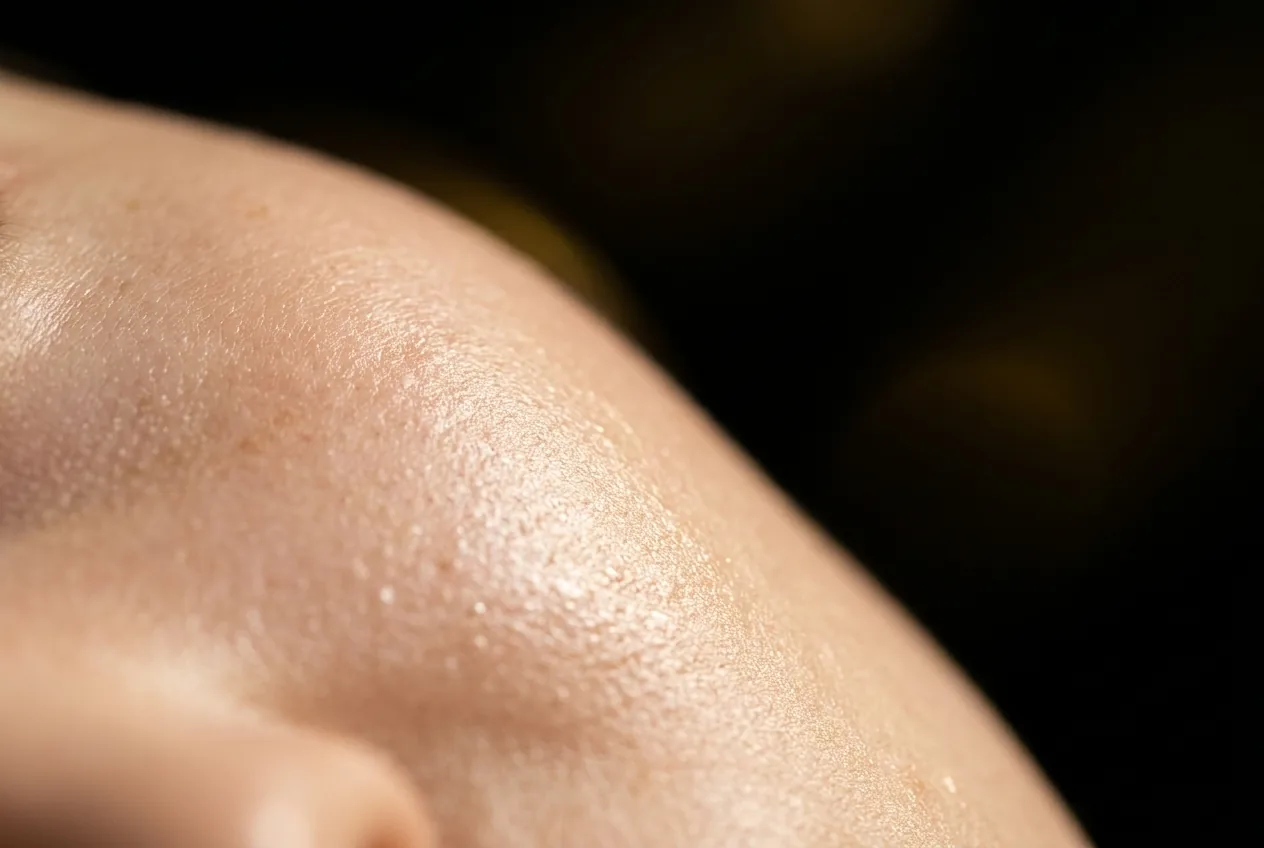
For many years it was thought that diet had no relation with acne. However, the scientific research of the last decades has shown that certain dietary habits can influence its appearance or worsen its evolution in some people.
It is important to highlight that diet is usually not the only cause of acne. Genetic predisposition, hormones, inflammation and sebum production play a much more important role.
Nevertheless, a balanced diet can be part of an integral approach to the patient with acne.
Why does acne appear?
Acne develops through the combination of several factors:
- Increased sebum production.
- Obstruction of the pores.
- Proliferation of Cutibacterium acnes.
- Inflammation.
- Hormonal influence.
- Genetic predisposition.
Diet can act as a modulating factor in some people, but it rarely explains the disease on its own.
Which foods can worsen acne?
Not all people react the same way, but some foods have been associated with a greater risk of worsening.
High glycaemic index foods. Foods that produce rapid rises in glucose and insulin can stimulate mechanisms related to the development of acne. Among them are:
- Sugary drinks.
- Industrial pastries.
- Sweets.
- Candies.
- White bread.
- Refined cereals.
- Some ultra-processed products.
Excess of added sugars. A diet rich in sugars favours a metabolic environment that can increase the activity of certain hormonal pathways involved in acne.
Some dairy products. Various studies suggest that, in some people, especially skimmed milk, could be associated with a worsening of acne. It does not mean that all people with acne should eliminate dairy products. The decision must be individualised.
Diets very rich in ultra-processed foods. Diets with abundant industrial foods are usually associated with greater general inflammation of the organism and can contribute to the worsening of the skin.
Which foods can be beneficial?
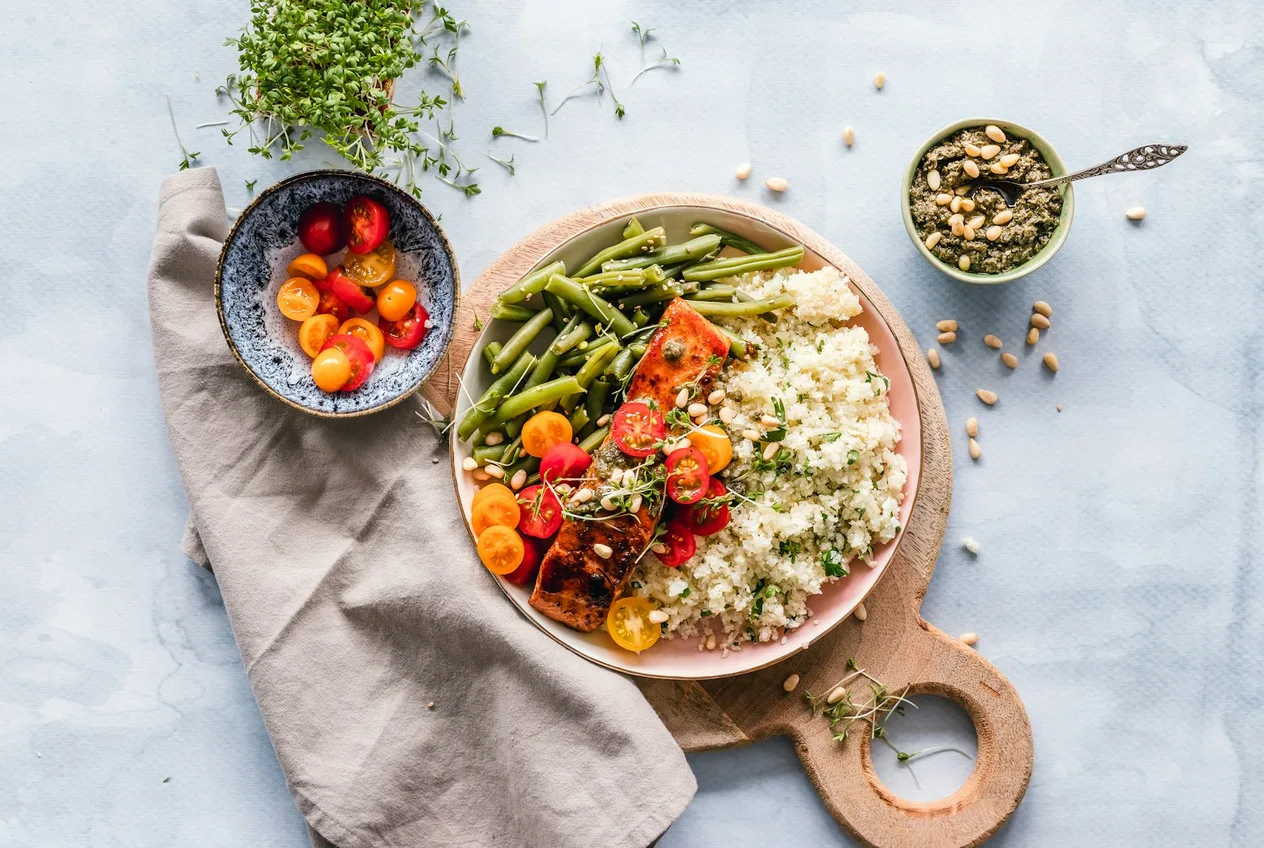
Although no food «cures» acne, a balanced diet can favour healthier skin.
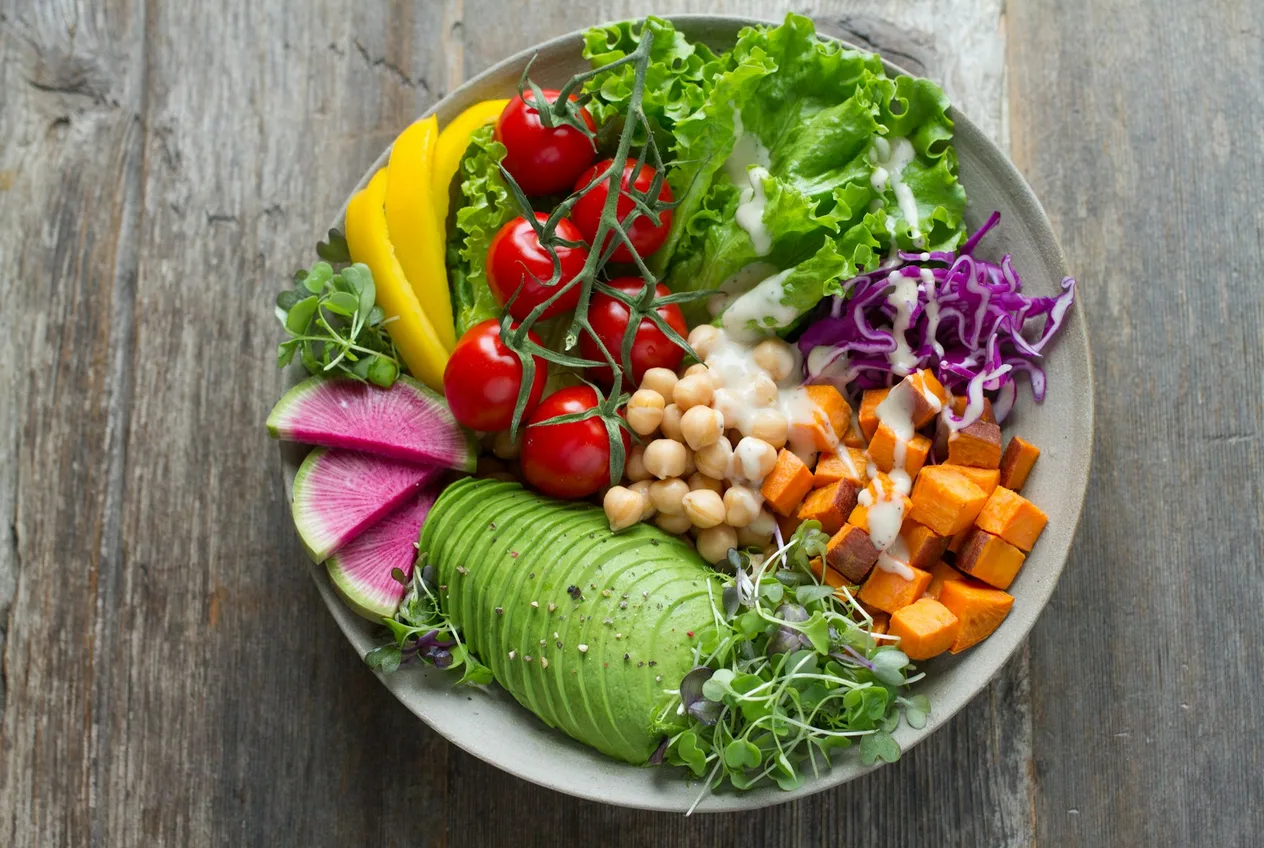
It is recommended to prioritise:
- Vegetables.
- Fruits.
- Legumes.
- Natural nuts.
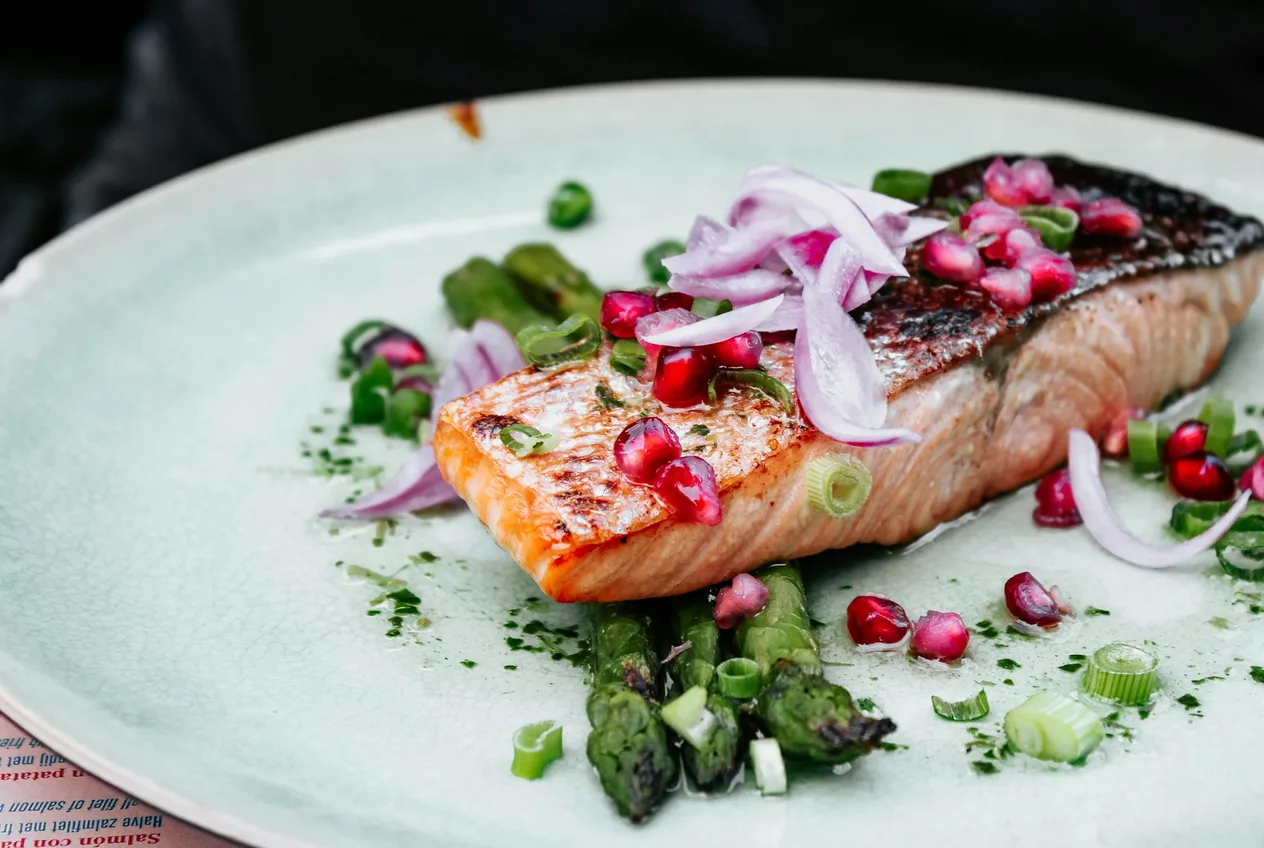
- Oily fish.
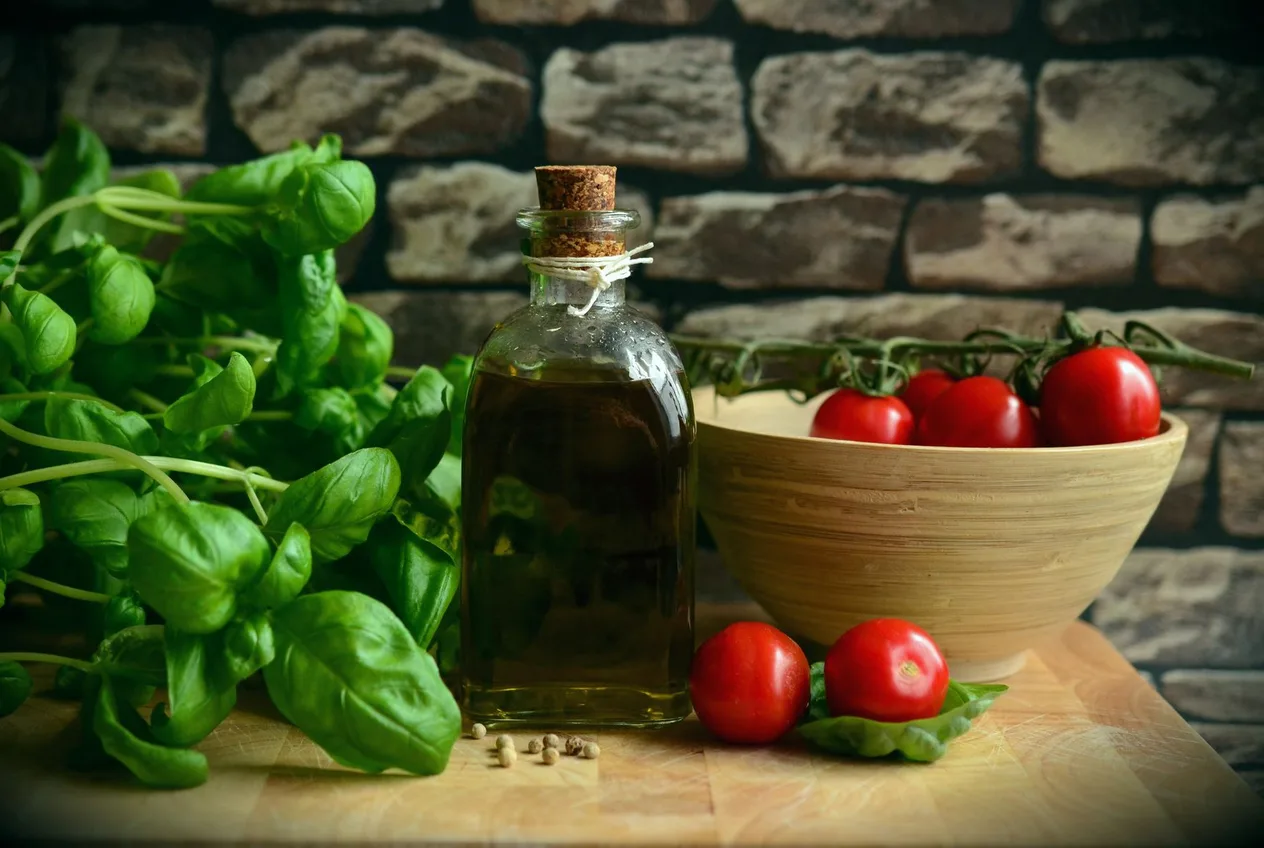
- Extra virgin olive oil.
- Whole grains.
- Quality proteins.
This dietary pattern is close to the Mediterranean diet, considered one of the healthiest nutritional models.
What role do omega-3 play?
Omega-3 fatty acids have anti-inflammatory properties.
Some studies suggest that a diet rich in oily fish can contribute to decreasing skin inflammation in certain patients.
Nevertheless, the evidence is still limited and does not replace medical treatment.
And chocolate?
One of the best-known myths.
Currently it cannot be affirmed that chocolate on its own produces acne.
The possible problem is usually related to products rich in sugar and added fats. Dark chocolate with a high percentage of cocoa probably has a different effect than very sugary milk chocolate.
Is it necessary to eliminate all dairy products?
No.
Only some patients seem to present a relation between certain dairy products and the worsening of acne.
It is not recommended to eliminate complete food groups without an adequate medical or nutritional assessment.
Can vitamins improve acne?
There is no vitamin capable of curing acne.
In addition, some inadequate supplementations can even favour its appearance.
Therefore, any supplement must be assessed individually.
Does hydration have an influence?
Maintaining adequate hydration is important for general health and for the correct functioning of the skin.
However, drinking large amounts of water does not eliminate acne.
Can weight loss improve acne?
In some patients with overweight and metabolic alterations, improving lifestyle can favour hormonal balance and contribute indirectly to improving the skin.
It does not occur in all cases.
Which dietary habits are recommended?
In general it is advised to:
- Maintain a varied and balanced diet.
- Reduce the consumption of sugary drinks.
- Limit ultra-processed foods.
- Prioritise fresh foods.
- Consume quality proteins.
- Choose whole carbohydrates when possible.
- Maintain a healthy weight.
Does diet replace medical skin treatment?
No.
Diet constitutes a complement to the treatment, but does not replace medicines when they are indicated.
The best result is usually obtained by combining:
- Medical treatment.
- Adequate skin care.
- Healthy diet.
- Balanced lifestyle habits.
Myths and facts
- Myth: Chocolate produces acne. Fact: There is not enough evidence to affirm that chocolate on its own causes acne. The global context of the diet is much more important.
- Myth: Eliminating all dairy products cures acne. Fact: Only some patients can benefit from reducing certain dairy products.
- Myth: Acne appears from eating fatty foods. Fact: The amount of fat in a food does not by itself determine the appearance of acne.
- Myth: Drinking a lot of water eliminates acne. Fact: Hydration is important, but it does not replace medical skin treatment.
- Myth: There is a specific diet that cures acne. Fact: Currently there is no diet capable of curing acne, although some dietary patterns can help to improve its evolution.
The essential points to remember
- Diet can influence acne, but it is usually not its main cause.
- High glycaemic index foods and some dairy products can worsen acne in predisposed people.
- The Mediterranean diet constitutes a healthy dietary pattern and potentially beneficial for the skin.
- There is no diet capable of curing acne on its own.
- Medical treatment remains the basis of acne management.
- An integral approach combining medical skin treatment, healthy diet and good habits offers the best results.
Frequently asked questions
Should I stop eating chocolate?
Not necessarily. The important thing is to maintain a balanced diet and avoid an excess of very sugary products.
Do sports supplements produce acne?
Some supplements, especially certain preparations rich in whey protein, can favour acne in predisposed people.
Can the Mediterranean diet help?
Yes. It is one of the most advisable dietary patterns for general health and it can contribute to reducing inflammation.
Is it advisable to follow very restrictive diets?
No. They can cause nutritional deficits and usually do not improve acne significantly.
Do organic foods cure acne?
There is no scientific evidence that demonstrates it.
Does sugar worsen acne?
A high consumption of high glycaemic index foods can favour worsening in some patients.
Do I need to consult a nutritionist?
It can be useful when there are doubts about diet or if important changes to the diet are considered.
Do probiotics help?
Some research is promising, but there is still not enough evidence to recommend them systematically.
Can I treat acne only with diet?
No. In most cases it will also be necessary to follow a medical skin treatment.
Who can guide me on the best strategy?
The ideal approach combines medical assessment and, when necessary, personalised nutritional advice.
Need personalised guidance?
This guide is for information only and does not replace a medical consultation. For an assessment tailored to your case, you may request a consultation.
Request a consultationTopics