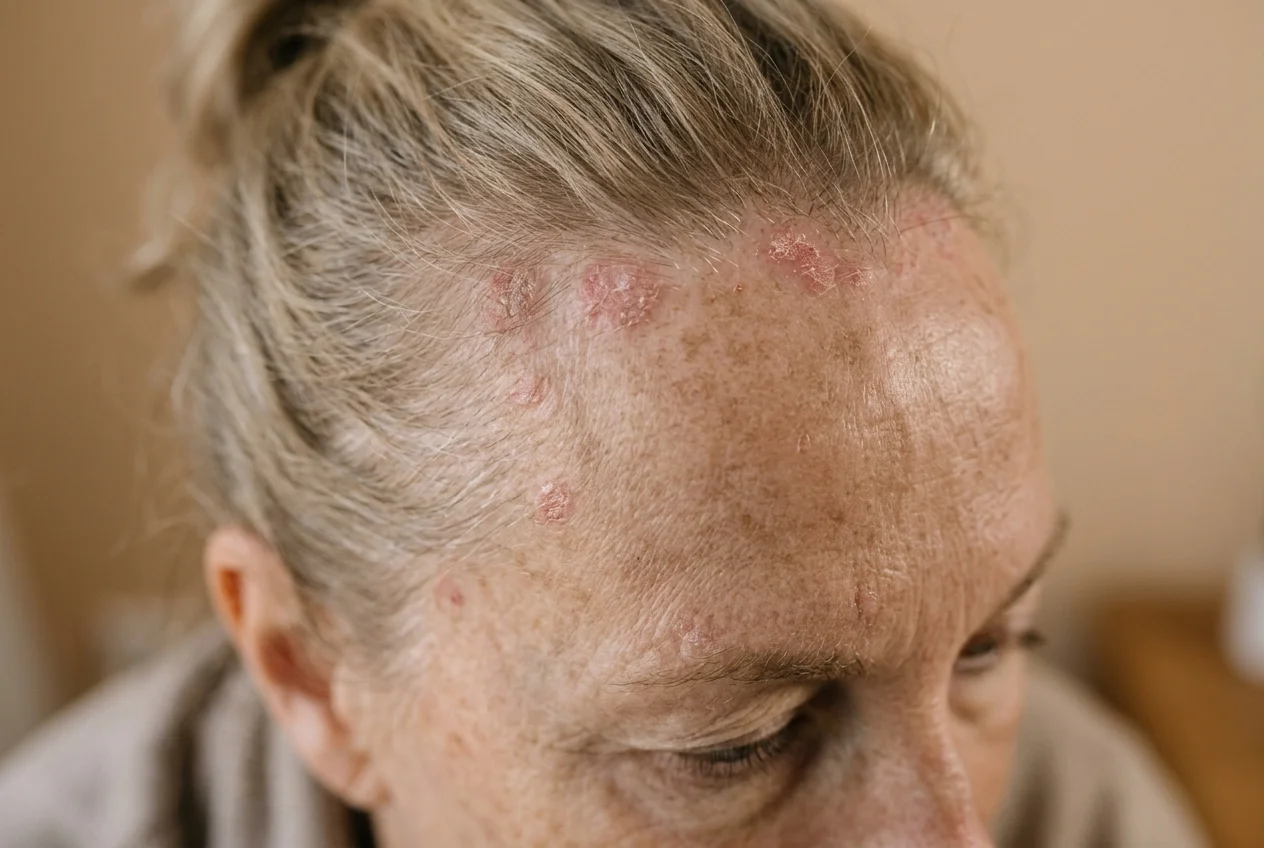
Omega-3 and skin health
Benefits and scientific evidence
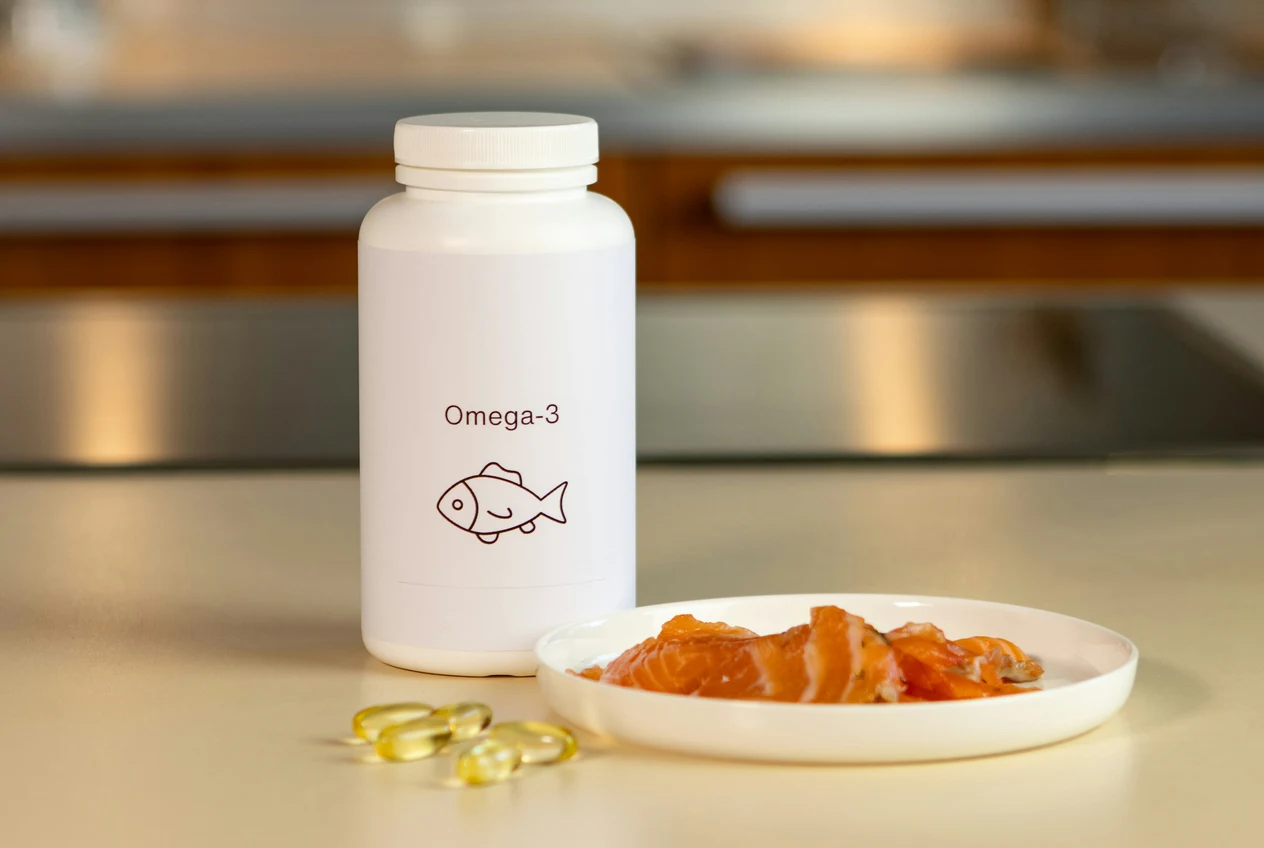
Omega-3 are essential fatty acids that contribute to the normal functioning of the skin and the immune system. Although they can be part of a healthy lifestyle, current scientific evidence does not justify their systematic use as a treatment for skin diseases.
What are omega-3?
Omega-3 are polyunsaturated fatty acids essential for the functioning of the organism.
They are considered «essential» because the human body cannot produce them in sufficient quantities and they must be obtained through diet.
The main ones are:
- Eicosapentaenoic acid (EPA).
- Docosahexaenoic acid (DHA).
- Alpha-linolenic acid (ALA).
EPA and DHA are found mainly in oily fish, while ALA comes from plant foods.
What functions do they perform?
Omega-3 participate in numerous processes related to:
- The cardiovascular system.
- The brain.
- Vision.
- The immune system.
- The inflammatory response.
Their importance for general health is widely recognised.
What relation do they have with the skin?
The skin needs an adequate quantity of healthy fats to maintain:
- The barrier function.
- Hydration.
- Elasticity.
- The response to inflammation.
Omega-3 are part of the cellular membranes and contribute to the correct functioning of the skin.
Can they improve skin diseases?
They have been studied in diseases such as:
- Psoriasis.
- Atopic dermatitis.
- Acne.
- Rosacea.
- Skin dryness.
Although some works show promising results, the scientific evidence remains limited and does not allow omega-3 supplements to be recommended as a standard treatment for these diseases.
Currently they should be considered a complement within a global approach.
Can they reduce inflammation?
Yes.
Omega-3 participate in the formation of molecules with an anti-inflammatory effect that help to regulate the response of the immune system.
This mechanism explains the scientific interest in their possible usefulness in inflammatory skin diseases.
Do they improve skin ageing?
There is no solid evidence that omega-3 supplements reduce wrinkles or reverse skin ageing.
However, a diet rich in healthy fats can contribute to maintaining better-quality skin in the long term as part of a healthy lifestyle.
Which foods contain omega-3?
The best sources are:
- Salmon.
- Sardines.
- Mackerel.
- Herring.
- Anchovies.
- Tuna.
- Walnuts.
- Flaxseeds.
- Chia seeds.
Extra virgin olive oil is a very healthy fat, although it does not constitute an important source of omega-3.
Is it better to obtain them through diet?
Yes.
Whenever possible, the first recommendation is to follow a balanced diet, such as the Mediterranean diet, rich in oily fish and natural foods.
Supplements should only be considered when there is a concrete indication.
Should I take omega-3 supplements?
Not necessarily.
In healthy people who follow a balanced diet, they are usually not essential.
The doctor can assess their use in specific situations, taking into account the whole clinical history.
Do they have side effects?
They are generally well tolerated.
Nevertheless, high doses can produce:
- Digestive discomfort.
- Fishy-tasting burps.
- Nausea.
- Diarrhoea.
In addition, some supplements can increase the risk of bleeding in people who take certain anticoagulant or antiplatelet medications.
Therefore, it is always advisable to inform the doctor about any supplementation.
Can they replace medical skin treatment?
No.
Omega-3 do not replace the treatments indicated for diseases such as psoriasis, atopic dermatitis, rosacea or acne.
Their possible usefulness should be understood as part of an integral approach that includes:
- A healthy diet.
- Medical treatment.
- Photoprotection.
- Good lifestyle habits.
Myths and facts
- Myth: Omega-3 cure skin diseases. Fact: No. They can contribute to a better regulation of inflammation, but they do not replace medical treatment.
- Myth: The more omega-3 I take, the better my skin. Fact: There is no evidence supporting that claim.
- Myth: Supplements are better than fish. Fact: Whenever possible, diet constitutes the best source of nutrients.
- Myth: Omega-3 eliminate wrinkles. Fact: There is no solid proof demonstrating this effect.
- Myth: Everyone needs supplements. Fact: Most people obtain sufficient quantities through a balanced diet.
The essential points to remember
- Omega-3 are essential fats important for general health and for the normal functioning of the skin.
- Oily fish constitutes one of their main natural sources.
- Their possible beneficial effect on some skin diseases continues to be the object of research.
- They do not replace specific medical treatments.
- The Mediterranean diet remains the best strategy to obtain omega-3 naturally.
- Supplementation should only be carried out when there is an individualised indication.
Frequently asked questions
What is the difference between EPA and DHA?
They are two types of omega-3 present mainly in oily fish, with complementary functions in the organism.
Is it better to eat fish or take capsules?
In general, a balanced diet constitutes the first option.
Do omega-3 improve psoriasis?
They can be part of a healthy lifestyle, but they do not replace the specific treatment.
Do they help in atopic dermatitis?
Scientific evidence does not yet allow them to be recommended systematically.
Can they improve dry skin?
A diet rich in healthy fats can favour the maintenance of a healthy skin barrier.
Are there contraindications?
Yes. Some people, especially those who take anticoagulants or antiplatelets, should consult before starting supplements.
Can children take them?
It depends on the age and the clinical circumstances. A health professional must assess it.
Do omega-3 help the hair?
There is currently not enough evidence to recommend supplements for this purpose.
Should I take supplements throughout the year?
Only when there is a specific medical indication.
Who should recommend supplementation?
The doctor, after assessing the individual needs of each patient.
Need personalised guidance?
This guide is for information only and does not replace a medical consultation. For an assessment tailored to your case, you may request a consultation.
Request a consultationTopics