Diet and atopic dermatitis
What relation exists and when diet has an influence
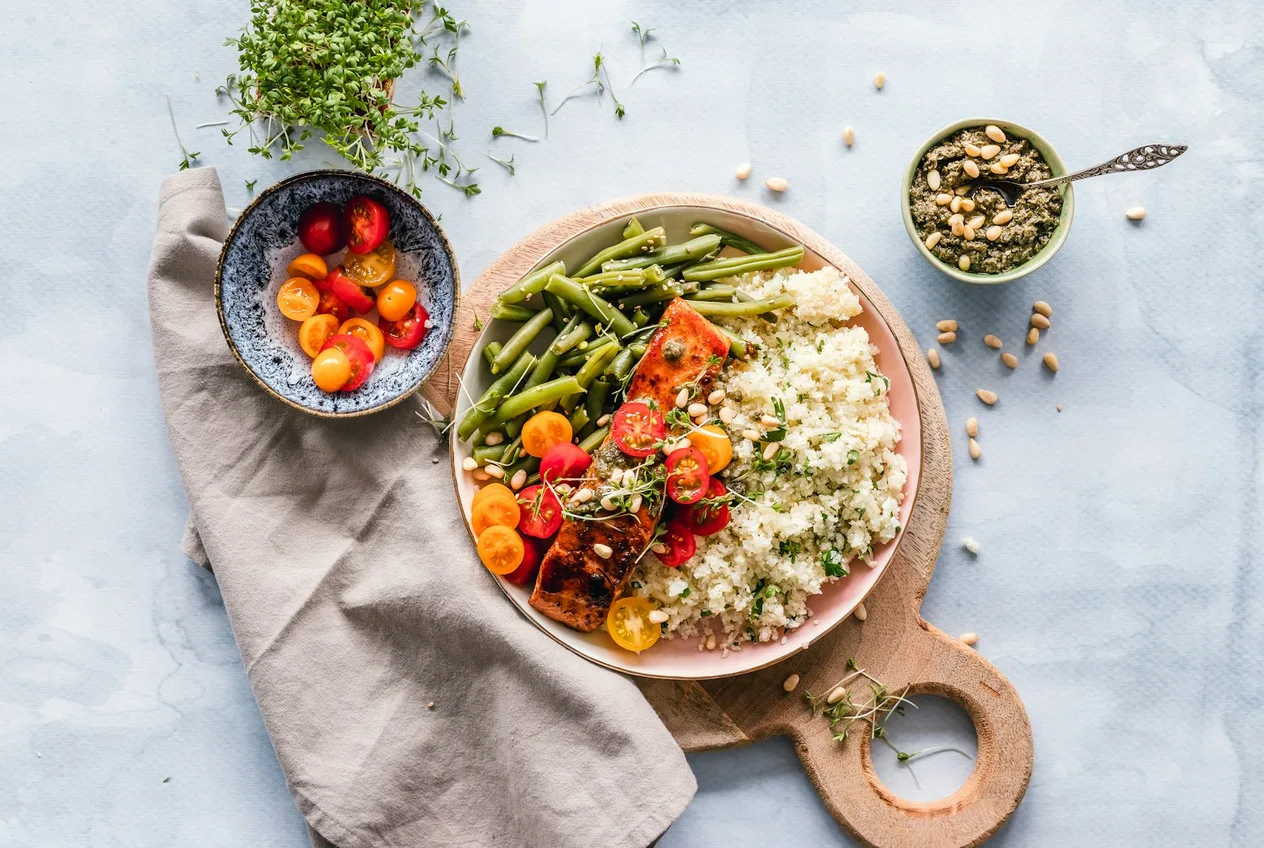
Diet is usually not the cause of atopic dermatitis. Only some patients present food allergies that require modifications of the diet. A balanced diet and the adequate medical skin treatment constitute the best strategy to control the disease.
Can diet influence atopic dermatitis?
Atopic dermatitis is a chronic inflammatory disease of the skin in which genetic factors, alterations of the skin barrier, the immune system and the environment intervene.
Diet can play a role in some patients, especially in certain children with confirmed food allergies. However, in most cases diet is not the cause of atopic dermatitis nor does eliminating foods improve the disease.
Therefore, any important change in the diet must be made only after a medical assessment.
What is atopic dermatitis?
Atopic dermatitis is an inflammatory disease of the skin characterised by:
- Skin dryness.
- Intense itching.
- Eczema.
- Repeated flares.
- Alteration of the protective barrier of the skin.
Its evolution usually alternates periods of improvement and relapses.
Is there a diet to cure atopic dermatitis?
No. Currently there is no diet capable of curing atopic dermatitis.
The treatment continues to be based on:
- Restoring the skin barrier.
- Controlling the inflammation.
- Avoiding the individual triggers.
- Maintaining adequate hydration of the skin.
Diet constitutes only a complement in specific situations.
When can diet have an influence?
Diet can be important mainly in:
- Infants.
- Young children.
- People with diagnosed food allergies.
In these cases, certain foods can trigger symptoms after their consumption. However, this does not occur in most patients with atopic dermatitis.
Is food allergy frequent?
No.
Although atopic dermatitis and food allergies can coexist, most people with atopic dermatitis do not present clinically relevant food allergies.
For this reason, it is not recommended to eliminate foods without a medical confirmation.
Which foods produce atopic dermatitis?
There is no food that produces atopic dermatitis by itself.
In patients with confirmed food allergy, some foods can trigger flares, among them:
- Milk.
- Egg.
- Nuts.
- Wheat.
- Soy.
- Fish.
- Shellfish.
But only when there is a true allergy demonstrated by means of the clinical history and the adequate tests.
Is it advisable to eliminate foods «just in case»?
No. Eliminating foods without indication can provoke:
- Nutritional deficits.
- Growth problems in children.
- Unnecessarily restrictive diets.
- Greater anxiety around food.
Exclusion diets should only be carried out under medical supervision.
What diet is recommended?
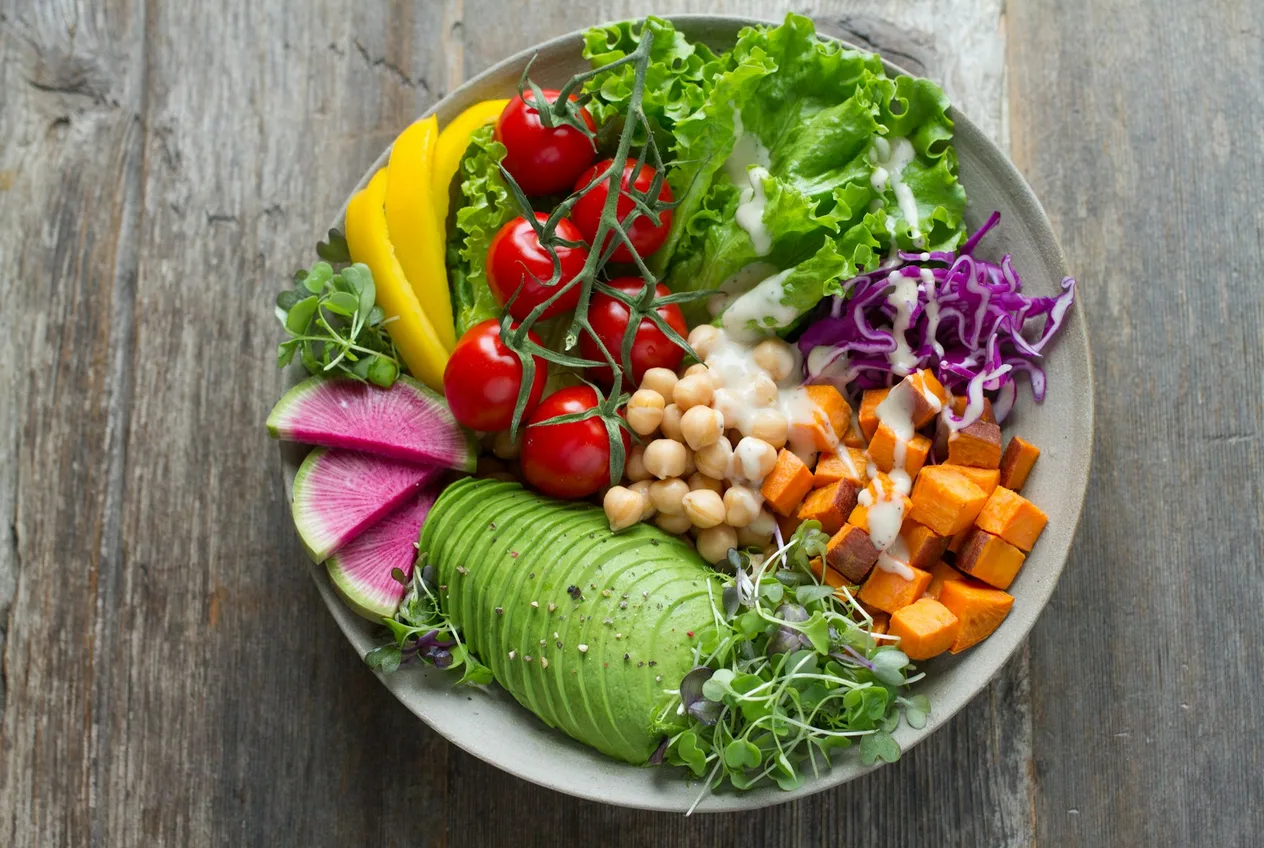
It is advised to follow a balanced diet based on:
- Vegetables.
- Fruits.
- Legumes.
- Whole grains.
- Nuts when there is no allergy.
- Fish.
- Extra virgin olive oil.
- Quality proteins.
The Mediterranean diet constitutes one of the most advisable nutritional patterns.
What role do omega-3 play?
Omega-3 have anti-inflammatory properties.
Although some studies have investigated their possible usefulness in atopic dermatitis, the results are variable and there is currently not enough evidence to recommend supplements systematically.
The habitual consumption of oily fish within a balanced diet is indeed advisable.
Can vitamin D have an influence?
Some patients with atopic dermatitis present low levels of vitamin D.
When there is a deficit confirmed by analysis, its correction can be part of the general treatment.
Nevertheless, it is not recommended to supplement vitamin D without a medical indication.
Does the intestinal microbiota have a relation?
Currently there is great scientific interest in the relation between the intestinal microbiota and atopic dermatitis.
Although some studies show promising results, there is still not enough evidence to establish universal recommendations on specific diets or probiotics for all patients.
Do probiotics help?
Some research suggests a possible benefit in certain cases, especially in children, but the results are not conclusive.
Therefore, their use must be individualised.
Is hydration important?
Yes. A good hydration of the organism is part of a healthy lifestyle.
However, the most important treatment for skin dryness continues to be the regular application of emollients on the skin.
Does diet replace medical skin treatment?
No. The treatment of atopic dermatitis requires:
- Daily hydration of the skin.
- Restoration of the skin barrier.
- Anti-inflammatory treatments when they are necessary.
- Identification of individual triggers.
- Healthy diet.
All these elements are complementary.
Myths and facts
- Myth: Milk produces atopic dermatitis. Fact: Only in patients with confirmed allergy can it act as a trigger.
- Myth: Eliminating many foods always improves the disease. Fact: Restrictive diets without medical indication can be harmful.
- Myth: There is a diet that cures atopic dermatitis. Fact: Currently there is no curative diet.
- Myth: All children with atopic dermatitis have food allergies. Fact: Most do not present clinically relevant food allergies.
- Myth: Probiotics replace the treatment. Fact: No. They can be studied in some cases, but they do not replace medical skin treatment.
The essential points to remember
- Diet is usually not the cause of atopic dermatitis.
- Only some patients present food allergies that justify modifications of the diet.
- Foods should not be eliminated without a prior medical assessment.
- The Mediterranean diet constitutes a healthy dietary pattern.
- Daily hydration of the skin remains the fundamental treatment.
- The best approach combines skin care, medical treatment and healthy lifestyle habits.
Frequently asked questions
Should I eliminate milk?
Only if there is a confirmed food allergy.
Is it necessary to do allergy tests on all patients?
No. Only when the clinical history makes a food allergy suspected.
Can the Mediterranean diet help?
Yes. It is a healthy diet that favours general well-being.
Are omega-3 supplements advisable?
Not systematically. Their indication must be individualised.
Do probiotics cure atopic dermatitis?
No. The scientific evidence is still limited.
Does vitamin D improve the disease?
It can be useful to correct a deficit when it is demonstrated by analysis.
Does hydration have an influence?
Yes, although the hydration of the skin by means of emollients remains much more important than increasing water intake.
Can diet replace creams?
No. Both strategies fulfil different functions.
Do gluten-free diets improve atopic dermatitis?
There is not enough evidence to recommend them, unless there is coeliac disease or another medical indication.
Who should guide the changes in the diet?
The doctor specialised in skin health and, when necessary, an allergist or a nutritionist.
Need personalised guidance?
This guide is for information only and does not replace a medical consultation. For an assessment tailored to your case, you may request a consultation.
Request a consultation