Cradle cap (Infantile seborrhoeic dermatitis)
Frequent and benign skin condition of the baby
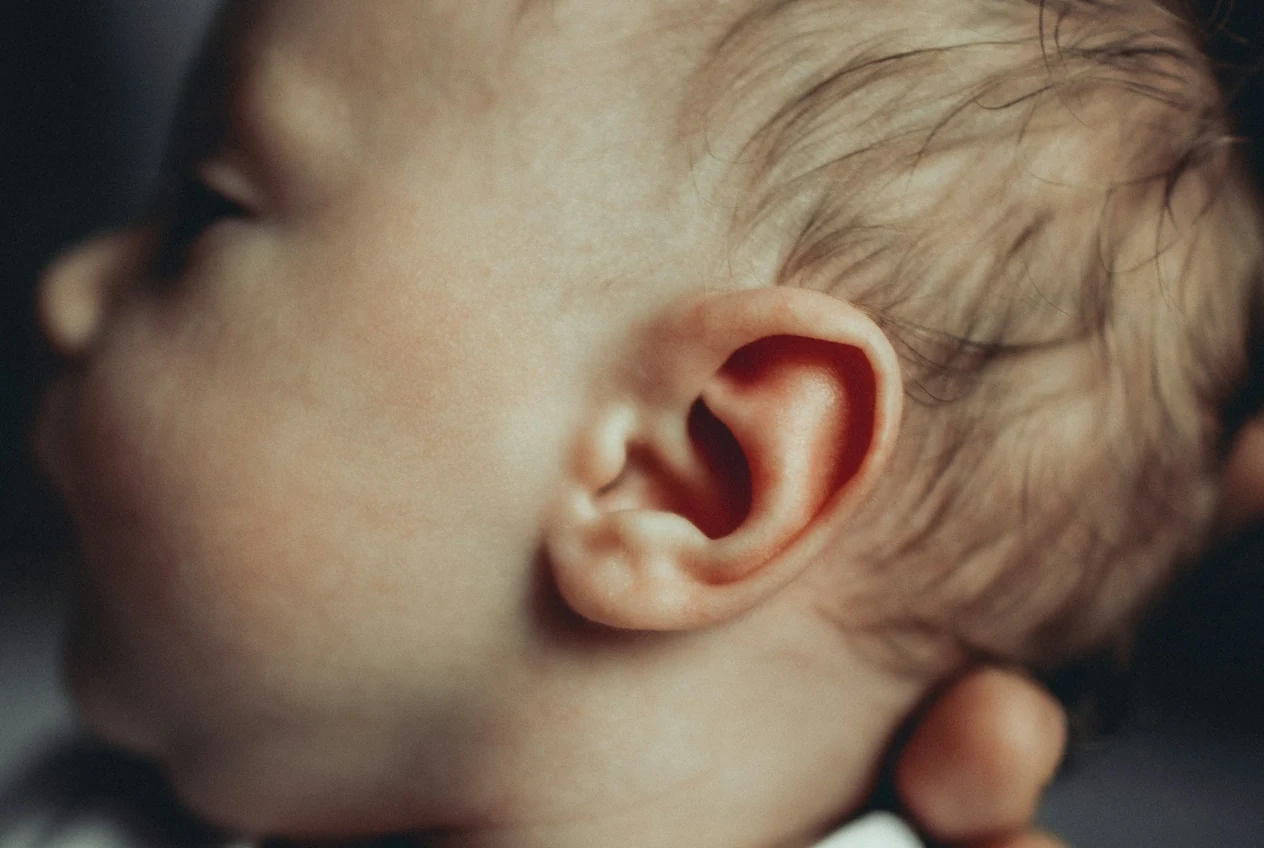
Cradle cap is a frequent seborrhoeic dermatitis in babies that produces yellowish scales on the scalp. Learn about its causes, how to treat it correctly and when it is advisable to consult a specialist.
What is cradle cap?
Cradle cap is a form of infantile seborrhoeic dermatitis, a very frequent and completely benign skin condition that appears during the first months of life.
It is characterised by the presence of yellowish or whitish scales, greasy-looking crusts and a slight redness of the skin.
It appears mainly on the scalp, the eyebrows, the forehead and behind the ears. In some babies it can also affect the face, the neck, the armpits, the groin folds and the nappy area.
It is not a contagious disease and it is not caused by poor hygiene.
Why does it appear?
The exact cause is not completely known. Several factors are thought to be involved:
- Transient stimulation of the sebaceous glands by maternal hormones.
- Proliferation of a common skin yeast (Malassezia).
- Immaturity of the skin barrier.
It is not related to a food allergy, breastfeeding, a lack of hygiene or excessive washing.
What are the symptoms?
Most babies present thick yellow scales, greasy crusts stuck to the scalp, slight redness and an absence of discomfort.
Unlike atopic dermatitis, it generally does not cause significant itching and the baby is usually perfectly well.
When it affects the folds, redness, scaling and a shiny appearance may be observed.
How is the diagnosis made?
The diagnosis is clinical. The paediatrician or the doctor specialising in skin health will recognise the condition through the physical examination.
Usually no blood tests, cultures or biopsies are necessary. Only in very extensive or atypical cases may additional studies be requested to rule out other diseases.
Which diseases can it be confused with?
It can be differentiated from other skin diseases:
- Atopic dermatitis.
- Infantile psoriasis.
- Scalp ringworm (very rare in infants).
- Contact dermatitis.
- Langerhans cell histiocytosis (very uncommon).
What treatments exist?
In many cases cradle cap improves spontaneously within a few weeks or months.
Daily care. It is recommended to wash the scalp with a mild baby shampoo, to apply a mineral oil or an emollient a few hours before the bath to soften the scales and to gently remove the crusts with a very soft brush or a fine-toothed comb, without pulling them off. They should never be removed abruptly.
Topical treatment. When there is significant inflammation, the doctor may prescribe for a few days low-potency topical corticosteroids and topical antifungals (such as ketoconazole) in selected cases. These treatments should only be used under medical indication.
What can you do in your daily life?
Maintain normal hygiene, do not scratch or pull off the crusts, use products specific for babies, avoid irritating home remedies and keep the skin well moisturised if there are dry areas.
When should you consult?
You should consult your paediatrician or a doctor specialising in skin health if the lesions spread rapidly, if pus or a bad smell appears, if the baby has a fever, if there is a lot of itching, if the treatment does not improve the lesions or if the lesions persist for many months or unusual signs appear.
Myths and facts
- Myth: Cradle cap appears because the baby is not washed well. Fact: No. It has no relation to hygiene.
- Myth: All the crusts must be pulled off. Fact: No. They should be softened beforehand and removed very gently.
- Myth: It is a milk allergy. Fact: There is no relation between cradle cap and a milk allergy.
- Myth: It is contagious. Fact: No.
- Myth: It will leave scars or affect hair growth. Fact: No. Cradle cap does not produce scars nor alter the normal growth of the hair.
The essential points to remember
- Cradle cap is a frequent and benign infantile seborrhoeic dermatitis.
- It produces yellowish and greasy scales, especially on the scalp.
- It is not caused by poor hygiene or by a food allergy.
- It usually does not cause significant itching.
- The treatment consists of softening the scales and removing them gently.
- In some cases topical treatments prescribed by the doctor can be used.
- The prognosis is excellent and leaves no scars.
Frequently asked questions
Is it frequent?
Yes. It is one of the most usual skin conditions during the first months of life.
Does it cause itching?
Usually not, or it causes very mild itching.
Is it painful?
No.
Can it come back?
Yes. Some babies present several episodes during the first months of life.
Does it always need treatment?
No. Many cases disappear spontaneously.
Can I wash the hair every day?
Yes, using a mild shampoo suitable for infants.
Can olive oil be used?
It is usually not recommended. Mineral oils or emollients formulated for infants are preferred, since olive oil can alter the skin barrier in some babies.
Is it atopic dermatitis?
No. They are different conditions.
Can it affect other parts of the body?
Yes. It can also appear on the face, behind the ears, the folds and the nappy area.
Does it have a good prognosis?
Yes. Most cases disappear completely during the first year of life without leaving any sequelae.
Need personalised guidance?
This guide is for information only and does not replace a medical consultation. For an assessment tailored to your case, you may request a consultation.
Request a consultationTopics