Infantile hemangiomas
The most frequent benign vascular tumour of childhood
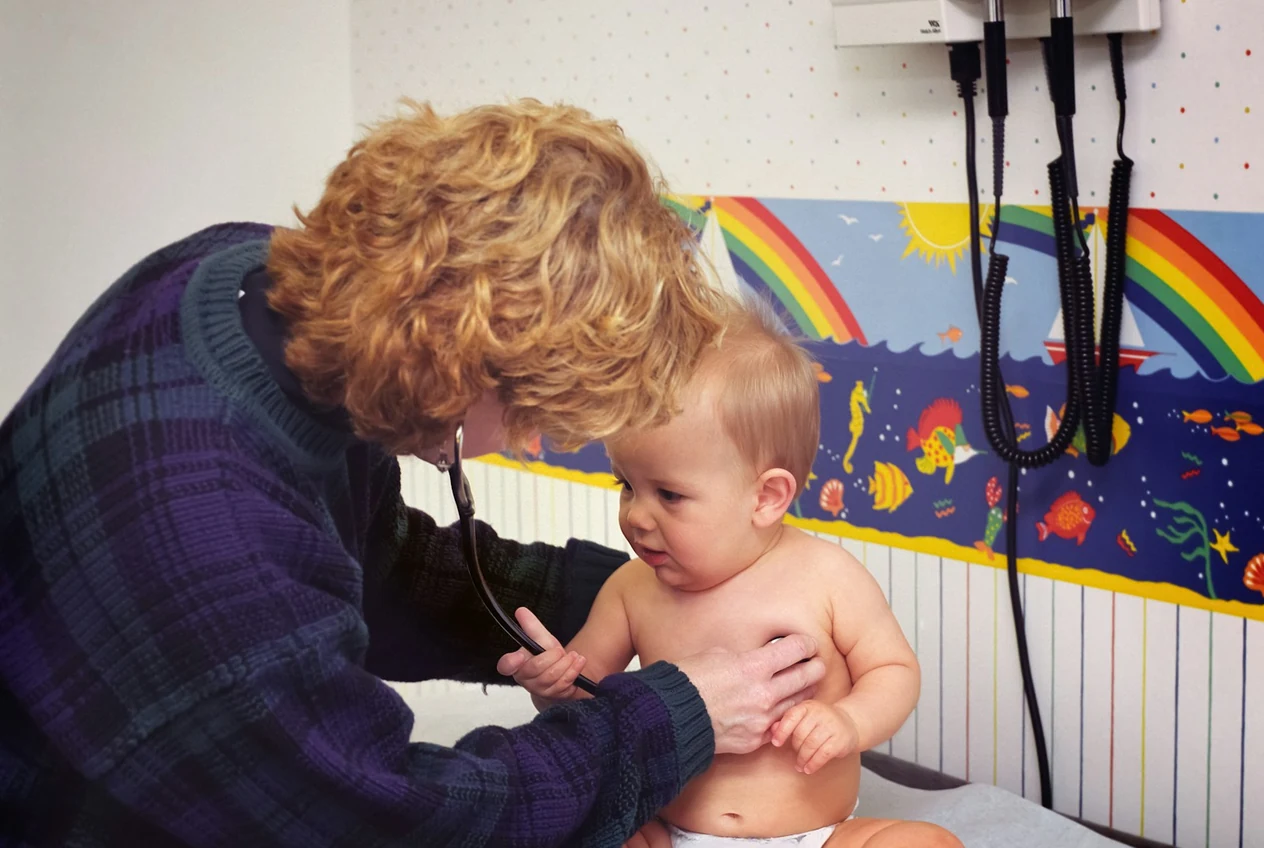
The infantile hemangioma is the most frequent benign vascular tumour in babies. Learn about its growth phases, when it requires treatment with propranolol and what its usual evolution is.
What is an infantile hemangioma?
The infantile hemangioma is the most frequent benign vascular tumour of childhood. It is produced by an excessive growth of small blood vessels and usually appears during the first weeks of life.
Although it is popularly known as an "angioma", not all angiomas are hemangiomas. The infantile hemangioma has a characteristic evolution: first it grows rapidly and, subsequently, it involutes spontaneously.
Most hemangiomas disappear partially or completely over the years. It is not a cancer and it is not contagious.
Why does it appear?
The exact cause is still not known. It is thought that factors related to the development of the blood vessels during pregnancy and the first months of life are involved.
There are some factors that increase the risk of presenting it:
- Female sex.
- Prematurity.
- Low birth weight.
- Multiple pregnancies.
- Advanced maternal age.
It is not related to blows, infections or any care carried out during pregnancy.
How does an infantile hemangioma evolve?
The hemangioma usually goes through three phases:
Growth phase. It begins during the first weeks of life. It grows rapidly during the first months. Most reach their maximum size between 5 and 9 months.
Stabilisation phase. Growth stops. It can last several months.
Involution phase. It begins slowly. The hemangioma loses colour intensity, progressively flattens and decreases in size. The regression can be prolonged up to 5-10 years of age.
What are the symptoms?
They depend on the location and the size. A bright red spot ("superficial hemangioma"), a bluish lesion under the skin ("deep hemangioma") or a mixed lesion may be observed.
The most frequent locations are the face, the scalp, the neck, the trunk and the limbs.
Most do not cause pain. However, some may ulcerate, bleed slightly after a trauma or become secondarily infected (uncommon).
When can it be a problem?
Although most are small and do not require treatment, some need quick assessment, especially if:
- They are near an eye and can affect vision.
- They are located around the nose or the mouth and hinder breathing or feeding.
- They are in the ear and alter hearing.
- They are very large.
- They ulcerate.
- There are multiple hemangiomas (five or more), since it may be necessary to study the presence of internal hemangiomas, especially in the liver.
How is the diagnosis made?
The diagnosis is usually clinical. The doctor specialising in skin health or the paediatrician identifies it through the physical examination.
In some cases a Doppler ultrasound, magnetic resonance imaging and complementary studies when associated syndromes are suspected may be requested.
What treatments exist?
Not all hemangiomas need treatment. Many only require observation and periodic check-ups.
Beta-blockers. Currently the treatment of choice for hemangiomas that require treatment is oral propranolol. This medication manages to stop the growth and favour the disappearance of the hemangioma in most cases. Its administration must be carried out under medical supervision.
Topical timolol. Small and superficial hemangiomas can be treated with timolol in gel or topical solution.
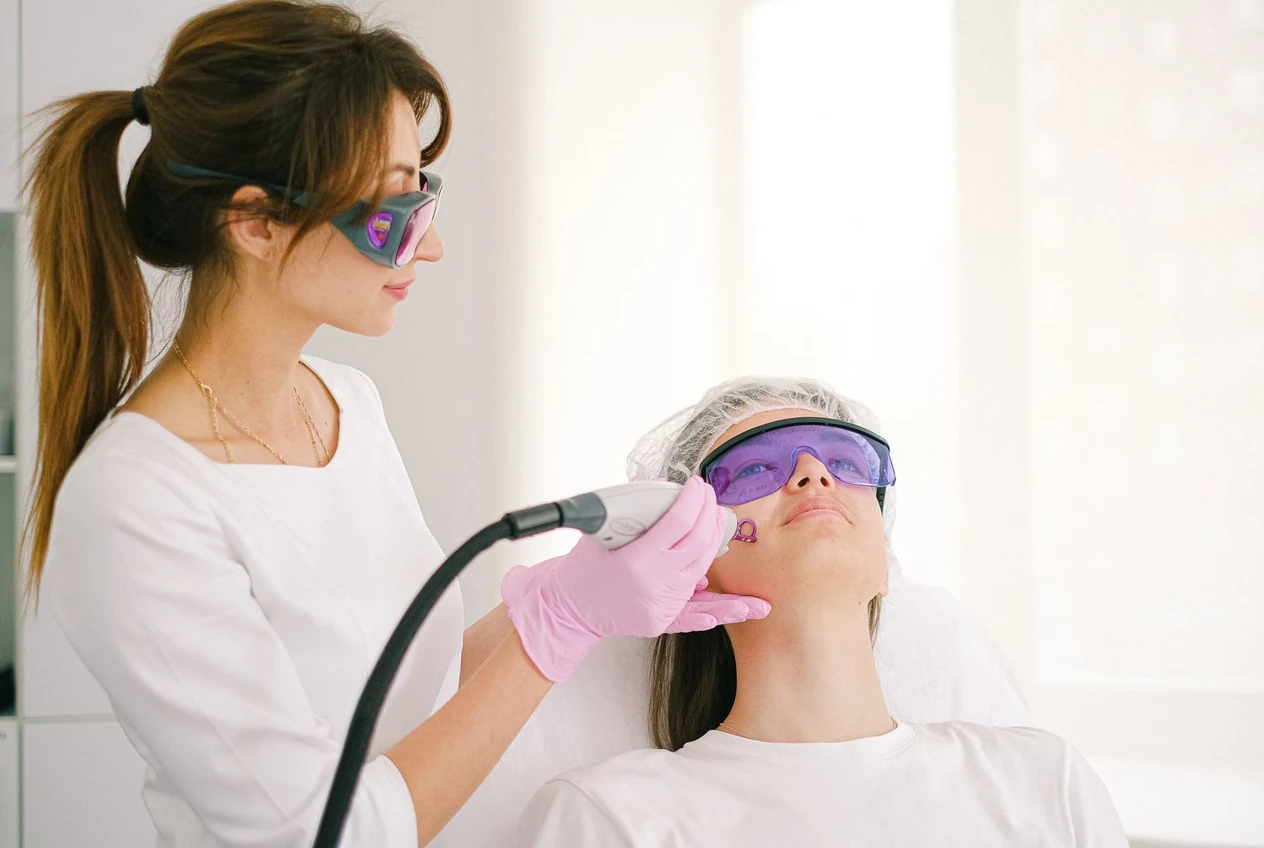
Vascular laser. It can be used to treat selected superficial lesions, improve vascular remnants after involution and treat some ulcerations.
Surgery. It is currently reserved for specific situations, such as significant sequelae, residual excess skin and very selected lesions.
What can you do in your daily life?
Do not manipulate the hemangioma, avoid repeated traumas, keep the area clean, consult if a wound appears and attend the scheduled check-ups.
When should you consult urgently?
You should consult quickly if the hemangioma grows very fast, if an ulcer appears, if it bleeds repeatedly, if it is near the eye, if it hinders breathing or feeding, if the baby presents five or more skin hemangiomas or if you observe significant pain or signs of infection.
Myths and facts
- Myth: All hemangiomas must be operated on. Fact: No. Most disappear spontaneously and never need surgery.
- Myth: They are a cancer. Fact: No. They are benign vascular tumours.
- Myth: If they bleed they are dangerous. Fact: A small bleed after a blow is usually easily controlled with direct pressure. The important thing is to assess whether there is an ulceration.
- Myth: They always leave marks. Fact: Many disappear almost completely, although some may leave a discreet excess of skin or small visible vessels.
- Myth: Propranolol is an experimental treatment. Fact: No. It is the first-line treatment recommended internationally for infantile hemangiomas that require treatment.
The essential points to remember
- The infantile hemangioma is a very frequent benign vascular tumour.
- It usually appears during the first weeks of life.
- It grows rapidly during the first months and then involutes slowly.
- Most do not need treatment.
- Propranolol is the treatment of choice when there is a medical indication.
- Some hemangiomas require early assessment due to their location or size.
- The prognosis is usually excellent.
Frequently asked questions
Will it disappear on its own?
In most cases yes, although the process can last several years.
Is it frequent?
Yes. It is the most frequent benign tumour of childhood.
Can it reappear after disappearing?
It does not usually reappear once involution is complete.
Can it grow after the first year?
Generally not. The most important growth occurs during the first months of life.
Is it hereditary?
It is not usually inherited directly.
Can a child with a hemangioma be vaccinated?
Yes. The presence of a hemangioma does not contraindicate vaccines.
Is propranolol safe?
Yes, when it is correctly indicated and controlled by the specialist.
Do they all need an MRI?
No. Only some selected cases require imaging tests.
Can it affect internal organs?
It is uncommon, but when there are multiple skin hemangiomas it may be necessary to carry out additional studies.
Does it have a good prognosis?
Yes. The vast majority evolve favourably and many disappear spontaneously.
Need personalised guidance?
This guide is for information only and does not replace a medical consultation. For an assessment tailored to your case, you may request a consultation.
Request a consultation