Chronic venous insufficiency
When the leg veins no longer return blood well to the heart
Chronic venous insufficiency hinders the return of blood from the legs to the heart and can cause varicose veins, oedema and skin alterations. Discover its symptoms, risk factors and the most effective treatments to improve circulation and prevent complications.
What is chronic venous insufficiency?
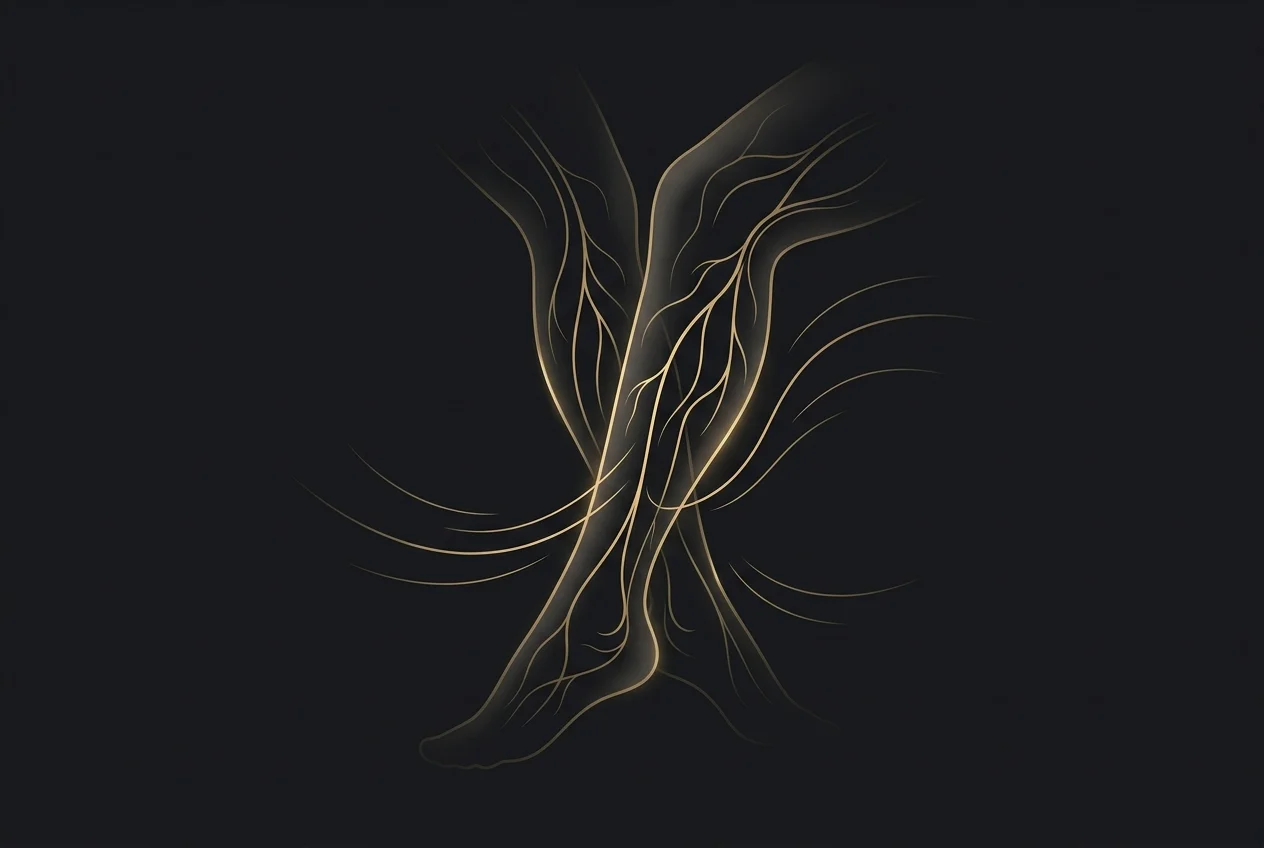
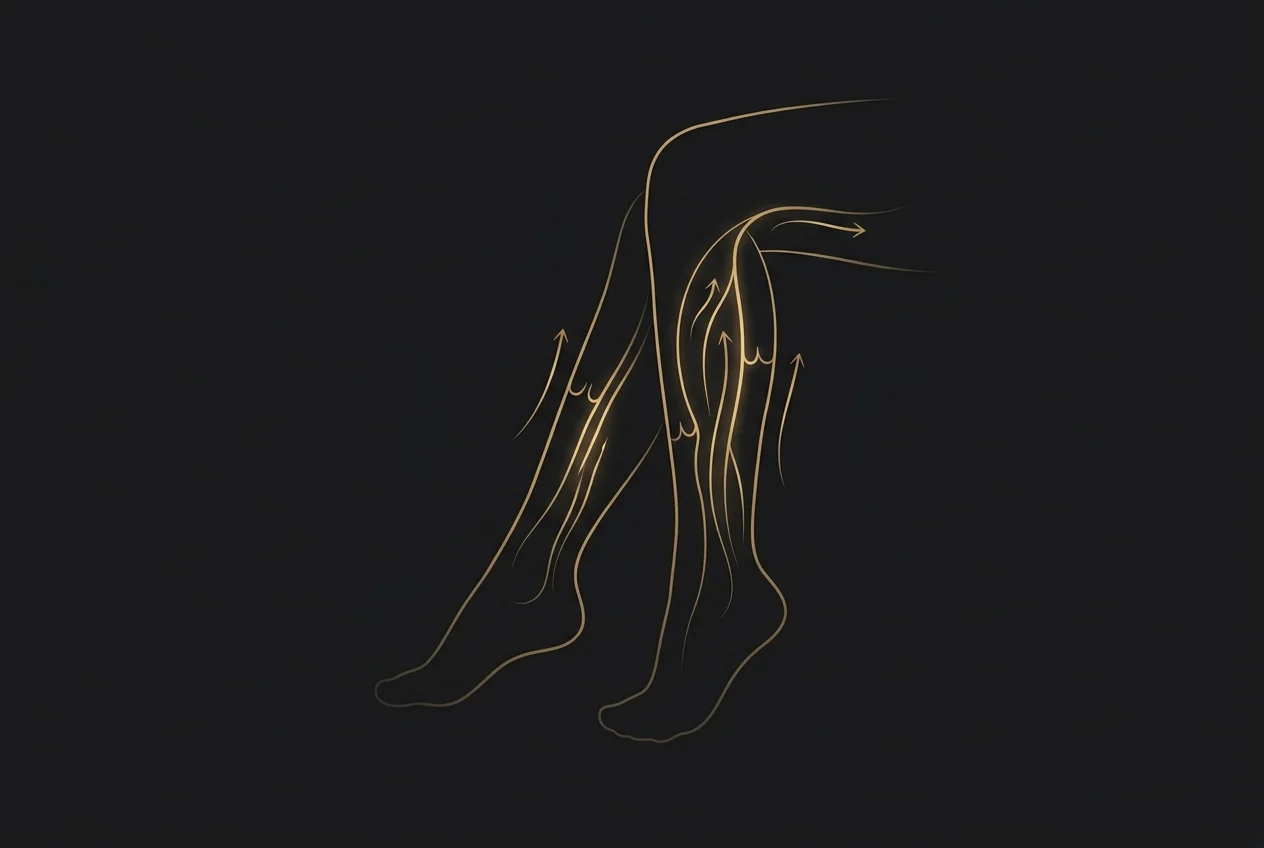
Chronic venous insufficiency (CVI) is a disease in which the veins of the legs have difficulty returning blood to the heart. Normally, the veins have valves that prevent blood from flowing backwards due to gravity. When these valves stop working correctly or the venous wall loses elasticity, blood accumulates in the legs, increasing the pressure inside the veins.
Over time, varicose veins, swelling of the legs, changes in the skin and venous ulcers in the most advanced cases can appear. Chronic venous insufficiency is a progressive disease, but early diagnosis and treatment help to slow its evolution and improve quality of life.
Why does it appear?
Its origin is usually multifactorial. The main risk factors are:
- Family history.
- Age.
- Female sex.
- Pregnancy.
- Obesity.
- Standing or sitting for many hours.
- Sedentary lifestyle.
- Previous deep vein thrombosis.
- Hormonal changes.
- Lack of physical exercise.
Genetic predisposition plays a very important role.
What are the symptoms?
The symptoms usually worsen at the end of the day or after standing for a long time. The most frequent are:
- Sensation of heaviness.
- Tiredness in the legs.
- Pain.
- Swelling of the ankles.
- Night cramps.
- Itching.
- Sensation of heat or burning.
- Tingling.
- Visible varicose veins.
In the initial phases the symptoms can be mild and intermittent.
What changes can appear on the skin?
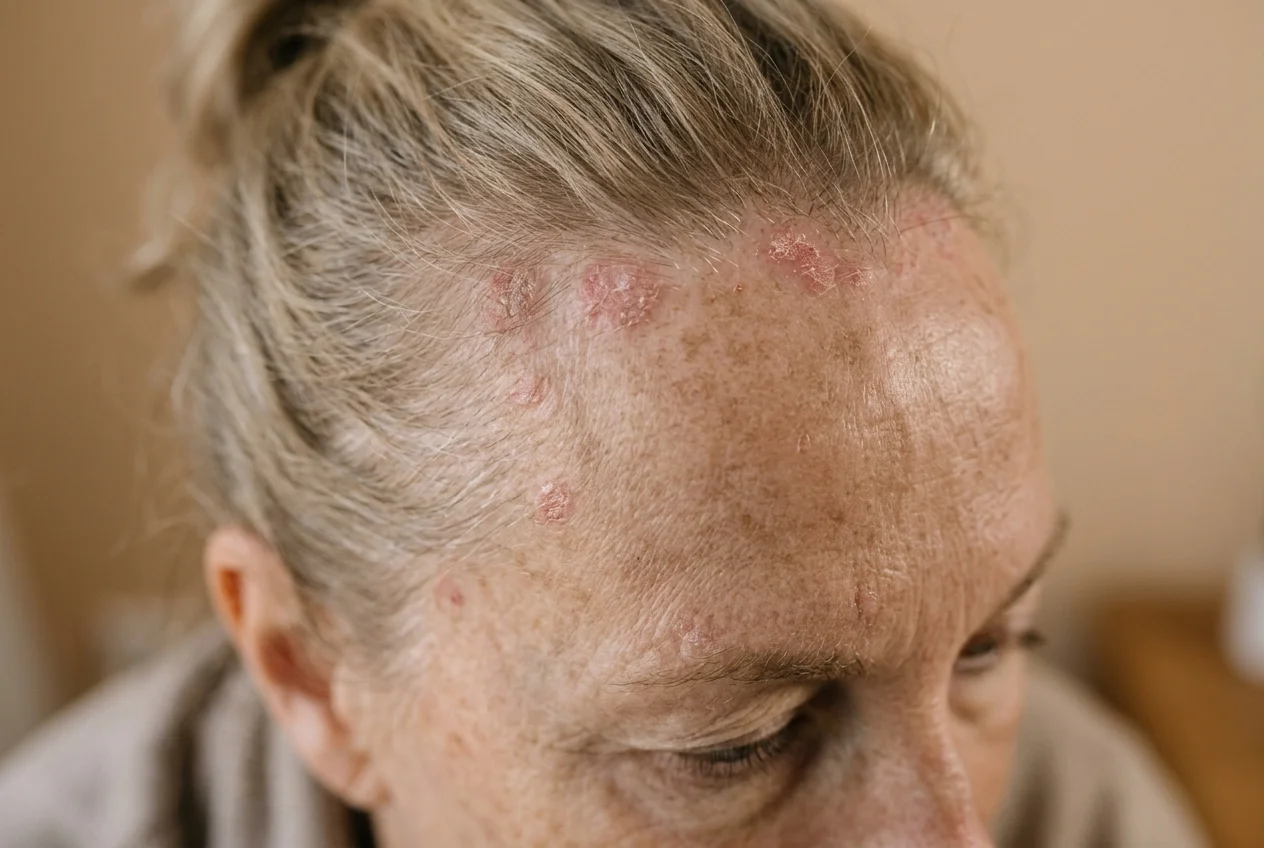
When the disease progresses, skin alterations can develop, such as:
- Brown colouring of the skin (haemosiderin deposit).
- Venous stasis dermatitis.
- Intense dryness.
- Persistent itching.
- Hardening of the skin and subcutaneous tissue (lipodermatosclerosis).
- White atrophy.
- Venous ulcers.
These lesions appear most frequently around the ankles.
How is the diagnosis made?
The diagnosis combines the clinical history, the physical examination and imaging tests. The doctor will assess the symptoms, personal and family history, the presence of oedema, varicose veins, skin changes and arterial pulses.
Venous Doppler ultrasound. Doppler ultrasound is the fundamental test. It makes it possible to know the functioning of the venous valves, the direction of the blood flow, the presence of venous reflux, the existence of thrombosis and which veins are affected. It is essential before considering many treatments.
What treatments exist?
Treatment will depend on the severity and the affected veins.
General measures. They are the basis of treatment: walk daily, practise physical exercise, maintain a healthy weight, avoid remaining immobile for many hours, elevate the legs several times a day and sleep with a slight elevation of the legs when indicated.
Compression stockings. Elastic compression improves venous return, swelling, the sensation of heaviness and the prevention of complications. They must be chosen with the appropriate size and pressure.
Pharmacological treatment. Venotonic drugs can help to relieve some symptoms, although they do not correct the problem of the venous valves. Their indication must be individualised.
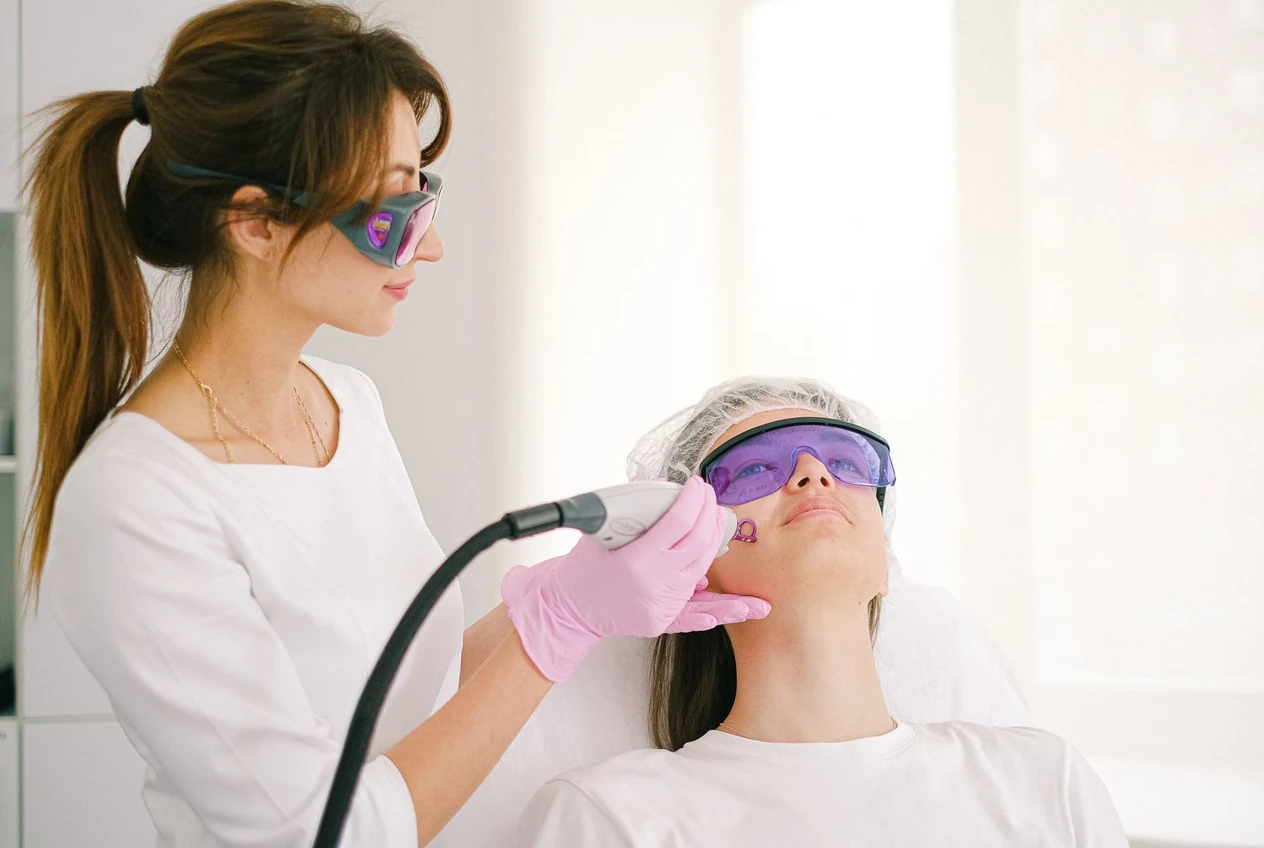
Interventional treatments. When there is significant venous reflux, treatments such as sclerotherapy, foam sclerotherapy, endovenous laser, endovenous radiofrequency, venous adhesive (cyanoacrylate) in selected cases and venous surgery when indicated can be recommended. The choice depends on the Doppler study and the characteristics of each patient.
Treatment of venous ulcers. Ulcers require a specific treatment that includes local wound care, therapeutic compression, treatment of the venous insufficiency and prevention of infections when necessary.
What can you do in your daily life?
Walk at least 30 minutes a day, move your ankles if you remain seated for a long time, avoid being overweight, do not stand for many hours without walking, avoid prolonged intense heat, wear clothing that does not compress the legs excessively, moisturise the skin daily and wear compression stockings when indicated.
When should you consult?
Request a medical evaluation if you present persistent swelling, increasingly visible varicose veins, changes in skin colour, intense itching, significant pain, the appearance of wounds on the ankles or progressive hardening of the skin.
You must go to an emergency service if there appears a sudden swelling of a single leg, sudden intense pain, difficulty breathing or chest pain, since it could be a deep vein thrombosis or a pulmonary embolism.
Myths and facts
- Myth: Varicose veins and venous insufficiency are exactly the same. Fact: Varicose veins are a manifestation of venous insufficiency, but the disease can exist even before visible varicose veins appear.
- Myth: Compression stockings cure the disease. Fact: They do not cure it, but they improve the symptoms and help to slow its progression.
- Myth: Only older people have venous insufficiency. Fact: It can appear in young adults, especially if there is a genetic predisposition or risk factors.
- Myth: Crossing the legs causes venous insufficiency. Fact: There is no scientific evidence that it is a direct cause.
- Myth: Once the diseased veins are treated, problems will never appear again. Fact: Treatment eliminates the affected veins, but the predisposition remains and new insufficient veins can develop over time.
The essential points to remember
- Chronic venous insufficiency occurs when the veins have difficulty returning blood to the heart.
- It can cause heaviness, oedema, varicose veins and changes in the skin.
- Doppler ultrasound is the most important test for the diagnosis.
- Compression stockings, exercise and weight control are fundamental pillars of treatment.
- There are very effective minimally invasive treatments to correct venous reflux.
- Early treatment reduces the risk of complications such as stasis dermatitis and venous ulcers.
Frequently asked questions
Does venous insufficiency have a cure?
It is a chronic disease, but there are currently very effective treatments to control the symptoms and prevent complications.
Does exercise help?
Yes. Walking, swimming and cycling favour venous return.
Can I do sports?
Yes. Regular physical activity is a fundamental part of treatment.
Must the stockings be used all year?
It depends on each case and on the specialist's recommendations.
Can it produce ulcers?
Yes. In advanced phases it can cause venous ulcers, especially around the ankles.
Does pregnancy worsen the disease?
Yes. Pregnancy increases venous pressure and favours the appearance or progression of venous insufficiency.
Does heat worsen the symptoms?
Yes. High temperatures favour the dilation of the veins and increase the sensation of heaviness.
Does diet have an influence?
Maintaining a healthy weight helps to decrease the pressure on the venous system.
Who treats this disease?
Mainly specialists in Angiology and Vascular Surgery. Doctors specialised in skin health also participate in the management of skin complications, such as stasis dermatitis or venous ulcers.
Does it have a good prognosis?
Yes. With appropriate treatment and healthy habits, most patients manage to control the symptoms and maintain a good quality of life.
Need personalised guidance?
This guide is for information only and does not replace a medical consultation. For an assessment tailored to your case, you may request a consultation.
Request a consultation