Chilblains (perniosis)
Skin lesions caused by cold and humidity
Perniosis or chilblains is an inflammation of the small blood vessels caused by cold and humidity. Learn its symptoms, risk factors, treatment and when it is important to rule out associated diseases.
What are chilblains?
Chilblains, also known as perniosis, are an inflammatory reaction of the small blood vessels of the skin caused by exposure to cold and humidity. They appear when the skin is exposed to cold temperatures, but not low enough to produce freezing (frostbite).
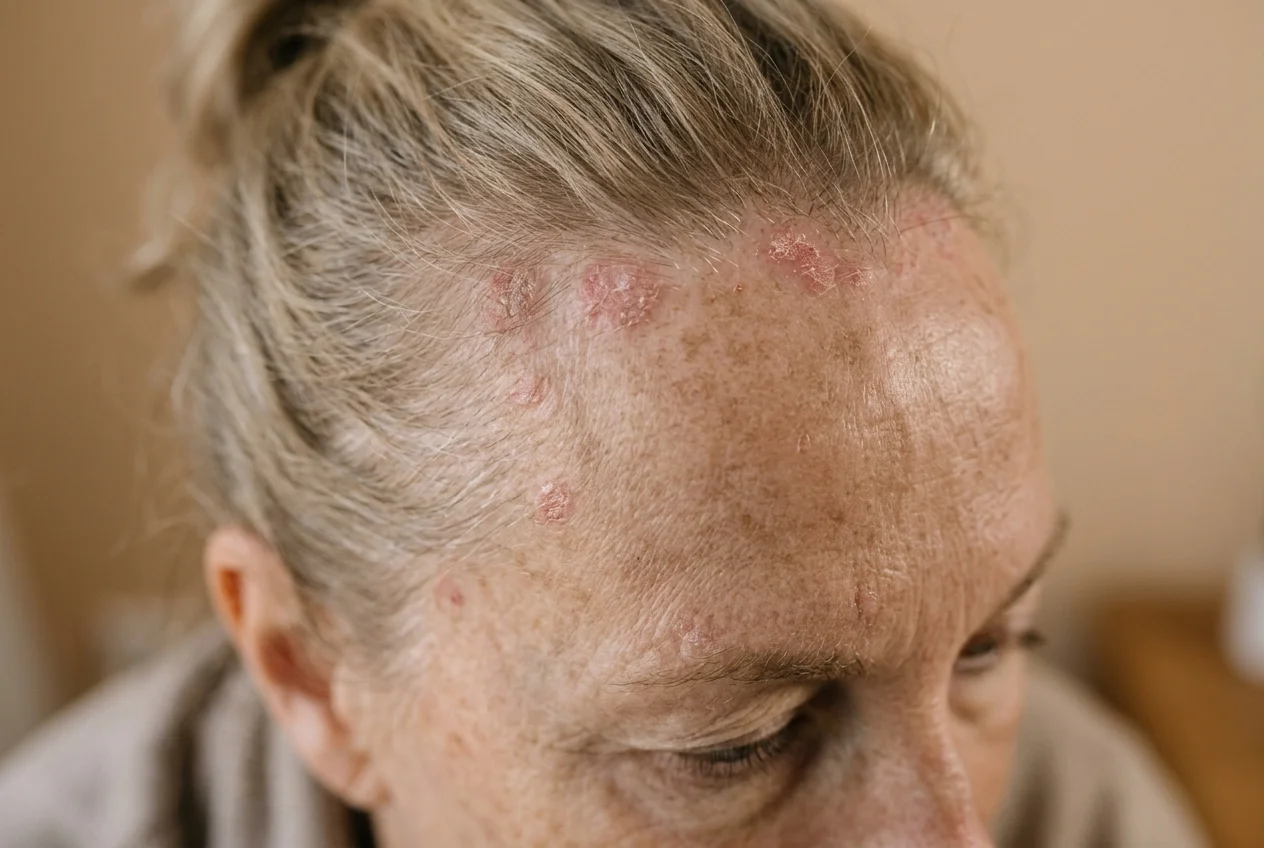
They are characterised by the appearance of reddish or purplish lesions, painful or with intense itching, mainly on the toes, the fingers, the heels, the ears and the nose. Most cases are benign and disappear with warmth and protection measures, although some people present relapses every winter.
Why do they appear?
When the skin is exposed to cold, the small blood vessels contract to conserve body heat. In some people, when warming up again, these vessels react in an exaggerated way, producing inflammation and leakage of fluid into the tissues, which gives rise to chilblains.
The factors that increase the risk include:
- Cold temperatures and humid environment.
- Sudden changes in temperature.
- Poor peripheral circulation.
- Low body weight.
- Smoking.
- Remaining in wet clothing or footwear.
- Individual predisposition.
Occasionally, perniosis can be associated with autoimmune diseases, especially when it appears persistently or outside the cold season.
What are the symptoms?
The lesions usually appear between 12 and 48 hours after exposure to cold. The most frequent symptoms are:
- Reddish or purplish plaques or nodules.
- Intense itching.
- Pain or burning sensation.
- Inflammation of the fingers.
- Sensitivity to touch.
- Swelling.
- Sensation of heat when rewarming the area.
In more intense cases, blisters, small ulcers, cracks and secondary superinfection can appear.
How is the diagnosis made?
The diagnosis is usually based on the clinical history, the appearance of lesions during winter and the physical examination. The doctor will assess the location, the appearance of the lesions, the exposure to cold, previous episodes and the presence of associated diseases.
Are tests necessary?
In most patients, no. However, when the chilblains are very intense, persistent, recurrent all year round or appear in adults without clear exposure to cold, it may be necessary to perform blood tests to rule out diseases such as erythematosus lupus, antiphospholipid syndrome, cryoglobulinaemia or other autoimmune or haematological diseases.
In selected cases a skin biopsy may be necessary.
What treatments exist?
General measures. They are the most important treatment. It is recommended to avoid exposure to cold, keep the extremities warm, use thermal gloves and socks, avoid humidity, quickly change wet clothing and warm the skin progressively, avoiding sources of direct intense heat.
Topical treatment. In some patients, topical corticosteroids can be used for a few days to decrease inflammation and itching, as well as moisturising creams to repair the skin barrier.
Oral treatment. In patients with intense or repeated episodes, nifedipine, which improves peripheral circulation and can reduce the duration and intensity of the flare-ups, or other vasodilators in selected situations can be considered. These treatments must always be prescribed by a doctor.
What can you do in your daily life?
Keep your hands and feet warm, wear several layers of clothing in winter, avoid tobacco, do not walk with wet feet, carefully dry your feet after showering, moisturise the skin daily and avoid scratching to decrease the risk of infection.
When should you consult?
You should consult a doctor if the lesions appear every winter, if they are very painful, if they ulcerate, if they present pus, if they persist for more than three weeks after the cold disappears, if they appear during the summer or without exposure to cold, or if they are accompanied by other general symptoms, such as fever, weight loss or joint pain.
Myths and facts
- Myth: Chilblains are frostbite. Fact: No. They are an inflammatory reaction to cold, different from frostbite.
- Myth: You have to bring the skin directly close to a stove or very hot water. Fact: No. The warming must be progressive to avoid worsening the lesion.
- Myth: They only appear in older people. Fact: They are more frequent in children, adolescents and young adults, especially during winter.
- Myth: Chilblains always indicate a serious circulation problem. Fact: Most are benign and are related only to cold.
- Myth: If they appear once, they will always come back. Fact: Many people present recurrences, but good prevention considerably reduces the risk.
The essential points to remember
- Perniosis or chilblains is an inflammatory reaction caused by cold and humidity.
- It produces reddish or purplish lesions with itching, pain and inflammation.
- It mainly affects the fingers of the hands and feet.
- The best prevention consists of protecting the extremities from cold and humidity.
- In persistent or atypical cases it may be necessary to rule out autoimmune diseases.
- Most patients present a favourable evolution with protection measures and appropriate treatment.
Frequently asked questions
Are they contagious?
No.
How long do they last?
Usually between one and three weeks.
Can they leave a scar?
Normally not, unless deep ulcers or infection appear.
Can children have chilblains?
Yes. They are relatively frequent in childhood and adolescence.
Should I have tests?
Only when the doctor suspects an associated disease or the picture is atypical.
Can I do sports?
Yes, as long as you maintain adequate protection against cold.
Does tobacco have an influence?
Yes. Smoking worsens peripheral circulation and increases the risk of perniosis.
Does stress produce chilblains?
Not directly, although some associated diseases can be influenced by stress.
Can blisters appear?
Yes, in the most intense cases.
Does it have a good prognosis?
Yes. Most episodes disappear completely without leaving sequelae when exposure to cold is avoided.
Need personalised guidance?
This guide is for information only and does not replace a medical consultation. For an assessment tailored to your case, you may request a consultation.
Request a consultation