Raynaud's phenomenon
When the fingers change colour with cold or stress
Raynaud's phenomenon causes episodes of colour changes, cold and pain in the fingers due to an exaggerated vasoconstriction. Discover how to recognise it, differentiate its types and what treatments are available.
What is Raynaud's phenomenon?
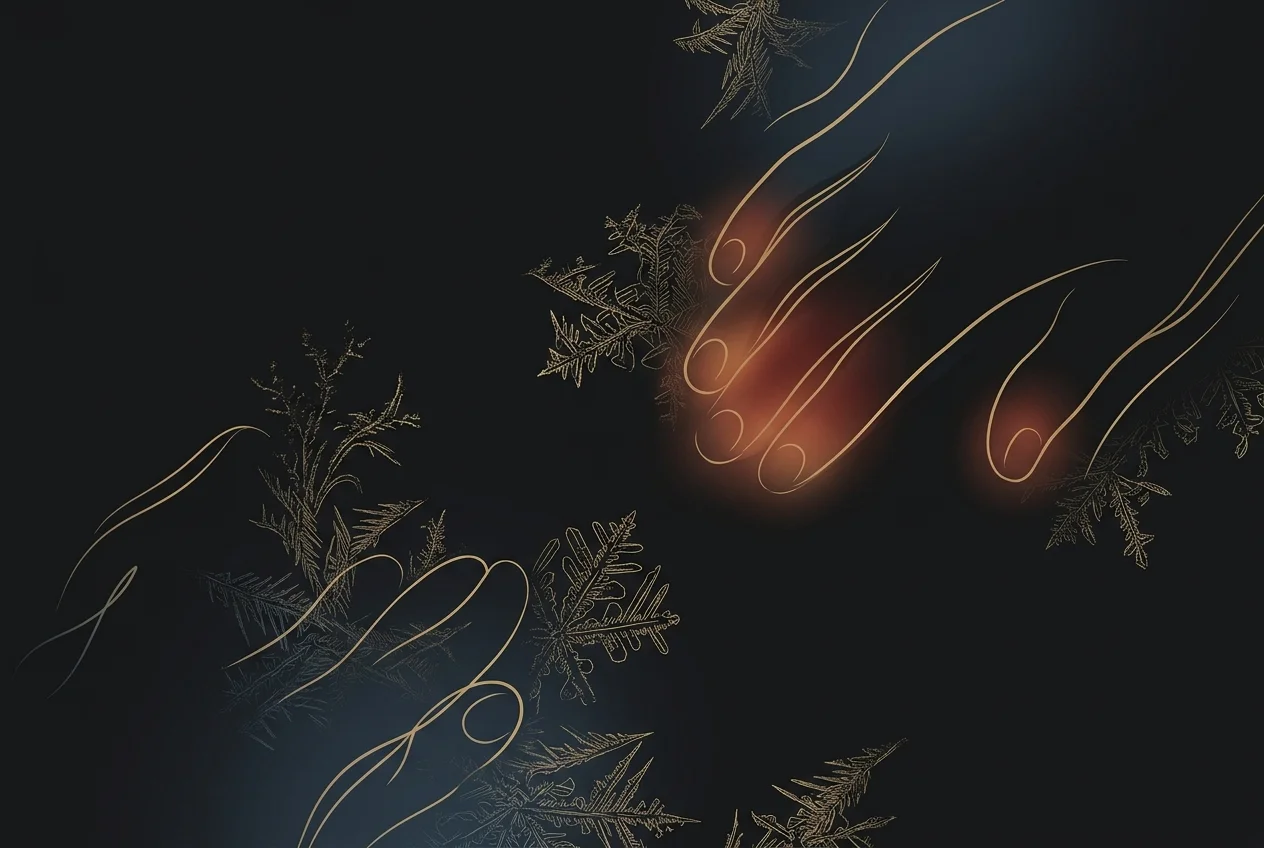
Raynaud's phenomenon is a circulation disorder in which the small blood vessels of the fingers of the hands and, less frequently, of the feet, contract in an exaggerated way in response to cold or emotional stress. This transient decrease in blood flow causes characteristic changes in the colour of the fingers and can be accompanied by pain, tingling or numbness.
There are two main forms: primary Raynaud's phenomenon, which appears without an associated disease and usually has a benign course, and secondary Raynaud's phenomenon, which is related to other diseases, especially autoimmune diseases, and can be more serious.
Why does it appear?
During exposure to cold, it is normal for the blood vessels to contract to conserve body heat. In people with Raynaud's phenomenon, this response is much more intense, temporarily reducing the blood flow to the fingers. In primary Raynaud's there is no identifiable cause.
In secondary Raynaud's, it can be associated with:
- Systemic sclerosis.
- Systemic lupus erythematosus.
- Sjögren's syndrome.
- Dermatomyositis.
- Mixed connective tissue disease.
- Rheumatoid arthritis.
- Vasculitis.
It can also appear due to repeated vibrations (industrial tools), some medications, smoking or repeated trauma.
What are the symptoms?
The episodes usually affect several fingers symmetrically. During a crisis, three classic phases can be observed:
- White (paleness): the blood flow decreases.
- Blue (cyanosis): lack of oxygen in the tissues.
- Red (flushing): the circulation is restored.
Not everyone presents the three phases. In addition, coldness in the fingers, tingling, numbness, pain and a pulsatile sensation when recovering circulation can appear. The episodes usually last from a few minutes to about half an hour.
How is the diagnosis made?
The diagnosis is based on the clinical history and the physical examination. The doctor will assess the age of onset, the frequency of the episodes, the triggering factors, the distribution of the lesions, the existence of autoimmune diseases and the presence of ulcers or skin lesions.
Periungual capillaroscopy. Capillaroscopy makes it possible to study the small blood vessels located around the nails. It is a simple, painless and very useful test to differentiate a primary Raynaud's from a secondary one.
Blood tests. When an associated disease is suspected, antinuclear antibodies (ANA), ENA, anticentromere, anti-Scl-70 and other immunological studies can be requested according to each case.
What treatments exist?
Treatment depends on the type of Raynaud's and its severity.
General measures. They are fundamental: avoid cold, use thermal gloves, cover the whole body well, avoid sudden changes in temperature, do not smoke, control stress and exercise regularly.
Pharmacological treatment. When the symptoms are significant, calcium antagonists, such as nifedipine or amlodipine, phosphodiesterase type 5 inhibitors in selected cases, intravenous iloprost in serious situations and other vasodilators according to each patient can be used. In secondary Raynaud's, it is also essential to treat the responsible disease.
What complications can appear?
In primary Raynaud's, complications are very infrequent. In secondary Raynaud's, painful ulcers on the fingers, infections, delayed healing and necrosis or gangrene in very exceptional cases can appear. These situations require urgent medical evaluation.
What can you do in your daily life?
Use gloves even to take food out of the freezer, keep your feet and hands warm, avoid smoking, reduce excessive caffeine consumption if it worsens the symptoms, learn stress management techniques, warm your hands progressively if an episode begins and avoid tools that transmit vibrations for prolonged periods.
When should you consult?
You should consult a doctor if the symptoms appear for the first time in adulthood, if they only affect one hand or a few fingers, if the episodes are very intense, if ulcers appear, if there is persistent pain, if you present hardening of the skin or if you have joint pain, fever or other general symptoms. These situations may suggest a secondary Raynaud's phenomenon.
Myths and facts
- Myth: All people with Raynaud's have an autoimmune disease. Fact: Most present a primary Raynaud's, without an associated disease.
- Myth: Raynaud's phenomenon only appears in winter. Fact: It can also be triggered by emotional stress or by air-conditioned environments.
- Myth: It is a contagious disease. Fact: No.
- Myth: Moving the hands is useless. Fact: Gentle movements and progressive warming can help to restore circulation.
- Myth: If the fingers change colour once, it always means Raynaud's. Fact: There are other vascular and skin diseases that can also produce colour changes.
The essential points to remember
- Raynaud's phenomenon consists of an exaggerated contraction of the small blood vessels in the face of cold or stress.
- It produces colour changes in the fingers, accompanied by cold, tingling and pain.
- There are primary (benign) and secondary (associated with other diseases) forms.
- Capillaroscopy is a very useful test to guide the diagnosis.
- Protection against cold and quitting tobacco are fundamental pillars of treatment.
- The appearance of ulcers, intense pain or general symptoms requires a medical evaluation.
Frequently asked questions
Does Raynaud's phenomenon have a cure?
Primary Raynaud's is not usually cured, but it can be controlled very well with preventive measures and, when necessary, medical treatment.
Is it dangerous?
Primary Raynaud's is usually benign. The secondary one may require closer monitoring.
Can it affect the feet?
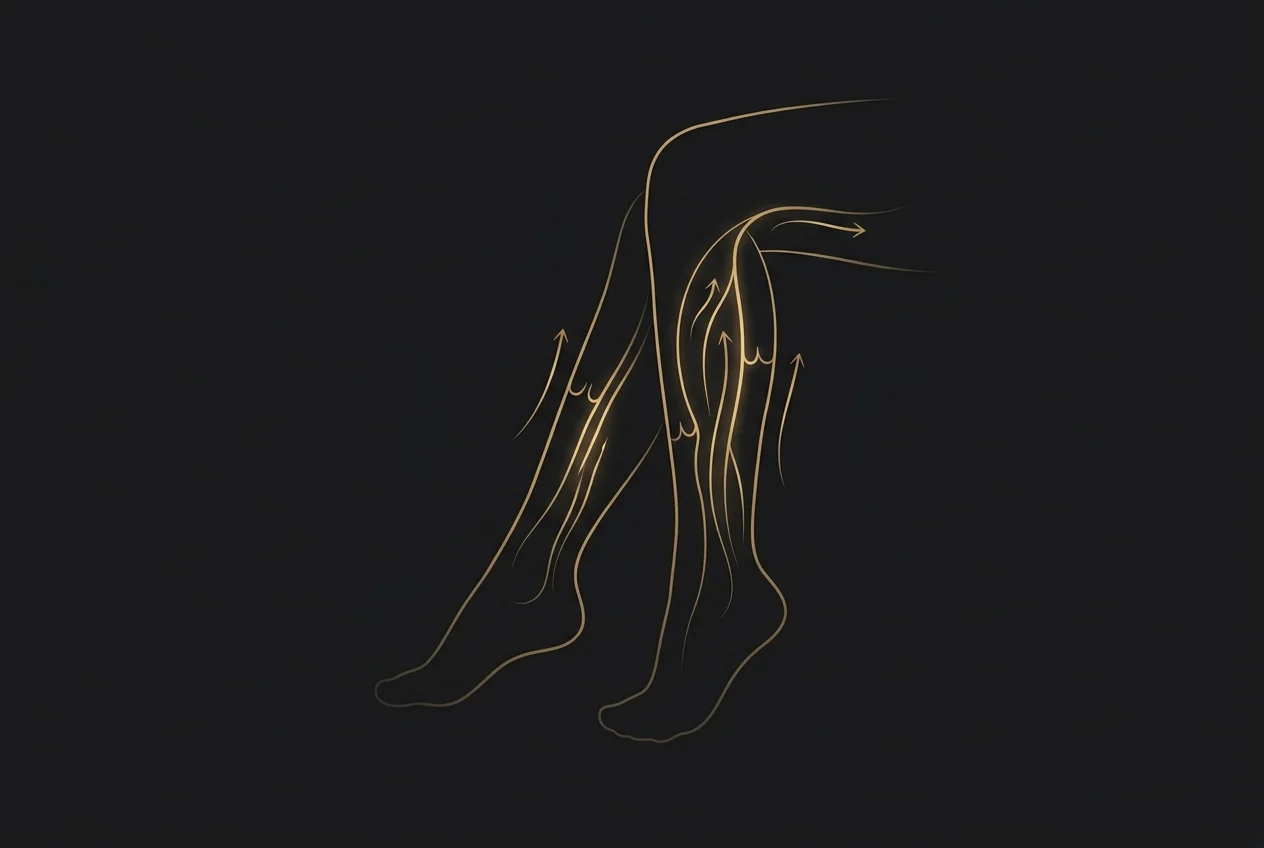
Yes. Although the hands are the most frequent location, it can also affect the toes.
Can stress trigger an episode?
Yes. It is one of the most usual triggers along with cold.
Must I stop doing sports?
No. Regular physical exercise is usually beneficial.
Does capillaroscopy hurt?
No. It is a completely painless test.
Does smoking worsen Raynaud's?
Yes. Nicotine favours vasoconstriction and increases the frequency of the crises.
Do all patients need medication?
No. Many patients with primary Raynaud's control their symptoms only with cold protection measures.
Can it appear in children?
Yes, especially primary Raynaud's.
Does it have a good prognosis?
Yes. Primary Raynaud's phenomenon usually has an excellent prognosis. The prognosis of the secondary one will depend on the associated disease.
Need personalised guidance?
This guide is for information only and does not replace a medical consultation. For an assessment tailored to your case, you may request a consultation.
Request a consultation