Behçet's disease
Chronic inflammatory disease that can affect multiple organs

Behçet's disease is a chronic inflammatory disease that can affect the mouth, the skin, the eyes, the blood vessels and other organs. Discover its symptoms, diagnosis, treatment and the importance of specialised follow-up.
What is Behçet's disease?
Behçet's disease is a chronic, multisystem inflammatory disease of autoimmune or autoinflammatory origin, characterised by repeated episodes of inflammation that can affect different organs of the body.
The most frequent manifestations appear in the mouth, the genitals, the skin and the eyes. However, it can also affect the joints, the blood vessels, the nervous system and the digestive tract. The disease evolves in the form of flare-ups and periods of improvement. It is not a contagious disease.
Why does it appear?
The exact cause is still not known. It is considered a multifactorial disease in which the following are involved:
- Genetic predisposition (especially the HLA-B51 allele).
- Alterations of the immune system.
- Environmental factors.
- Possible infectious triggers in predisposed people.
The disease is more frequent in the countries located along the ancient Silk Road, such as Turkey, the Middle East and some regions of Asia.
What are the symptoms?
The symptoms can vary greatly from one person to another. The most usual manifestations are:
Oral aphthae. They are the most frequent sign. They are characterised by painful ulcers, repeated appearance and spontaneous healing in one or two weeks.
Genital ulcers. Painful, deeper than oral aphthae and usually leaving a scar.
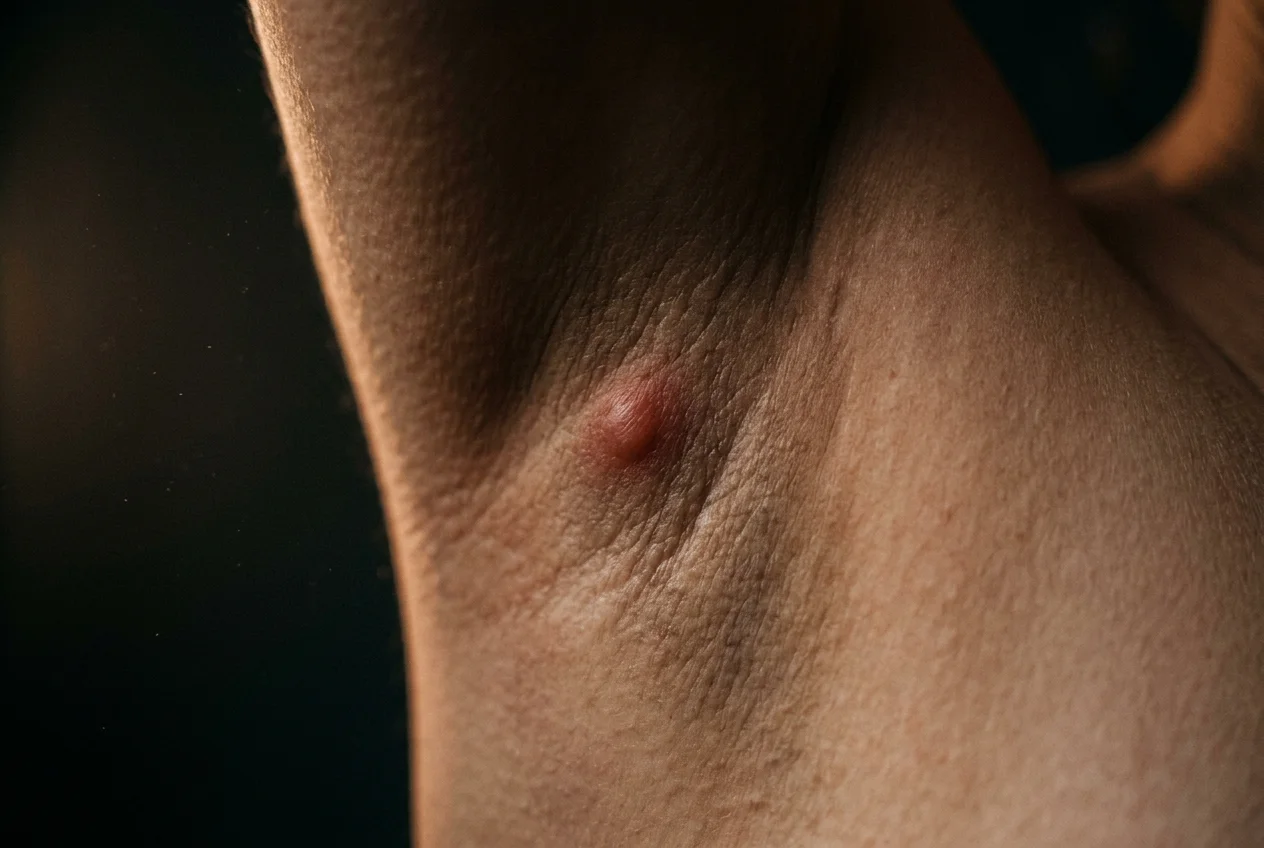
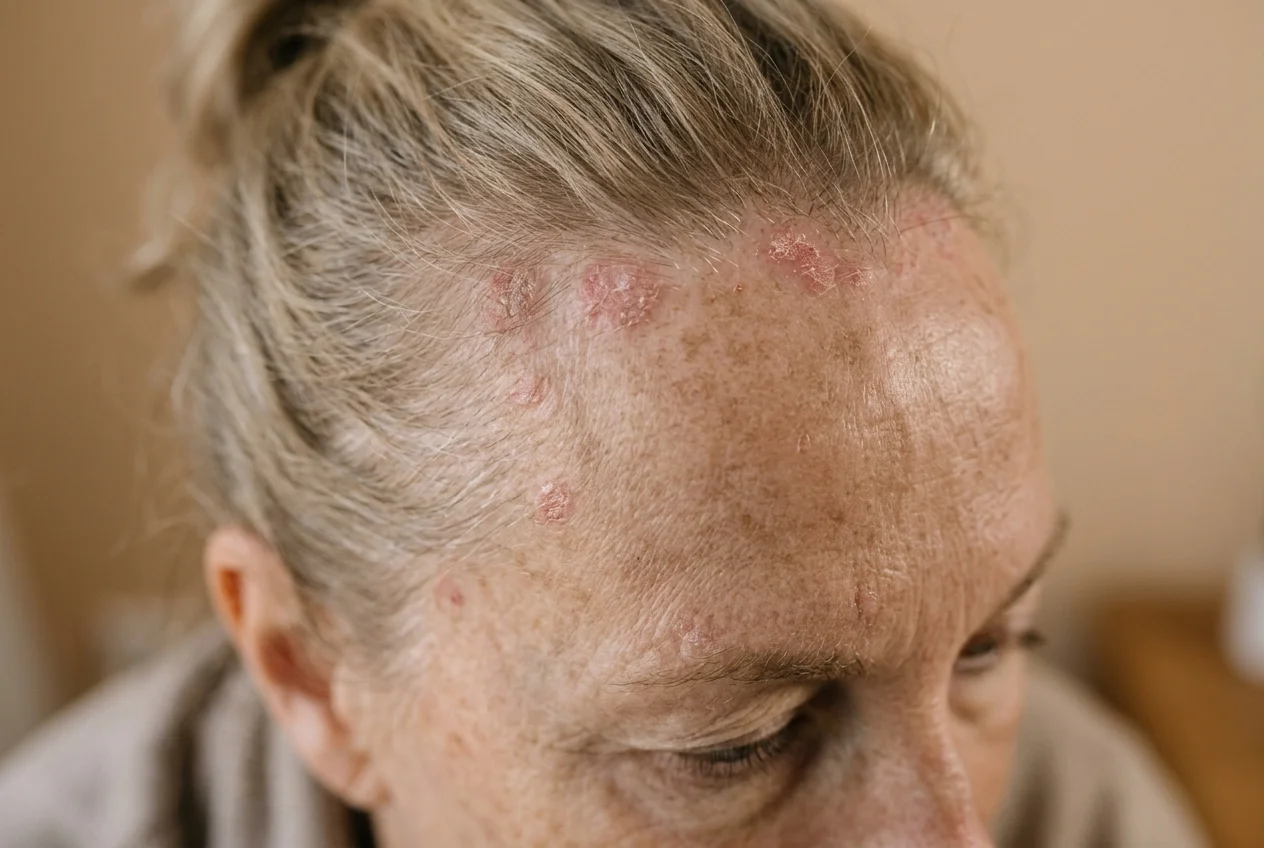
Skin lesions. Erythema nodosum, acne-like lesions, folliculitis, pustules, ulcers and the pathergy phenomenon may appear.
Eye involvement. It can manifest as anterior uveitis, posterior uveitis and retinal vasculitis. Eye involvement requires urgent treatment, since it can compromise vision.
Other manifestations. Joint pain and inflammation, venous thromboses, arterial aneurysms, abdominal pain, diarrhoea, headache and neurological disorders may also appear.
How is the diagnosis made?
There is no single test that confirms the disease. The diagnosis is based on the clinical history, the physical examination, the repetition of the characteristic manifestations and the exclusion of other diseases.
Pathergy test. In some patients the pathergy test can be performed, which consists of gently pricking the skin with a sterile needle. The appearance of a small inflammatory lesion at the puncture point supports the diagnosis, although not all patients present a positive test.
Other tests. Depending on the symptoms, a complete blood work, immunological studies, ophthalmological examination, magnetic resonance imaging, CT or CT angiography, vascular Doppler ultrasound and digestive endoscopy when indicated may be requested.
What treatments exist?
Treatment depends on the affected organs and the severity of the disease.
Aphthae and skin lesions. Topical corticosteroids, colchicine and topical tacrolimus in selected cases can be used.
Systemic treatment. When the disease is more extensive, colchicine, oral corticosteroids, azathioprine, ciclosporin, methotrexate and mycophenolate mofetil can be used.
Biologic treatments. In moderate or severe forms, infliximab, adalimumab, interferon alfa in some cases, apremilast (especially for recurrent oral aphthae) and other biologic treatments according to the clinical involvement can be employed. The choice of treatment must always be individualised.
What can you do in your daily life?
Correctly follow the treatment, attend the periodic check-ups, consult quickly if eye discomfort appears, avoid tobacco, maintain good oral hygiene, control the factors that favour flare-ups when possible and do not stop the medication without medical indication.
When should you consult?
You should consult urgently if you present eye pain, decreased vision, intense headache, neurological deficit, chest pain, significant swelling of a leg or intense abdominal pain. You should also consult if the aphthae or genital lesions are very frequent or do not respond to treatment.
Myths and facts
- Myth: Behçet's disease only produces aphthae. Fact: It can affect numerous organs in addition to the mouth.
- Myth: It is a sexually transmitted infection. Fact: No. Genital ulcers are not contagious.
- Myth: All people develop eye problems. Fact: Eye involvement is frequent, but it does not appear in all patients.
- Myth: Recurrent aphthae always mean Behçet's disease. Fact: Most people with repeated aphthae do not have this disease.
- Myth: There is no treatment. Fact: We currently have very effective treatments to control inflammation and prevent complications.
The essential points to remember
- Behçet's disease is a chronic inflammatory disease that can affect multiple organs.
- Recurrent oral aphthae are usually the most frequent manifestation.
- Genital ulcers, skin lesions and eye involvement may also appear.
- The diagnosis is clinical and requires excluding other diseases.
- Treatment depends on the affected organs and can include colchicine, immunosuppressants and biologic treatments.
- Eye involvement constitutes a medical emergency.
- Periodic follow-up makes it possible to prevent complications and improve the prognosis.
Frequently asked questions
Does Behçet's disease have a cure?
There is currently no definitive cure, but it can be controlled very well with treatment.
Is it contagious?
No.
Is it hereditary?
Not directly, although there is a genetic predisposition.
Does it always affect the eyes?
No, but any eye symptom requires urgent evaluation.
Can it produce thrombosis?
Yes. Inflammation of the blood vessels increases the risk of thrombosis in some patients.
Will I need treatment for many years?
It depends on the severity and the affected organs. Some patients require prolonged treatment.
Can I do sports?
Yes, adapting it to the activity of the disease and following your doctor's recommendations.
Who treats this disease?
Doctors specialising in skin health, rheumatologists, internists, ophthalmologists and other specialists depending on the affected organs usually participate.
Should I attend check-ups even if I feel well?
Yes. Periodic follow-up makes it possible to detect possible complications early.
Does it have a good prognosis?
Yes. Thanks to current treatments, most patients achieve good control of the disease and maintain a good quality of life, although it requires continued medical follow-up.
Need personalised guidance?
This guide is for information only and does not replace a medical consultation. For an assessment tailored to your case, you may request a consultation.
Request a consultation