Granuloma annulare
Benign inflammatory skin disease with ring-shaped lesions
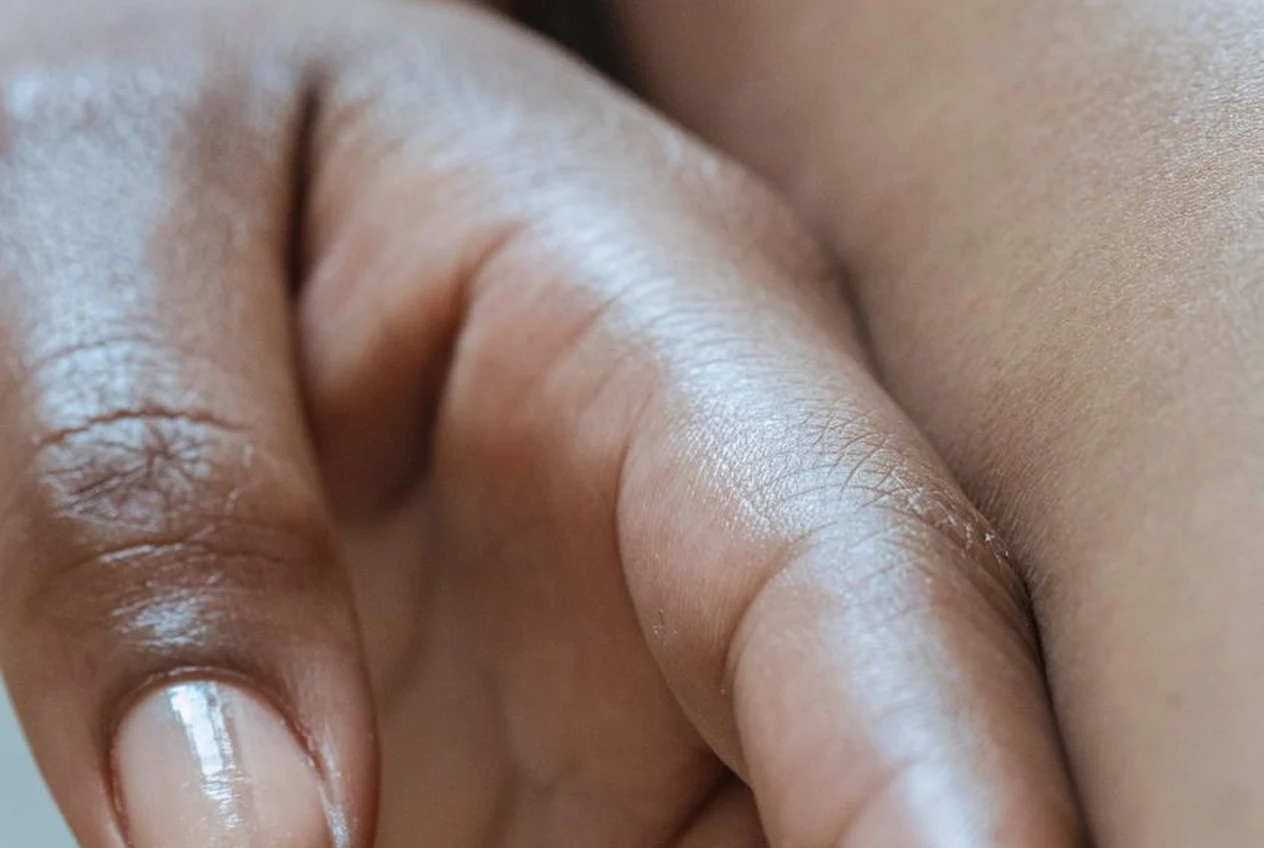
Granuloma annulare is a benign inflammatory skin disease that produces ring-shaped lesions, usually on the hands and feet. Learn its causes, diagnosis, treatment and evolution.
What is granuloma annulare?
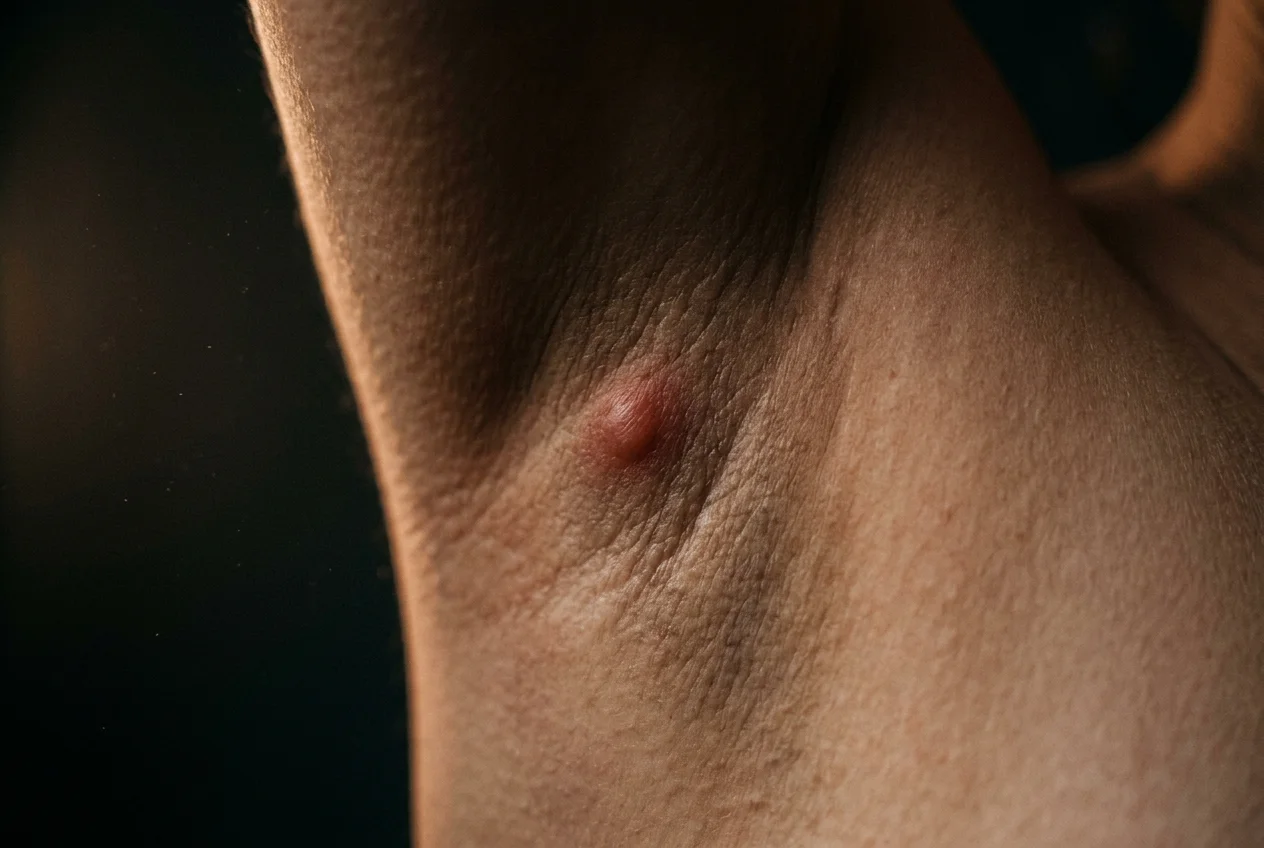
Granuloma annulare is a benign inflammatory skin disease characterised by the appearance of small papules that group together forming rings or circular plaques. It is not an infection, it is not contagious and it is not a skin cancer.
Although its appearance can be striking, it usually has a favourable evolution and, in many cases, disappears spontaneously over time. There are several clinical forms: localised granuloma annulare (the most frequent), generalised granuloma annulare, subcutaneous granuloma annulare (more usual in children) and perforating forms, which are infrequent.
Why does it appear?
The exact cause remains unknown. It is thought to be a reaction of the immune system to certain stimuli. Some triggering factors have been related, such as:
- Small trauma.
- Insect bites.
- Sun exposure.
- Some infections.
- Vaccines, exceptionally.
- Certain medications.
In some studies a higher frequency has been described in people with diabetes mellitus or alterations of lipid metabolism, especially in the generalised forms, although this association is not present in all patients.
What are the symptoms?
The typical lesion consists of small papules of the skin colour or slightly pink, with a ring-shaped arrangement, a centre of normal or slightly depressed appearance and slow growth.
The most frequent locations are the back of the hands, the fingers, the back of the feet, the ankles and the wrists.
Generally it produces neither pain nor scaling and itching is scarce or non-existent. In the generalised form, numerous lesions distributed over the trunk and the limbs may appear.
How is the diagnosis made?
In many cases the diagnosis is clinical. The doctor will assess the annular shape of the lesions, the absence of scaling, the distribution and the evolution.
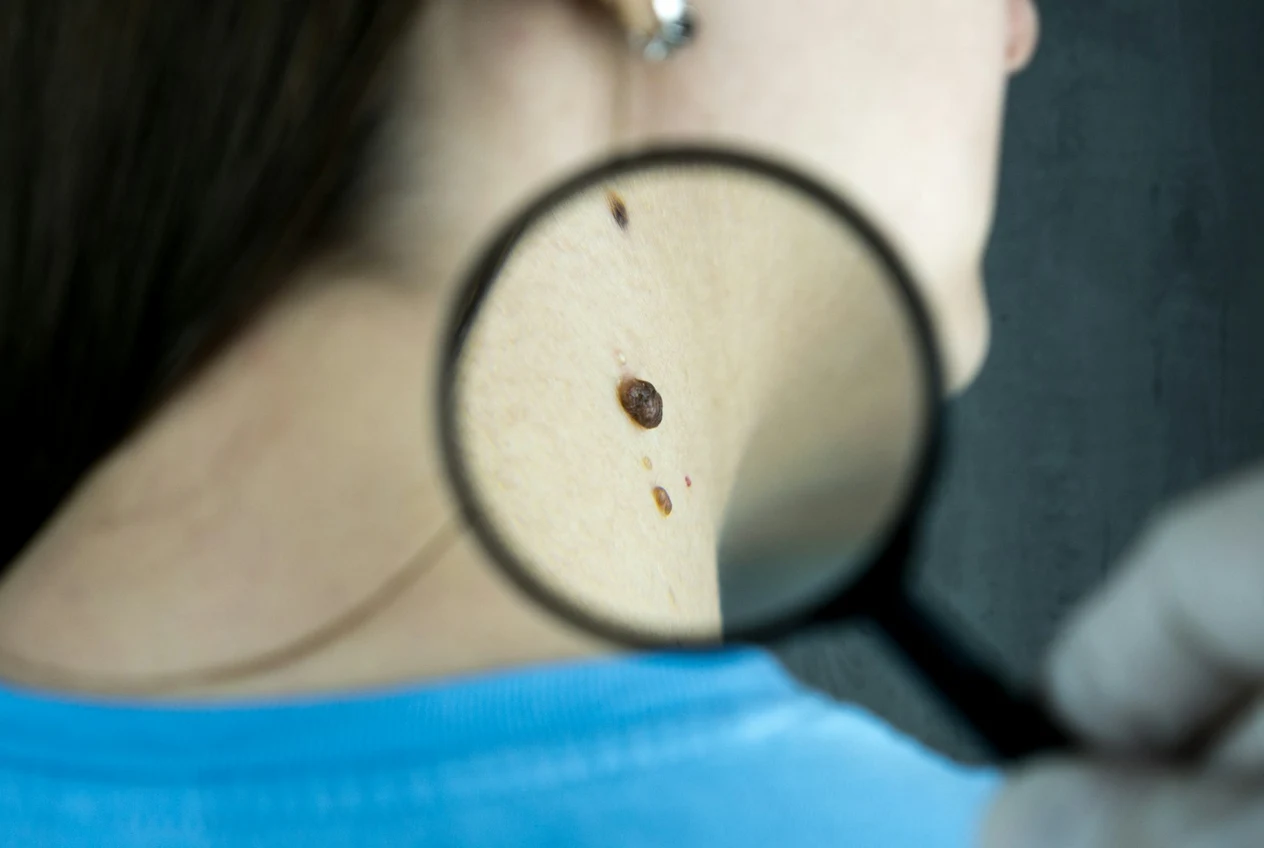
Dermatoscopy. It can help to differentiate granuloma annulare from other diseases with circular lesions.
Is a biopsy necessary? When there are diagnostic doubts, a skin biopsy can be performed. The microscopic study shows very characteristic findings that confirm the diagnosis.
With which diseases can it be confused?
Granuloma annulare can resemble other skin diseases such as:
- Body ringworm (tinea corporis).
- Erythema annulare centrifugum.
- Cutaneous sarcoidosis.
- Necrobiosis lipoidica.
- Annular lichen planus.
- Erythema migrans (Lyme disease, in specific situations).
For this reason, it is sometimes necessary to carry out complementary tests.
What treatments exist?
Not all patients need treatment. On many occasions the lesions disappear spontaneously in months or a few years.
Topical treatment. When the lesions are limited, high-potency topical corticosteroids, corticosteroids under occlusion in selected cases and tacrolimus in some patients can be used.
Infiltrations. Isolated lesions can be treated by means of intralesional corticosteroid infiltrations.
Cryotherapy. In small and localised lesions, cryotherapy can be used in selected cases.
Phototherapy. Extensive forms can benefit from PUVA or narrowband UVB.
Systemic treatment. In generalised or persistent cases, treatments such as hydroxychloroquine, methotrexate, dapsone, retinoids, apremilast and biologic drugs in exceptional and refractory cases can be considered. The choice will depend on each patient and the severity of the disease.
What can you do in your daily life?
Keep the skin moisturised, avoid repeated trauma on the lesions, do not apply aggressive home treatments, protect the skin from excess solar radiation and attend the check-ups recommended by your doctor.
When should you consult?
You should consult if ring-shaped lesions that increase progressively appear, if the lesions are numerous, if there are doubts about the diagnosis, if the treatment is not effective or if the lesions change rapidly in appearance or new symptoms appear.
Myths and facts
- Myth: Granuloma annulare is a fungus. Fact: No. It is not produced by fungi or by any infection.
- Myth: It is contagious. Fact: It cannot be transmitted to other people.
- Myth: It always needs treatment. Fact: Many cases disappear spontaneously without the need for treatment.
- Myth: It is a skin cancer. Fact: No. It is a completely benign inflammatory disease.
- Myth: The lesions always leave scars. Fact: They usually disappear without leaving permanent scars.
The essential points to remember
- Granuloma annulare is a benign inflammatory skin disease.
- It produces ring-shaped lesions, generally without scaling or pain.
- It is not contagious and is not caused by fungi.
- In many patients it disappears spontaneously.
- When necessary, there are topical treatments, infiltrations, phototherapy and systemic treatments for the extensive forms.
- The prognosis is usually excellent.
Frequently asked questions
Does granuloma annulare have a cure?
Yes. Many lesions disappear spontaneously and, when necessary, there are effective treatments to accelerate their resolution.
Can it reappear?
Yes. Some patients present recurrences months or years later.
Does it cause itching?
Usually not, although some people report mild itching.
Can children suffer from it?
Yes. It is relatively frequent in childhood and usually has a very good prognosis.
Should I have tests done?
Not always. Only when the doctor suspects an associated disease or in extensive forms.
Can it spread?
Yes. There is a generalised form that affects multiple areas of the body, although it is much less frequent.
Should I avoid doing sports?
No. Physical exercise does not usually influence the evolution of the disease.
Can it turn into a cancer?
No.
Does diet have an influence?
There is no specific diet that has been shown to modify the evolution of granuloma annulare.
Does it have a good prognosis?
Yes. It is a benign disease that in most patients evolves favourably.
Need personalised guidance?
This guide is for information only and does not replace a medical consultation. For an assessment tailored to your case, you may request a consultation.
Request a consultation