Lichen planus
Autoimmune inflammatory disease of the skin, mucous membranes and nails
Lichen planus is an autoimmune inflammatory disease that can affect the skin, the mouth, the nails and the scalp. Learn its symptoms, diagnosis, treatment and the importance of follow-up in certain forms of the disease.
What is lichen planus?
Lichen planus is a chronic inflammatory disease of autoimmune origin that can affect the skin, the mucous membranes, the nails and the scalp. It occurs when the immune system mistakenly attacks the cells of the most superficial layer of the skin, causing an inflammatory reaction.
It is not a contagious disease and cannot be transmitted by contact. In many people it disappears after months or a few years, although it can present flare-ups or relapses.
Why does it appear?
The exact cause is still not known. Various factors are thought to be involved:
- Genetic predisposition.
- Alterations of the immune system.
- Physical or emotional stress.
- Some medications (lichenoid reactions).
- Infection by the hepatitis C virus in certain populations.
- Skin trauma (Koebner phenomenon).
In most patients no concrete cause is identified.
What are the symptoms?
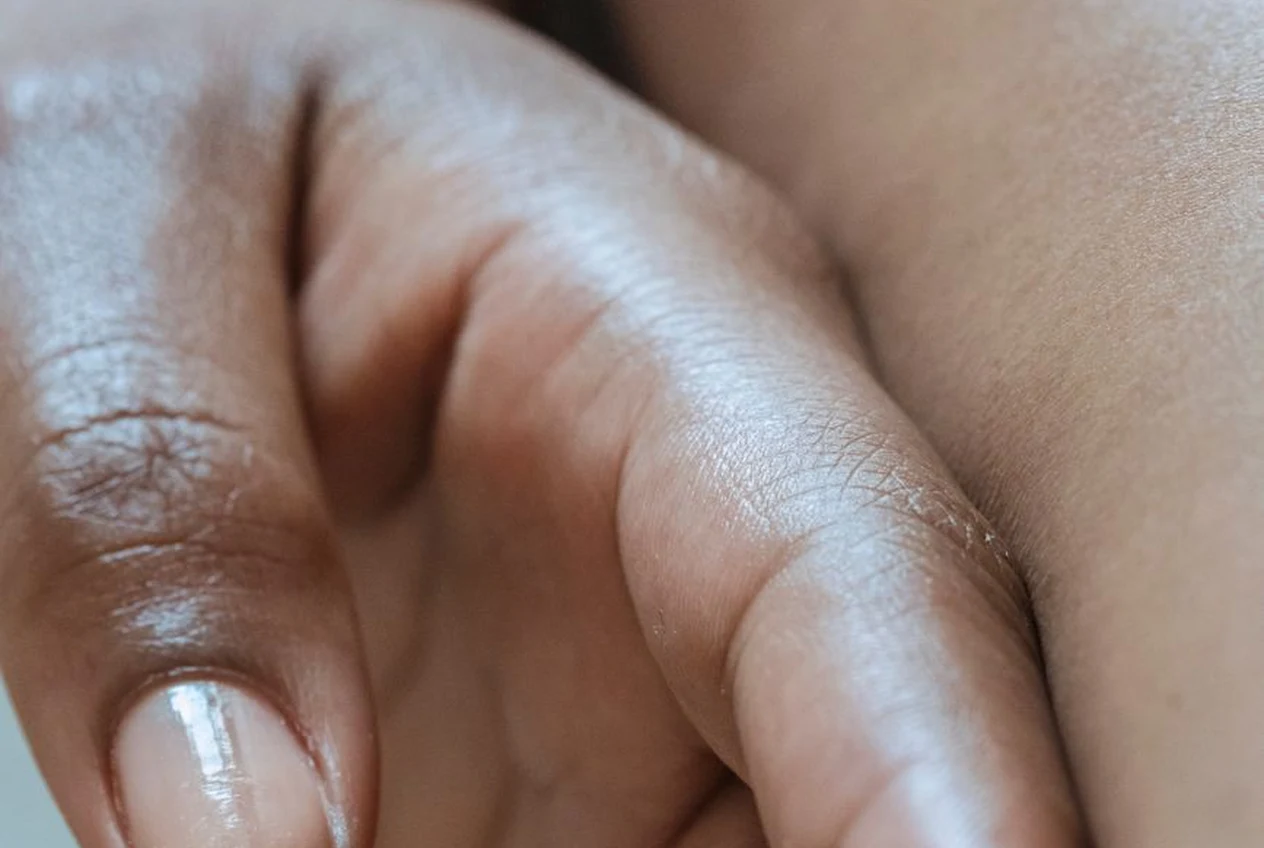
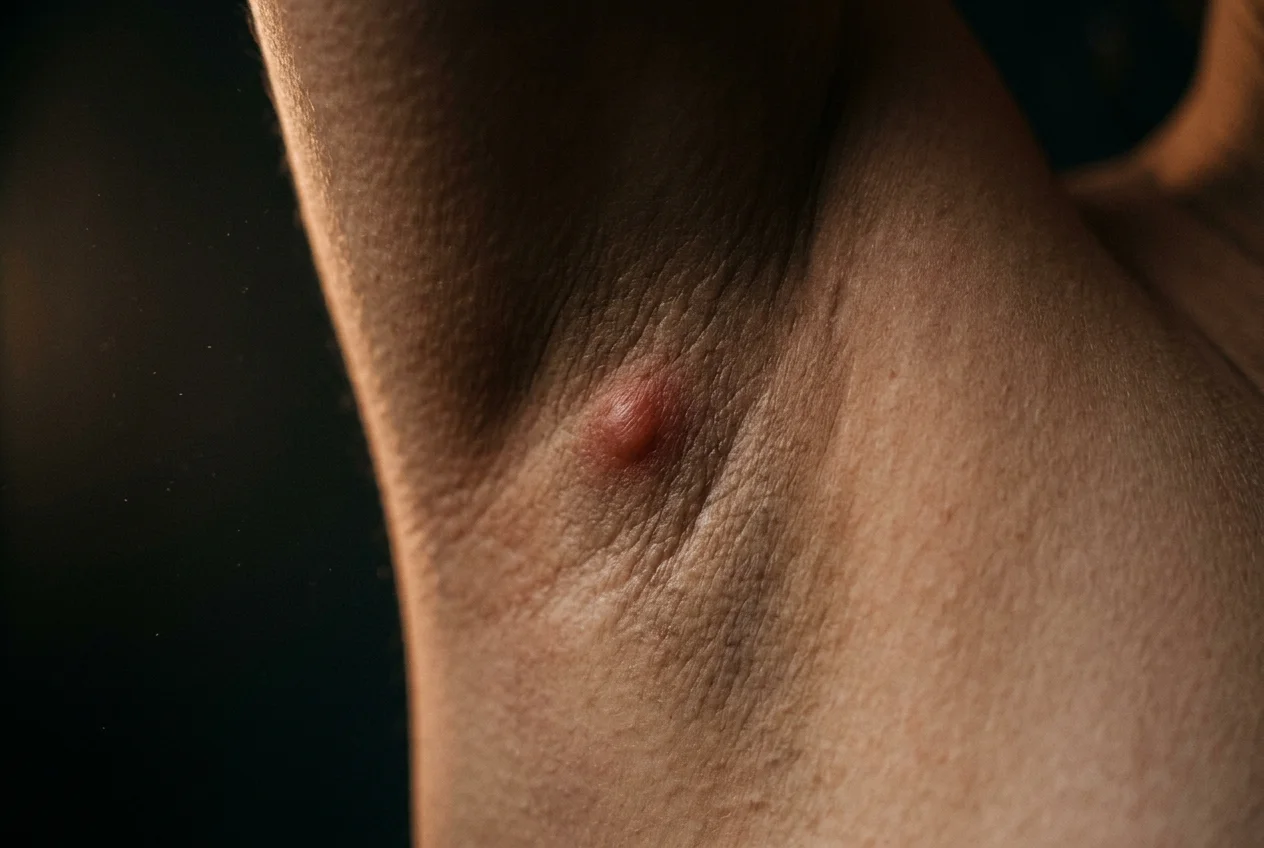
The typical lesions of cutaneous lichen planus are flat papules, violaceous in colour, with a characteristic shine, intense itching and grouped lesions. They frequently appear on the wrists, forearms, ankles and lower back.
On the surface of the lesions, fine whitish lines called Wickham striae, very characteristic, can be observed.
When it affects the mouth. It can produce reticulated white lines, burning, pain when eating acidic or spicy foods and ulcers in some cases.
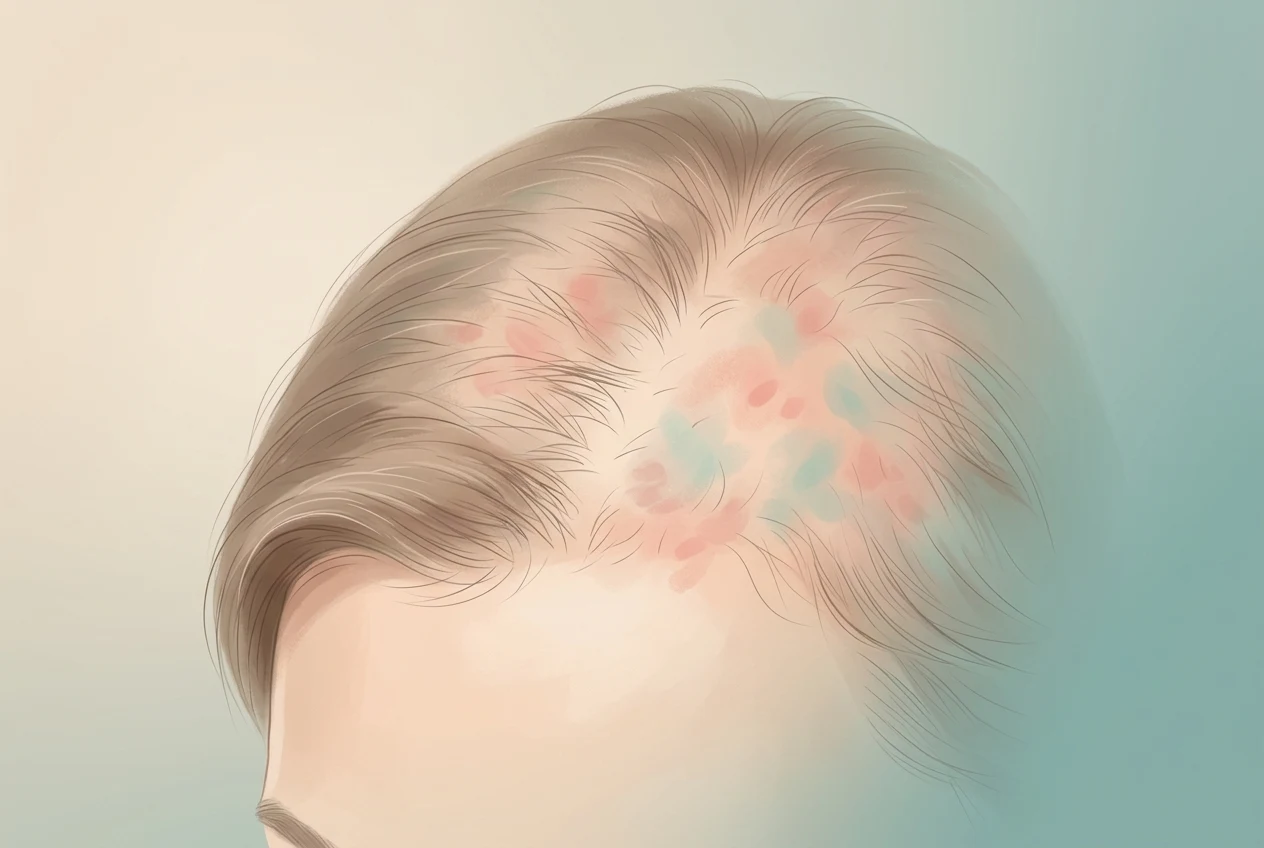
When it affects the scalp. It produces a form called lichen planopilaris, which can cause permanent scarring alopecia if not treated early.
When it affects the nails. Nail thinning, longitudinal ridges, fragility, nail deformity and permanent loss of the nail in advanced cases can appear.
How is the diagnosis made?
The diagnosis is usually based on the clinical history, the clinical skin examination and dermatoscopy.
Skin biopsy. When there is diagnostic doubt or atypical forms, a biopsy can be performed, which confirms the diagnosis through the microscopic study of the skin.
In certain patients, blood tests may also be requested to rule out associated diseases or drug reactions.
What treatments exist?
Treatment will depend on the extent, the location and the intensity of the symptoms.
Topical treatment. In localised forms, high-potency topical corticosteroids, tacrolimus, pimecrolimus and moisturising creams to relieve itching can be used. In oral lichen planus, topical corticosteroids in gel or specific rinses are usually used.
Systemic treatment. When the disease is extensive or very symptomatic, oral corticosteroids for limited periods, acitretin, methotrexate, ciclosporin, mycophenolate mofetil, hydroxychloroquine in some cases and other immunomodulators or biologic treatments in selected situations can be used.
Phototherapy. Narrowband UVB phototherapy can be effective in patients with extensive skin involvement.
What can you do in your daily life?
Avoid scratching to reduce new lesions, keep the skin well moisturised, use gentle hygiene products and protect the skin from excessive friction. If you have oral involvement, avoid very spicy, acidic or very hot foods. Do not stop the treatment without consulting your doctor and attend the periodic check-ups, especially if you present oral lichen planus.
When should you consult?
Request a medical evaluation if violaceous lesions with persistent itching appear, if you present pain or ulcers in the mouth, if you observe hair loss with scarred areas, if the nails become deformed, if the treatment stops being effective or if the oral lesions change in appearance or do not heal.
Myths and facts
- Myth: Lichen planus is contagious. Fact: No. It cannot be transmitted by contact.
- Myth: It only affects the skin. Fact: It can also affect the mouth, the genitals, the nails and the scalp.
- Myth: It always disappears quickly. Fact: It can last months or even years, although many forms remit over time.
- Myth: Stress is the only cause. Fact: Stress can favour flare-ups, but it is not the origin of the disease.
- Myth: All lesions leave a scar. Fact: Cutaneous lichen planus usually heals leaving residual spots. Scars appear above all when it affects the scalp or in very inflammatory forms.
The essential points to remember
- Lichen planus is a non-contagious autoimmune inflammatory disease.
- It can affect the skin, the mouth, the nails, the genitals and the scalp.
- The typical lesions are violaceous papules with intense itching.
- Wickham striae are a characteristic sign.
- Topical corticosteroids are the initial treatment in many localised forms.
- Oral lichen planus and lichen planopilaris require close follow-up.
- Early diagnosis and treatment help to prevent complications and sequelae.
Frequently asked questions
Does lichen planus have a cure?
There is no definitive cure, but in many patients the disease goes into remission and can be controlled effectively with treatment.
Does it cause a lot of itching?
Yes. Intense itching is one of the most frequent symptoms.
Can it affect the mouth?
Yes. Oral lichen planus is one of the most usual forms.
Is it a cancer?
No. It is an inflammatory disease, not a cancer.
Does oral lichen planus need check-ups?
Yes. Although the risk is low, some chronic forms present a small increase in the risk of developing oral cancer, so periodic follow-up is recommended.
Can it reappear?
Yes. Some people present relapses after periods of improvement.
Should I change my diet?
There is no specific diet, although if there is oral involvement it may be useful to avoid irritating foods.
Can I lead a normal life?
Yes. With adequate treatment, most patients maintain a completely normal life.
Can it leave spots?
Yes. After healing, brown spots may persist for several months, especially on dark skin.
Does it have a good prognosis?
Yes. Most cutaneous forms evolve favourably, although some variants require prolonged follow-up.
Need personalised guidance?
This guide is for information only and does not replace a medical consultation. For an assessment tailored to your case, you may request a consultation.
Request a consultationTopics