Cutaneous lupus
Autoimmune skin disease worsened by the sun

Cutaneous lupus is an autoimmune disease that causes skin lesions, especially after sun exposure. Learn its symptoms, types, diagnosis and the most effective treatments to control the disease and prevent scars.
What is cutaneous lupus?
Cutaneous lupus is an autoimmune inflammatory disease in which the immune system mistakenly attacks the skin, producing lesions that usually worsen with sun exposure. It can appear in isolation, affecting only the skin, or be part of a broader disease called systemic lupus erythematosus (SLE).
There are different forms of cutaneous lupus, the most frequent being acute cutaneous lupus, often associated with systemic lupus; subacute cutaneous lupus, very photosensitive; and chronic cutaneous lupus, whose best-known example is discoid lupus. Each presents different characteristics and evolution.
Why does it appear?
Cutaneous lupus is a disease of multifactorial origin. Various factors are involved:
- Genetic predisposition.
- Alterations of the immune system.
- Exposure to ultraviolet radiation.
- Some medications.
- Smoking.
- Hormonal factors.
- Infections in predisposed people.
Solar radiation is one of the main triggers of the flare-ups.
What are the symptoms?
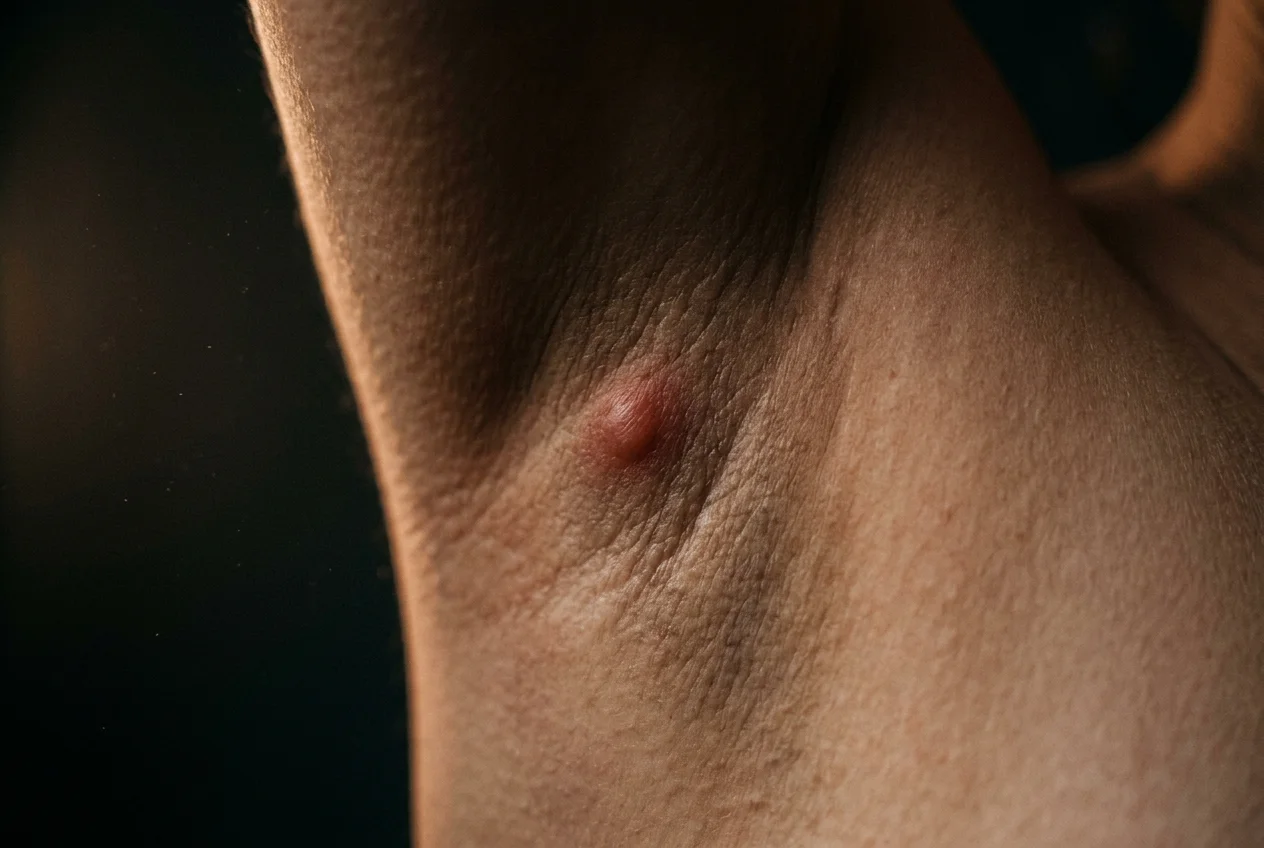
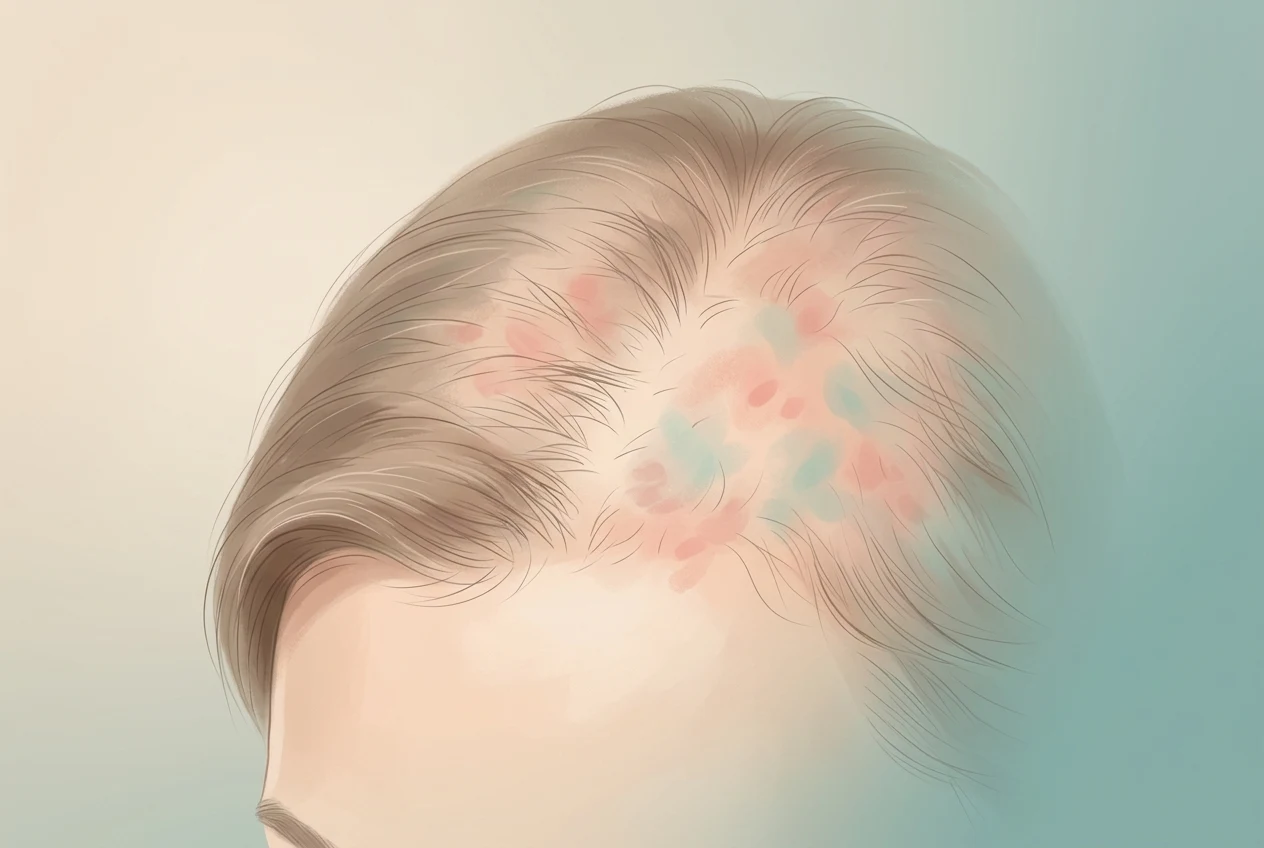
The lesions depend on the type of cutaneous lupus. Reddish plaques, lesions with scaling, light or dark spots after inflammation, skin atrophy, permanent scars, hair loss when it affects the scalp and greater sensitivity to the sun can appear.
In discoid lupus, rounded plaques with adherent scaling that can leave scars are typical. In subacute cutaneous lupus, annular or scaly lesions predominate in areas exposed to the sun. In acute cutaneous lupus, the well-known malar erythema, in the shape of “butterfly wings”, can appear on the cheeks and the bridge of the nose.
Can it affect only the skin?
Yes. Many patients present exclusively skin involvement throughout their lives. However, some may also develop systemic manifestations, so it is important to perform a complete medical evaluation and adequate follow-up. The risk varies according to the subtype of cutaneous lupus.
How is the diagnosis made?
The diagnosis is based on the combination of the clinical history, the clinical skin examination, dermatoscopy in some cases, the skin biopsy and analytical studies.
Biopsy. The biopsy makes it possible to confirm the diagnosis and differentiate lupus from other inflammatory diseases. Sometimes a study by direct immunofluorescence is also performed.
Blood tests. Antinuclear antibodies (ANA), anti-dsDNA, anti-Ro/SSA, anti-La/SSB, complement (C3 and C4), blood count, renal and hepatic function and urine analysis can be requested. These tests help to rule out systemic involvement.
What treatments exist?
Treatment depends on the type of lupus and the extent of the lesions.
Photoprotection. It is one of the fundamental pillars. Broad-spectrum sunscreen SPF 50+, wide-brimmed hats, clothing with sun protection and avoiding exposure during the central hours of the day are recommended.
Topical treatment. When the disease is limited, topical corticosteroids, tacrolimus or pimecrolimus can be used. The choice will depend on the location and the thickness of the lesions.
Systemic treatment. When the lesions are extensive or persistent, hydroxychloroquine, considered the first-choice systemic treatment in many patients; chloroquine in selected situations; oral corticosteroids during important flare-ups; methotrexate; mycophenolate mofetil; azathioprine; retinoids in some subtypes; thalidomide or lenalidomide in very selected and resistant cases; and other immunomodulators according to the clinical evolution can be used. Treatment must always be individualised.
What can you do in your daily life?
Use sunscreen every day of the year, avoid tanning booths, do not smoke, regularly check the skin, follow the treatment even when the lesions improve, consult before starting new medications and especially protect the scalp if there is hair loss.
When should you consult?
You should consult if new lesions appear after sun exposure, if the plaques increase in size, if there is hair loss with scars, if you present fever, joint pain, intense tiredness or weight loss, if you observe ulcers in the mouth or if blood appears in the urine or significant swelling. These symptoms may indicate systemic involvement and require medical evaluation.
Myths and facts
- Myth: All lupus affects the internal organs. Fact: Many patients present only cutaneous lupus throughout their lives.
- Myth: Cutaneous lupus is contagious. Fact: It is not transmitted by contact.
- Myth: Sunbathing improves the lesions. Fact: In most patients exactly the opposite occurs: ultraviolet radiation triggers or worsens the flare-ups.
- Myth: If the lesions disappear, I can stop the treatment. Fact: Stopping the treatment must be done only under medical supervision.
- Myth: Lupus always leaves scars. Fact: It depends on the subtype. Discoid lupus can leave permanent scars, while other forms usually heal without them.
The essential points to remember
- Cutaneous lupus is an autoimmune disease that mainly affects the skin.
- Sun exposure is one of the main triggers of the flare-ups.
- There are several types of cutaneous lupus with different manifestations.
- The biopsy and the tests help to confirm the diagnosis and rule out systemic involvement.
- Daily photoprotection is fundamental.
- Hydroxychloroquine is one of the most important treatments in cases that require systemic treatment.
- Early diagnosis and treatment help to prevent permanent scars and improve the prognosis.
Frequently asked questions
Does cutaneous lupus have a cure?
There is currently no definitive cure, but the disease can be controlled effectively with treatment and photoprotection.
Does it always turn into systemic lupus?
No. Many patients never develop involvement of other organs.
Is it hereditary?
There is a genetic predisposition, but it is not transmitted directly from parents to children.
Can I sunbathe?
It is recommended to minimise sun exposure and always use adequate photoprotection.
Is hydroxychloroquine safe?
Yes, it is generally a safe medication, although it requires periodic ophthalmological checks during prolonged treatments.
Can I do sports?
Yes. Adapted physical exercise is usually beneficial.
Does tobacco have an influence?
Yes. Smoking worsens the evolution of cutaneous lupus and reduces the effectiveness of some treatments.
Can scalp lesions leave permanent bald areas?
Yes. In discoid lupus they can produce irreversible scarring alopecia if not treated early.
Will I need periodic check-ups?
Yes. Follow-up makes it possible to control the disease and detect possible complications early.
Does it have a good prognosis?
Yes. With early diagnosis, good photoprotection and adequate treatment, most patients achieve good control of the disease and maintain an excellent quality of life.
Need personalised guidance?
This guide is for information only and does not replace a medical consultation. For an assessment tailored to your case, you may request a consultation.
Request a consultation