Perioral dermatitis
Inflammatory disease around the mouth
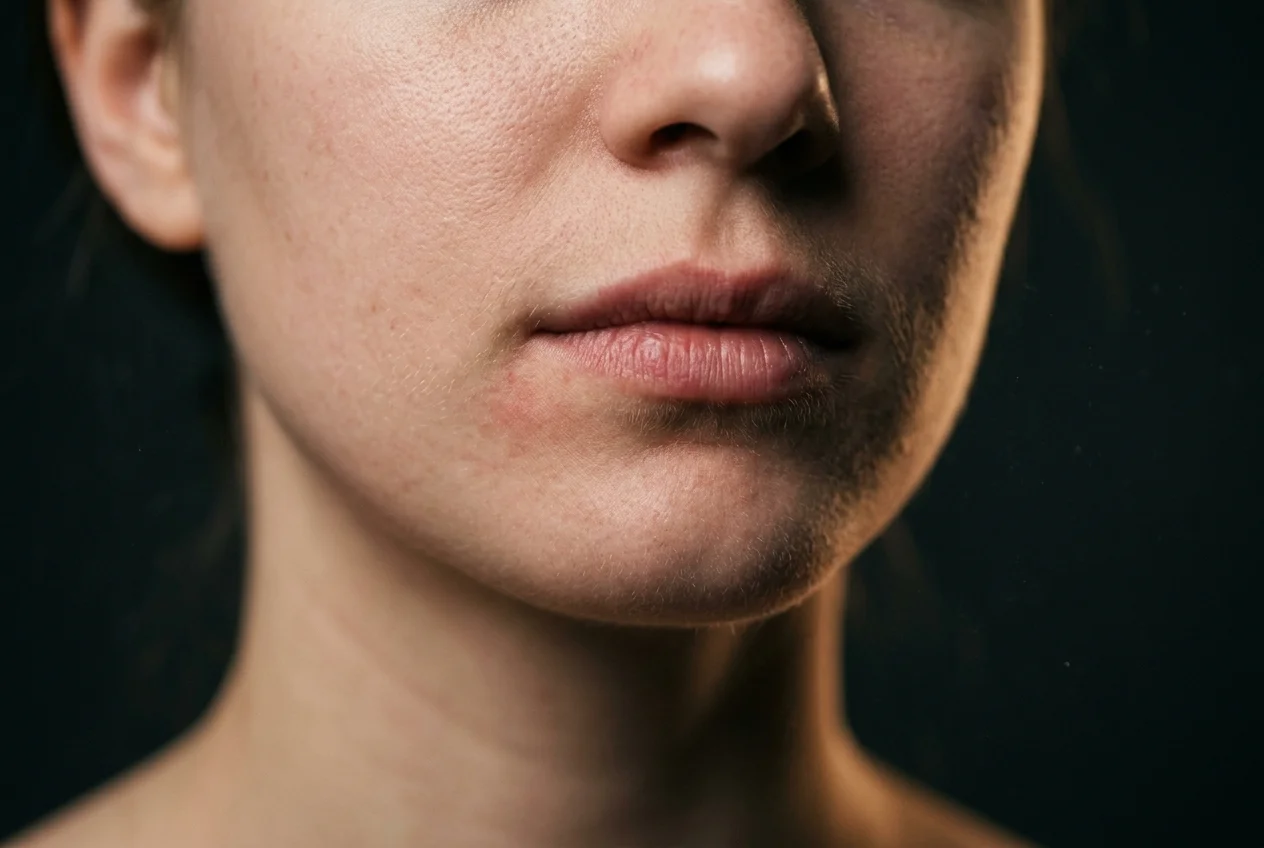
Perioral dermatitis is an inflammatory disease that causes small bumps and redness around the mouth. Learn about its causes, the available treatments and the daily care that helps recovery.
What is perioral dermatitis?
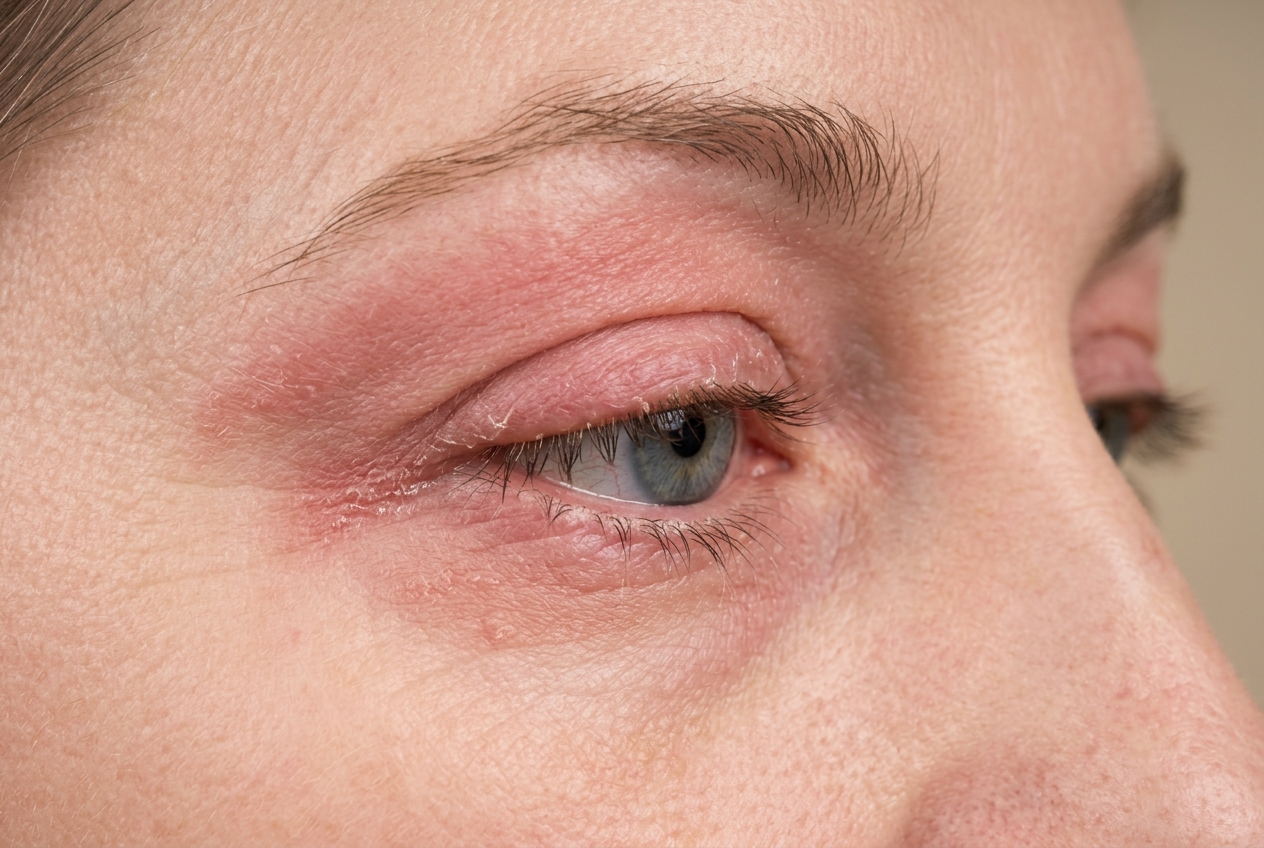
Perioral dermatitis is an inflammatory skin disease that appears mainly around the mouth. It can also affect the nose (perinasal dermatitis) and the eye area (periocular dermatitis).
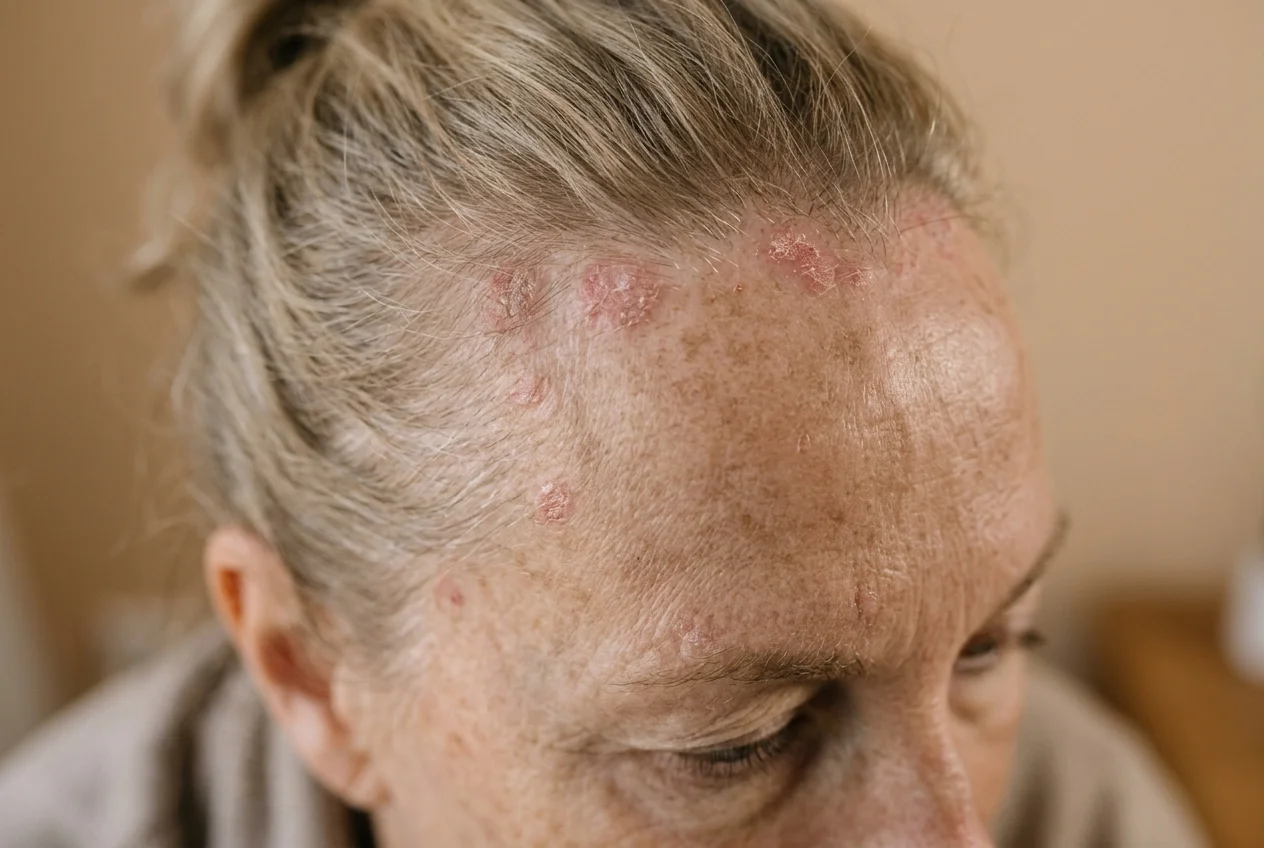
It is characterised by small red bumps and, sometimes, small pustules on reddened skin. Unlike acne, blackheads and whiteheads do not usually appear.
It is a common condition, especially in young and middle-aged women, although it can also affect men and children.
Perioral dermatitis is not contagious and is not related to poor hygiene. With an appropriate diagnosis and treatment, the outlook is usually very good.
Why does it appear?
The exact cause is not completely known, but it is considered a multifactorial disease. Several factors that may favour its appearance have been identified:
- Prolonged use of corticosteroid creams on the face.
- Use of corticosteroid inhalers without cleaning the skin afterwards.
- Very greasy or occlusive cosmetics.
- Facial creams that are too irritating.
- Some sunscreens.
- Hormonal changes.
- Alteration of the skin barrier.
- Excessive use of cosmetic products ("over-care" of the skin).
In many people it is not possible to identify a specific cause.
One of the most common mistakes is applying corticosteroids to the lesions. Although they seem to improve at first, when they are stopped the dermatitis usually reappears more intensely.
What are the symptoms?
The most common symptoms are:
- Small red bumps around the mouth.
- Small pustules.
- Redness.
- A burning or stinging sensation.
- Dry skin.
- Slight scaling.
A very characteristic feature is that a thin band of healthy skin usually remains around the border of the lips, while the lesions appear immediately around it.
In some patients it also affects:
- Around the nose.
- The eyelids.
- The area around the eyes.
The disease usually progresses slowly and can persist for weeks or months if left untreated. It is not a contagious disease.
How is it diagnosed?
Diagnosis is usually made through clinical examination. Complementary tests are generally not necessary.
Sometimes the doctor may consider other diseases with a similar appearance, such as:
- Rosacea.
- Acne.
- Seborrhoeic dermatitis.
- Contact dermatitis.
Additional tests are only requested when there are diagnostic doubts or the course is not as expected.
What treatments are available?
Treatment depends on the intensity of the lesions. The first step is to remove the factors that may maintain the disease. This may include:
- Stopping topical corticosteroids when possible and always following medical advice.
- Simplifying the cosmetic routine.
- Using mild products for sensitive skin.
Depending on each case, the doctor may recommend:
- Specific anti-inflammatory creams.
- Topical antibiotics.
- Oral antibiotics for a limited time in moderate or more extensive cases.
Improvement is usually gradual and can take several weeks. It is important not to abandon treatment too early, even if the results are not immediate.
What can you do day to day?
Some care helps to speed up recovery and reduce the risk of relapse:
- Cleanse the skin with a mild, fragrance-free cleanser.
- Use a light moisturiser if the doctor considers it appropriate.
- Avoid very greasy or occlusive cosmetics.
- Reduce the number of products applied to the face.
- Do not use harsh exfoliants.
- Apply sunscreen suitable for sensitive skin.
- Do not manipulate the lesions.
If you use a corticosteroid inhaler, it is advisable to wash the area around the mouth after each use.
When should you seek prompt medical advice?
Seek medical assessment if:
- The lesions increase rapidly.
- They appear around the eyes with significant discomfort.
- There is intense pain or signs of infection.
- There is no improvement after several weeks of treatment.
- The lesions repeatedly reappear.
Myths and facts
- Myth: Perioral dermatitis is a type of acne. Fact: No. Although small bumps appear, it is a different disease and requires a different treatment.
- Myth: Corticosteroid creams always improve the lesions. Fact: They may produce an initial improvement, but usually worsen the disease in the medium term.
- Myth: The more cosmetics I use, the sooner I will improve. Fact: In many patients the opposite happens. Simplifying the routine usually favours recovery.
- Myth: It is a contagious disease. Fact: No. It cannot be passed on to other people.
- Myth: It disappears in a few days. Fact: Recovery is usually gradual and may require several weeks of treatment.
The key points to remember
- Perioral dermatitis is a common inflammatory disease around the mouth.
- It is not contagious.
- It is not a type of acne.
- Topical corticosteroids are one of the most common causes of worsening.
- A simple cosmetic routine usually favours recovery.
- Treatment requires patience and consistency.
- Not manipulating the lesions helps avoid complications.
- An early diagnosis makes it possible to control the disease more quickly.
Frequently asked questions
Is it the same as acne?
No. They are different diseases.
Can I wear make-up?
Yes, although during flare-ups it is preferable to use few products and choose non-comedogenic make-up suitable for sensitive skin.
Does perioral dermatitis leave scars?
Usually not.
Can I keep using my usual cream?
It depends on its composition. Sometimes it is necessary to temporarily simplify the facial routine.
Is it contagious?
No.
Can it come back?
Yes. Especially if the triggering factors reappear.
Should I stop corticosteroids abruptly?
Not always. Withdrawal should be carried out following the doctor's instructions.
Does stress have an influence?
It can promote flare-ups in some people.
How long does it take to heal?
Improvement is usually seen within several weeks, although the time varies from patient to patient.
Can I use sunscreen?
Yes. It is advisable to use one suitable for sensitive skin and non-comedogenic.
Need personalised guidance?
This guide is for information only and does not replace a medical consultation. For an assessment tailored to your case, you may request a consultation.
Request a consultation