Everything about atopic dermatitis: causes, symptoms, treatment and atopic skin care
Medical guide to atopic dermatitis

Atopic dermatitis is a chronic inflammatory disease characterised by intense itching, dryness and repeated flare-ups of eczema. Daily hydration, care of the skin barrier and modern treatments, including biologics and JAK inhibitors, make it possible to effectively control the disease and improve quality of life.
Atopic dermatitis is much more than dry skin
Atopic dermatitis is one of the most frequent inflammatory skin diseases, especially during childhood, although it can also appear or persist in adulthood.
It is not simply a matter of having dry or sensitive skin.
It is a chronic disease in which there is an alteration of the skin barrier and an abnormal response of the immune system, which favours inflammation, itching and repeated flare-ups.
The good news is that, with an appropriate treatment and daily care, the great majority of patients manage to control the disease and lead a completely normal life.
What is atopic dermatitis?
Atopic dermatitis is a chronic inflammatory skin disease characterised by:
- Intense itching.
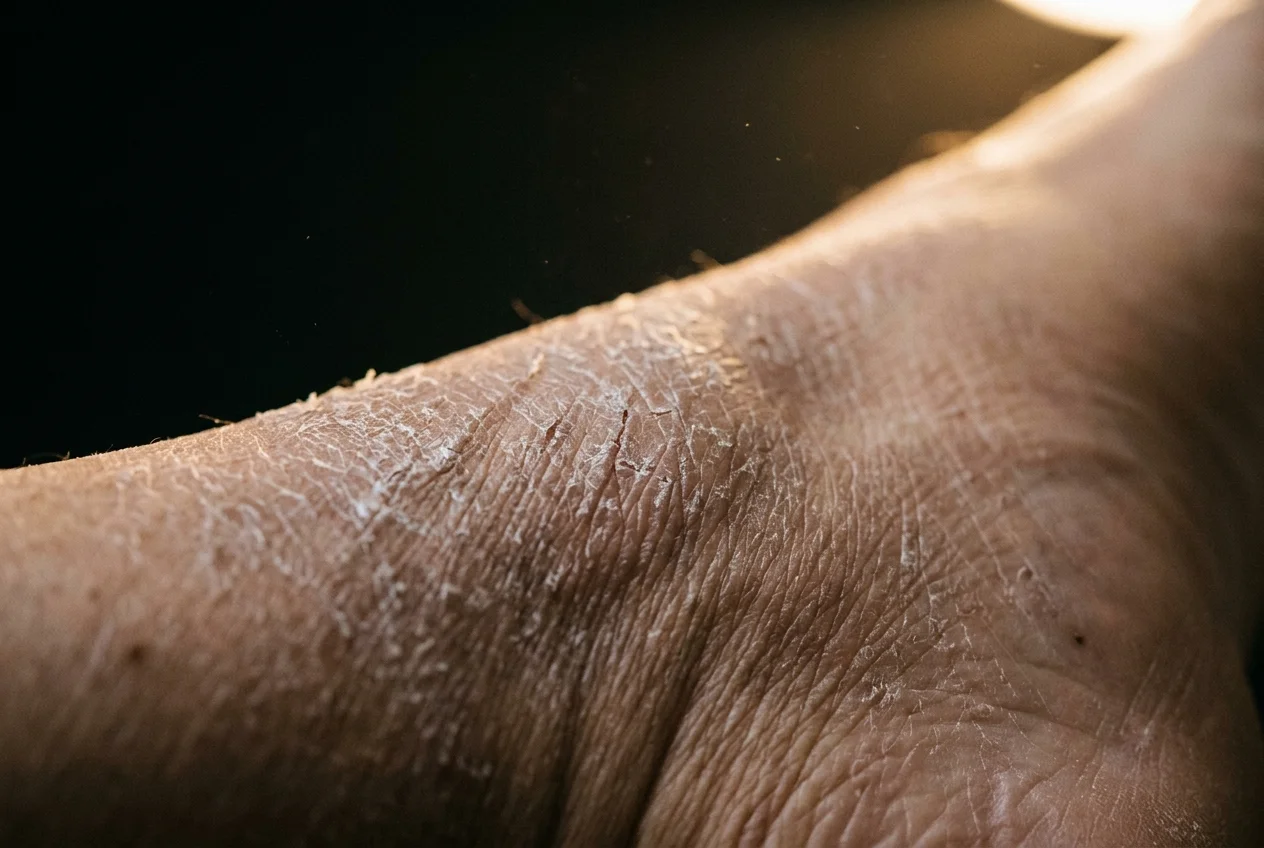
- Skin dryness.
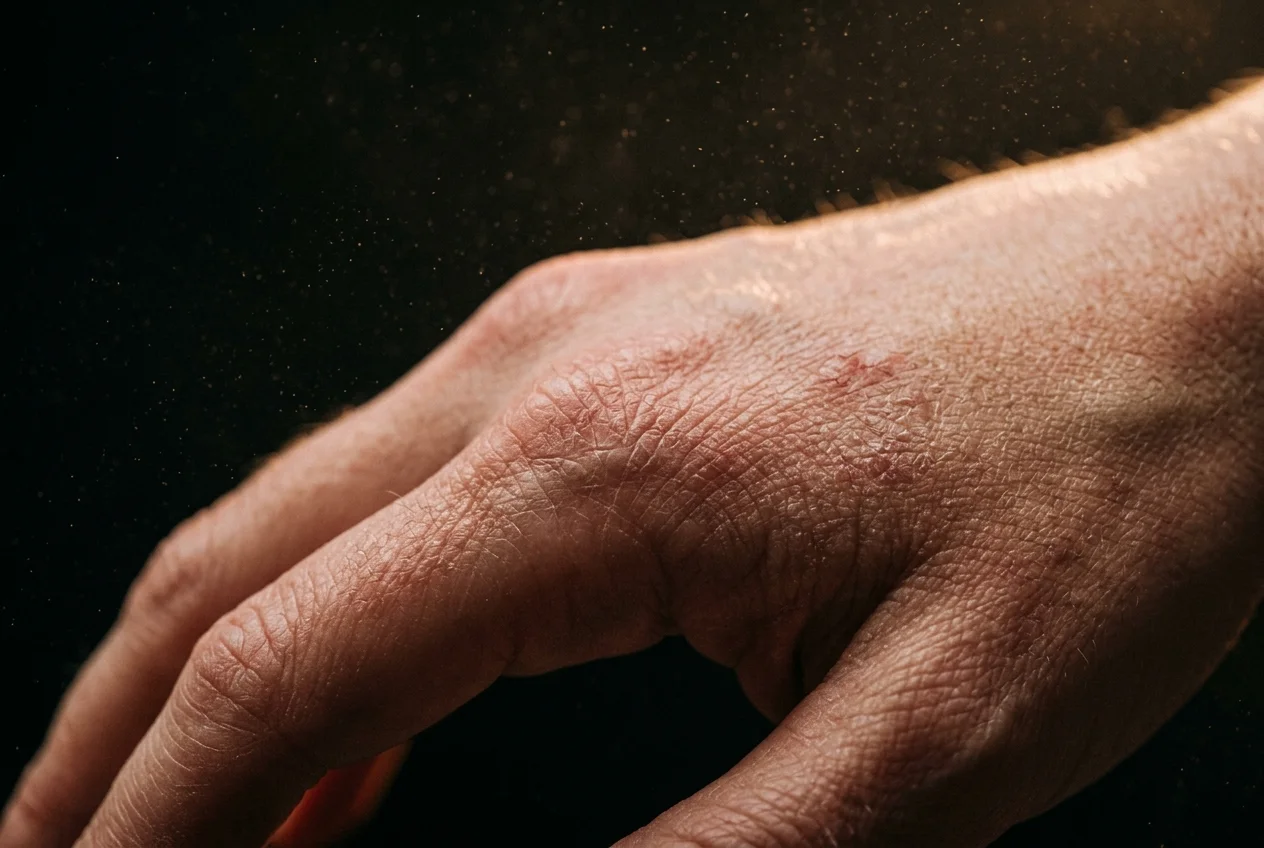
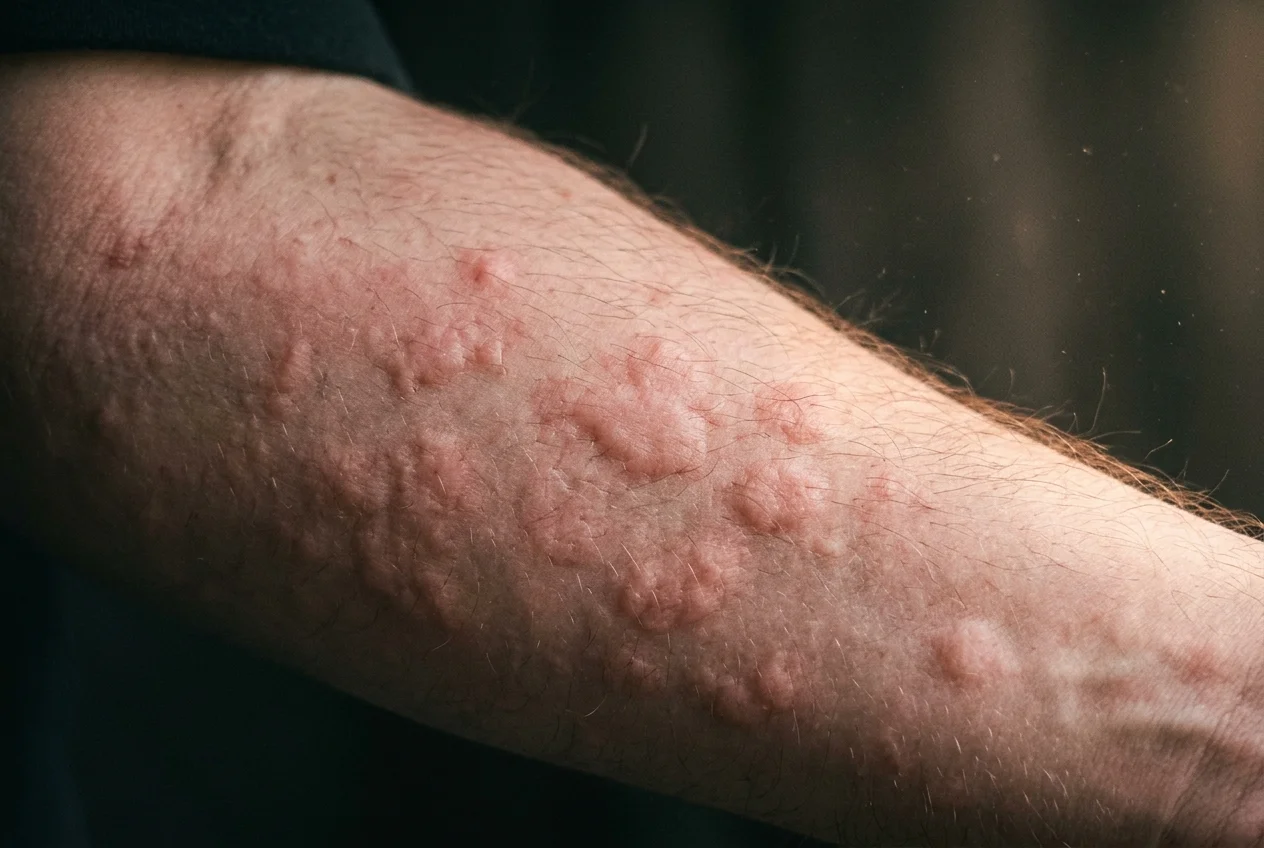
- Eczema.
- Repeated flare-ups.
- Inflammation.
It alternates periods of improvement with phases of worsening.
It is not contagious.
What does it mean to have atopic skin?
Atopic skin has a less effective protective barrier.
This causes:
- Greater water loss.
- Persistent dryness.
- Greater sensitivity to irritants.
- Greater ease for allergens and microorganisms to penetrate.
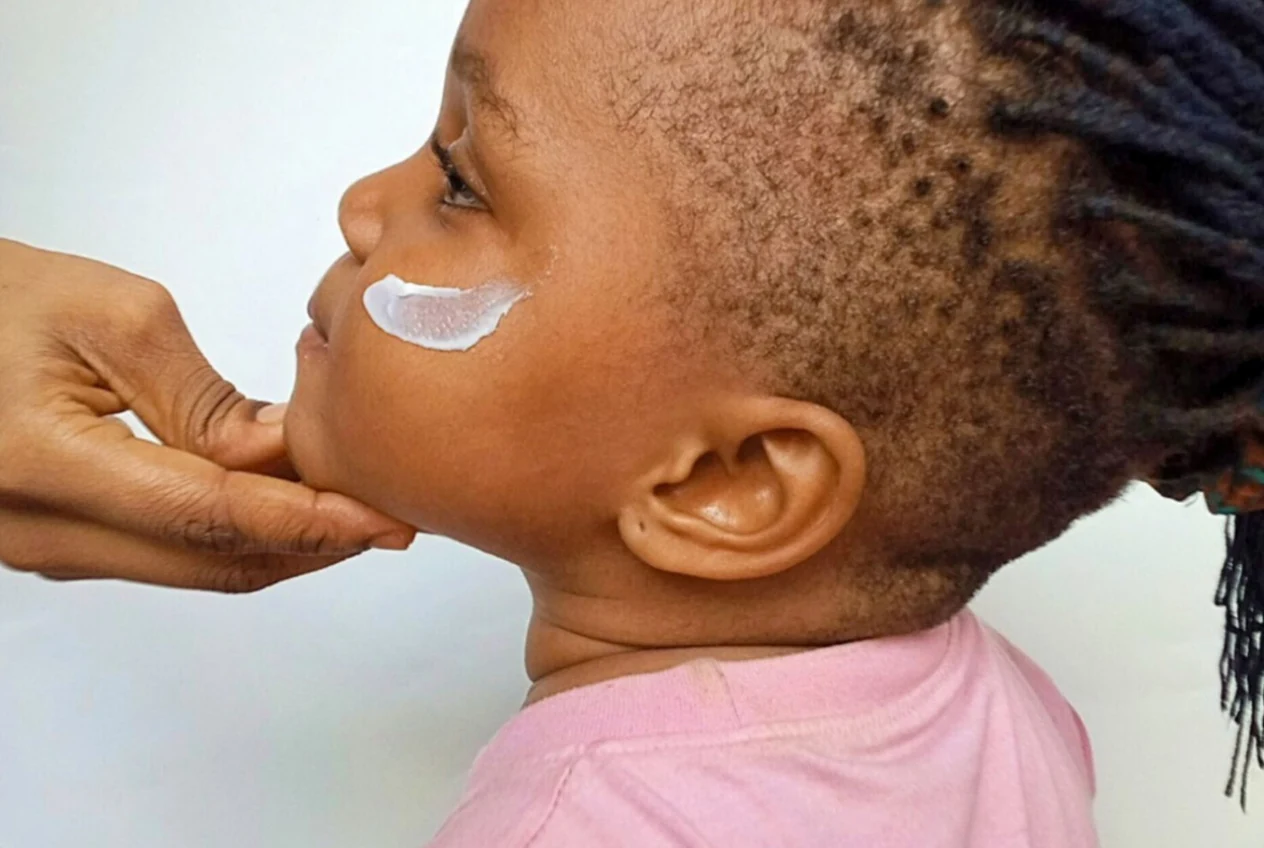
For this reason, daily hydration is a fundamental part of the treatment.
Why does it appear?
Atopic dermatitis has a multifactorial origin.
Several mechanisms are involved:
- A genetic predisposition.
- An alteration of the skin barrier.
- An exaggerated response of the immune system.
- Changes in the skin microbiota.
- Environmental factors.
None of them explains the disease on its own.
Is it hereditary?
There is an important genetic predisposition.
It is more frequent when there is a family history of:
- Atopic dermatitis.
- Asthma.
- Allergic rhinitis.
These diseases are part of what is known as the "atopic march".
At what age does it appear?
It can begin at any moment of life.
However:
- Most cases appear during the first years of life.
- Many children improve with growth.
- Some continue to present flare-ups in adulthood.
It can also start for the first time in adults.
What are the symptoms?
The most usual symptoms are:
- Intense itching.
- Dryness.
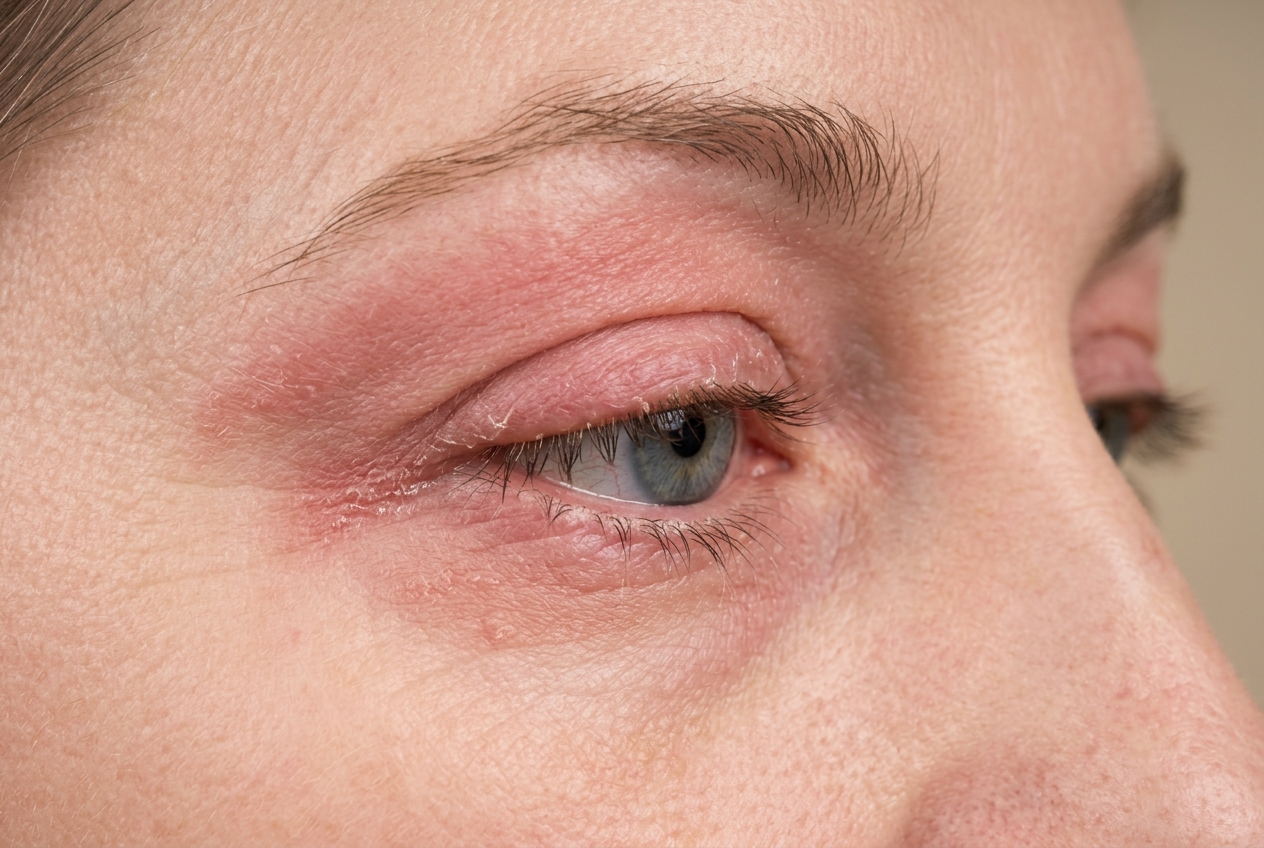
- Redness.
- Eczema.
- Small fissures.
- Crusts when there is scratching.
- Sleep disturbances due to itching.
Itching is usually the symptom that most affects quality of life.
Where does it appear?
It depends on the age.
Infants.
- Face.
- Cheeks.
- Scalp.
- Trunk.
- Extensor surfaces.
Children.
- Elbow folds.
- Knee folds.
- Wrists.
- Ankles.
Adults.
- Face.
- Neck.
- Hands.
- Eyelids.
- Folds.
- Hands, due to occupational or domestic exposure.
What triggers the flare-ups?
Each patient has different factors.
Among the most frequent stand out:
- Dry climate.
- Excessive heat.
- Sweat.
- Stress.
- Infections.
- Aggressive soaps.
- Perfumes.
- Wool.
- Synthetic clothing in some people.
- Continuous scratching.
Identifying these factors helps to reduce the frequency of flare-ups.
Are foods the cause?
In the majority of patients, no.
Although some children present associated food allergies, eliminating foods without an adequate diagnosis can be harmful.
Exclusion diets should only be carried out when there is a clear medical indication.
Is it a contagious disease?
No.
It cannot be transmitted by contact.
Can the skin become infected?
Yes.
The alteration of the skin barrier favours the appearance of infections, especially by Staphylococcus aureus.
An infection should be suspected when there appear:
- Pain.
- Pus.
- Yellowish crusts.
- Abrupt worsening.
- Fever.
How is it diagnosed?
The diagnosis is clinical.
The doctor assesses:
- The medical history.
- The distribution of the lesions.
- The intensity of the itching.
- The personal and family history.
Generally, complementary tests are not necessary.
Treatment
The treatment has four fundamental pillars.
1. Daily hydration. It is the most important treatment. Emollients help to:
- Repair the skin barrier.
- Decrease water loss.
- Reduce itching.
- Prevent flare-ups.
Hydration must be maintained even when the skin appears normal.
2. Control of inflammation. During flare-ups the following may be used:
- Topical corticosteroids.
- Calcineurin inhibitors.
- Topical inhibitors of phosphodiesterase-4 or of the JAK pathway, in selected patients and according to the current indications.
The objective is to quickly control inflammation using the most appropriate treatment for each area of the body.
3. Systemic treatments. When the disease is moderate or severe, oral or injectable treatments may be used. Among them are:
- Classic immunomodulators in specific situations.
- Biological drugs.
- JAK inhibitors.
In recent years these treatments have represented a real revolution, making it possible to control the disease in patients who previously presented continuous flare-ups.
4. Patient education. Understanding the disease is as important as the medication. Knowing how to care for the skin, recognise an early flare-up and use the treatments correctly significantly improves the evolution.
Daily hygiene
It is recommended to:
- Take short showers with lukewarm water.
- Use mild cleansers without aggressive soaps.
- Dry the skin without rubbing.
- Apply the emollient immediately after the bath.
Does the sun improve atopic dermatitis?
In many patients, moderate sun exposure produces improvement.
However:
- Excess sun can be harmful.
- It must never replace medical treatment.
- Photoprotection remains necessary.
Stress and atopic dermatitis
Stress can trigger or worsen flare-ups.
In turn, continuous itching disrupts sleep and favours anxiety.
Therefore, controlling the disease also improves emotional wellbeing.
Does atopic dermatitis disappear?
Many children improve with age.
Other patients continue to present flare-ups during adult life.
There is currently no definitive cure, but there are very effective treatments to keep the disease under control.
Frequent mistakes
- Stopping hydration when the skin improves.
- Using corticosteroids for longer than indicated without medical review.
- Having an unjustified fear of corticosteroids ("corticophobia"), which leads to treating flare-ups insufficiently.
- Continuously trying new cosmetic products.
- Eliminating foods without medical indication.
Myths and facts
- Myth: Atopic dermatitis appears due to a lack of hygiene. Fact: No. It is an inflammatory disease with an important genetic and immunological basis.
- Myth: It is a skin allergy. Fact: Although it can be associated with allergies, not all atopic dermatitis is caused by them.
- Myth: Topical corticosteroids are dangerous and should be avoided. Fact: Used correctly and under medical supervision, they are safe and very effective treatments.
- Myth: Hydration is only a complement. Fact: The daily repair of the skin barrier is one of the fundamental pillars of the treatment.
- Myth: The disease disappears forever. Fact: It can improve a lot, but it usually evolves in flare-ups and requires continued care.
The essential points to remember
- Atopic dermatitis is a chronic inflammatory disease and not simply dry skin.
- The alteration of the skin barrier explains a large part of the symptoms.
- Intense itching is the most characteristic symptom.
- Daily hydration is one of the fundamental pillars of the treatment.
- Current treatments, including biologics and JAK inhibitors, make it possible to effectively control many moderate and severe cases.
- With appropriate follow-up, the majority of patients can enjoy an excellent quality of life.
Frequently asked questions
Is atopic dermatitis contagious?
No.
Can it appear in adults?
Yes.
Is it normal for it to itch so much?
Yes. Intense itching is one of the most characteristic symptoms.
Should I moisturise my skin every day?
Yes, even when there are no visible lesions.
Are baths forbidden?
No. The important thing is that they are short, with lukewarm water and using appropriate products.
Can it affect sleep?
Yes. Night-time itching is a frequent cause of disturbed rest.
Are there new treatments?
Yes. Biological drugs and JAK inhibitors have extraordinarily improved the treatment of moderate and severe cases.
Can atopic dermatitis be cured?
There is currently no definitive cure, but there are treatments capable of effectively controlling the disease.
Can I do sport?
Yes. It is advisable to shower after exercise and moisturise the skin to minimise the effect of sweat if it triggers flare-ups.
What is the most important treatment?
Maintaining adequate hydration of the skin every day and correctly following the treatment indicated by the specialist.
Need personalised guidance?
This guide is for information only and does not replace a medical consultation. For an assessment tailored to your case, you may request a consultation.
Request a consultationTopics