Insect bites
Skin reactions, treatment and prevention

Insect bites usually cause itching, redness and swelling and, in most cases, evolve favourably. Discover how to treat them, when to see the doctor and what measures help to prevent them.
What are insect bites?
Insect bites are skin lesions produced when certain insects or arthropods pierce the skin to feed or defend themselves, injecting substances that trigger an inflammatory reaction.
Most bites are mild and disappear in a few days, although some people can develop more intense reactions or, exceptionally, serious allergic reactions.
The insects that most frequently produce bites are mosquitoes, wasps, bees, fleas, bedbugs, horseflies and ants. It is also important to differentiate insect bites from those produced by ticks, spiders or other arthropods, as they may require different management.
Why do they appear?
Bites are part of the feeding or defence mechanism of many insects. When the insect bites, it introduces saliva or venom into the skin. Our immune system responds by producing inflammation, redness, itching and swelling.
The intensity of the reaction depends on the type of insect, the amount of venom or saliva inoculated, the sensitivity of each person and previous exposures. Some people only present a small mark, while others develop very striking reactions.
What are the symptoms?
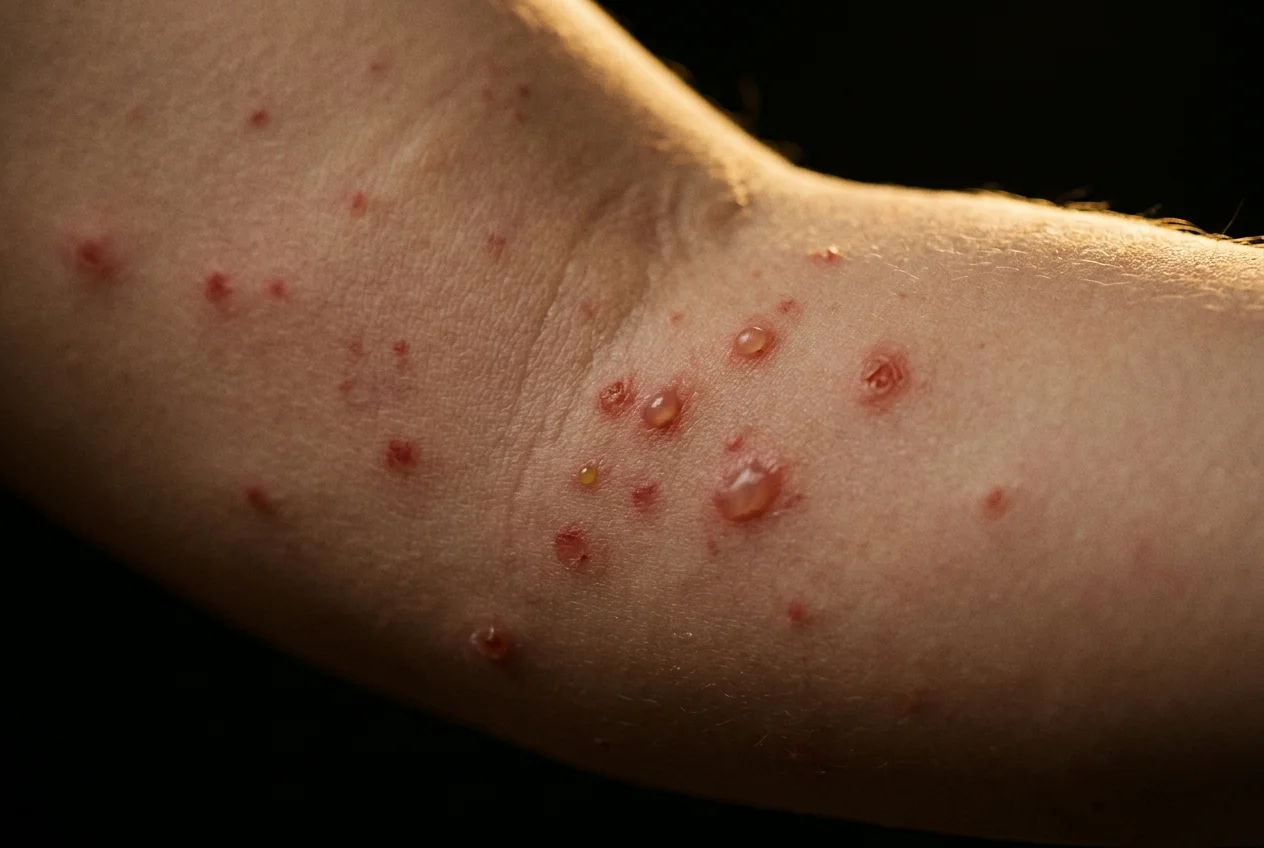
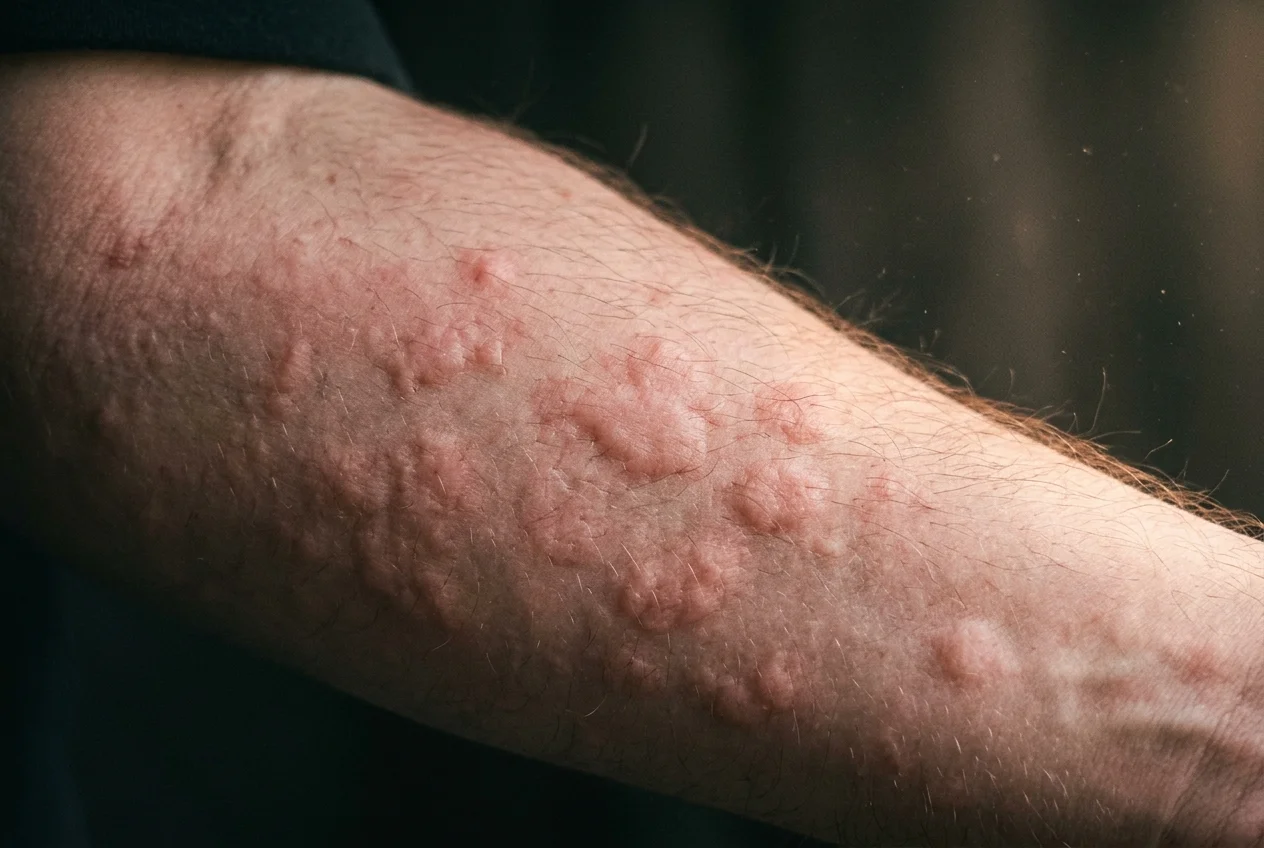
Most bites produce itching, redness, a small swelling and mild pain.
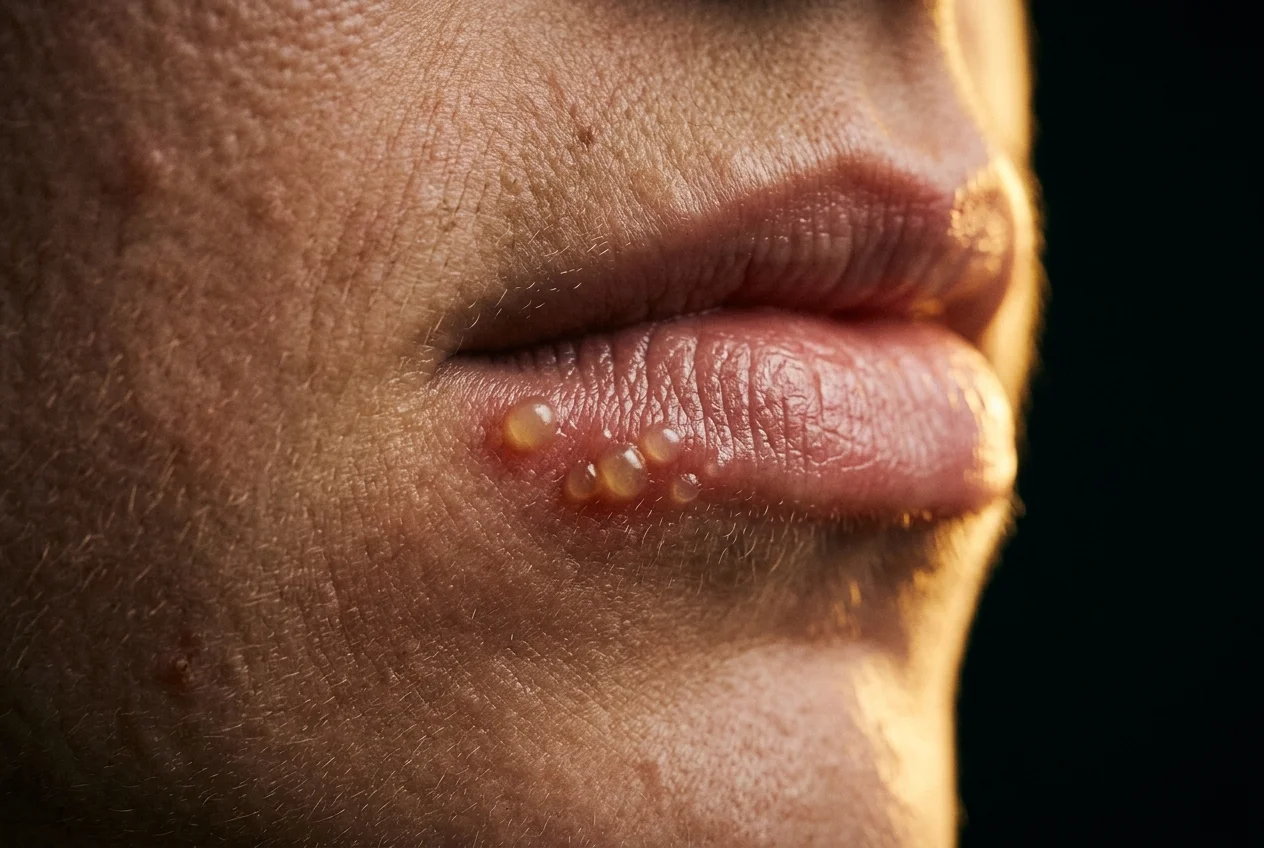
In some cases welts, blisters, persistent papules and crusts from scratching appear.
What are bites like according to the insect?
Mosquitoes. Rounded, very itchy welts.
Fleas. Several small lesions, especially on the ankles and legs.
Bedbugs. Grouped or aligned lesions («in a row»), usually after sleeping.
Bees and wasps. Immediate intense pain, significant swelling and redness. The bee usually leaves the sting; the wasp normally does not.
Horseflies. Very painful bites with intense inflammation.
What is an intense local reaction?
Some people develop very striking inflammation around the bite. Swelling of several centimetres, local heat, redness and intense itching can appear.
Although it is very impressive, it does not always mean that there is an infection.
What is a serious allergic reaction?
On rare occasions anaphylaxis can occur, a potentially fatal allergic reaction. The symptoms include difficulty breathing, swelling of the lips or tongue, generalised welts, dizziness and loss of consciousness.
This situation requires immediate urgent medical care.
How is it diagnosed?
The diagnosis is usually based on the clinical history, the appearance of the lesions and the context (countryside, beach, mountain, home, travel, pets, etc.). Complementary tests are not usually necessary.
In people with suspected serious allergy, specific studies can be performed by Allergology.
What treatments are available?
Treatment will depend on the intensity of the reaction.
Immediate measures. Wash the area with soap and water, apply local cold for 10-15 minutes and avoid scratching. If there is a bee sting, it must be removed as soon as possible carefully, avoiding compressing the venom sac.
Itch treatment. Soothing creams, topical corticosteroids for a few days when indicated and oral antihistamines if the itching is intense can be used.
Pain treatment. When necessary, usual analgesics can be used.
Antibiotics. They are not necessary in most bites. They are only indicated when a secondary bacterial infection appears.
What can you do day to day?
To relieve the discomfort, do not scratch the lesions, keep the nails short, apply local cold, wear light clothing if there is a lot of inflammation and keep the skin clean.
If the bite affects a limb, it can help to raise it when there is a lot of swelling.
How to prevent bites?
Preventive measures are very effective. It is recommended to use authorised repellents, wear long sleeves and long trousers in areas with many insects, avoid intense perfumes in areas with wasps or bees, place mosquito nets when possible, wear light-coloured clothing and avoid walking barefoot on the grass.
In people with a known allergy to hymenoptera, it is essential to follow the allergist's recommendations and carry the indicated medication, including self-injectable adrenaline when prescribed.
When should you seek prompt medical advice?
You should go urgently if you have difficulty breathing, if you notice swelling of the tongue, lips or throat, if you have dizziness or loss of consciousness, if welts appear all over the body or if the bite affects the eye or the inside of the mouth.
You should also consult if you have a high fever, if there is abundant pus or if the redness increases progressively several days after the bite.
Myths and facts
- Myth: All bites need antibiotics. Fact: No. Most only produce an inflammatory reaction.
- Myth: The more it itches, the more serious it is. Fact: Intense itching does not necessarily indicate seriousness.
- Myth: You have to scratch to relieve the itching. Fact: Scratching increases the risk of infection and prolongs the inflammation.
- Myth: Very large reactions are always a serious allergy. Fact: Many are only intense local reactions and do not imply a greater risk of anaphylaxis.
- Myth: All insects transmit diseases. Fact: Most bites only produce a local reaction. However, some insects and other arthropods can transmit diseases in certain geographical areas.
The key points to remember
- Most insect bites are mild and disappear spontaneously.
- Itching, redness and swelling are a normal inflammatory reaction.
- Treatment usually consists of local cold, antihistamines and, in some cases, topical corticosteroids.
- Antibiotics are only necessary when there is a bacterial infection.
- Difficulty breathing, swelling of the throat or dizziness require urgent medical care.
- Repellents, appropriate clothing and mosquito nets are the best prevention measures.
Frequently asked questions
How long does a bite last?
Usually between several days and a week.
Is it normal for it to itch a lot?
Yes. Itching is the most frequent symptom.
Can I apply ice?
Yes. Local cold helps to reduce inflammation and itching.
Should I puncture the blister?
No. It is preferable to leave it intact to reduce the risk of infection.
Why do some people react more?
Because there is a different immune response in each individual.
Do bites leave a scar?
Generally no, unless there is intense scratching or a secondary infection.
Do children react worse?
Not necessarily, although they tend to scratch more and present more striking lesions.
What do I do if a bee leaves the sting?
It must be removed as soon as possible carefully, avoiding compressing it.
Can bites become infected?
Yes, especially when they are scratched intensely.
Do they have a good prognosis?
Yes. The vast majority disappear completely in a few days without leaving sequelae.
Need personalised guidance?
This guide is for information only and does not replace a medical consultation. For an assessment tailored to your case, you may request a consultation.
Request a consultation