Clínica médica en Marbella especializada en medicina basada en la evidencia: salud de la piel, medicina estética, medicina interna y medicina de la longevidad. Atención multilingüe en español, inglés, francés y ruso.
Avenida General López Domínguez, 2, 29603 Marbella (Málaga), España · +34 951 259 055 · hola@clinicavalorian.es
You need to enable JavaScript to use the full interactive site.
Bacterial, viral, fungal and parasitic skin infections.
Athlete's foot is a very frequent fungal infection that affects the feet and produces itching, scaling and cracks. Learn how it is spread, how to treat it correctly and what measures help to prevent new infections.
Bacterial cellulitis is a frequent skin infection that causes redness, heat, pain and swelling. Learn about its causes, risk factors, treatment and the warning signs that require immediate medical attention.
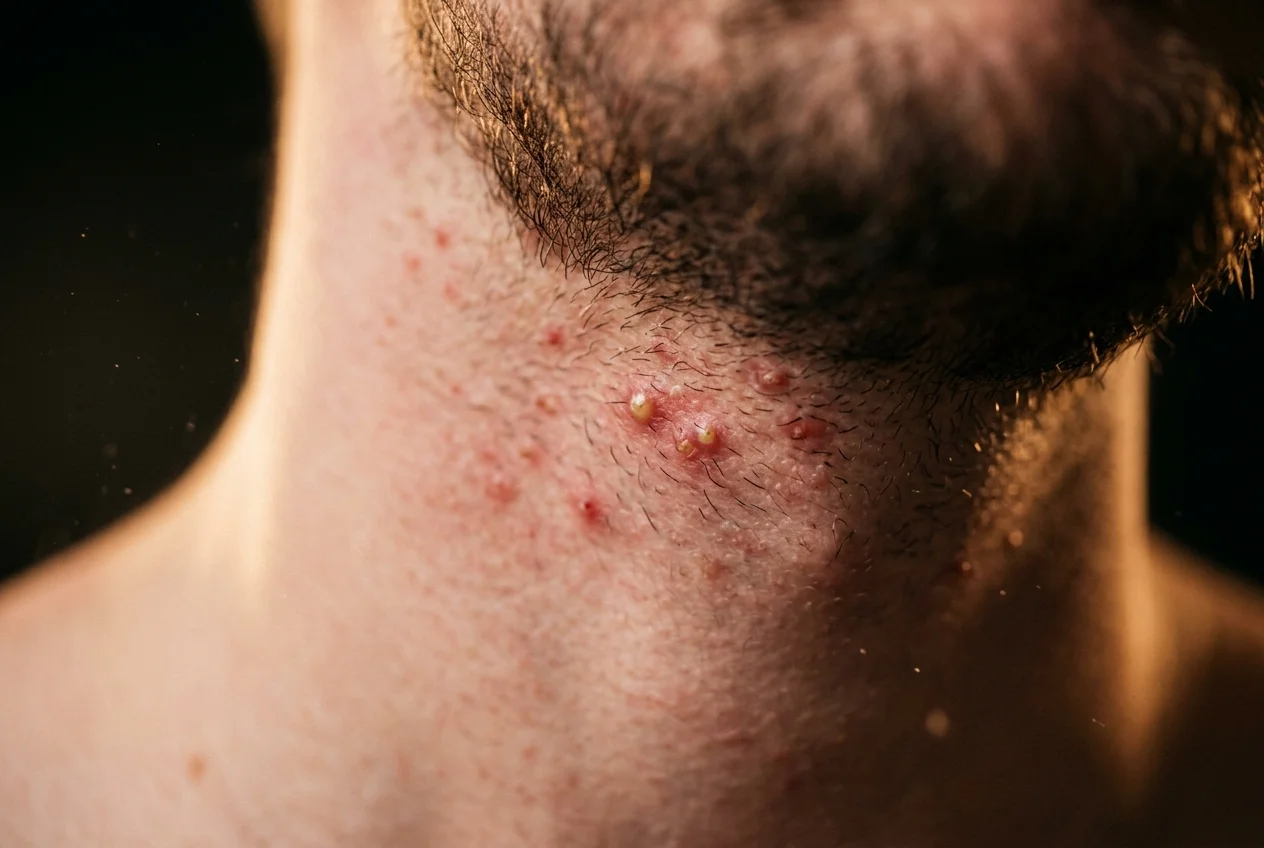
Boils are deep infections of the hair follicles that produce pain and accumulation of pus. Learn about their causes, treatment, prevention measures and when you should consult a doctor.
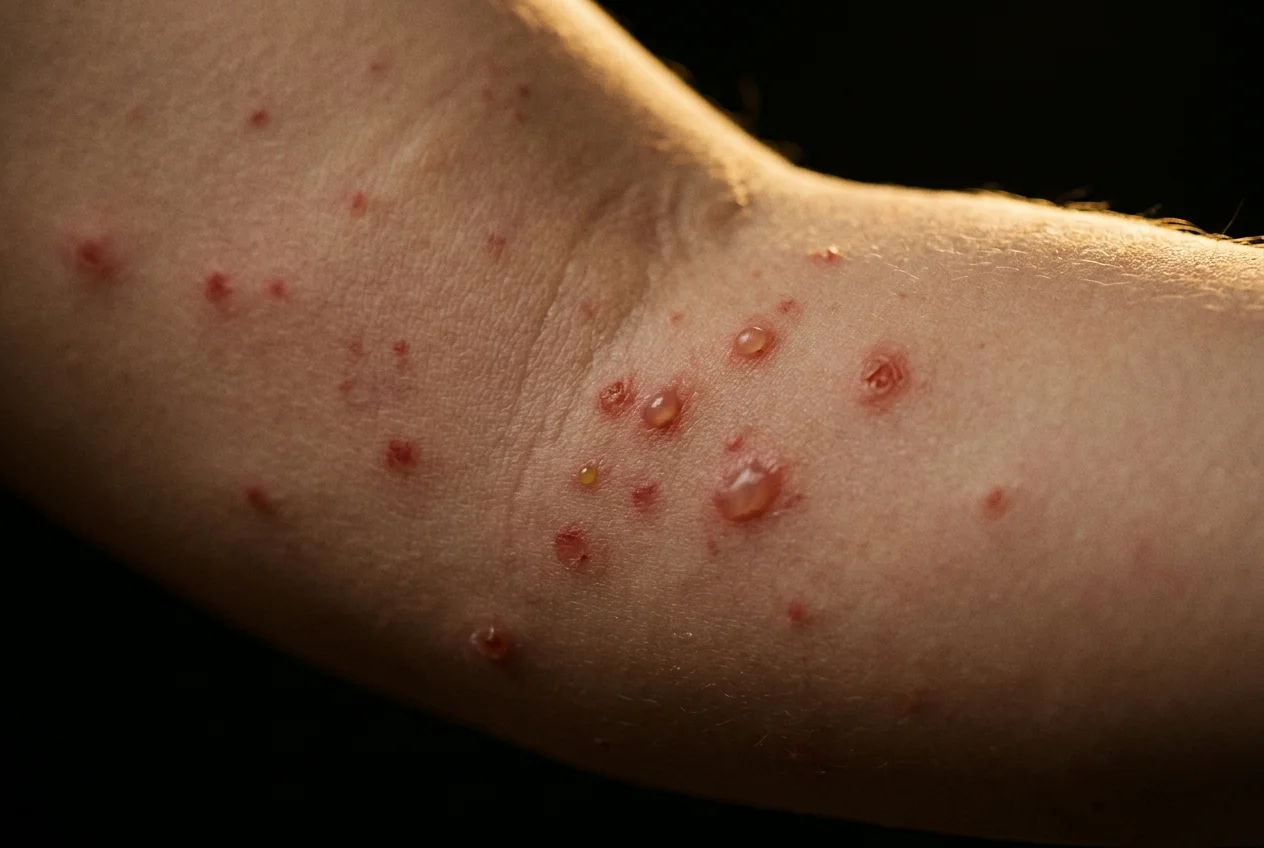
Chickenpox is a very contagious viral disease that produces fever and a rash with blisters. Learn how it is transmitted, how it is treated, what its possible complications are and the important role of vaccination in its prevention.
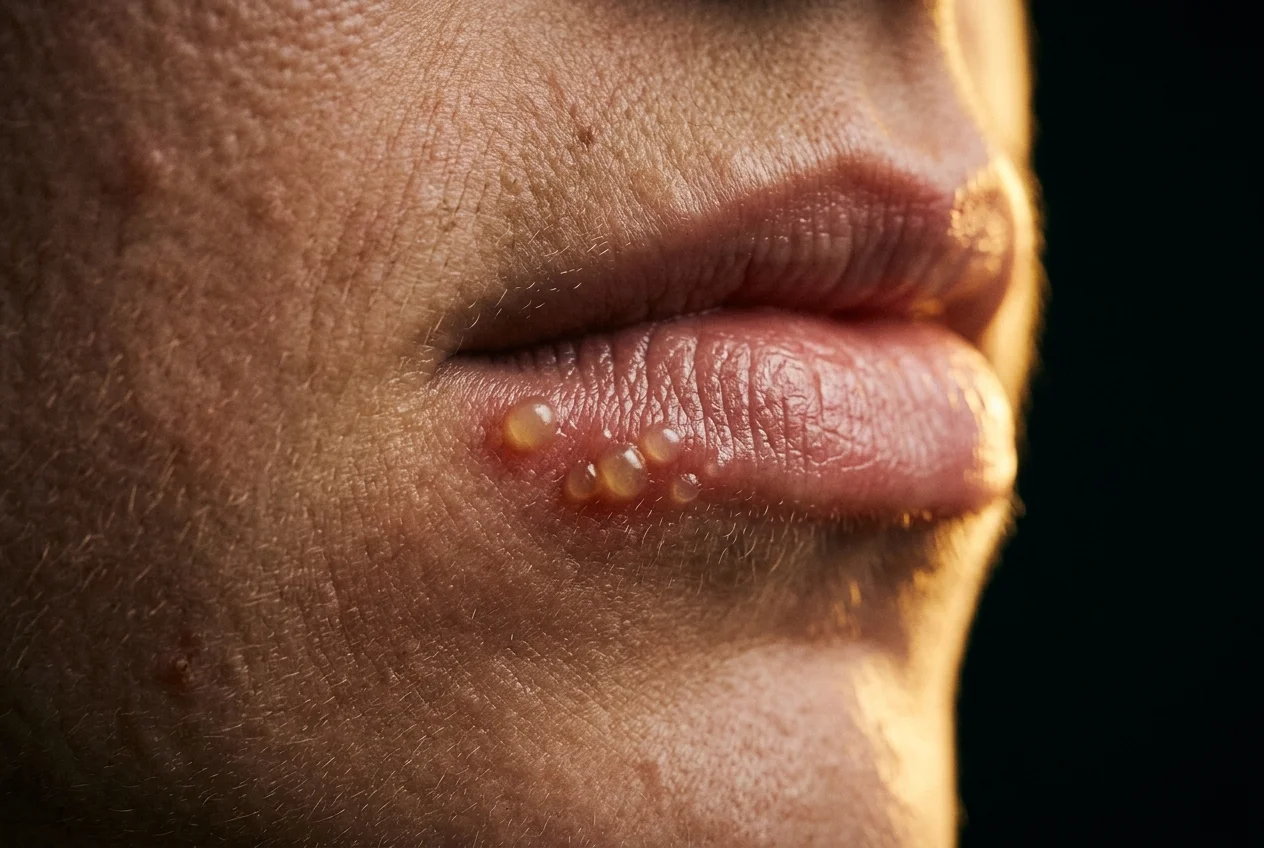
Cold sores are a very frequent viral infection that causes painful blisters around the lips. Learn about their causes, triggering factors, antiviral treatment and how to prevent new outbreaks and contagion.
Cutaneous candidiasis is an infection caused by yeasts of the genus Candida that mainly affects the skin folds. Learn to recognise its symptoms, discover the most effective treatments and prevent new relapses through correct hygiene and control of the risk factors.
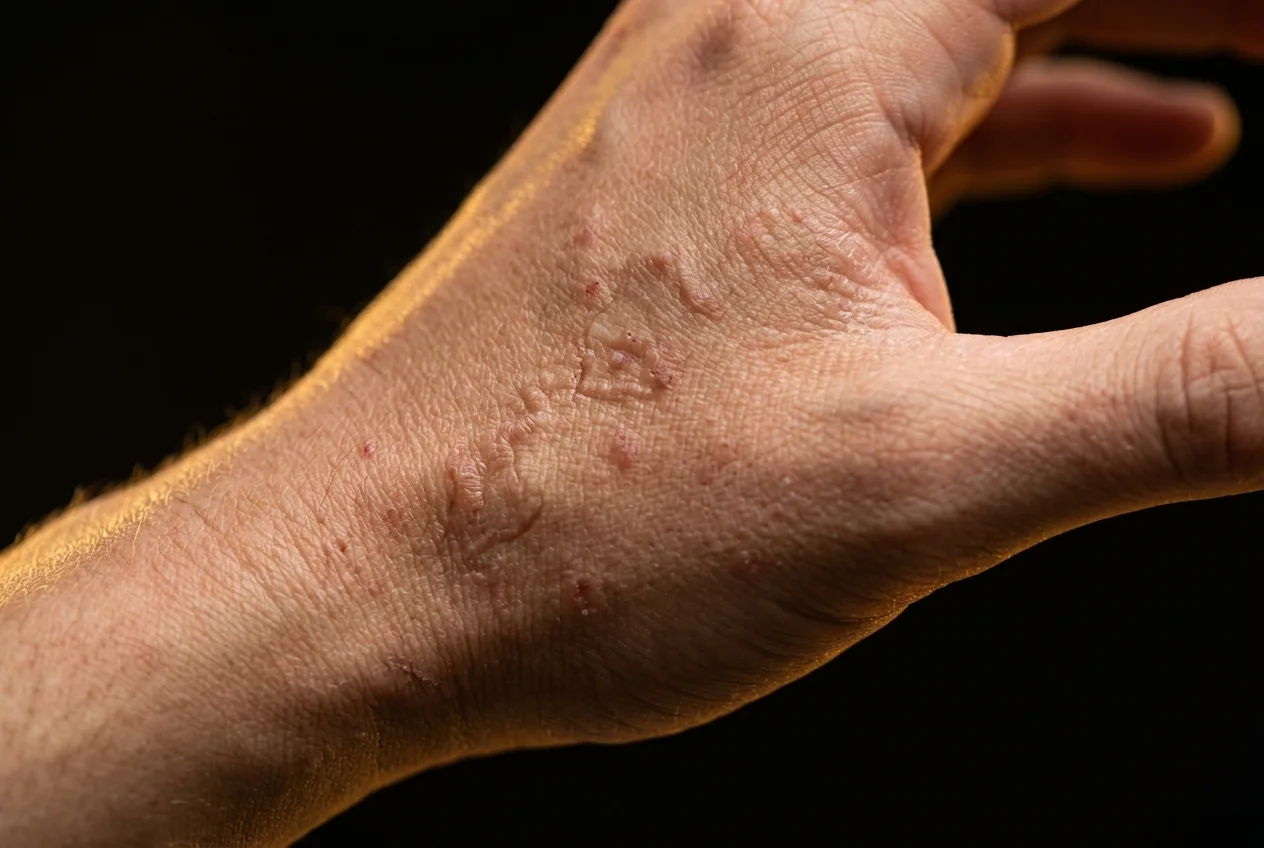
Cutaneous larva migrans is a parasitic infection acquired by contact with contaminated sand or soil. Learn about its symptoms, the characteristic winding track, how it is diagnosed and the most effective antiparasitic treatments.
Cutaneous mycoses are very common and usually benign fungal infections. Learn how to recognise them, what antifungal treatment involves, what care to follow (pool, sea, sauna, dressings) and how to prevent relapses.
Erysipelas is an acute bacterial infection of the skin that causes redness, heat, pain and fever. Learn about its causes, treatment and how to prevent relapses through adequate skin care.
Folliculitis is an inflammation of the hair follicle that can be caused by bacteria, fungi or irritation. Learn why it appears, how it is diagnosed and which treatments help prevent new flare-ups.
Genital herpes is a frequent sexually transmitted infection caused by the herpes simplex virus. Learn how it is transmitted, how to recognise the symptoms, what treatments exist and how to prevent new outbreaks and contagion.
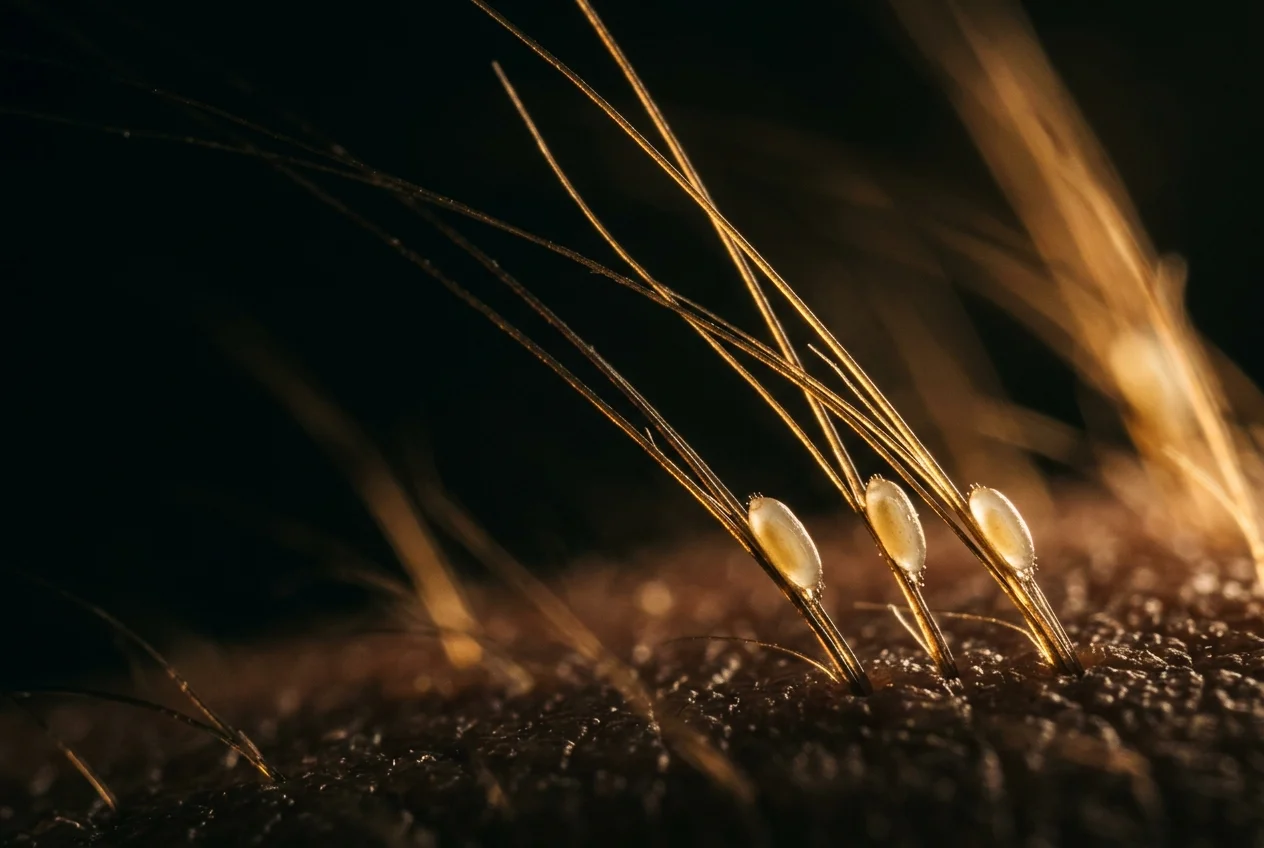
Pediculosis is a very frequent infestation of the scalp caused by lice. Learn to identify the symptoms, apply the treatment correctly and follow the necessary measures to avoid new infestations.
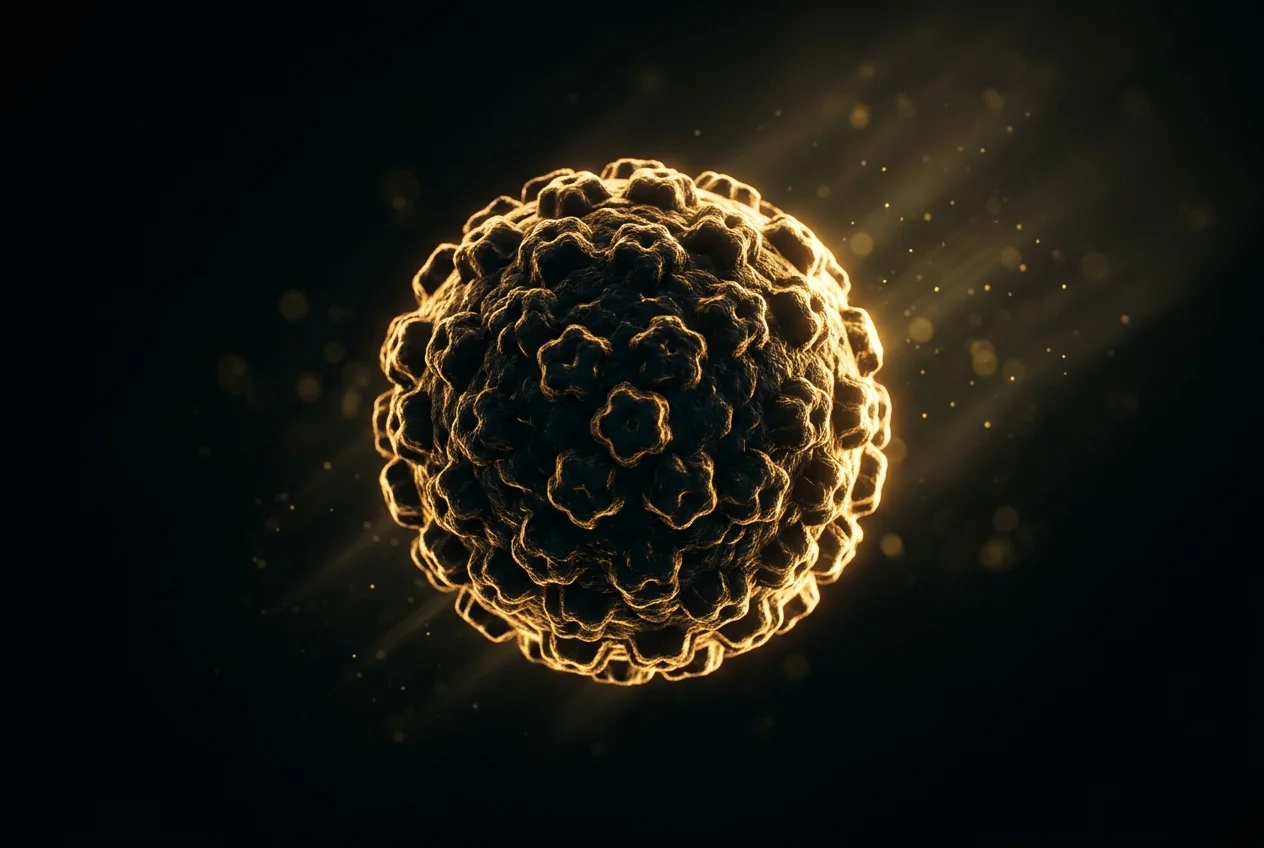
The human papillomavirus (HPV) is a very frequent infection that can cause genital warts and, in some cases, precancerous lesions. Learn how it is transmitted, how to prevent it and the importance of vaccination and periodic screening.
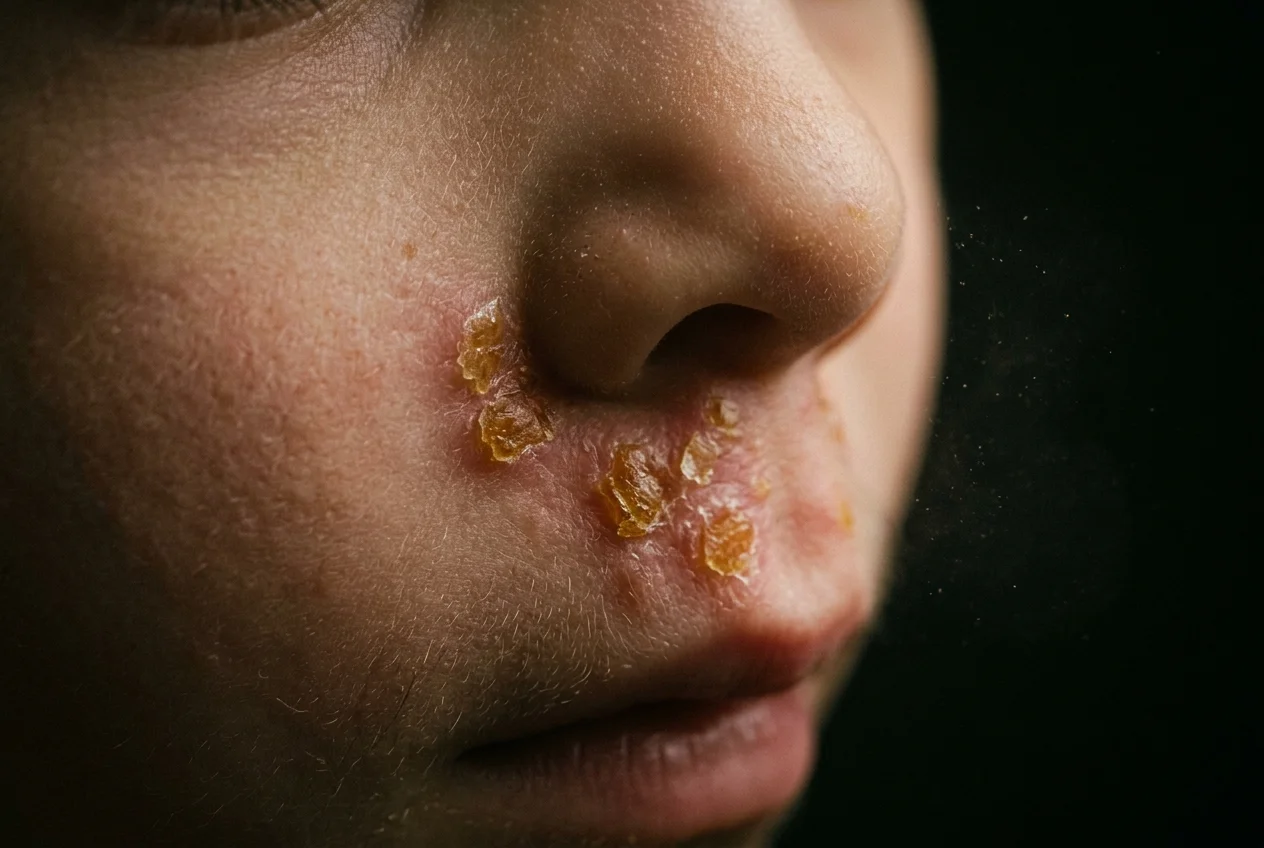
Impetigo is a highly contagious superficial bacterial infection that causes characteristic yellow crusts. Learn about its causes, symptoms, treatment and how to avoid contagion.
Insect bites usually cause itching, redness and swelling and, in most cases, evolve favourably. Discover how to treat them, when to see the doctor and what measures help to prevent them.
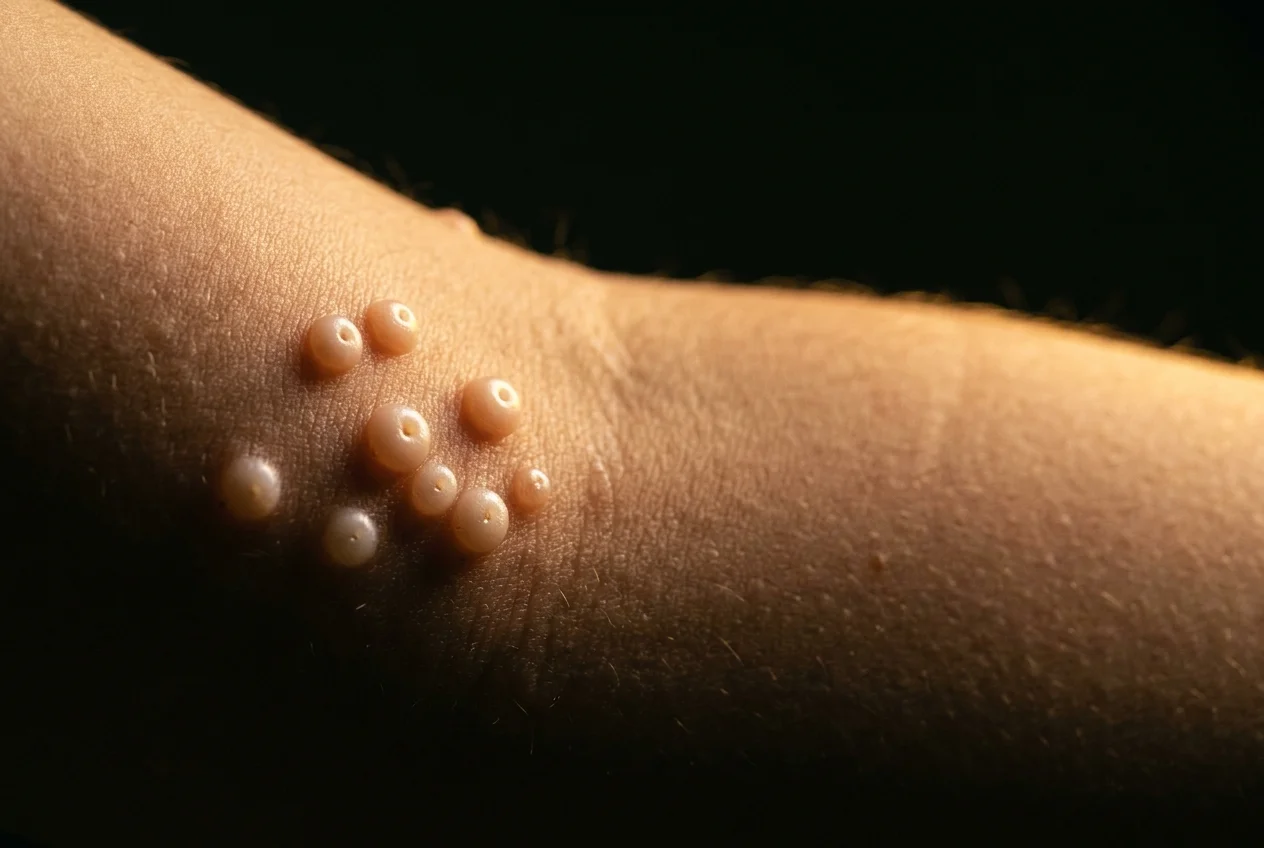
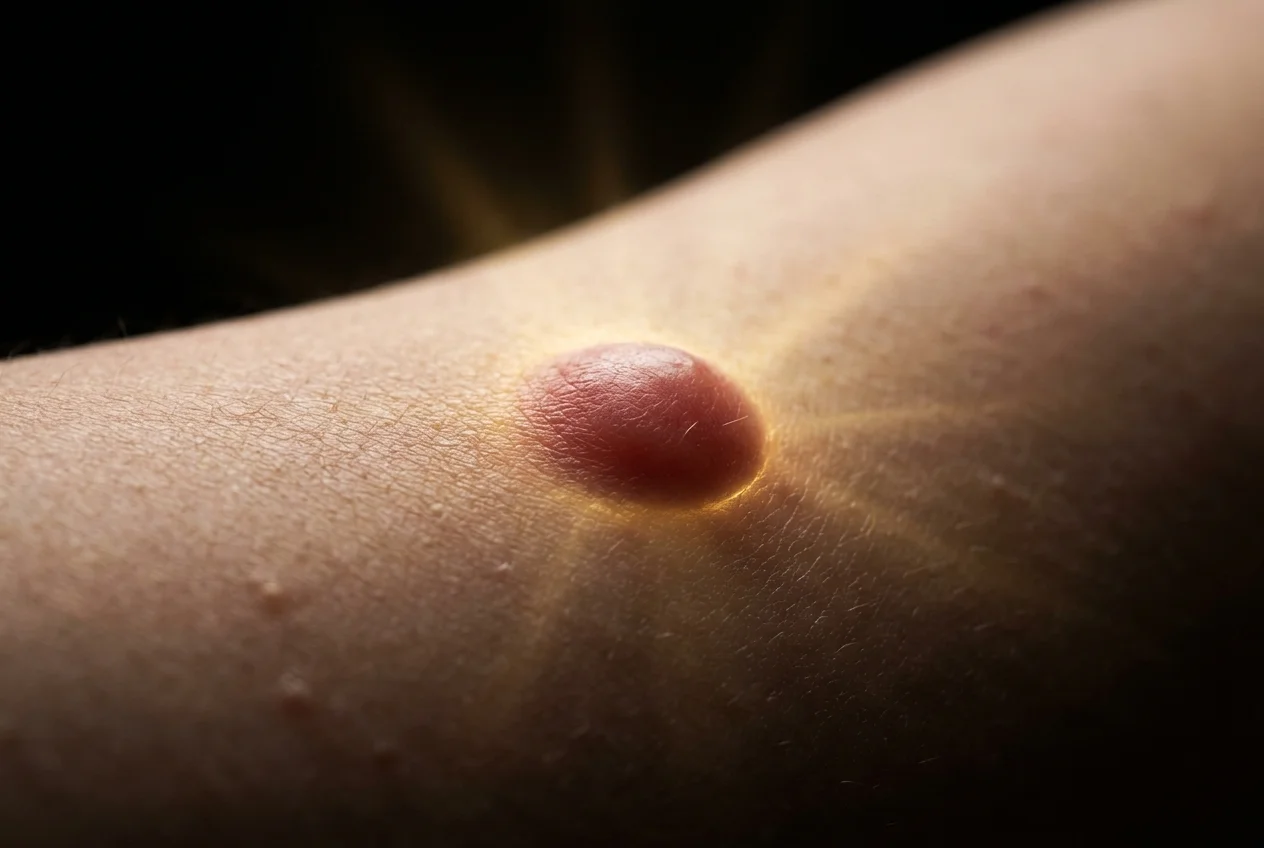
Molluscum contagiosum is a common viral infection that produces small rounded lesions on the skin. Learn about its modes of transmission, the available treatments and how to prevent its spread.
Reactions to insect bites can vary from mild inflammation to a serious allergic reaction. Discover how to differentiate them, which treatments are most effective and when it is necessary to see the doctor.
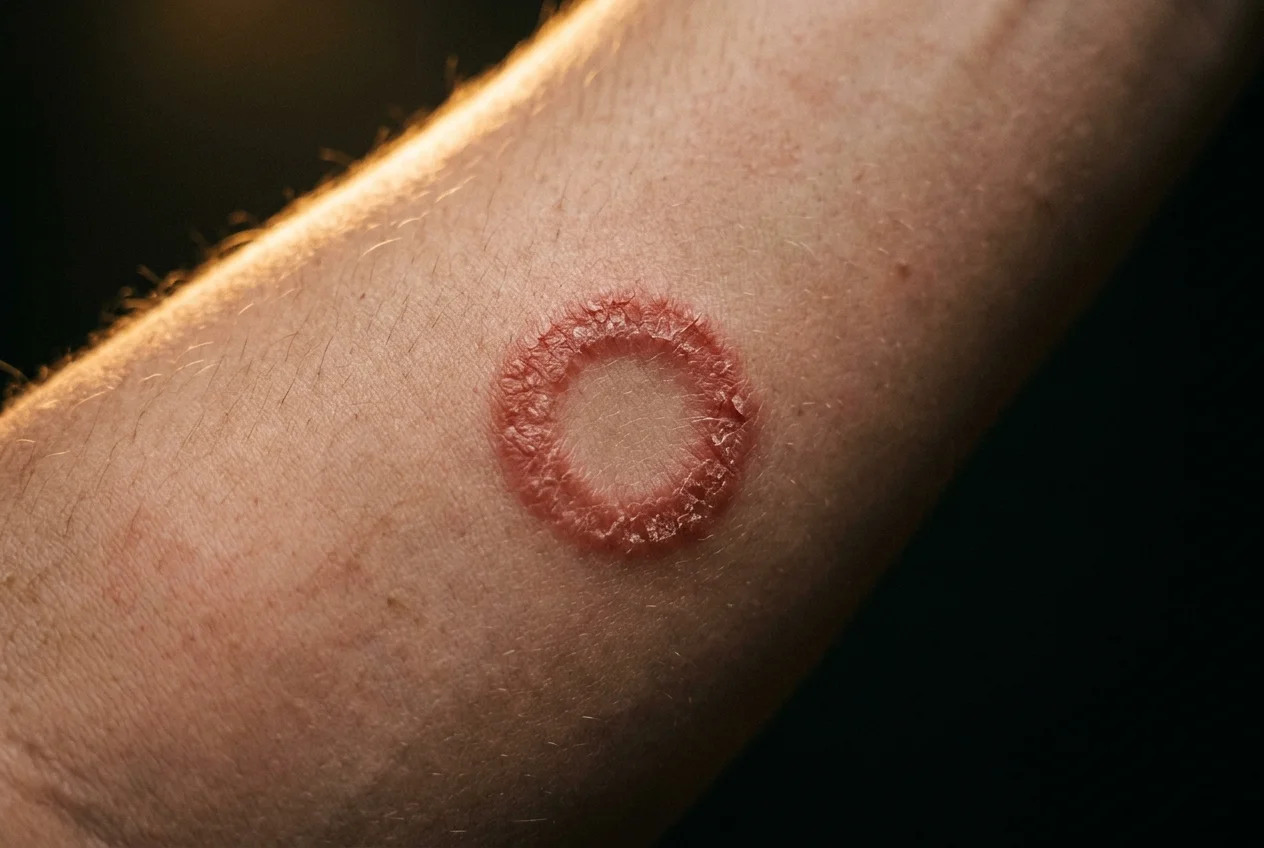
Ringworm of the body is a skin infection caused by dermatophyte fungi that produces ring-shaped patches with scaling and itching. Learn how it is transmitted, how it is diagnosed and what the most effective treatments are to eliminate the infection.
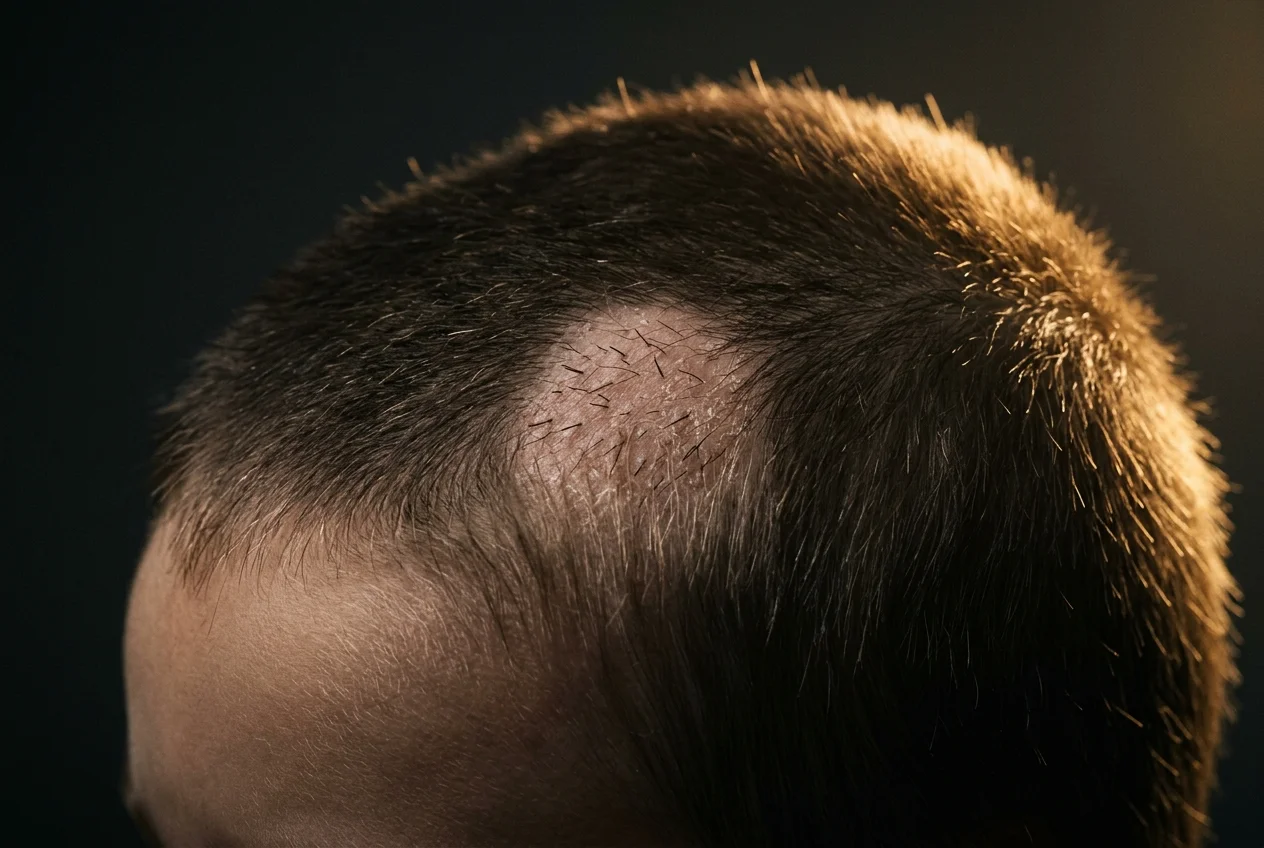
Ringworm of the scalp is a fungal infection that mainly affects children and can produce scaling and hair loss. Discover how it is spread, how it is diagnosed and what the most effective treatment is to achieve a complete cure.
Scabies is a skin infestation caused by a microscopic mite. Learn to recognise its symptoms, apply the treatment correctly and follow the hygiene and washing measures necessary to eliminate the infestation and avoid reinfestations.
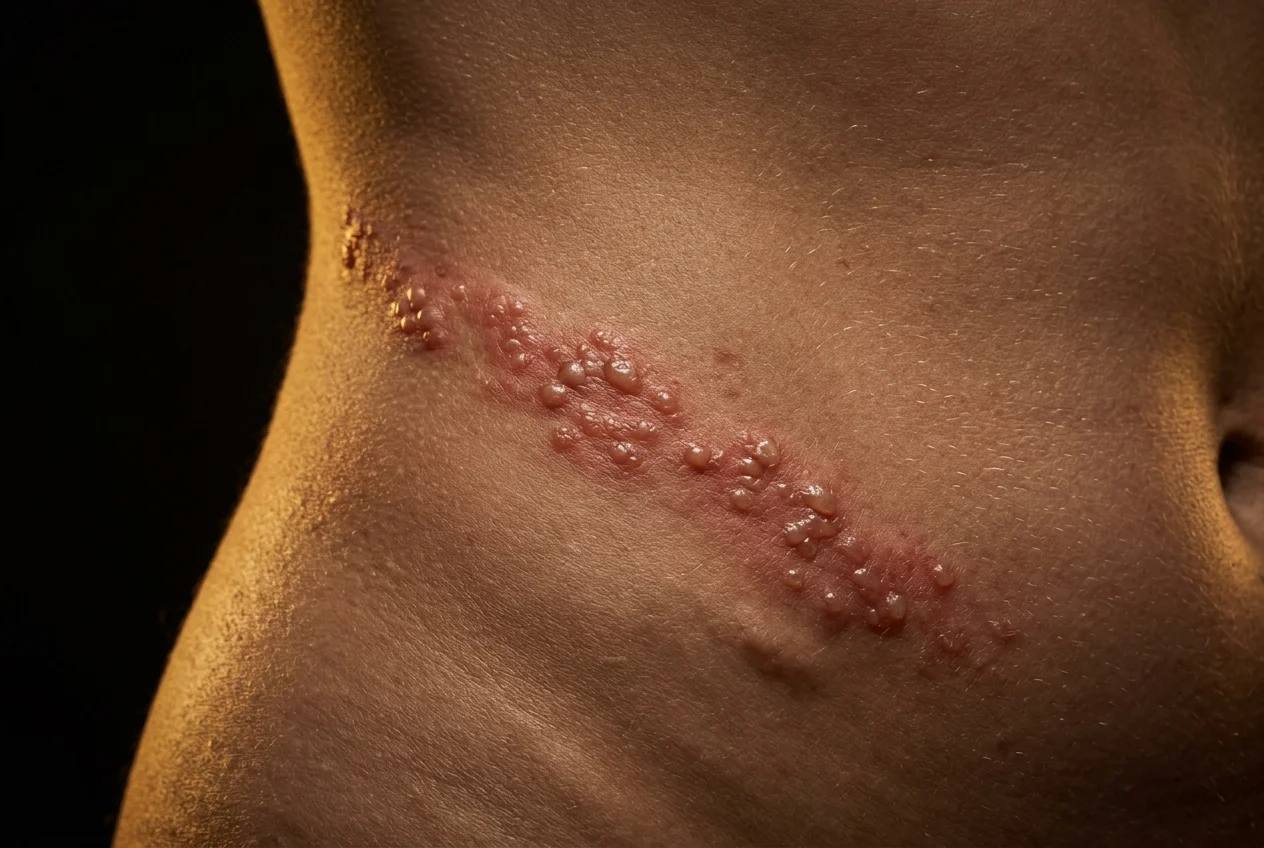
Shingles is the reactivation of the chickenpox virus and produces a painful rash with blisters on one side of the body. Learn about its causes, treatment, complications and the role of the vaccine in its prevention.
The subcutaneous abscess is an accumulation of pus under the skin caused by a bacterial infection. Learn about its symptoms, treatment, when it needs to be drained and how to prevent new episodes.
Tick bites are usually mild, but some can transmit diseases. Discover how to remove them correctly, what symptoms to monitor and when to consult the doctor for an appropriate assessment.
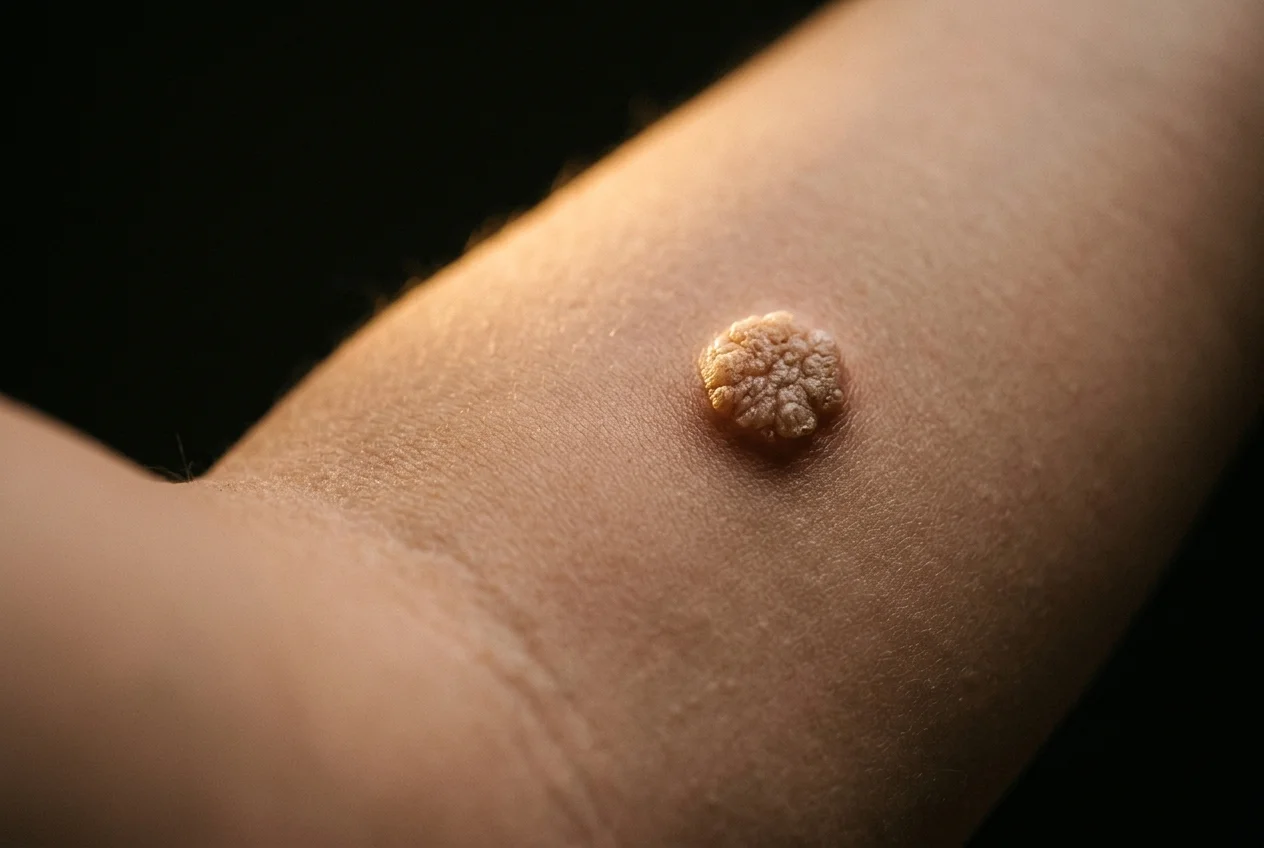
Warts are benign lesions caused by the human papillomavirus. Learn how they are transmitted, the different types of warts and the most effective treatments to remove them.
We use cookies to improve your experience and for analytics.