Cutaneous mycoses (skin fungal infections)
Recognise, treat and prevent skin fungal infections
Cutaneous mycoses are very common and usually benign fungal infections. Learn how to recognise them, what antifungal treatment involves, what care to follow (pool, sea, sauna, dressings) and how to prevent relapses.
What are cutaneous mycoses?
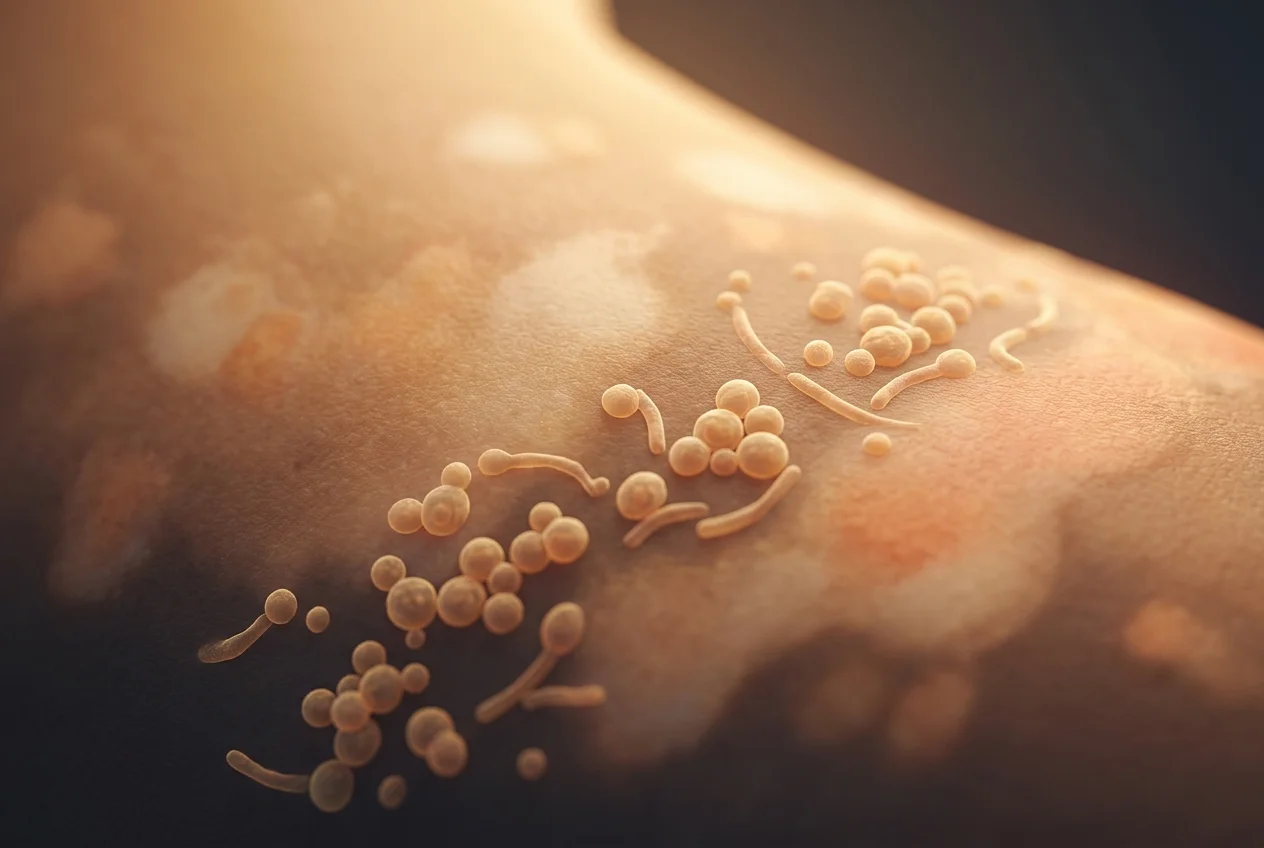
Cutaneous mycoses are infections of the skin, nails or hair caused by fungi. They are very common, usually benign and, in most cases, heal completely with the right treatment.
The fungi that affect the skin belong mainly to three groups: dermatophytes (responsible for the so-called "ringworm" or tinea), yeasts of the Candida genus and the fungus Malassezia, which causes pityriasis versicolor.
These fungi grow particularly well in warm, humid environments, so areas of sweating and friction (feet, folds and groin) are the most affected.
The most frequent types
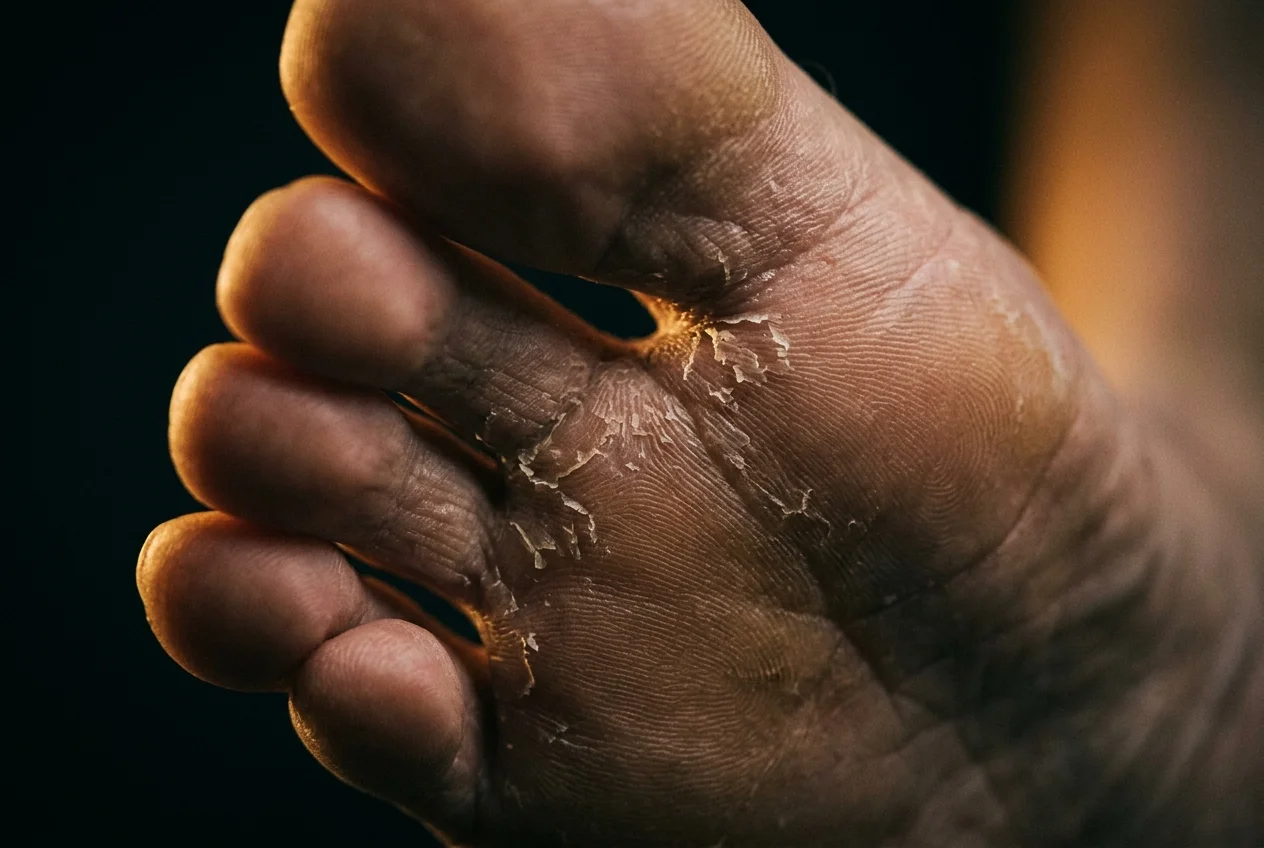
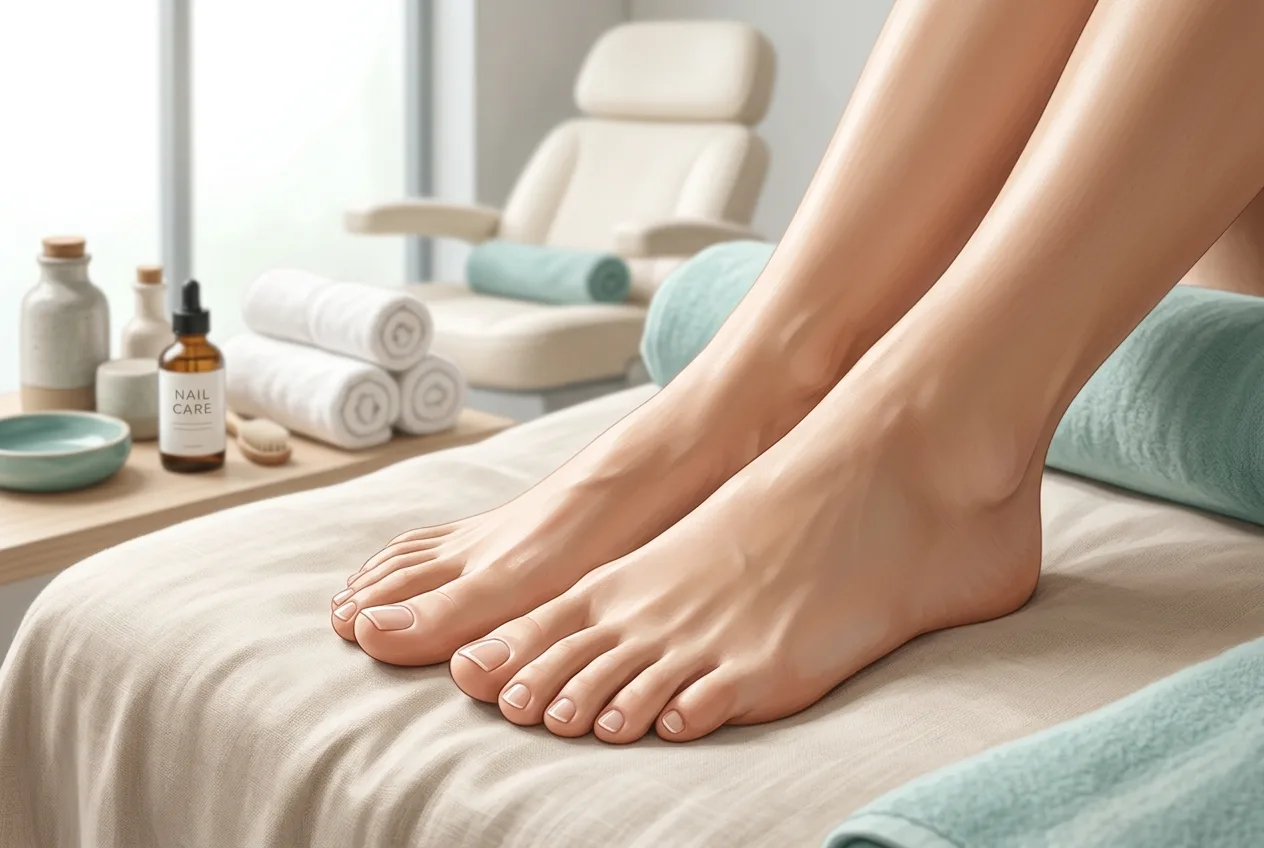
Athlete's foot (tinea pedis). Scaling, cracks and itching between the toes. It is the most common mycosis.
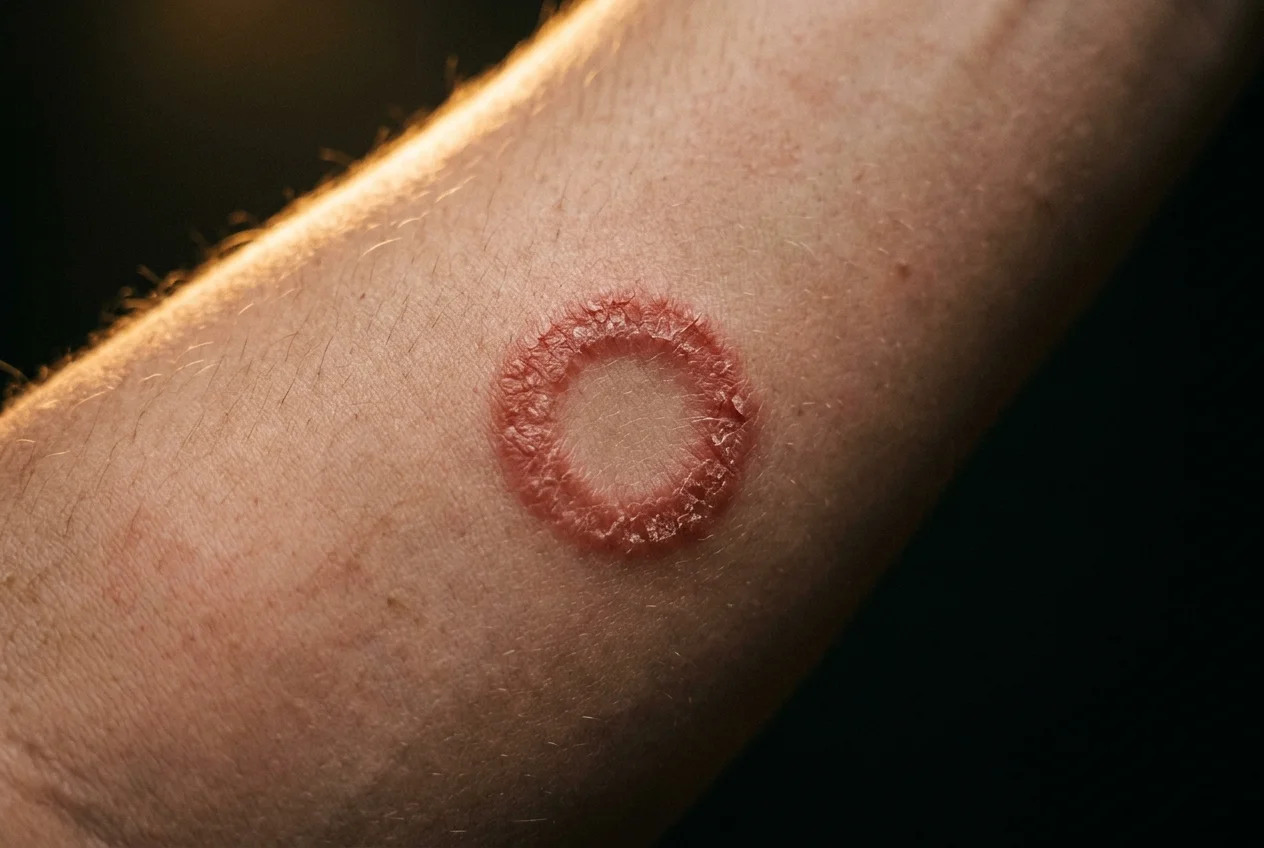
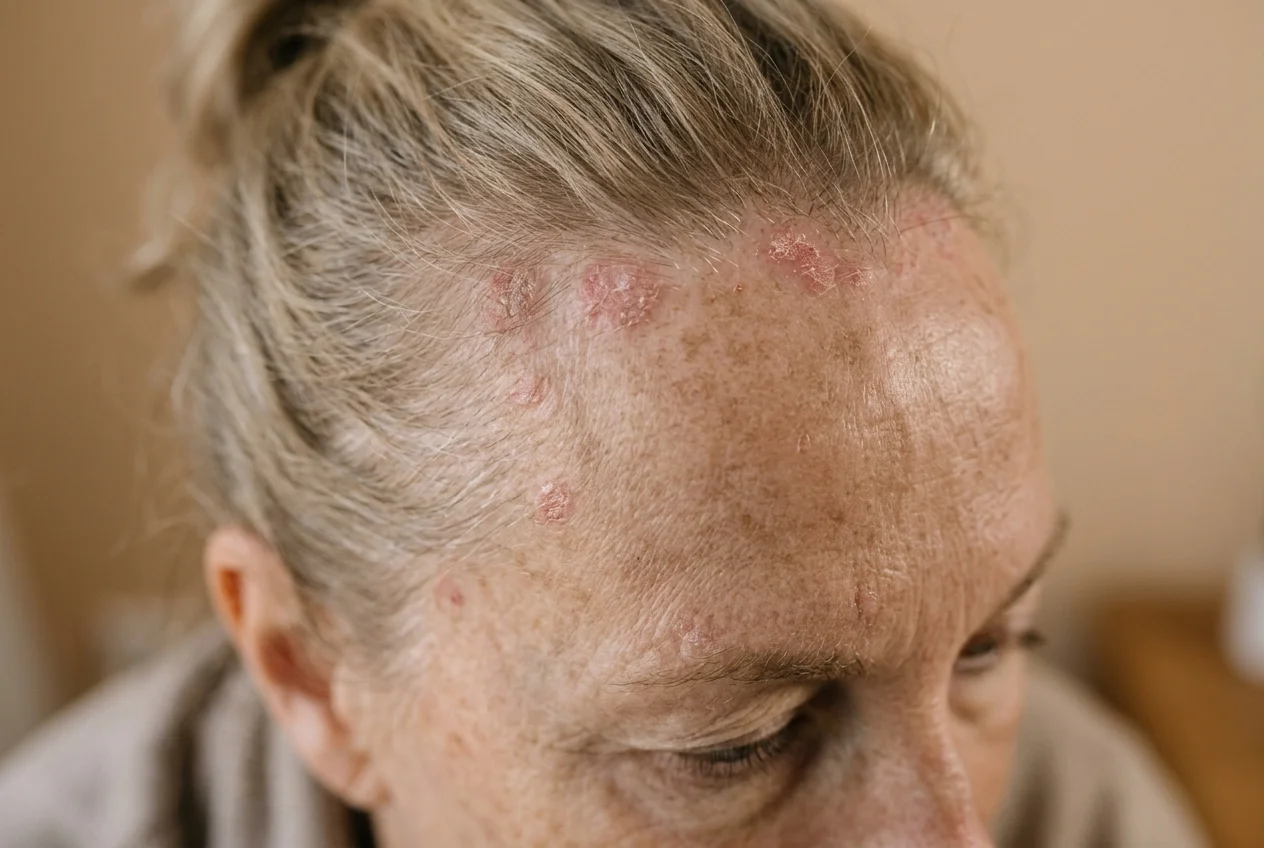
Tinea of the body (ringworm). Round, reddish patches with a more marked, scaly edge and a clearer centre, spreading slowly.
Tinea of the groin. Redness and itching in the groin folds, common in people who sweat a lot or play sport.
Onychomycosis (nail fungus). The nail thickens, changes colour (yellowish or whitish) and becomes brittle. It is more common in toenails.
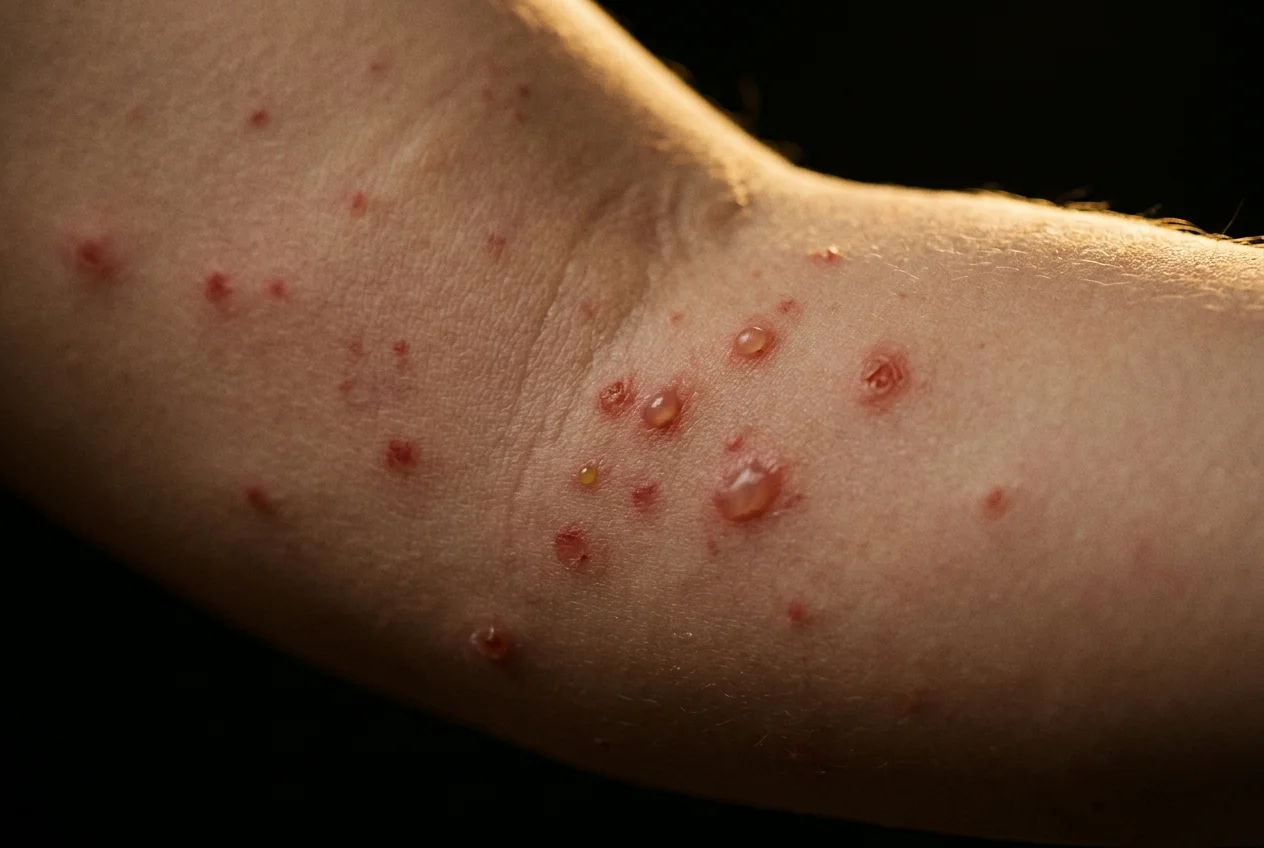
Cutaneous candidiasis. Appears in moist folds (under the breasts, armpits, groin, corners of the mouth) as redness with small lesions around it.
Pityriasis versicolor. Light or dark patches, mainly on the back and chest, which become more visible with tanning.
How to recognise them?
Although each type has its own features, some signs should suggest a mycosis:
- persistent itching in a specific area;
- scaling or skin that "peels";
- reddish patches with a well-defined edge that grow gradually;
- cracks between the toes;
- thickened, yellowish or brittle nails;
- light or dark patches that do not disappear with moisturising.
Itching and scaling are the most usual symptoms, although some mycoses, such as pityriasis versicolor, cause hardly any discomfort.
How are they spread? Risk factors
Many fungi are transmitted by direct contact with infected people or animals, or indirectly through shared damp surfaces, such as pool floors, changing rooms, showers or towels.
Factors that favour them:
- heat and humidity (sweating, closed footwear);
- walking barefoot in damp common areas;
- sharing towels, footwear or sports equipment;
- diabetes and other conditions that lower the defences;
- prolonged use of antibiotics or corticosteroids;
- wearing tight or poorly breathable clothing.
How are they diagnosed?
In many cases, the doctor can recognise a mycosis through a clinical examination of the skin and nails.
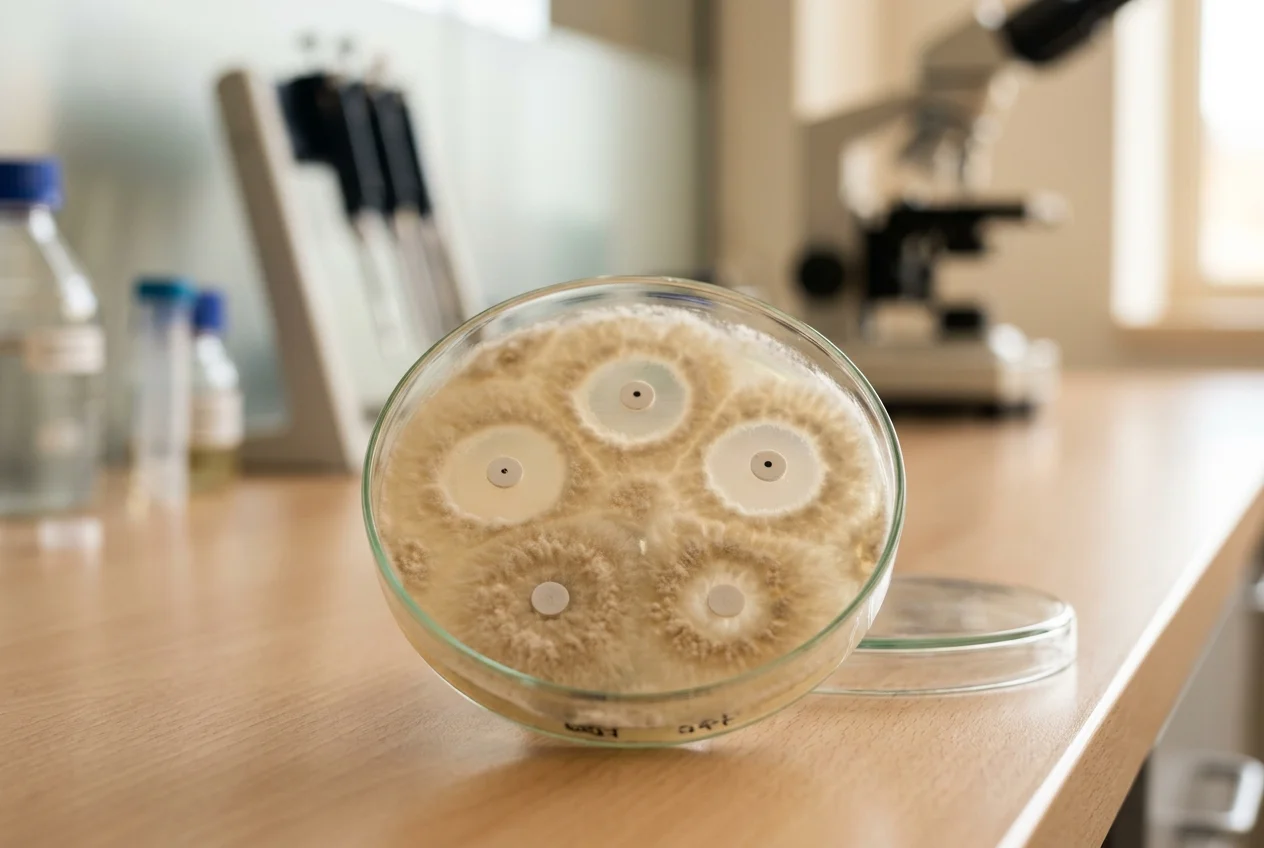
When there is doubt, or before starting a prolonged oral treatment, a small sample (a scraping of the skin or nail) can be taken to examine it under the microscope or to carry out a culture. These tests confirm the presence of the fungus and identify its type, which helps to choose the most appropriate treatment.
What is the treatment?
Treatment depends on the type of mycosis, its extent and the area affected.
Topical antifungals. Creams, gels, powders or solutions applied directly to the skin. They are the treatment of choice for localised, not very extensive mycoses.
Oral antifungals. They are reserved for more extensive or resistant forms, or those affecting the nails and scalp. They require a medical prescription and, in some cases, blood-test monitoring.
A key point is to maintain the treatment for the whole time indicated, even if the lesions appear to have disappeared. Stopping it too soon is one of the most frequent causes of relapse. In nails, healing may take several months because a new, healthy nail has to grow.
Care during treatment (pool, sea, sauna, dressings)
During an active mycosis it is advisable to take extra care with hygiene and to avoid the environments that favour fungi:
- avoid saunas and steam baths while the lesion is active;
- be cautious with the pool and the sea until the infection is under control, especially if the lesion is extensive or on the feet;
- if you do bathe, dry the area very well immediately afterwards and always use a clean towel for your personal use only;
- in general, do not cover the lesion with an occlusive dressing: the moisture it retains favours fungi and can facilitate a superinfection. It is better to keep the skin clean, dry and exposed to the air whenever possible.
You can find more details in our "Ask the doctor" section, where Doctor Vallecillo specifically addresses these questions.
What should I avoid?
- scratching the lesions, as it helps them spread and become superinfected;
- sharing towels, footwear, socks or manicure equipment;
- wearing tight or poorly breathable clothing and footwear;
- applying corticosteroids on your own: they can mask the mycosis and make it worse;
- stopping the treatment too soon.
How to prevent mycoses?
- dry the skin well, especially between the toes and in the folds;
- wear breathable footwear and cotton socks, and change them if they get damp;
- use flip-flops in pools, changing rooms and shared showers;
- do not share towels or footwear;
- keep the nails short and clean;
- keep conditions such as diabetes well controlled.
When should you consult?
It is advisable to seek a consultation if:
- the lesions do not improve after two or three weeks of treatment;
- they spread quickly or are very bothersome;
- they affect the nails or the scalp;
- pus, intense pain, fever or significant surrounding redness appear (possible bacterial superinfection);
- the mycoses recur frequently;
- you have diabetes or lowered defences.
The key points to remember
- Cutaneous mycoses are frequent fungal infections, almost always benign and curable.
- Itching, scaling and patches with a marked edge are their most typical signs.
- Heat, humidity and shared surfaces favour contagion.
- Treatment must be completed for the whole indicated time to avoid relapses.
- Keeping the skin clean, dry and exposed to the air helps healing; occlusive dressings are not recommended.
In the face of persistent lesions, affected nails or recurrent mycoses, the assessment of a doctor specialised in skin is advisable; they will confirm the diagnosis and establish the most appropriate treatment.
Frequently asked questions
Do mycoses heal completely?
Yes. Most heal completely with the right treatment, although those of the nails can take several months.
Can I go to the pool if I have a fungal infection?
It is preferable to avoid it until the infection is under control, especially if the lesion is extensive or on the feet, because of the risk of contagion. If you do bathe, dry the area very well afterwards.
Is it better to cover the lesion?
No. Occlusive dressings retain moisture and favour fungi. It is better to keep the skin clean, dry and exposed to the air.
Why do they keep coming back?
Relapses are usually due to stopping the treatment too soon, to re-exposure (footwear, humidity) or to personal factors such as diabetes.
Are they contagious?
Many are, through direct contact or via shared damp surfaces such as showers, changing rooms or towels.
Need personalised guidance?
This guide is for information only and does not replace a medical consultation. For an assessment tailored to your case, you may request a consultation.
Request a consultationTopics