Human papillomavirus (HPV)
Very frequent sexually transmitted infection
The human papillomavirus (HPV) is a very frequent infection that can cause genital warts and, in some cases, precancerous lesions. Learn how it is transmitted, how to prevent it and the importance of vaccination and periodic screening.
What is the human papillomavirus (HPV)?
The human papillomavirus (HPV) is one of the most frequent sexually transmitted infections in the world. It is estimated that most sexually active people will come into contact with the virus at some point in their life. There are more than 200 types of HPV, although not all cause disease.
Some types cause genital warts, while others can favour the development of certain cancers if the infection persists for many years. It is important to know that having an HPV infection does not mean having cancer, nor does it necessarily imply that it will develop in the future. In most people, the immune system eliminates the virus spontaneously.
Why does it appear?
HPV is transmitted mainly by direct contact of the skin or mucous membranes during sexual intercourse, whether vaginal, anal or oral. Complete penetration is not necessary for contagion to occur.
Why is it so frequent? Because the virus can be transmitted even if the person has no symptoms, many people are unaware that they are infected and the infection is usually completely asymptomatic.
Who is at greater risk? The risk increases with early onset of sexual intercourse, multiple sexual partners, intercourse without a condom (although the condom reduces the risk, it does not eliminate it completely), a weakened immune system and smoking.
What types of HPV exist?
There are two large groups.
Low-risk HPV. They mainly produce genital warts (condylomas). The most frequent types are HPV 6 and HPV 11.
High-risk HPV. They can favour the development of some cancers when the infection persists for years. Among them are HPV 16, HPV 18, HPV 31, HPV 33, HPV 45 and other high-risk types.
What are the symptoms?
Most HPV infections do not produce any symptoms. When clinical manifestations appear, the most frequent are:
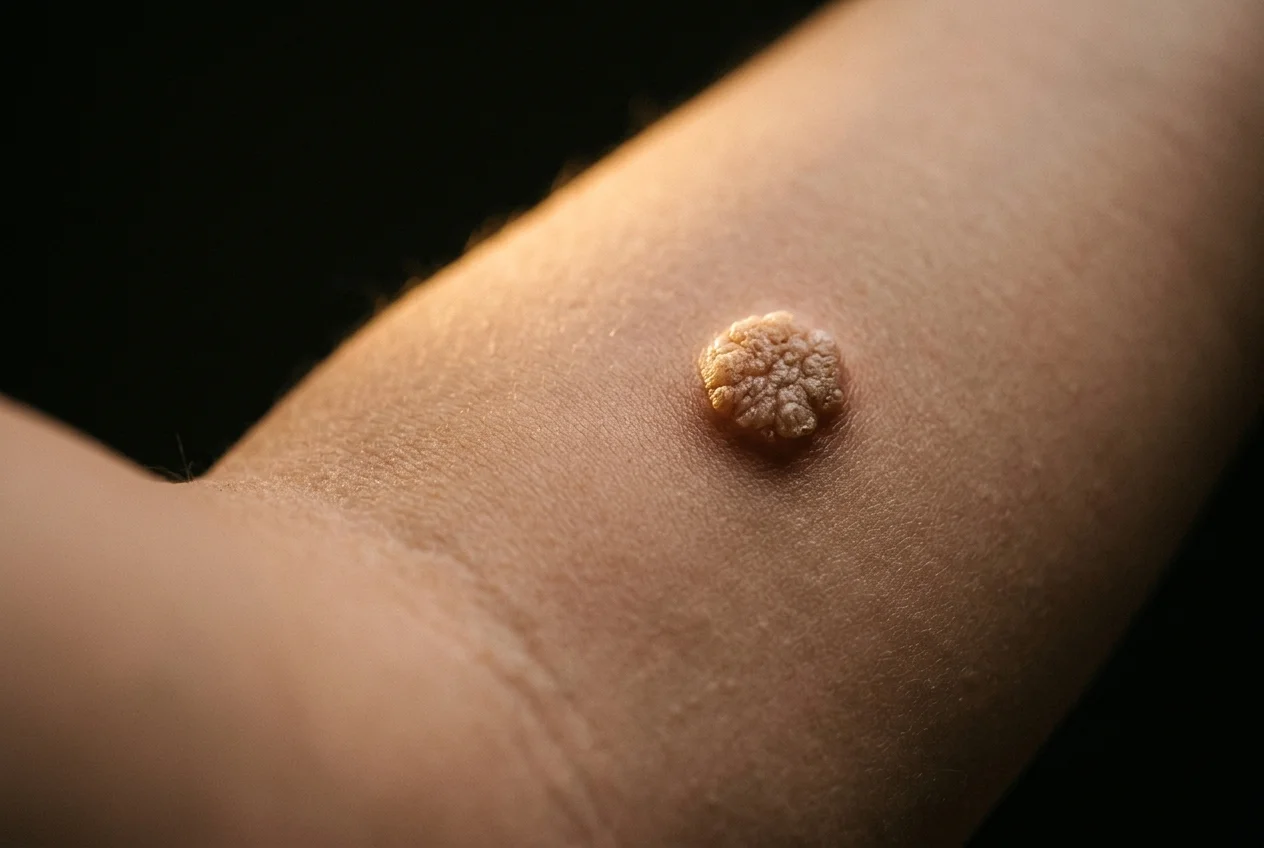
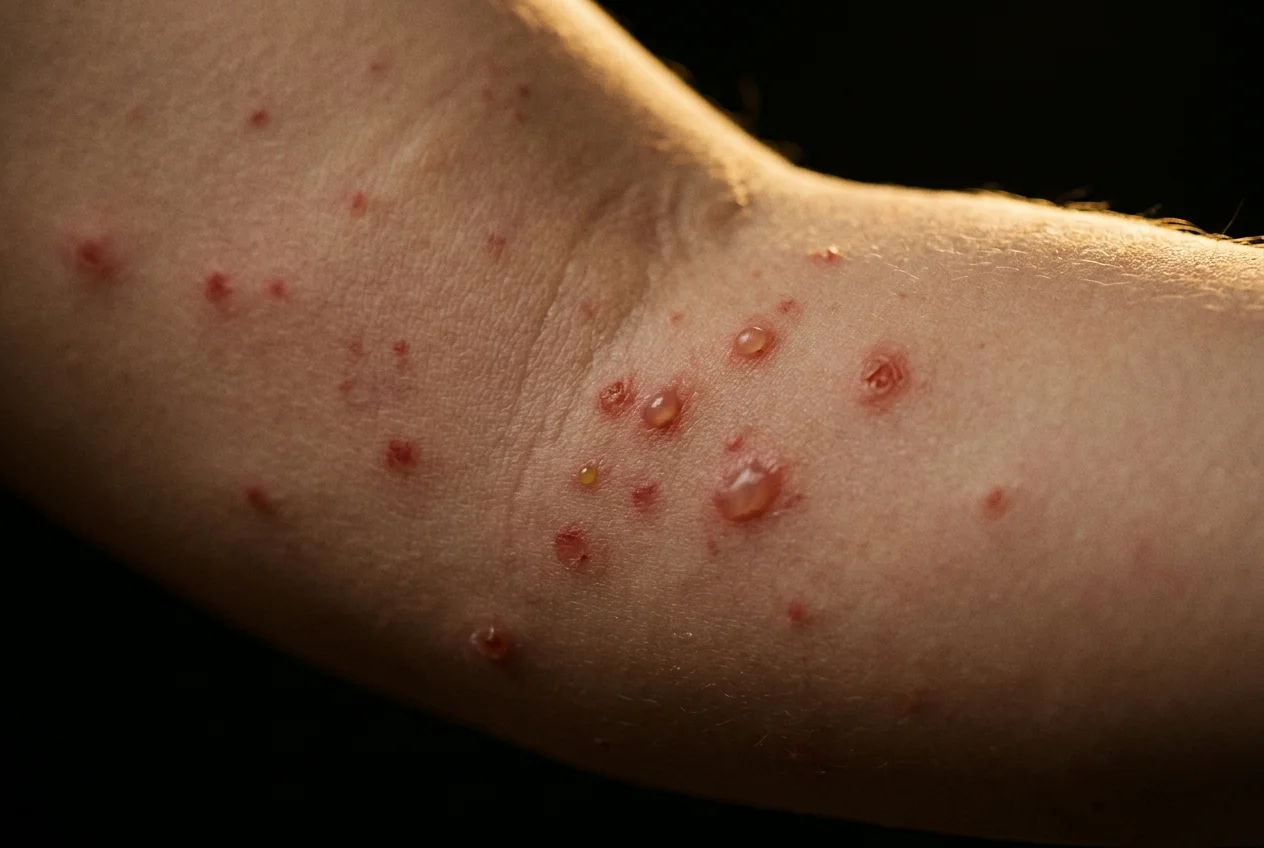
Genital warts. They can appear on the vulva, vagina, penis, scrotum, anus and perianal region. They are usually soft, skin-coloured, single or multiple and with a «cauliflower» appearance in some cases.
Precancerous lesions. They do not produce symptoms. They can only be detected through gynaecological examinations, cytologies, HPV tests or specific medical examinations.
What diseases can it cause?
Although most infections disappear spontaneously, some types of HPV can favour the development of cervical cancer, vulvar cancer, vaginal cancer, penile cancer, anal cancer and some oropharyngeal cancers (tonsils and base of the tongue).
These cancers usually develop after many years of persistent infection, not immediately after contagion.
How is it diagnosed?
It depends on the type of lesion.
Genital warts. They are generally diagnosed through clinical examination.
Women. Cervical cytology (Pap smear), a specific HPV detection test and colposcopy when indicated can be performed.
Men. There is currently no systematic screening programme for healthy men. Clinical examination is usually sufficient when there are visible lesions. In specific cases, other tests can be performed depending on the location.
What treatments are available?
There is currently no treatment that directly eliminates the virus. Treatment is aimed at eliminating visible lesions or treating cellular alterations.
Treatment of warts. It can include cryotherapy, specific acids, electrosurgery, laser and immunomodulatory treatments.
Treatment of precancerous lesions. It will depend on the location and the degree of involvement. In women, procedures such as conisation, excision of the lesion or other treatments indicated by the gynaecologist can be performed.
What can you do day to day?
To reduce the risk of infection and complications it is recommended to:
- Get vaccinated against HPV when indicated.
- Use a condom during sexual intercourse, although it does not protect 100 %.
- Not smoke.
- Attend the recommended gynaecological examinations.
- Inform the partner when there are visible genital lesions.
- Not manipulate the warts.
A balanced diet, adequate sleep and avoiding tobacco contribute to better functioning of the immune system.
What role does the vaccine play?
Vaccination against HPV is one of the most effective preventive measures available. Current vaccines protect against the types of virus responsible for the majority of HPV-related cancers and genital warts.
Vaccination offers maximum benefit before the onset of sexual intercourse, although in many people it can also be useful afterwards.
When should you seek prompt medical advice?
You should consult if you have newly appeared genital warts, unexplained genital bleeding, persistent lesions in the genital or anal area, changes in a previously known lesion, persistent pain or genital ulcers, or an abnormal result in a cytology or HPV test.
Myths and facts
- Myth: HPV always causes cancer. Fact: No. Most infections disappear spontaneously and never cause cancer.
- Myth: If I have HPV my partner has been unfaithful. Fact: Not necessarily. The virus can remain latent for years before being detected.
- Myth: Only women have HPV. Fact: Men and women can be infected and transmit the virus.
- Myth: The condom completely prevents contagion. Fact: It significantly reduces the risk, but does not offer total protection because the virus can be found in uncovered areas.
- Myth: The vaccine is used to treat an already existing infection. Fact: No. The vaccine prevents new infections, but does not eliminate the virus already acquired.
The key points to remember
- HPV is the most frequent sexually transmitted infection.
- Most infections disappear spontaneously.
- Some types produce genital warts and others can favour certain cancers if the infection persists for years.
- Vaccination is a very effective tool to prevent infection by the highest-risk types.
- Gynaecological examinations and screening tests make it possible to detect lesions before they progress.
- Having HPV does not mean having cancer.
Frequently asked questions
Does HPV disappear on its own?
Yes. In most people the immune system eliminates the infection within one or two years.
Can I have HPV without knowing it?
Yes. It is the most frequent situation.
Does HPV mean I have cancer?
No. The vast majority of infections never progress to cancer.
Should I stop having sexual intercourse?
Not necessarily. It is advisable to follow the medical indications and use a condom to reduce the risk of transmission.
Does the vaccine also protect men?
Yes. Vaccination benefits both men and women.
Are genital warts dangerous?
Generally no. They are benign lesions caused by low-risk types.
Can a wart reappear after treatment?
Yes. Although the lesion disappears, the virus can remain temporarily in the skin or mucous membranes.
Does tobacco have an influence?
Yes. Smoking makes it more difficult to eliminate the virus and increases the risk of persistent lesions.
Will I need medical check-ups?
It will depend on the type of lesion and the results of the tests performed.
Is there a cure?
In most cases the body eliminates the virus spontaneously. When lesions appear, there are effective treatments to control them and prevent complications.
Need personalised guidance?
This guide is for information only and does not replace a medical consultation. For an assessment tailored to your case, you may request a consultation.
Request a consultationTopics