Scabies
Skin infestation by a microscopic mite
Scabies is a skin infestation caused by a microscopic mite. Learn to recognise its symptoms, apply the treatment correctly and follow the hygiene and washing measures necessary to eliminate the infestation and avoid reinfestations.
What is scabies?
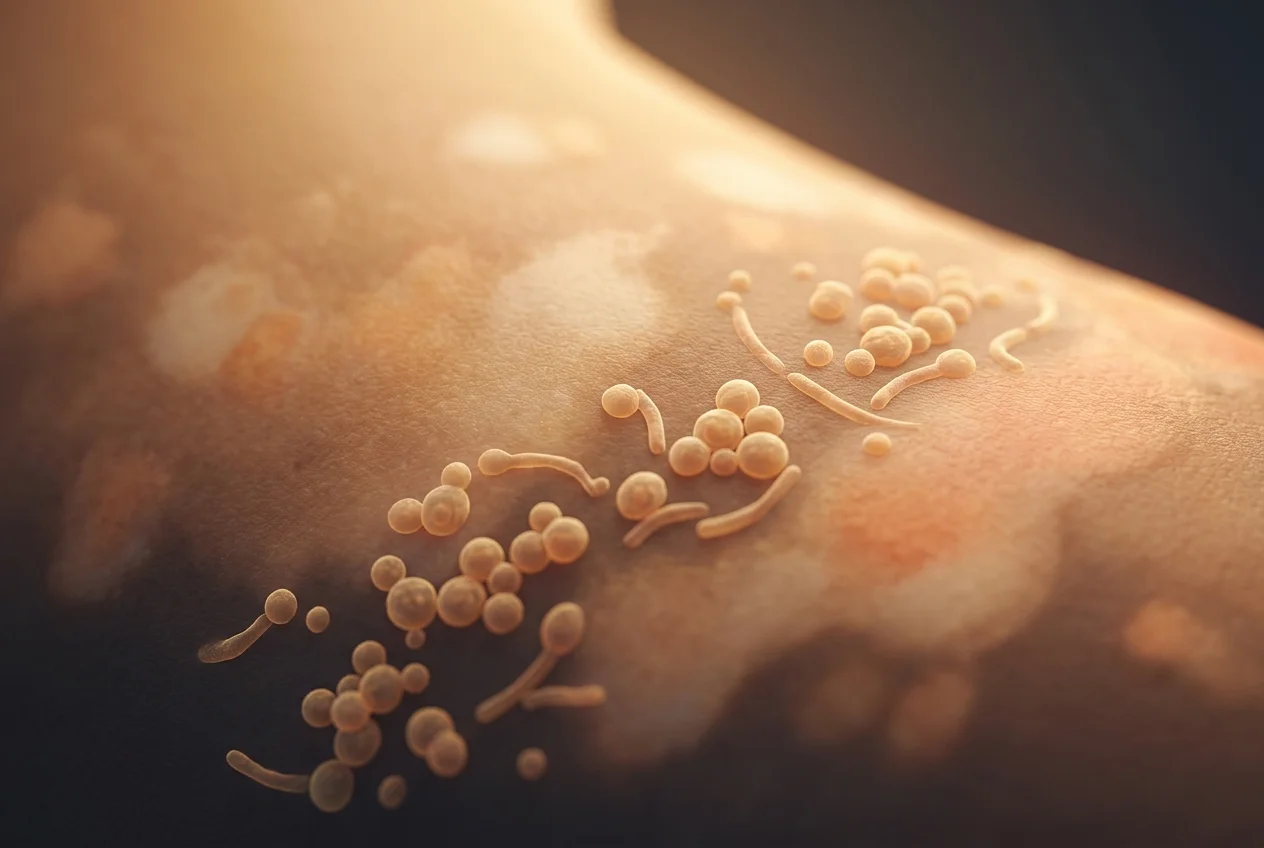
Scabies is an infestation of the skin caused by a small microscopic mite called Sarcoptes scabiei var. hominis.
The female mite digs small tunnels in the most superficial layer of the skin, where it deposits its eggs. The reaction of the immune system to the mite, its eggs and its excrement is responsible for the intense itching characteristic of the disease.
Scabies is not related to lack of hygiene and can affect people of any age, socioeconomic level or condition. It is a very frequent and completely treatable disease.
Why does it appear?
Transmission occurs mainly by direct, close and prolonged skin-to-skin contact with an infested person. For this reason, contagion is frequent between people living in the same home, sexual partners, care homes, nurseries and social-health centres.
Can it be spread by clothing or sheets? Yes, although it is much less frequent. Contagion through clothing, towels or bedding is possible, especially if they have been used recently by an infested person.
Why does the whole family start to itch? Because the incubation period can last between 2 and 6 weeks in a first infestation. During that time a person can infect others without knowing that they have scabies.
What are the symptoms?
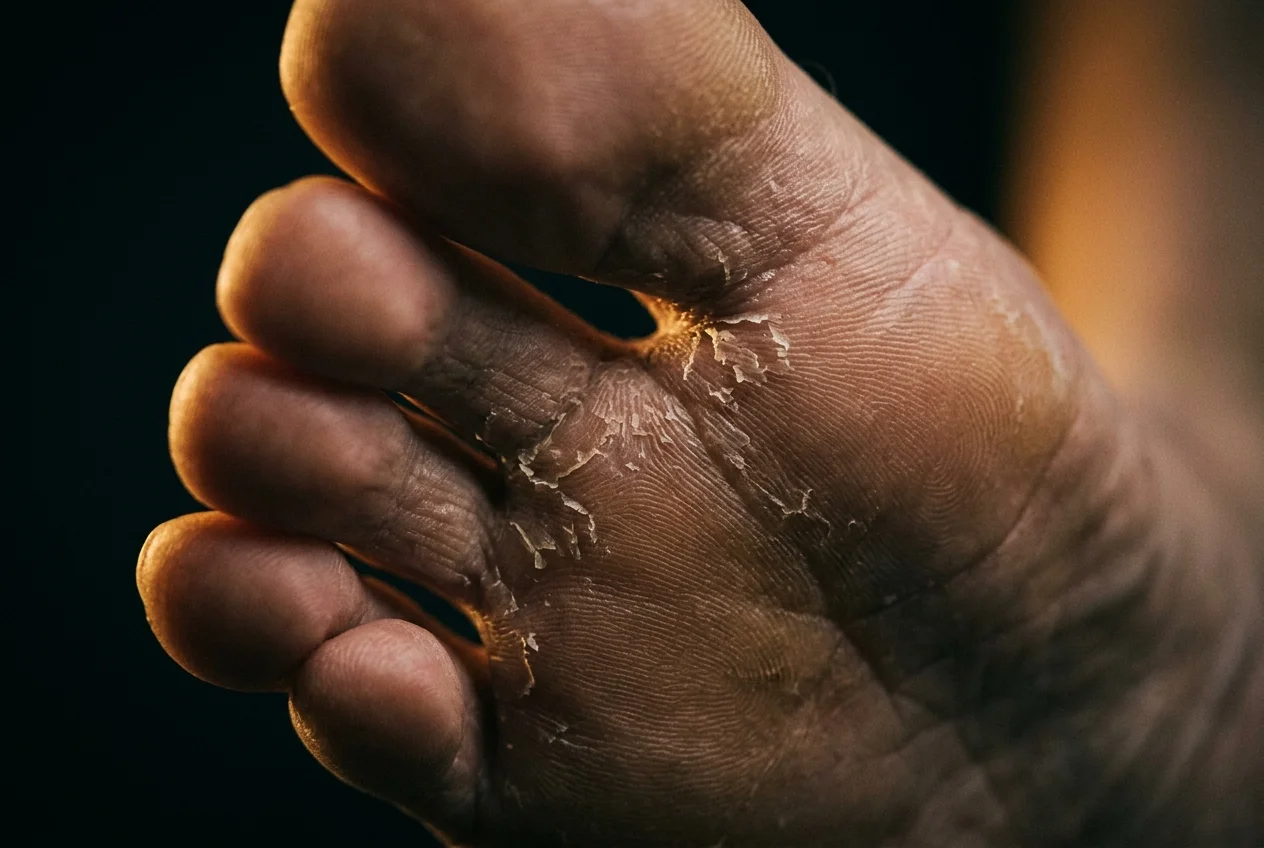
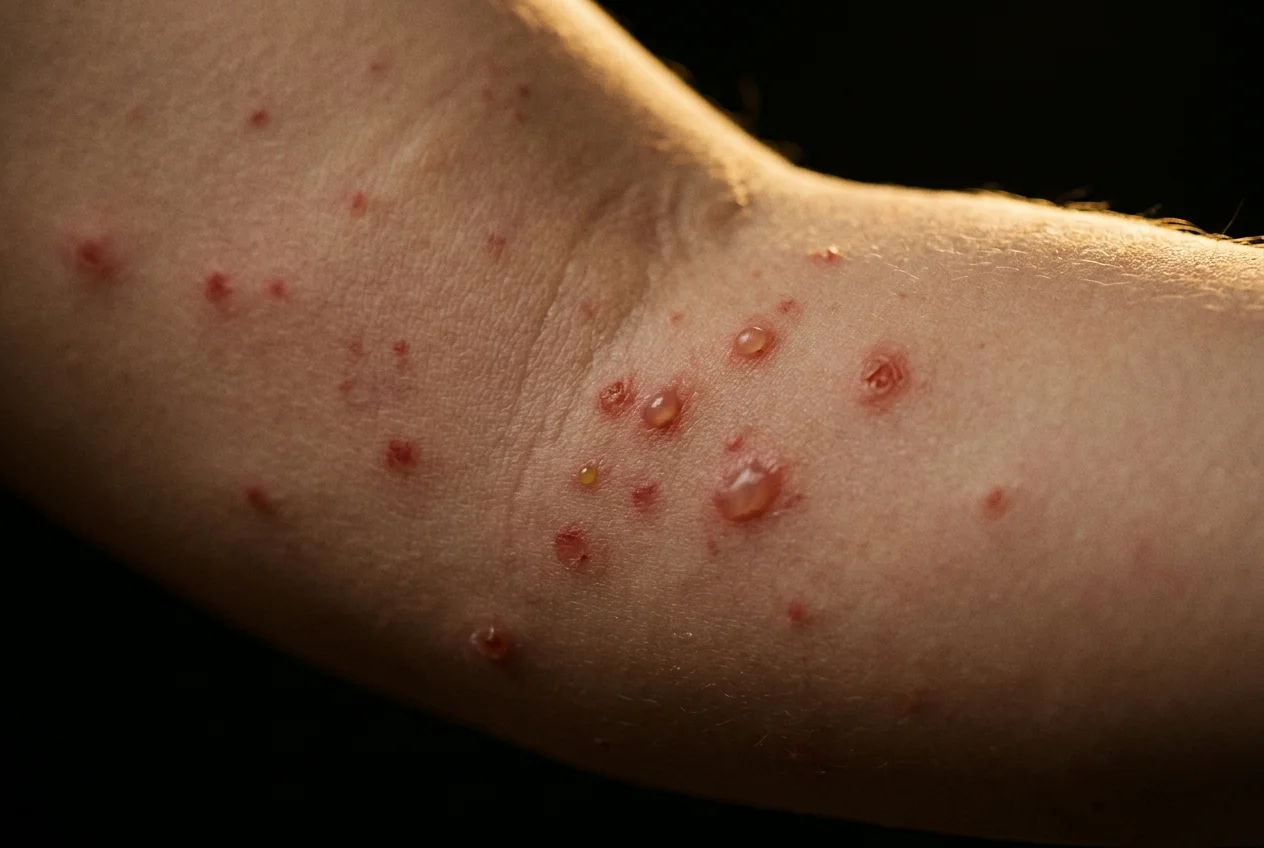
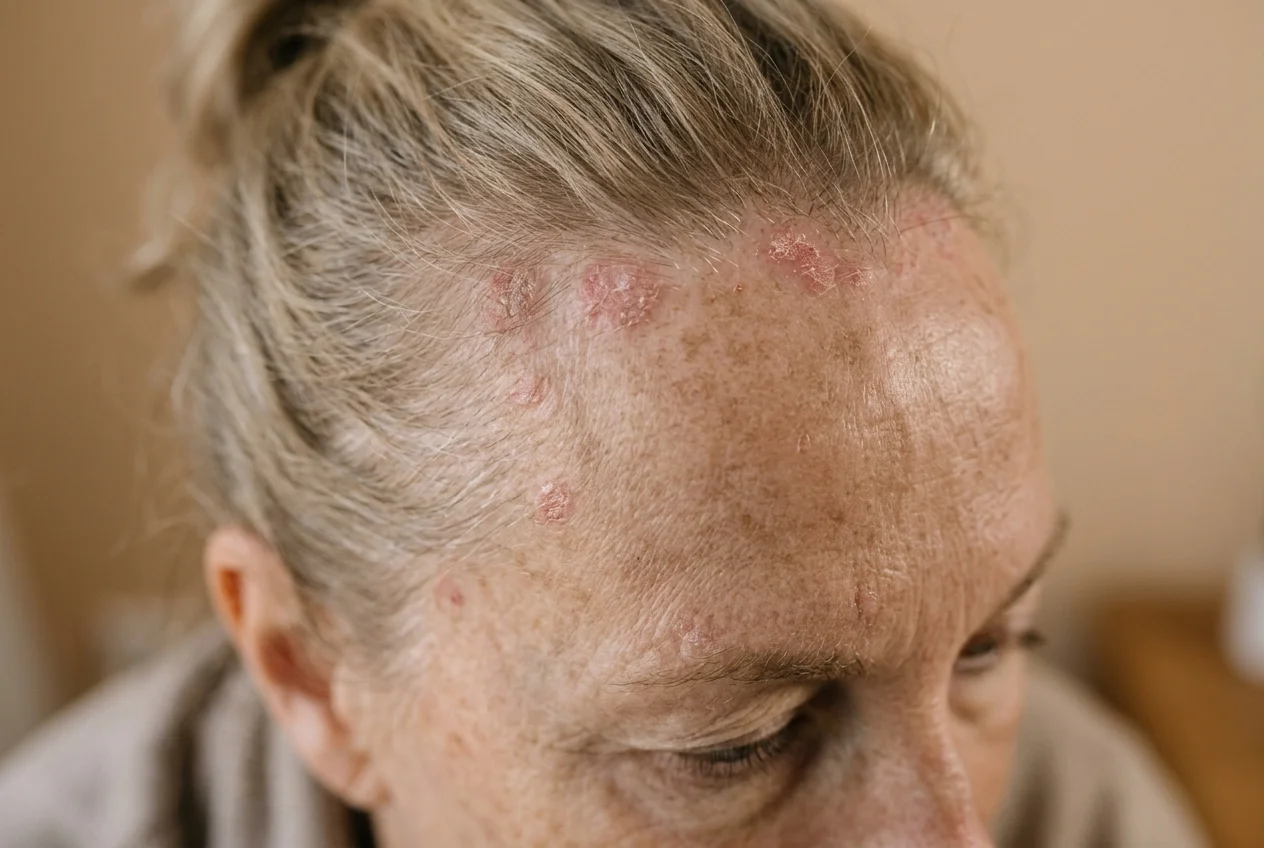
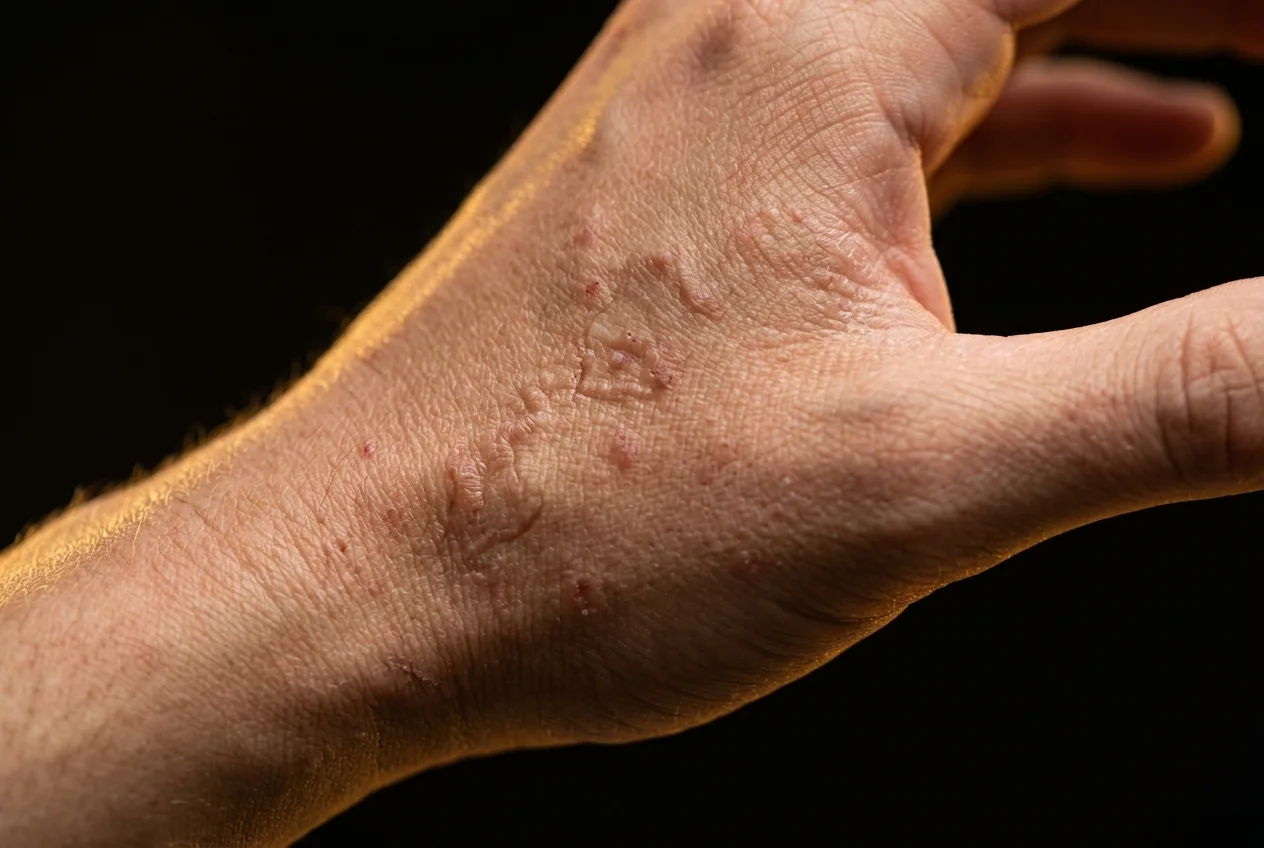
The most characteristic symptom is very intense itching, especially at night. Small papules, vesicles, crusts, scratching lesions and secondary eczema may also appear.
Where does it appear? The most frequent areas are the fingers, wrists, armpits, elbows, abdomen, navel, waist, buttocks, groin, genitals and areolae. In infants the face, scalp, palms and soles may also be affected.
Sometimes small thin serpiginous tunnels can be observed on the skin.
How is it diagnosed?
The diagnosis is usually based on the type of itching, the distribution of the lesions and the existence of other family members with symptoms.
The doctor can use dermatoscopy and skin scraping to identify the mite, the eggs or their remains under the microscope. It is not always possible to visualise the parasite, so a negative result does not exclude the diagnosis.
What treatments are available?
Treatment must be carried out simultaneously in the affected person and in all cohabitants and close contacts, even if they have no symptoms. If only one person is treated, it is very frequent for them to become reinfected.
Permethrin 5 %. It is the first-choice treatment. It must be applied over all the skin from the neck to the feet (in young children also on the scalp, forehead, temples and behind the ears, avoiding eyes and mouth), including fingers, spaces between the fingers, navel, groin, genitals, folds and under the nails. It must be kept on for 8 to 12 hours and then removed with a shower. A second application is generally carried out at 7 days, even if the patient feels better.
Oral ivermectin. It can be used in certain patients: extensive family outbreaks, difficulty applying the cream, crusted scabies and institutional outbreaks. The regimen will be indicated by the doctor.
Itch treatment. Even if the treatment has been effective, the itching can persist between 2 and 4 weeks due to the inflammatory reaction of the skin. Moisturising creams, topical corticosteroids when indicated and antihistamines in some patients can be used. This does not necessarily mean that the treatment has failed.
What should you do at home? (fundamental measures)
These measures are as important as the treatment.
On the same day that treatment begins, you must change all the clothing used, the sheets, the pillowcases and the towels. All of this must be washed the same day.
Washing clothes. Wash with water at 60 °C or more, whenever the fabric allows: underwear, pyjamas, t-shirts, trousers, socks, towels, sheets, duvet covers and pillowcases. After washing, it is recommended to dry the clothes completely, preferably in a tumble dryer if available.
Clothing that cannot be washed. Items that cannot be washed (coats, delicate jackets, shoes, non-washable pillows, decorative cushions) must be placed in a tightly closed plastic bag for at least 72 hours. Since the mite does not survive long outside human skin, this period is usually enough to eliminate the risk of contagion.
Mattress and sofa. It is not necessary to throw away the mattress. It is recommended to vacuum the mattress, the sofas, the armchairs and the rugs if there are any. Special insecticidal products for the home are usually not necessary.
Soft toys and toys. Soft toys and fabric toys must be washed at 60 °C when possible or kept in a closed bag for 72 hours. Plastic toys can be cleaned with soap and water.
Personal items. Do not share towels, clothing, brushes, gloves or bedding during treatment.
Cleaning the home. It is not necessary to carry out special disinfection. It is enough to vacuum, ventilate and clean in the usual way.
When can you return to school or work?
Generally, 24 hours after correctly starting the treatment, provided that the environmental measures have also been applied and the close contacts have been treated.
When should you seek prompt medical advice?
You should see the doctor again if new lesions appear after 4 weeks, if the itching worsens progressively, if there are signs of bacterial infection (pus, fever or intense pain), if not all the cohabitants have been treated, if your defences are low or if a crusted or very extensive form appears.
Myths and facts
- Myth: Scabies appears due to lack of hygiene. Fact: No. It can affect anyone.
- Myth: Only the patient who has itching needs to be treated. Fact: All cohabitants and close contacts must be treated at the same time, even if they have no symptoms.
- Myth: If I still have itching, the treatment has not worked. Fact: The itching can persist between 2 and 4 weeks after eliminating the mite.
- Myth: You have to fumigate the whole house. Fact: No. The usual measures of washing, vacuuming and temporary isolation of non-washable items are enough.
- Myth: Pets transmit human scabies. Fact: No. Human scabies is produced by a mite specific to humans. Dogs and cats can suffer other types of scabies, but do not maintain human infestation.
The key points to remember
- Scabies is an infestation by a microscopic mite and is not related to lack of hygiene.
- Intense nocturnal itching is the most characteristic symptom.
- All cohabitants and close contacts must be treated at the same time, even if they have no symptoms.
- Permethrin 5 % is the first-choice treatment and is usually repeated at 7 days.
- It is essential to wash clothing, towels and bedding at 60 °C, and to keep for 72 hours in a closed bag the items that cannot be washed.
- The itching can persist for several weeks after treatment without this meaning a therapeutic failure.
Frequently asked questions
Is it very contagious?
Yes. Close and prolonged contact greatly favours transmission.
Should all family members be treated?
Yes. Even if they have no symptoms.
How long does the mite live outside the body?
Usually between 48 and 72 hours.
Can I return to work?
Yes. Generally 24 hours after correctly starting the treatment.
Why do I still have itching after treatment?
Because the inflammatory reaction can persist for several weeks even though the mite has already disappeared.
Should I repeat the permethrin?
Yes. A second application is usually recommended at 7 days.
What do I do with the baby's soft toys?
Wash them at 60 °C if possible or keep them in a closed bag for 72 hours.
Do I have to change the mattress?
No. It is enough to vacuum it and maintain the usual cleaning.
Can I infect my partner?
Yes. The partner must be treated simultaneously, even without symptoms.
Is there a cure?
Yes. With correct treatment and following all environmental measures, scabies is completely cured in the vast majority of cases.
Need personalised guidance?
This guide is for information only and does not replace a medical consultation. For an assessment tailored to your case, you may request a consultation.
Request a consultation